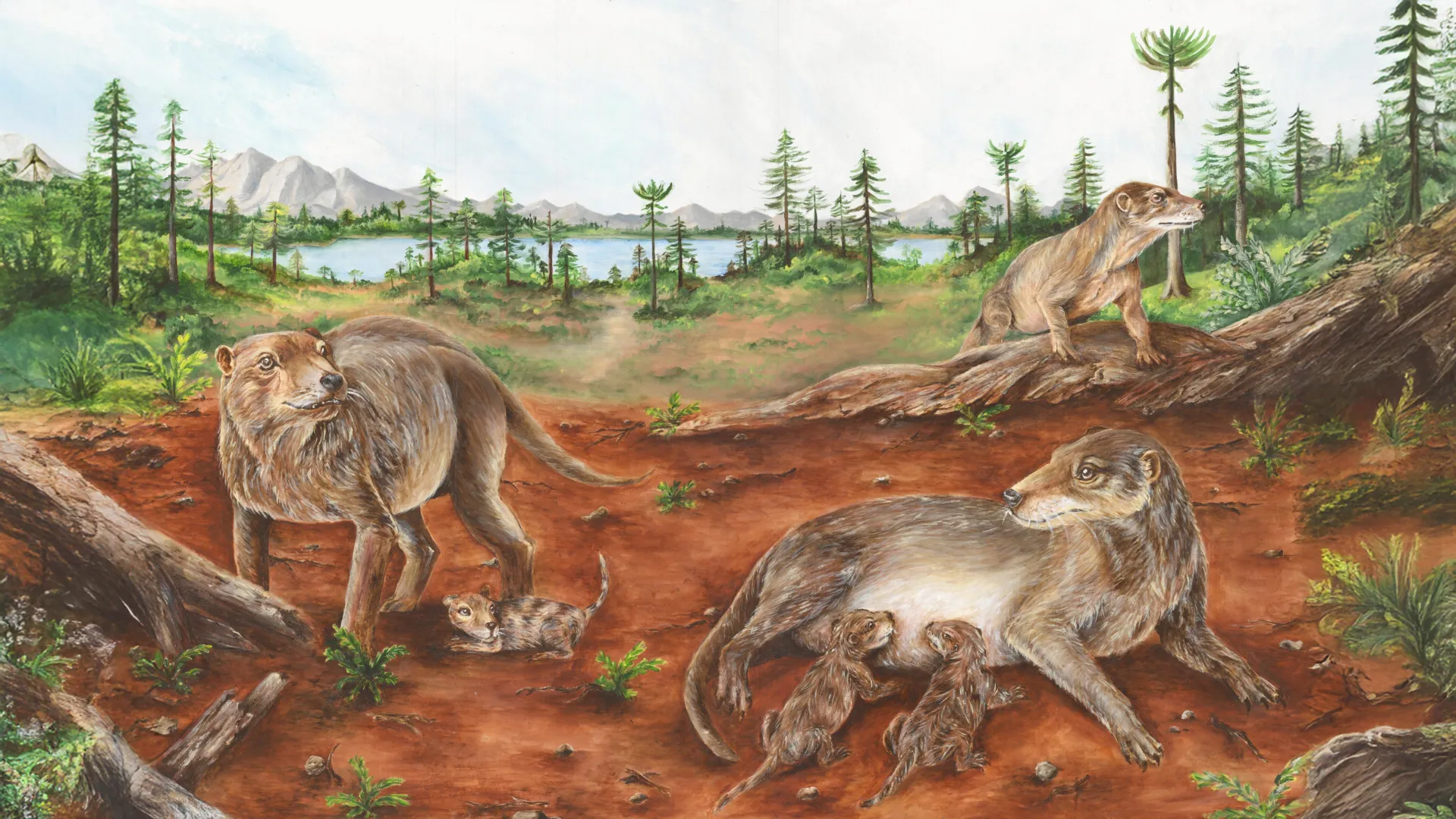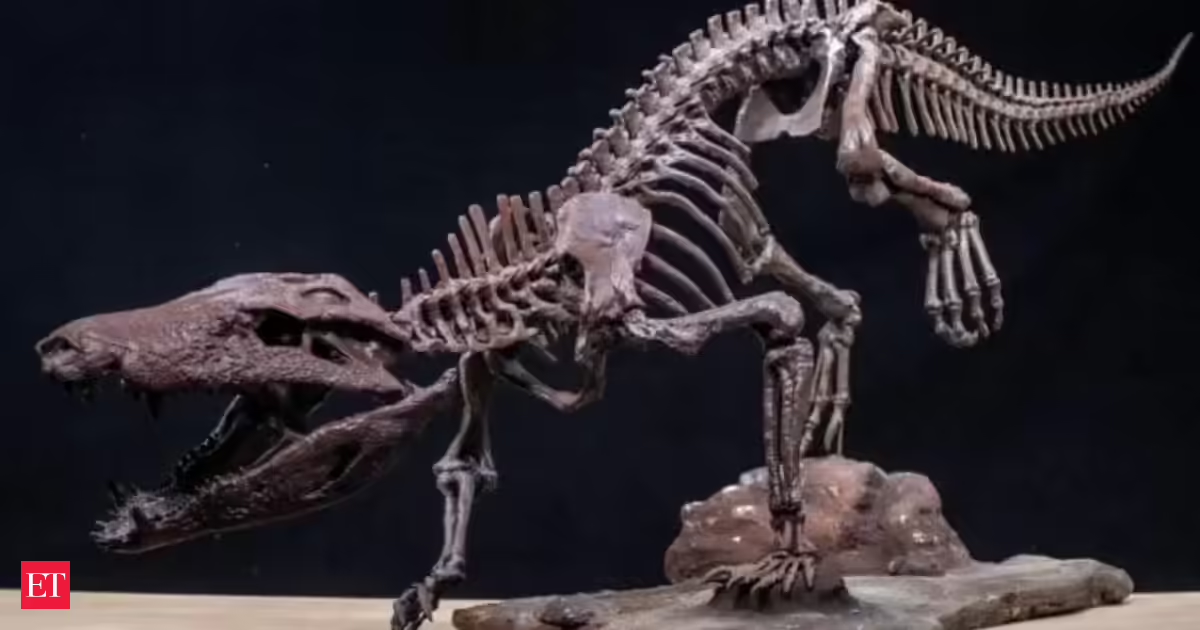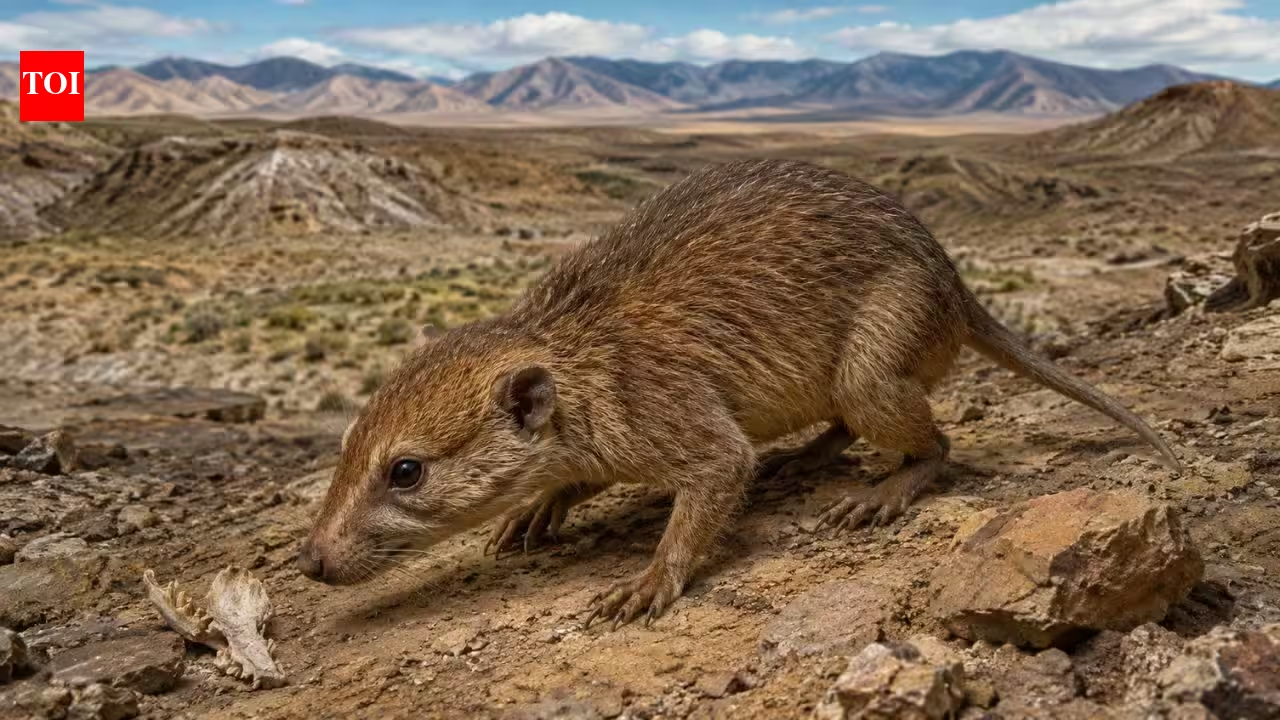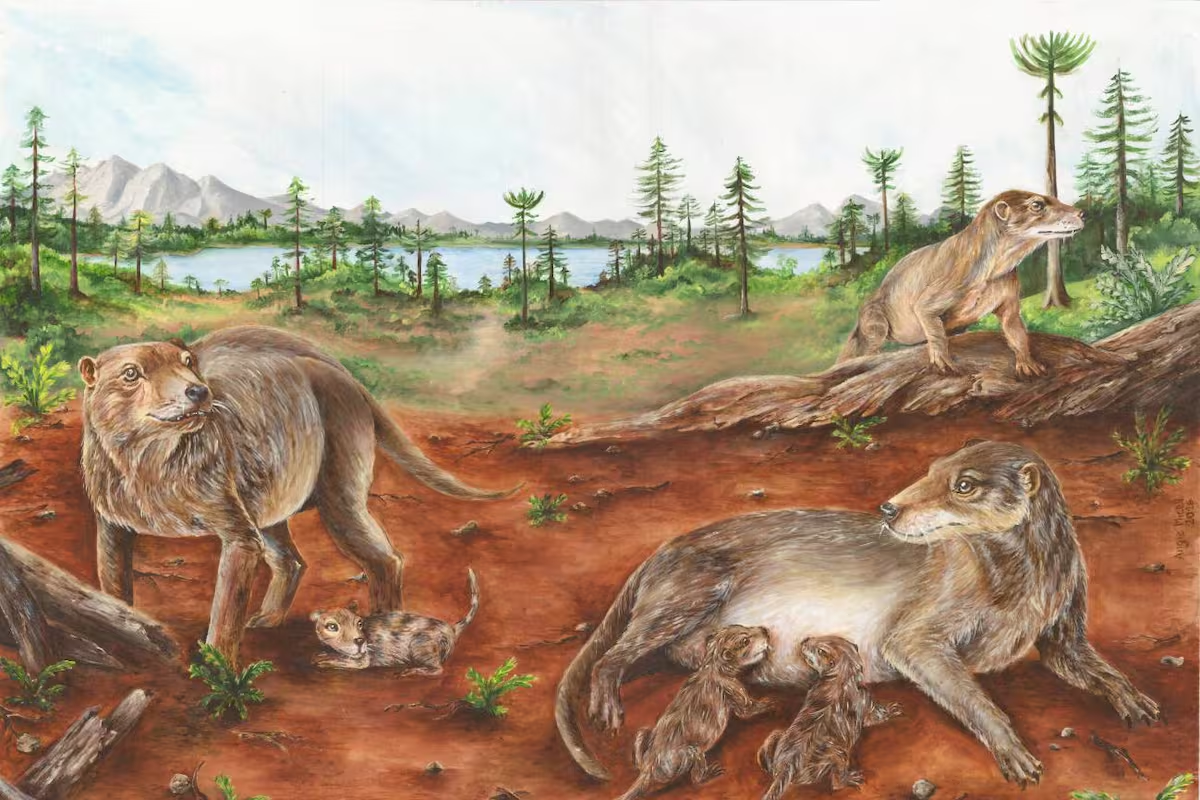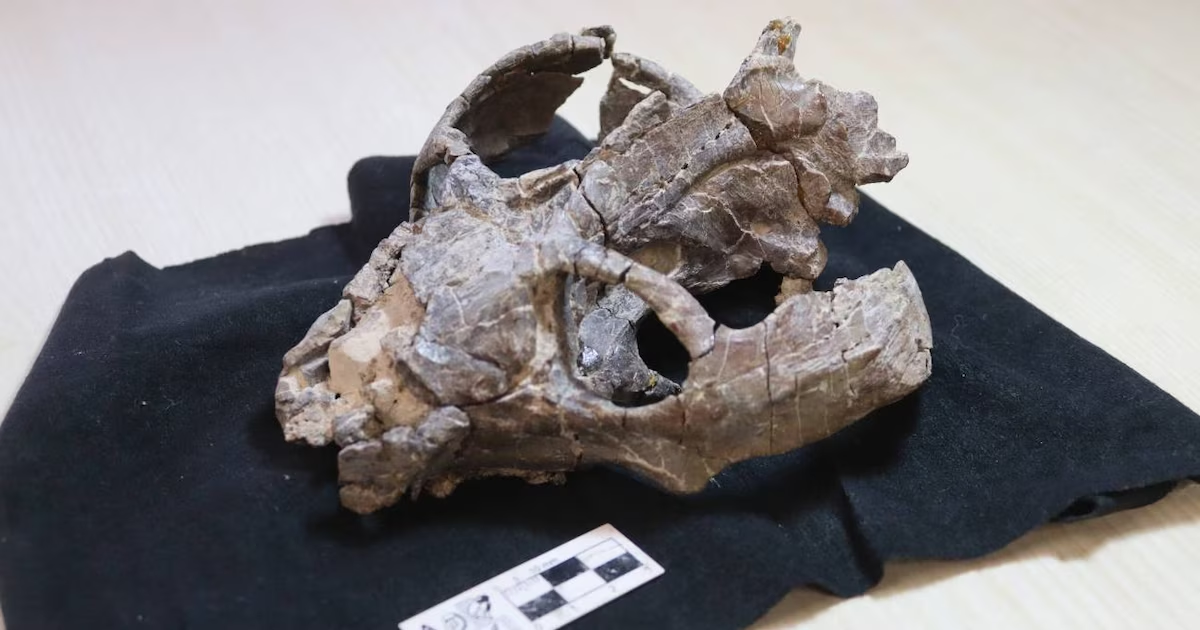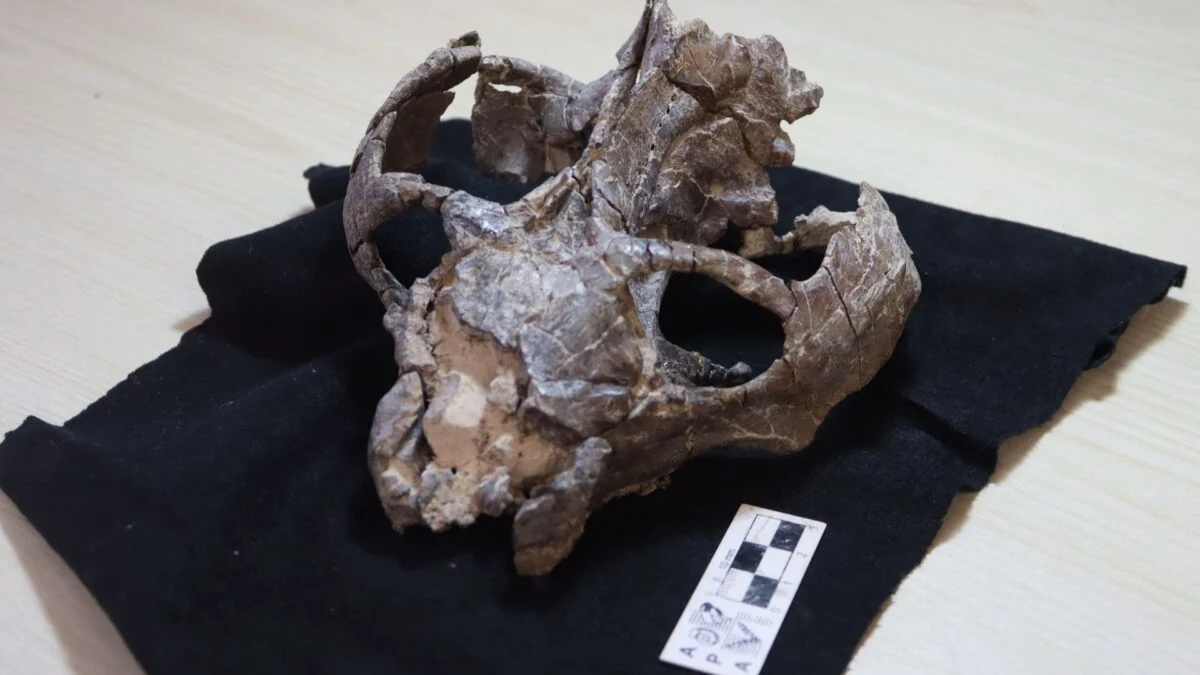
The vast majority of mammals alive today—including us—give birth to live young, but this reproductive mode isn’t unique to mammals nor universal among them. In fact, it evolved independently many times in other groups of vertebrates, and some mammal species actually lay eggs. For years, scientists believed cynodonts—a major group of mammal-like reptiles that gave rise to all modern mammals—probably laid eggs, too. After all, egg-laying is common among reptiles, as well as the most ancient lineage of living mammals: the monotremes, which include platypuses and echidnas. However, efforts to determine whether cynodonts laid eggs or gave birth have been inconclusive—until now. A study published today in the journal Frontiers in Mammal Science presents the first fossil evidence to suggest that a cynodont species gave birth. Chiniquodon theotonicus lived roughly 236 million years ago, during the late Triassic period. This discovery pushes the timeline of this evolutionary adaptation back by up to 95 million years, according to the researchers.
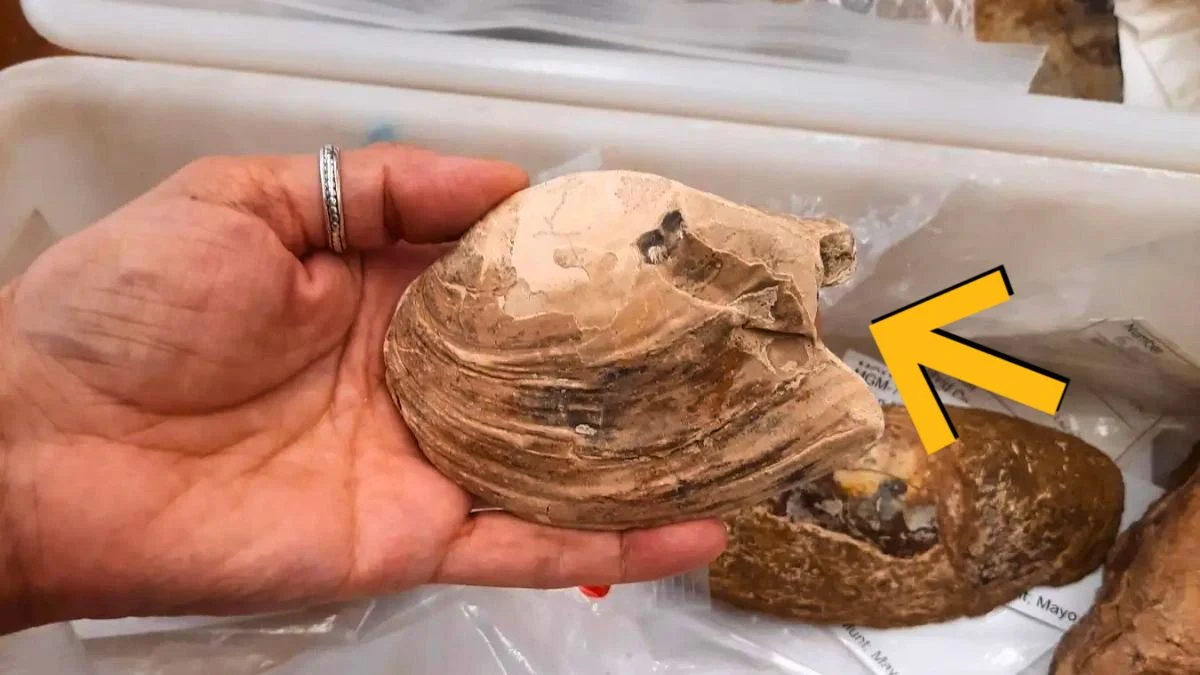
Stumbling upon a major discovery Co-author Maria Miceli Baro, a graduate student at the University of Buenos Aires in Argentina, was examining the bone microstructure of a fully grown C. theotonicus specimen when something surprising appeared. “She came with her samples, and we were looking at them, and we said, ‘Hey, look, you have embryonic tissue. This is very weird, I have never seen this,'” lead author Leandro Gaetano, a paleontologist at Argentina’s National Scientific and Technical Research Council who is based at the University of Buenos Aires, told Gizmodo.