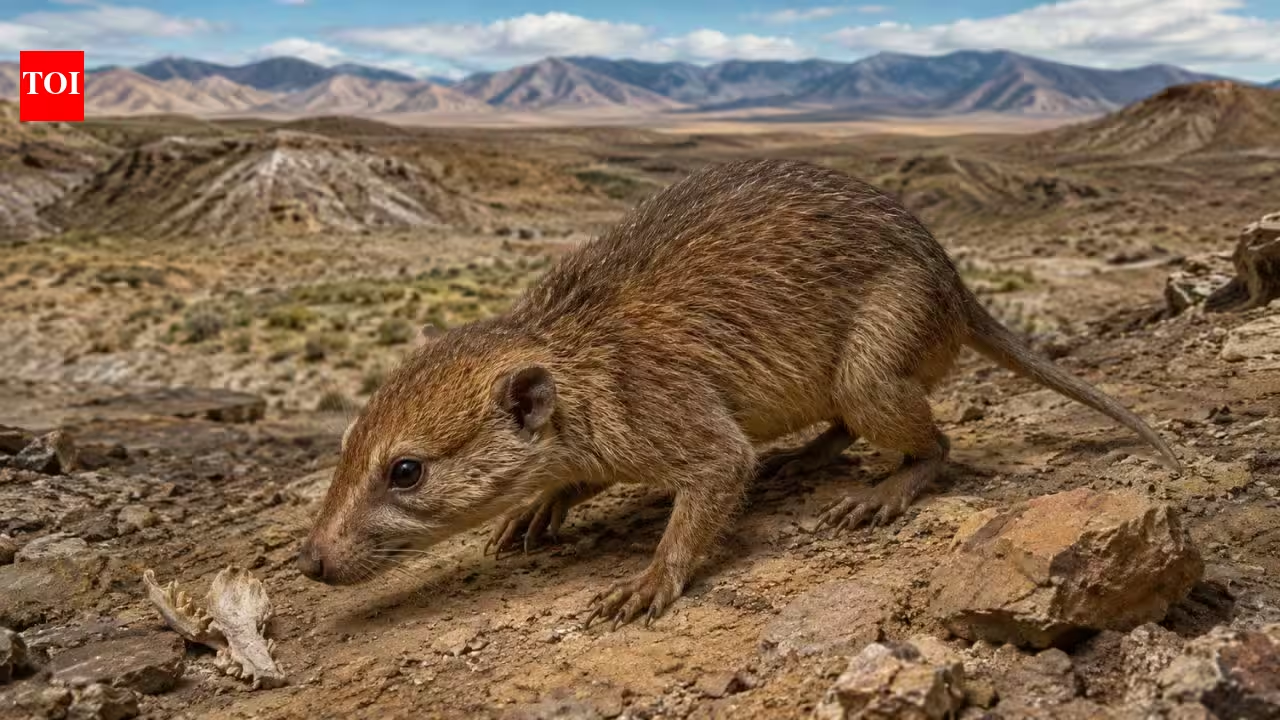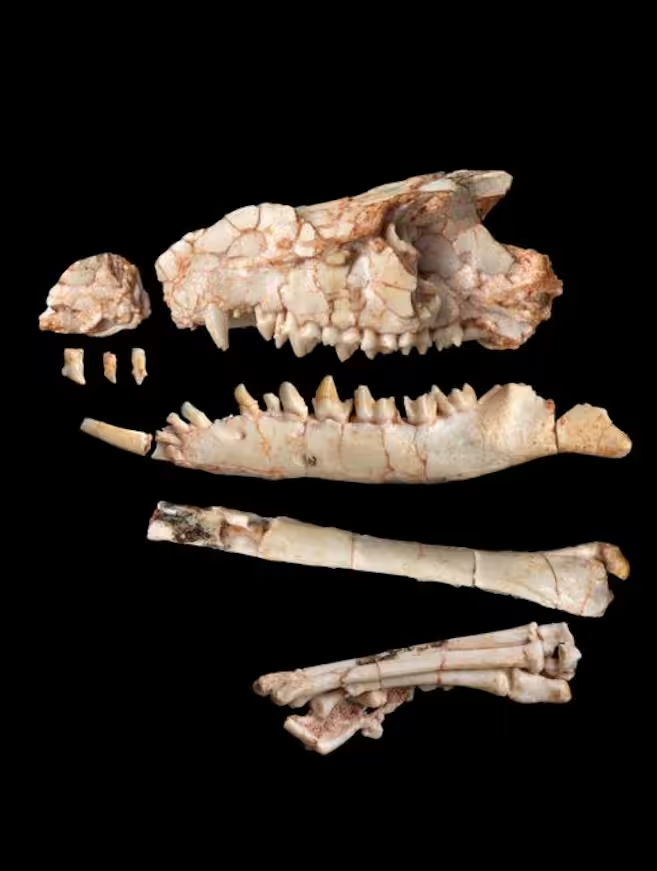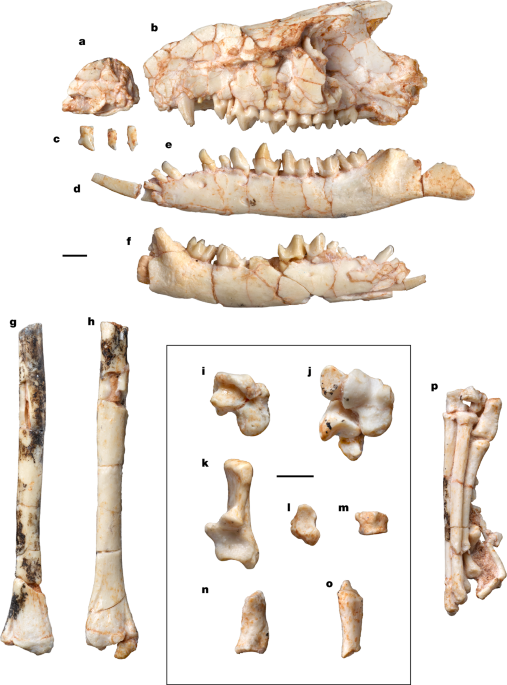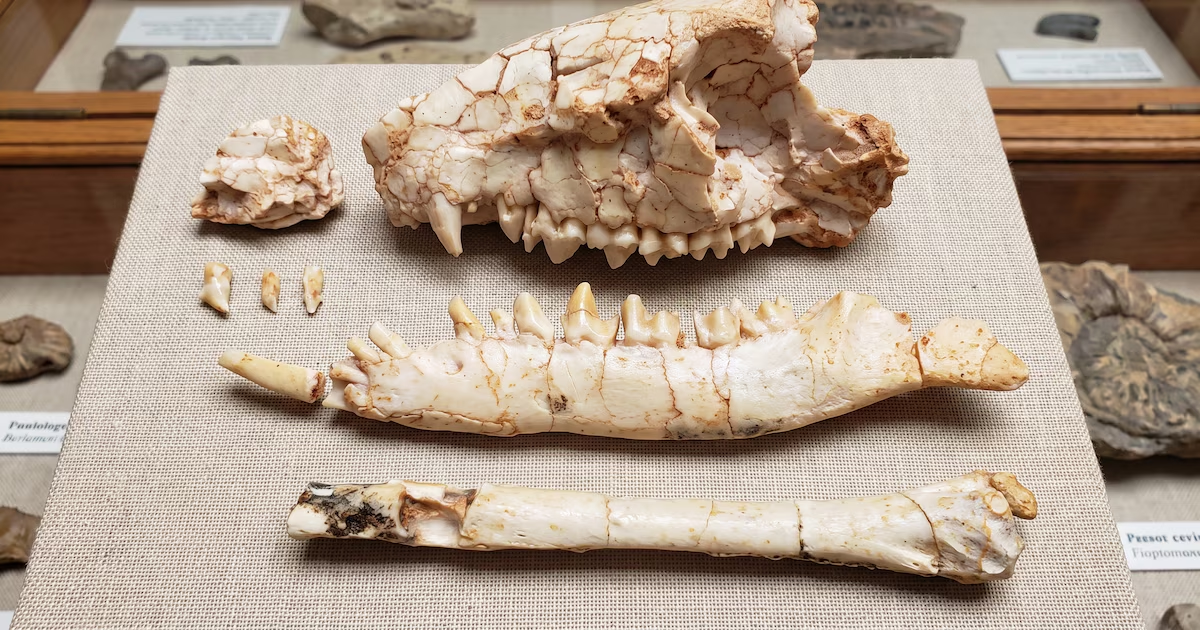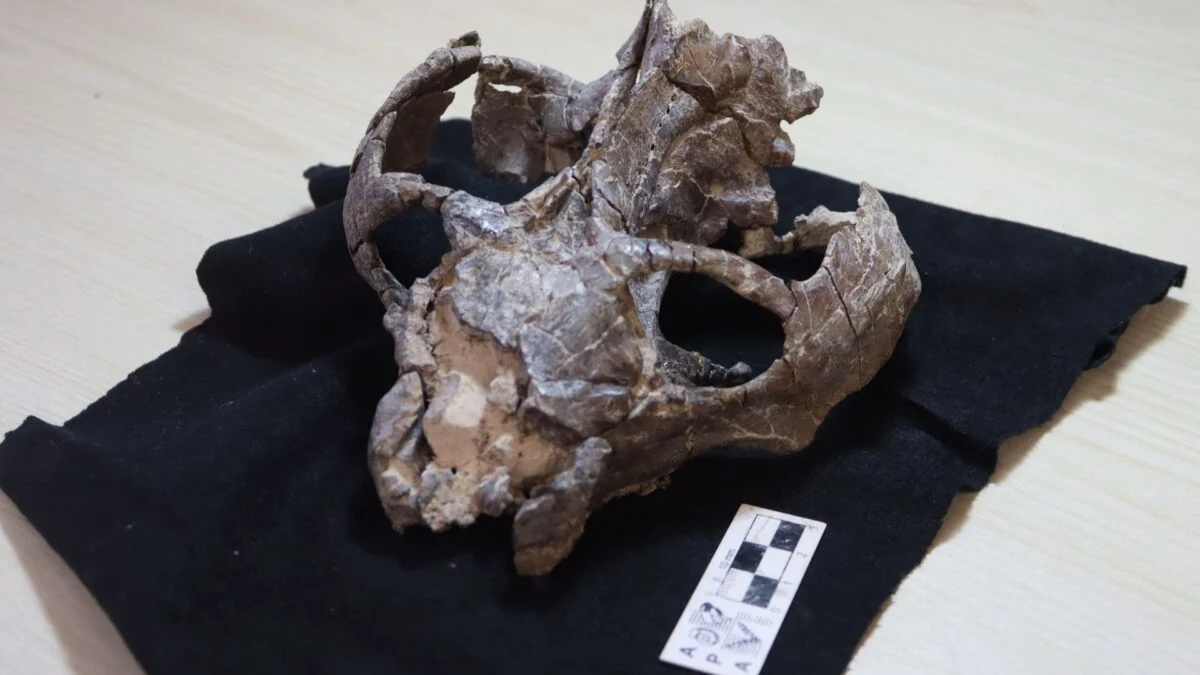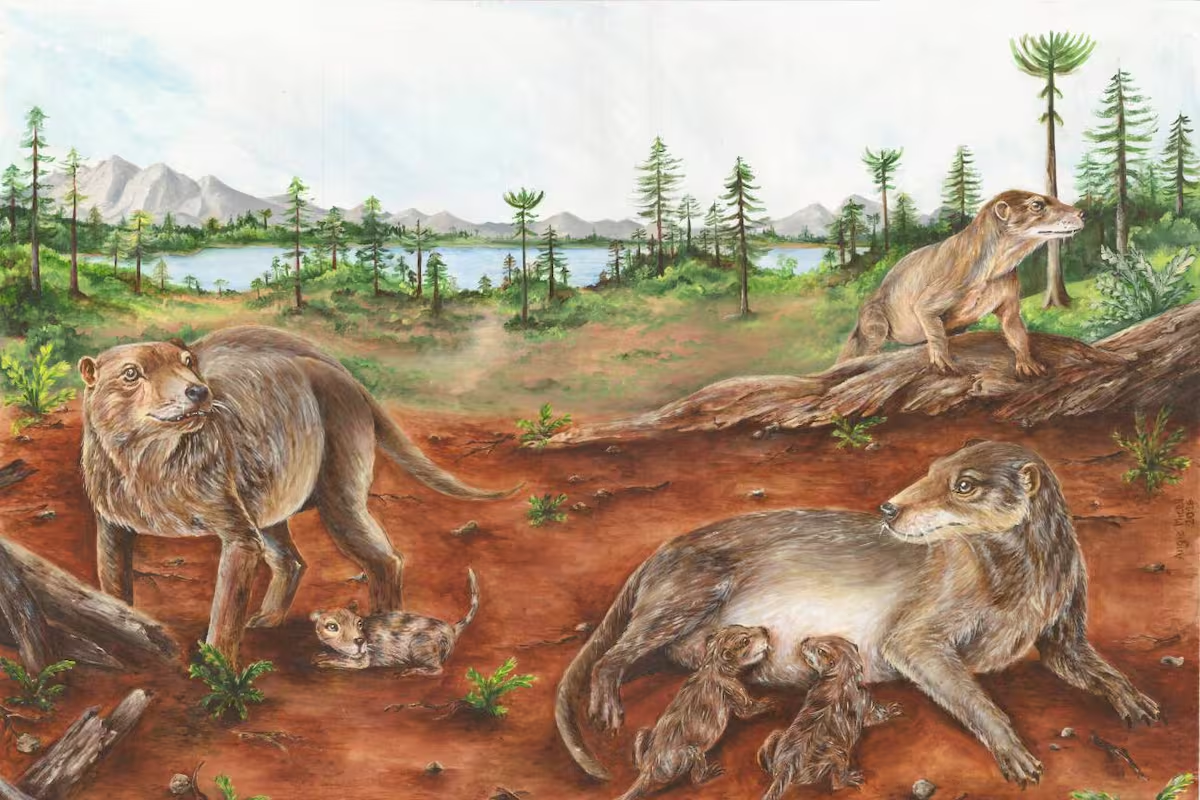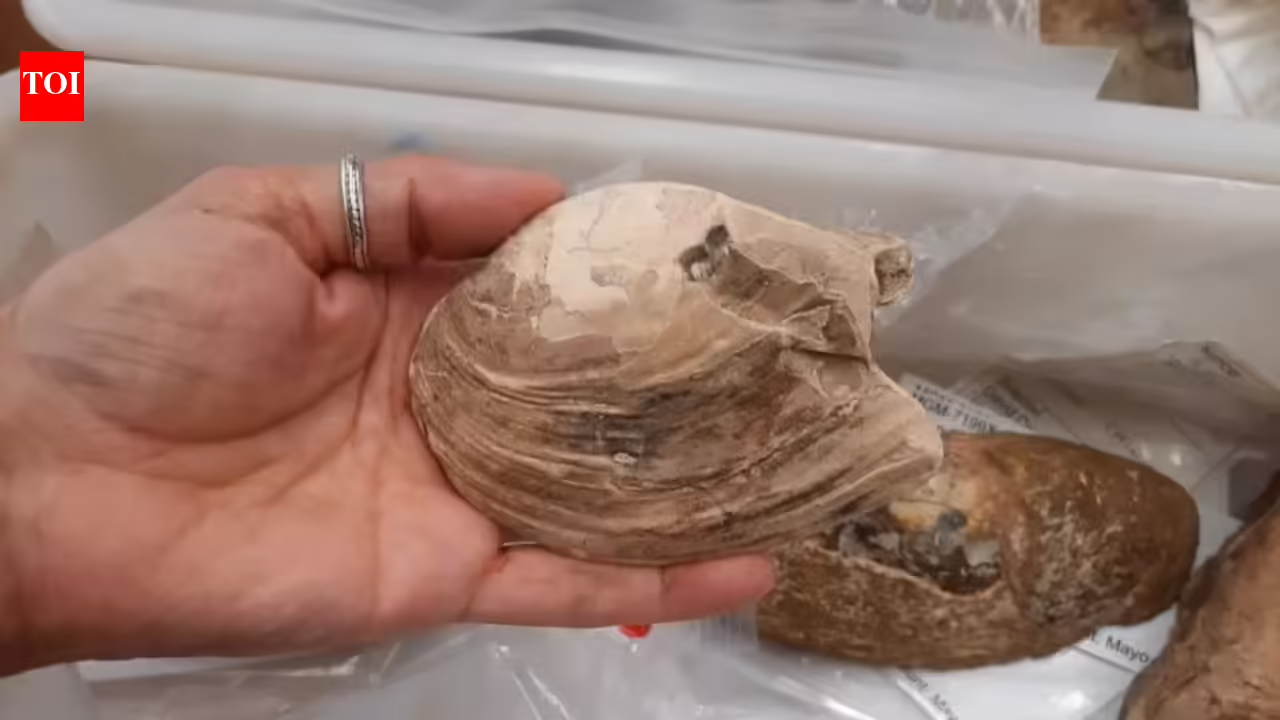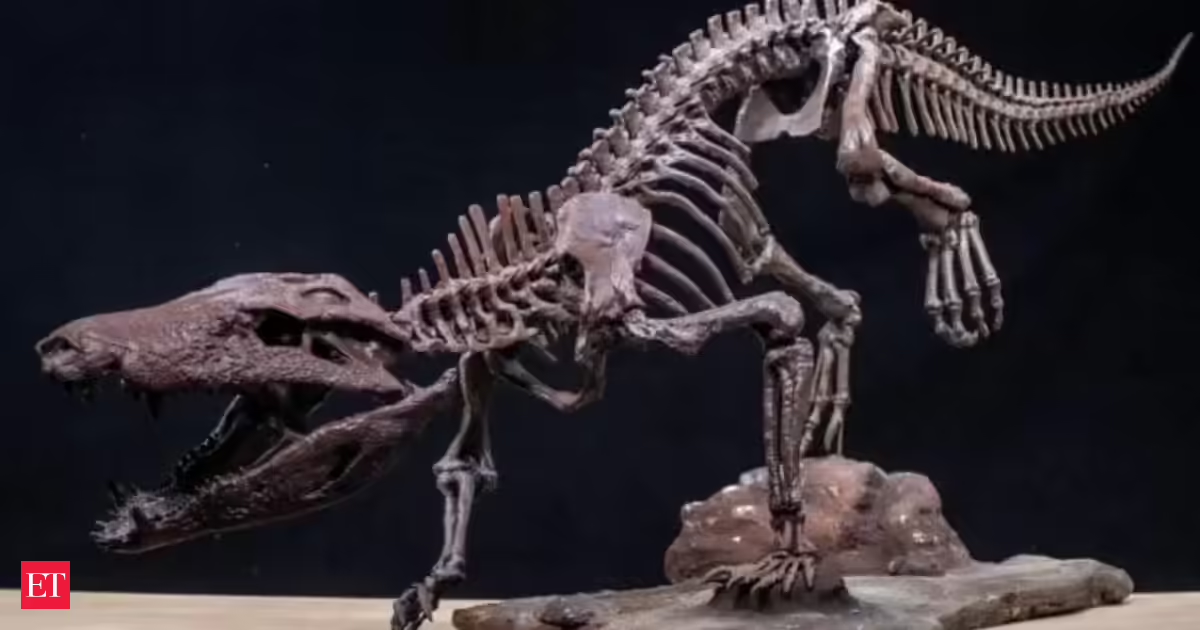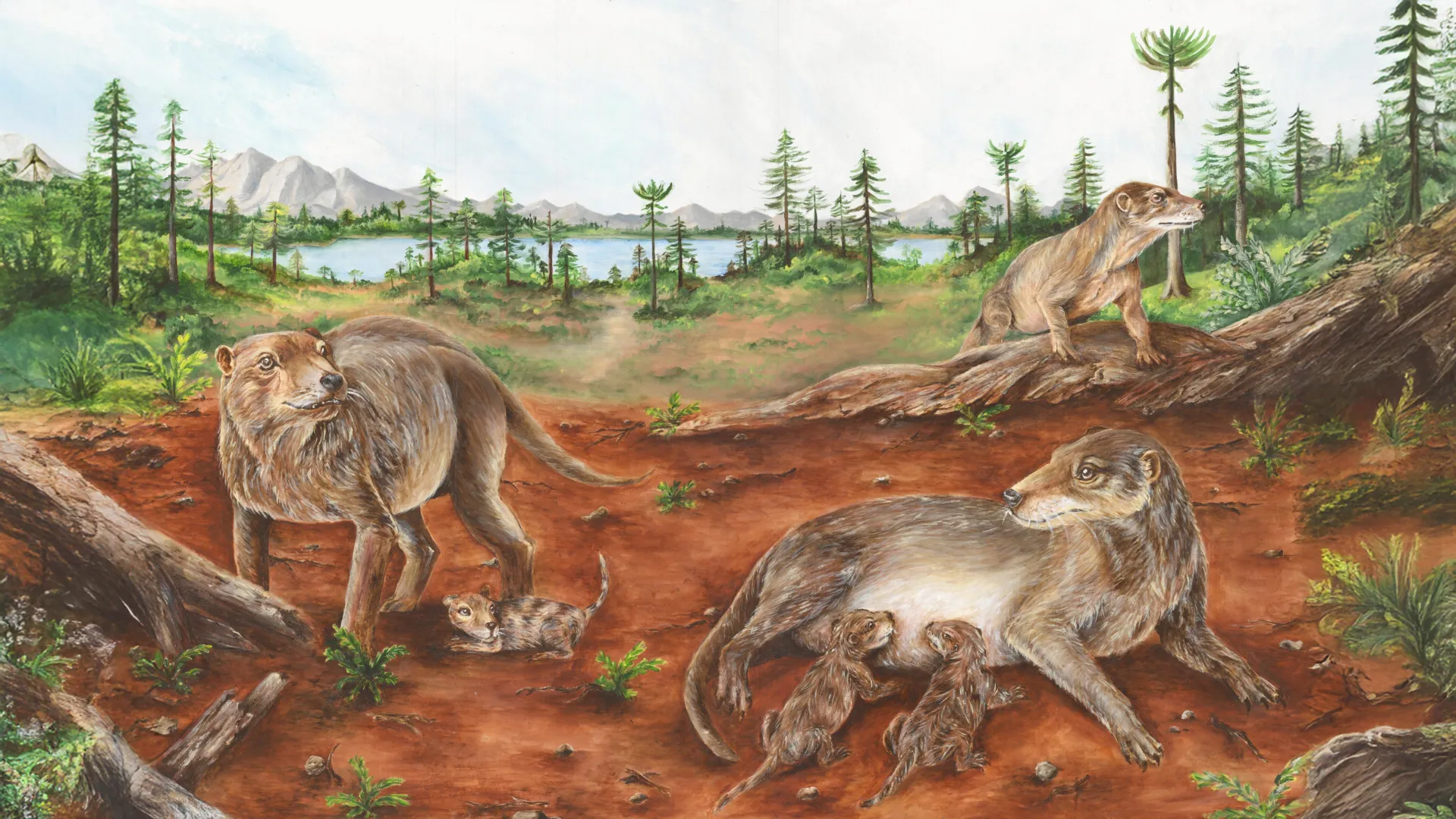
Some cynodonts may have started giving birth to live young far earlier in evolutionary history than scientists once believed. A new study published in Frontiers in Mammal Science presents the first compelling evidence that at least some cynodonts may have been viviparous -- meaning they gave birth to live offspring.
"We show for the first time that live birth was present in at least one mammalian ancestor, Chiniquodon theotonicus, which lived approximately 236 million years ago," said lead author Dr. Leandro Gaetano, a paleontologist at the National Scientific and Technical Research Council (CONICET) in Argentina. "This implies that viviparity among early cynodonts originated in the mammalian lineage at least 95 to 90 million years earlier than previously thought."
A Longstanding Mystery About Mammal Reproduction
"Cynodonts thrived in the Triassic, a period of recovery and restructuring of ecosystems after one of the most devastating mass extinctions in life history," explained senior author Adriana Mancuso, a researcher at CONICET who focuses on the evolution of terrestrial ecosystems. "This meant high competition for resources and strong predatory pressures. Combined with a trend toward aridity and strong seasonality, embryos of viviparous species would be better protected than those of egg-laying species."