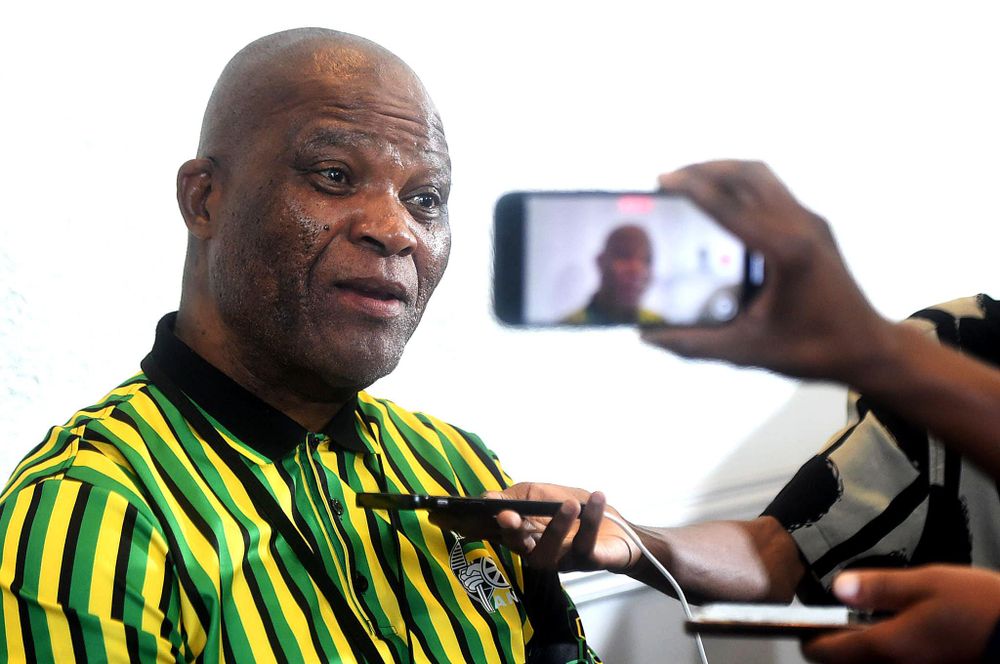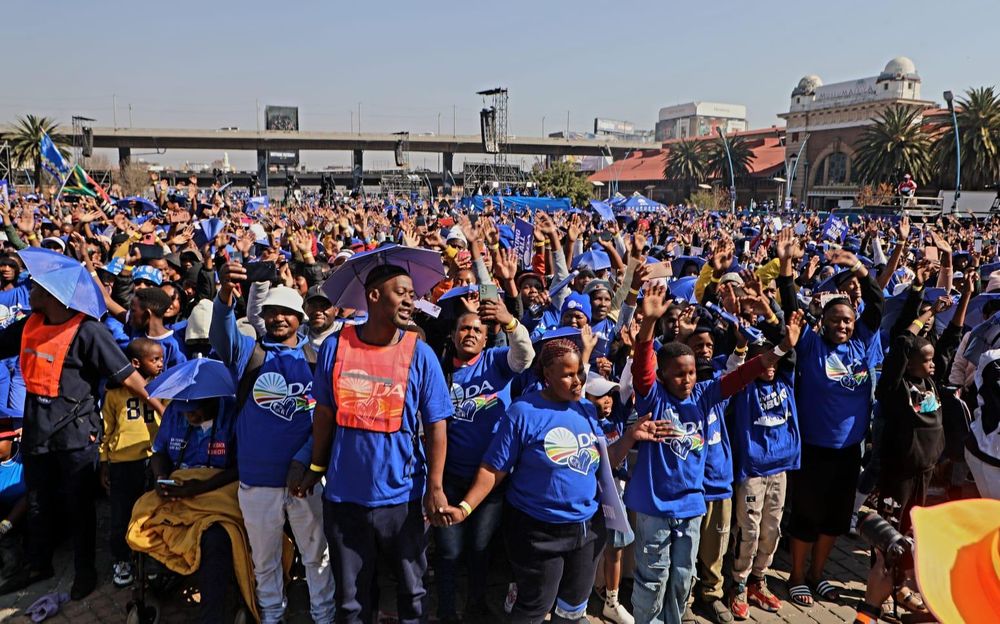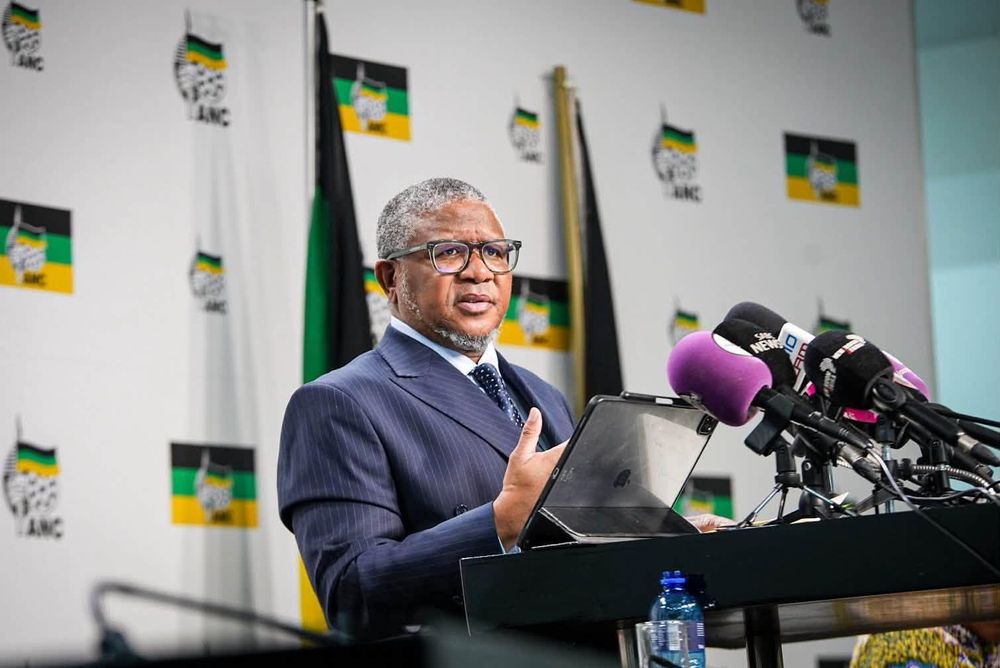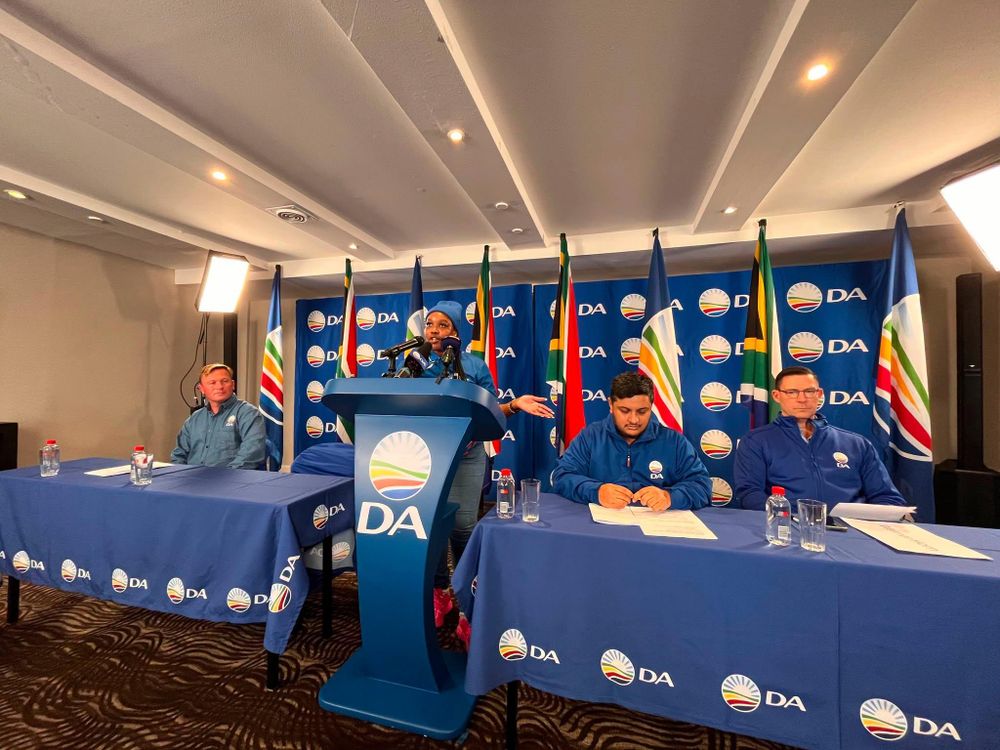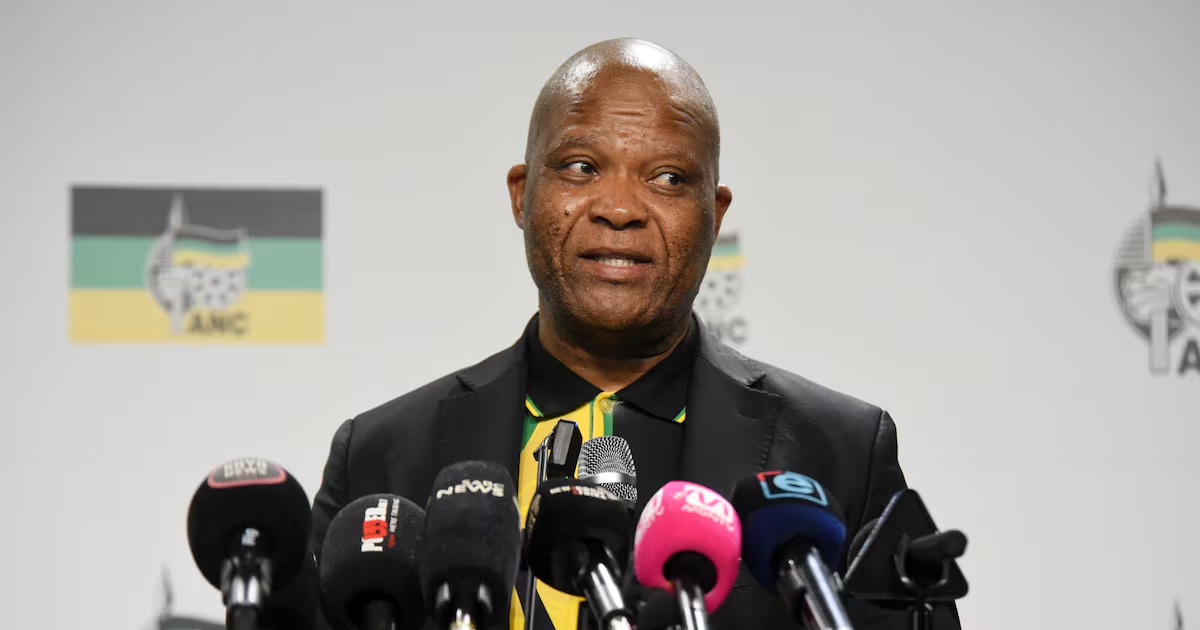
The ANC wants municipalities to be run by single parties after the local government elections in November, saying that coalitions, which have governed the country’s major municipalities since 2016, have worsened service delivery. But the latest surveys of voters suggest that such a goal is out of the party’s reach in most metros. Dickson Masemola, a member of the ANC’s NEC and the deputy minister of co-operative governance & traditional affairs (Cogta), told reporters at a local government briefing on Wednesday that the party is targeting an outright win in every municipality it contests and blamed coalition politics for a decade of service failures in Johannesburg, eThekwini and Buffalo City. Councils have become increasingly dysfunctional since the ANC lost sole control in 2016, he said, adding that rival parties in coalitions have blocked consistent decision-making since then.The party’s manifesto, due to be unveiled on August 23 in Diepsloot, northern Johannesburg, is likely to lean on that argument. Masemola pointed to single-party ANC administrations under former mayors, including Amos Masondo in Johannesburg and Obed Mlaba in Durban, as evidence that outright control delivers better results than coalition rule.“Since 2016, when coalition politics began to find expression in municipalities … the ANC [was] weakened and there are coalitions,” Masemola said.But a poll from the Social Research Foundation (SRF), released earlier this month, found that national support for the ANC has dropped to 34%, from about 40% in the first quarter, near the record low it hit last year at the time of a heated dispute that erupted when the National Treasury sought to increase the VAT rate. Support for the DA is steady at 27%, while that for the MK party has risen to 15%, mostly at the ANC’s expense. The EFF is flat at 7%.In Johannesburg, the ANC polls at 18%, less than half the DA’s 42%. MK and ActionSA are in double digits behind them. In eThekwini, the ANC has fallen to third place behind MK and the DA. Tshwane is the ANC’s strongest metro, with support just above 30% but still well short of the DA, which is above 40%.The SRF poll also found that 65% of voters nationally back continued ANC-DA co-operation in municipalities where neither party wins an outright majority. Support for that arrangement runs even higher in the two parties — at 80% among ANC voters and 69% among DA voters.Masemola’s comments come just weeks after the cabinet moved to make coalitions more workable, approving the submission of the Local Government: Municipal Structures Amendment Bill, known as the Coalition Bill, to parliament on July 29. The bill sets out a legislative framework for forming coalition governments and aims to reduce the instability that has followed hung councils since 2016. Cogta wants the legislation passed before the local government elections. “The reality is, since 2016, when coalition politics began to find expression in municipalities … even here in Johannesburg … and elsewhere … [people] are basically finding themselves in those difficulties as a consequence of the dislodging of the movement at the centre of governance,” Masemola said. The ANC is expected to unveil its mayoral candidates during its manifesto launch with other major party announcements. The City of Johannesburg is shaping up to be the most closely watched contest for the ANC. Frank Chikane has emerged as the frontrunner for the party’s mayoral candidacy. The DA has put forward Helen Zille. ActionSA leader Herman Mashaba, Tlaleng Mofokeng of the EFF, the PA’s candidate Kenny Kunene, IFP candidate Mlungisi Mabaso, Rise Mzansi’s Lukhona Mnguni and Bosa’s Nobuntu Hlazo-Webster are also in the race.Business Day
ANC wants one-party control of municipalities as it blames coalitions for failures
Social Research Foundation poll finds national support for party has plunged to 34%
596 words~3 min read