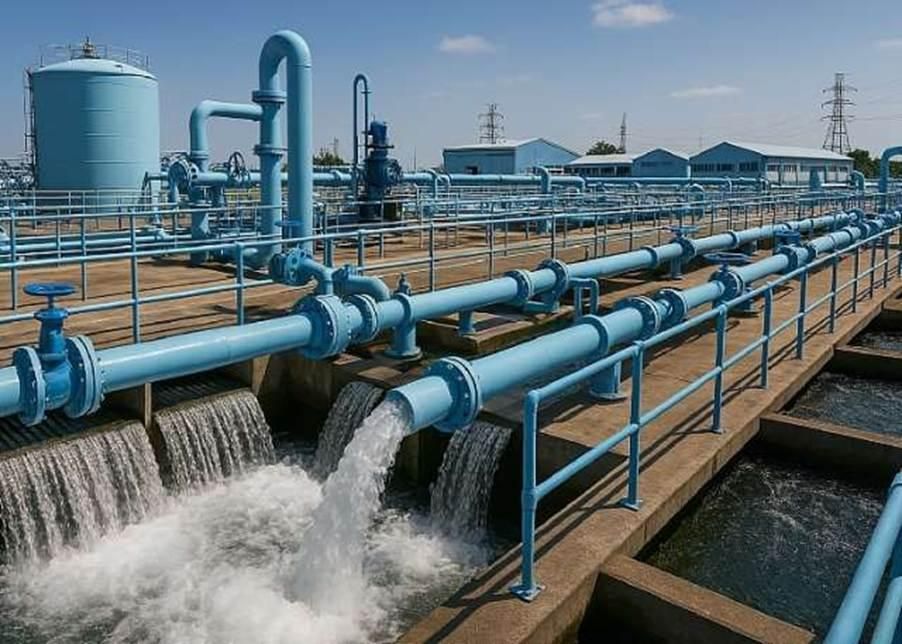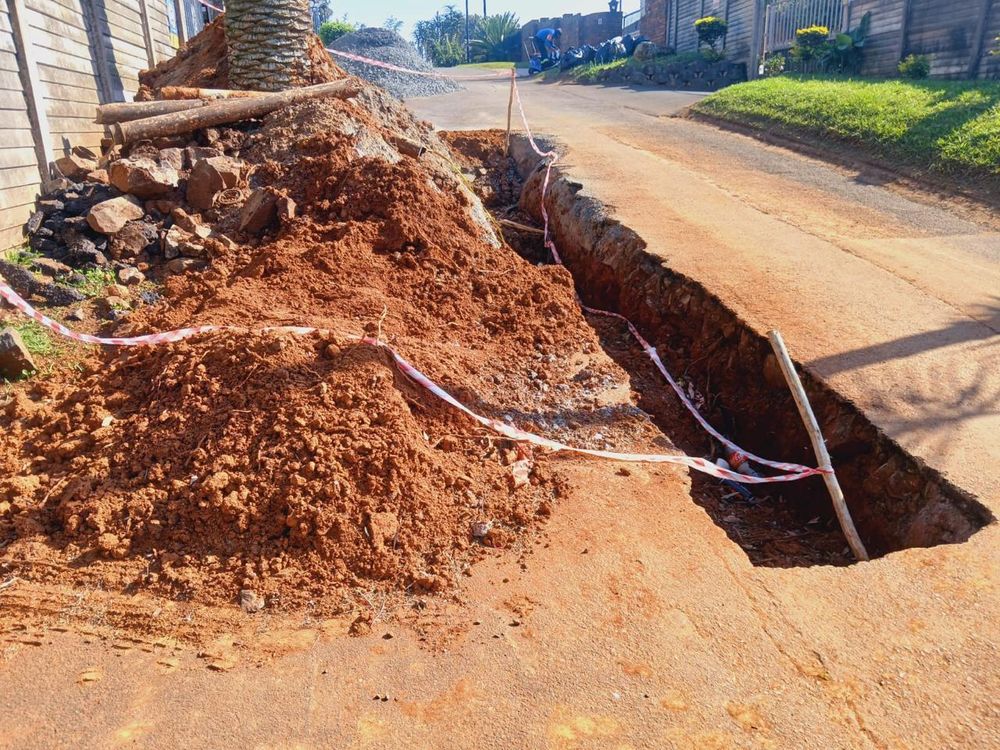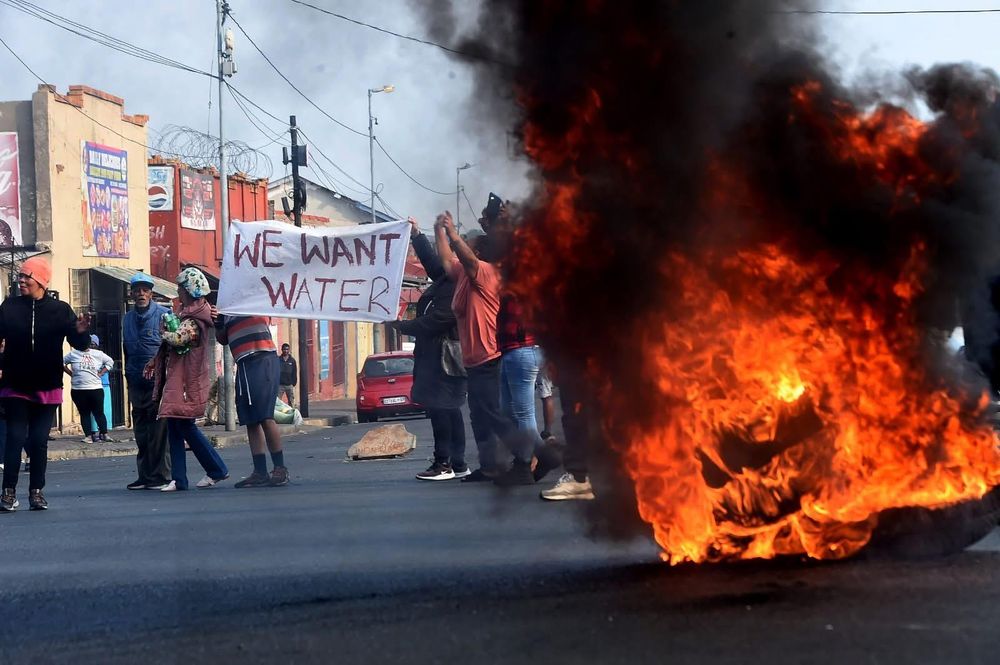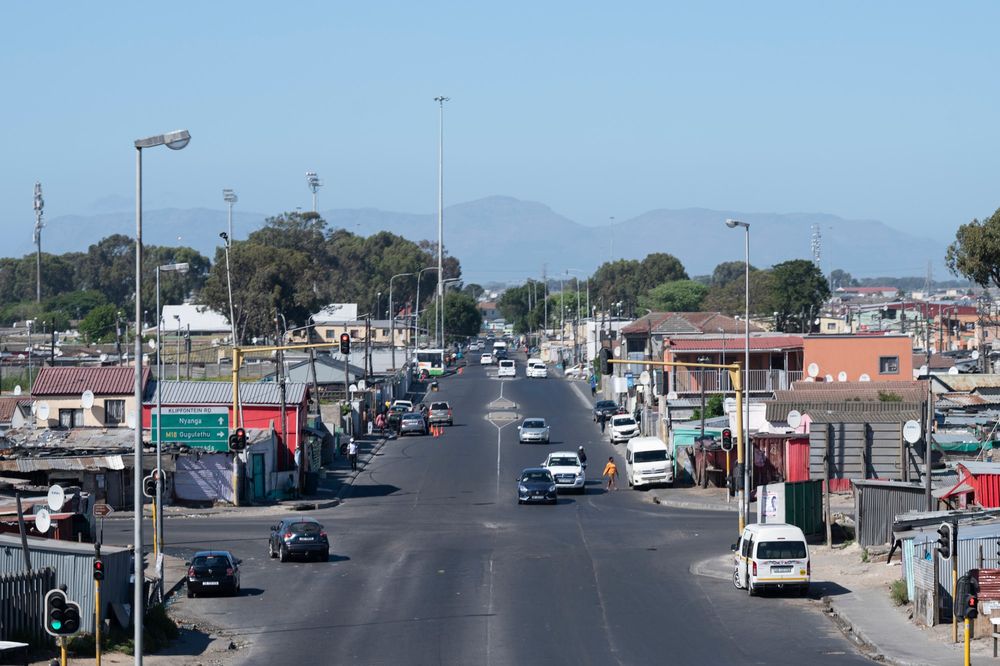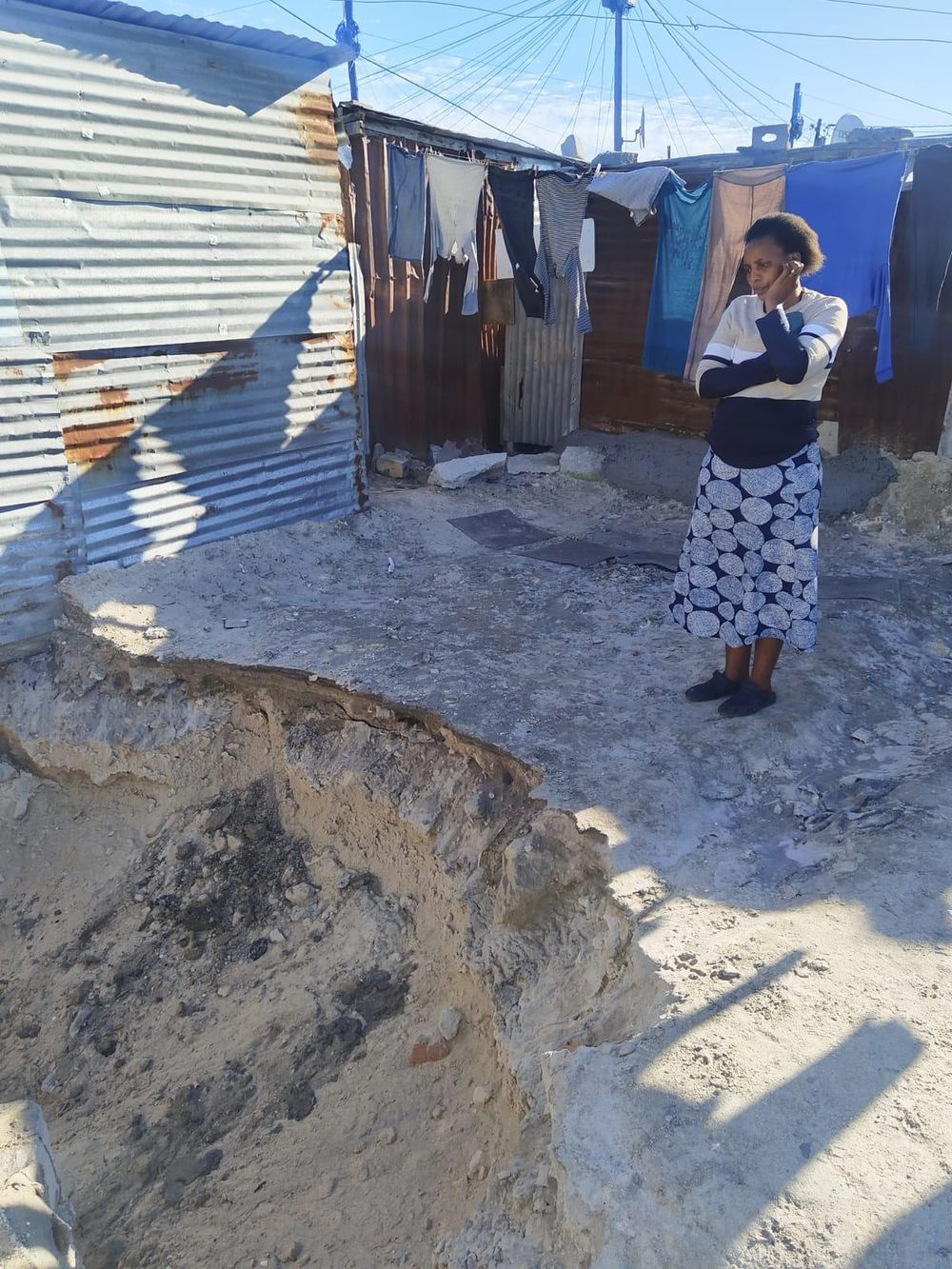
An emotional Khayelitsha resident, Phumeza Somdaka, looks at the hole caused by a sewer spill near her home. Municipalities determine whether water flows through household taps, whether refuse is collected, whether potholes are repaired, whether streetlights function, whether businesses receive approvals without unnecessary delays and whether communities experience government as an institution capable of improving everyday life.
AS South Africa approaches another local government election, the country’s political conversation has become increasingly predictable.
Political parties are unveiling mayoral candidates, election machinery is gathering momentum, campaign slogans are being tested, and analysts are once again reducing the contest to a familiar arithmetic of who stands to gain, who stands to lose, and which coalition arrangements may emerge once the ballots have been counted.
Yet beneath this routine electoral spectacle lies a far more profound question that has received remarkably little attention.
What if the ANC is no longer primarily contesting an election against the DA, the MK Party or the EFF? What if its greatest political opponent has become something far more difficult to negotiate, campaign against, or defeat, namely the accumulated weight of its own governing record?