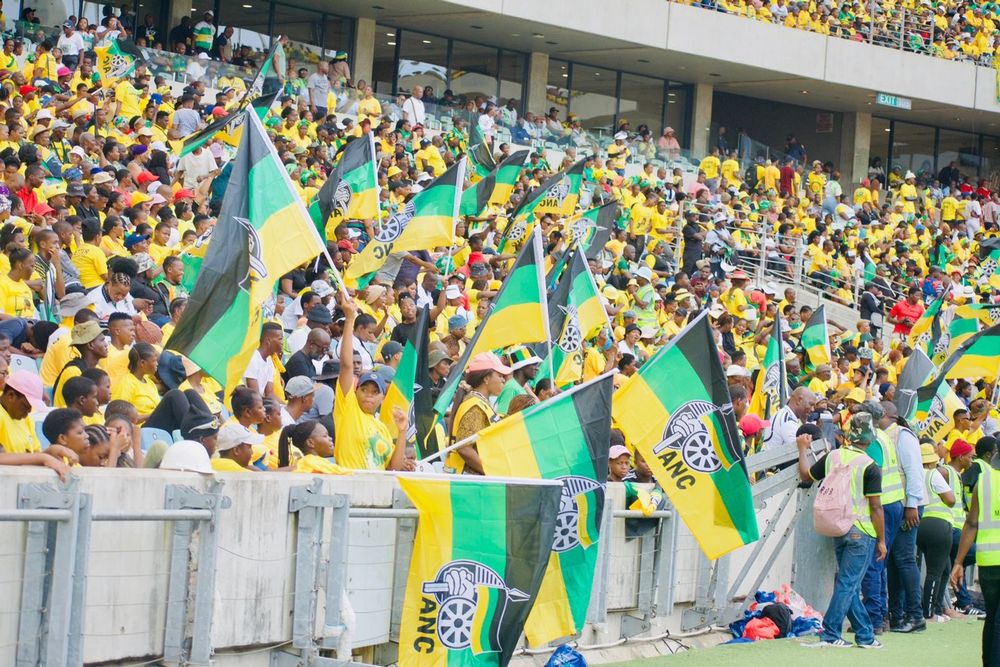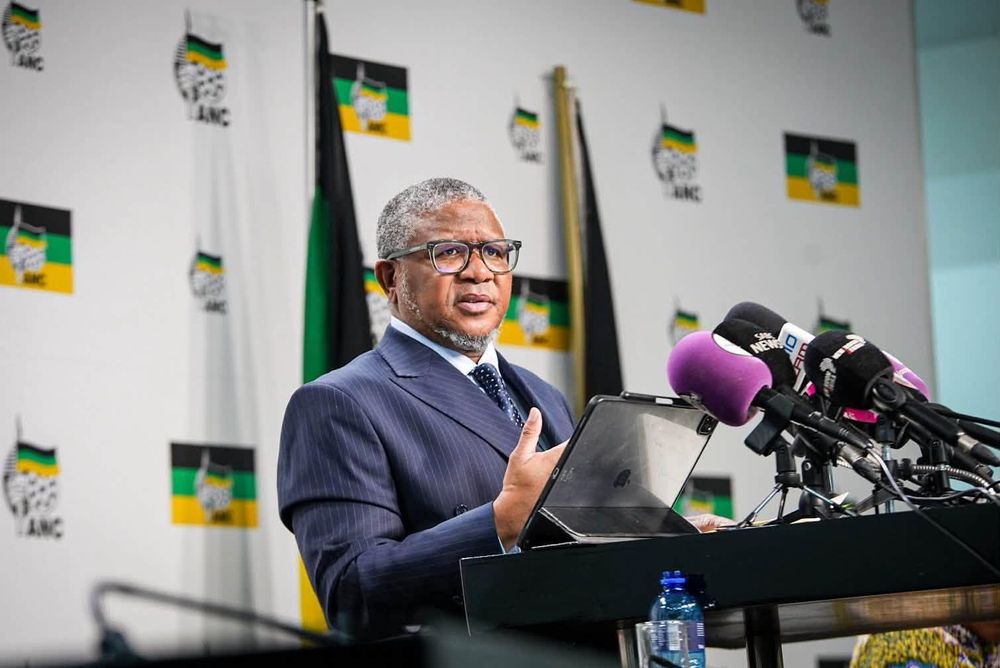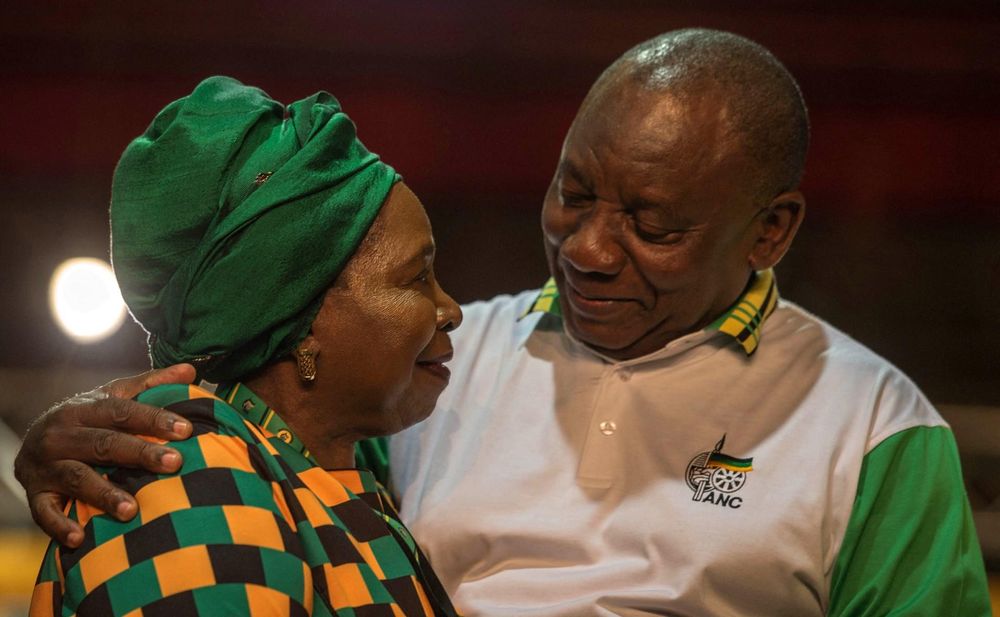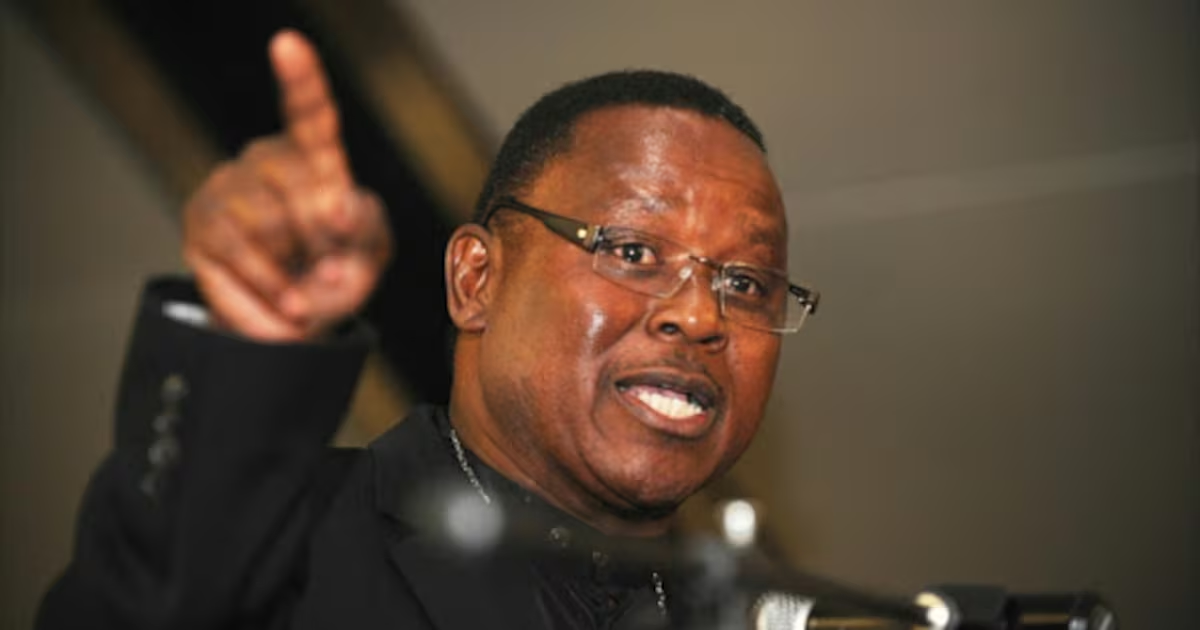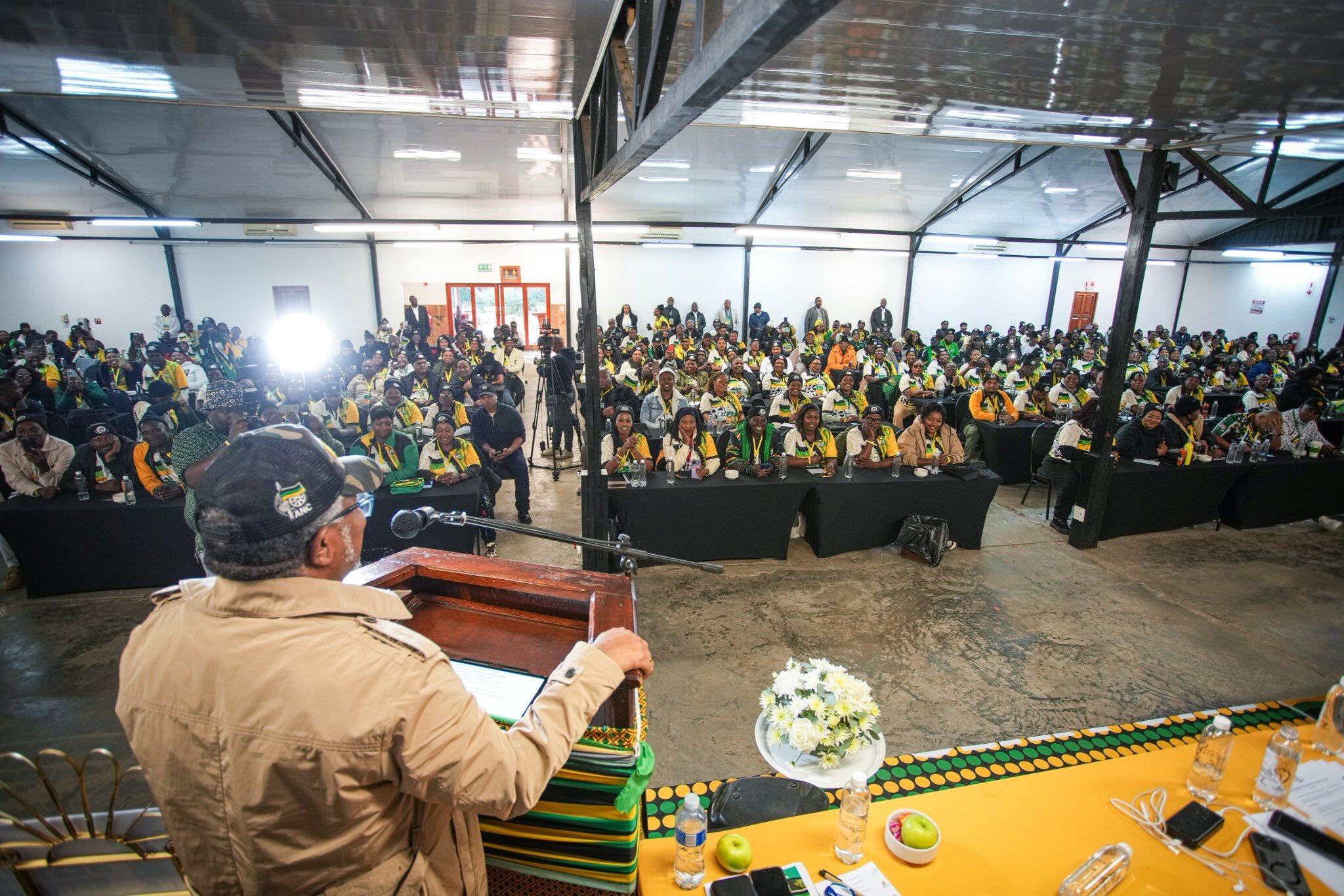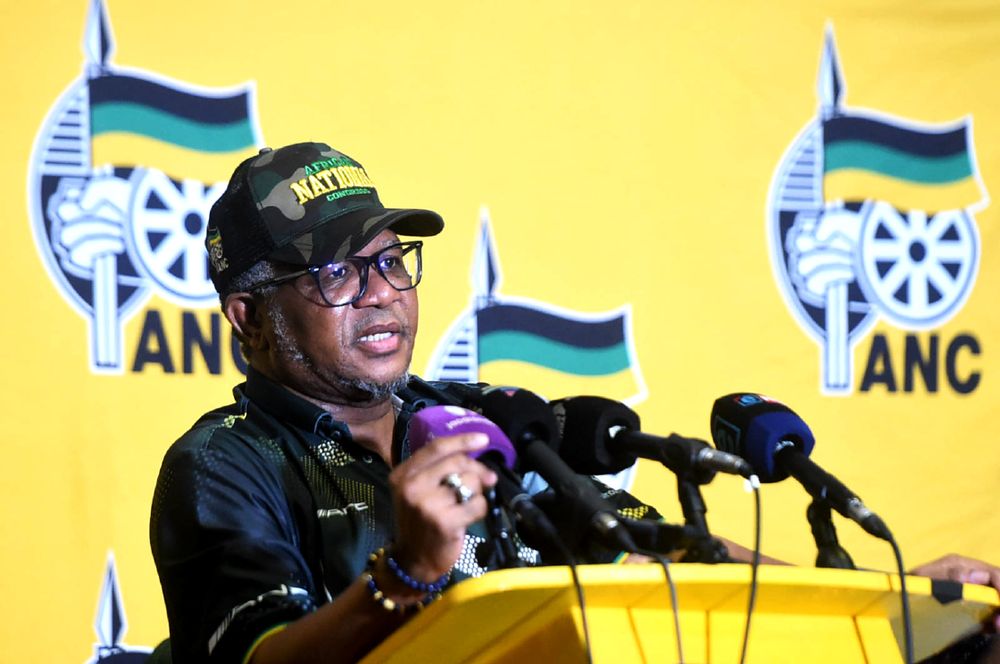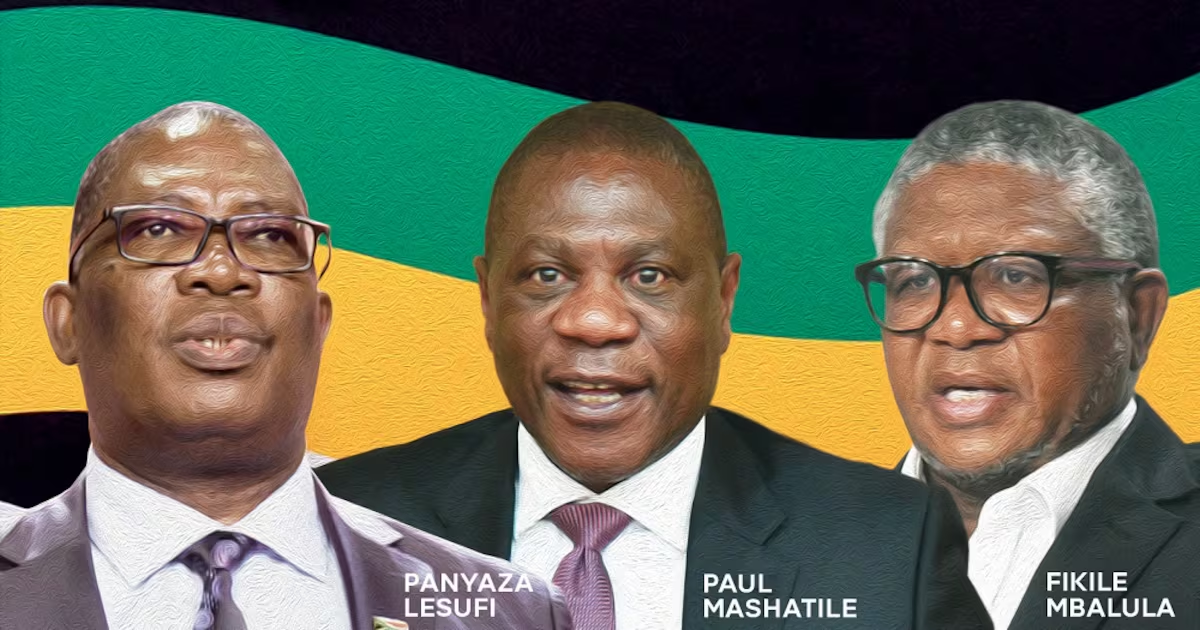
The ANC is entering the most consequential local government election of the democratic era, preparing for a fight it has not yet had with itself. With just more than three months until South Africans vote on November 4, the party that has governed the country since 1994 is spending less energy contesting the DA, ActionSA or EFF than it is managing a widening rupture between its own leaders, one that stretches from branch general meetings in the Eastern Cape to the ANC’s regional conference rooms in Johannesburg and, ultimately, to the question of who succeeds Cyril Ramaphosa in 2027. The roots of the strain lie in the arithmetic of 2024. The ANC’s collapse to 40.2% support forced it into a government of national unity (GNU) with the DA and a cluster of smaller parties, a coalition explicitly built to exclude the EFF and MK. Political analyst Sandile Swana has argued that this arrangement produced two new camps inside the party that did not exist in quite the same form before: those who want to deepen co-operation with the DA and entrench the GNU as the ANC’s long-term governing model, and those who want it dissolved in favour of realignment with parties to the ANC’s left. It is this fault line, more than any single personality clash, that now organises much of the ANC’s internal politics, and it will be tested directly at the ballot box in November before it is tested again at the party’s national elective conference in December 2027. The personalities attached to these camps are well known. ANC secretary-general Fikile Mbalula has repeatedly and publicly shut down talk of the 2027 succession, telling delegates at a West Rand regional conference in May that he would not be “blackmailed” over the matter and that the party’s focus had to remain on winning the local elections first. Yet the succession conversation refuses to die precisely because it is entangled with the GNU question. Gauteng premier and provincial ANC chair Panyaza Lesufi has emerged as a genuine contender for the top job, boosted by a striking public endorsement from business person Patrice Motsepe, even as Lesufi has also signalled he may step back from top-seven ambitions altogether. Deputy president Paul Mashatile retains institutional support from ANC Gauteng structures, and Mbalula himself is regularly named alongside both men. What unites the speculation is that none of it can be separated from the local government campaign now under way because performance in November will shape who enters the 2027 contest with momentum and who enters it diminished. Nowhere has this proxy war been clearer than in Johannesburg, the party’s most closely watched and most damaging battleground. The ANC’s Greater Johannesburg regional conference late last year was, by most credible accounts, less a contest over who would chair the party locally than a crystallisation of the national succession fight. Outgoing regional chair and city mayor Dada Morero is widely understood to be an Mbalula ally, one whose position feeds directly into the secretary-general’s provincial and national machinery. His rival camp, associated with deputy mayor Loyiso Masuku and deputy secretary-general Nomvula Mokonyane, represents a competing centre of power within the province. That the ANC’s leadership ultimately turned to a relative outsider, Rev Frank Chikane, to head the party’s Johannesburg mayoral ticket rather than either Morero or Masuku, is itself an admission of how bitter and unresolved that regional rivalry had become. Senior party figures have described Chikane as a stabilising, unifying figure precisely because he is not a captive of either faction, a rare instance of the ANC choosing peace over patronage in its candidate selection. The pattern repeats across the provinces, even where the cast of characters changes. In the Eastern Cape, dozens of disgruntled branches were preparing, as recently as early July, to march on the party’s provincial headquarters over allegations that branch meetings and candidate nominations had been manipulated, a dispute serious enough to have already forced the postponement of the province’s elective conference. The ANC’s own secretary-general has acknowledged that the Free State’s electoral performance continues to be weighed down by persistent factional disputes, that Mpumalanga is still rebuilding from years of factional damage and that even reliable strongholds such as the Eastern Cape and Limpopo cannot be taken for granted without addressing organisational dysfunction. The party’s newly approved candidate selection rules for this election cycle explicitly try to legislate against the worst of this behaviour, disqualifying candidates found buying votes or engaging in factional disruption of branch meetings and formally abolishing the slate politics that has characterised ANC leadership contests since at least 2005. That such rules were considered necessary is itself a measure of how deep the problem runs. Underneath all of this sits a contradiction the ANC has so far avoided resolving explicitly. In Gauteng, the ANC governs the province in a minority administration without the DA, even though the national party has signed a formal coalition agreement with the DA at the centre. Lesufi has, in effect, been caught between a national leadership co-operating with the DA and provincial structures more comfortable working with the EFF, a position analysts say is difficult to reconcile with the improved service delivery Gauteng voters have been promised. The local elections will force the question the party has dodged since 2024: does the ANC campaign as a GNU partner defending a national compromise, or does it campaign as a party trying to claw back the voters it has bled to the EFF and MK on its left flank? It cannot easily do both at once, and November’s results in Gauteng and KwaZulu-Natal, where analysts are forecasting ANC support could dip towards 30%, will supply an answer whether the party intends to give one or not. Compounding all of this is the steady drumbeat of the Madlanga commission, which is investigating allegations of criminal cartel infiltration and corruption within the police and criminal justice system. In January, Ramaphosa was compelled to order a special police task team to investigate 14 officers and Ekurhuleni municipal officials named in the commission’s interim findings, precisely the kind of corruption headline that undercuts any unified campaign message the ANC hopes to project. Party insiders and independent observers alike have warned that voters are tired of watching succession disputes and factional nominations take precedence over governance failures that affect them directly: collapsing infrastructure, water and electricity losses, and stalled service delivery. What makes this local government election different from those that preceded it is that the ANC can no longer treat its internal contest as background noise to the real fight against opposition parties. The factional battle between the Mbalula and Lesufi camps, the unresolved Morero-Masuku rivalry in Johannesburg, and the simmering disputes in the Eastern Cape and Free State are not a subplot to the 2026 elections. They are, in a real sense, the main event and how the ANC absorbs the results on November 4 will determine whether it walks into its 2027 conference as a party that has begun to heal itself or one still consumed by the same fight it started this year with.• Nzimande is the Middle East Africa Research Institute’s Future Voices Scholar for 2025/26. A former Wits student leader, he is completing a master’s degree in neuroscience at the university.
ZIYANDA THANDO NZIMANDE | The ANC is consumed by war with itself
The ANC turning to Frank Chikane as Joburg mayoral candidate is a rare peace offering in a party that developed new schisms after creation of GNU
1,211 words~6 min read