Academia
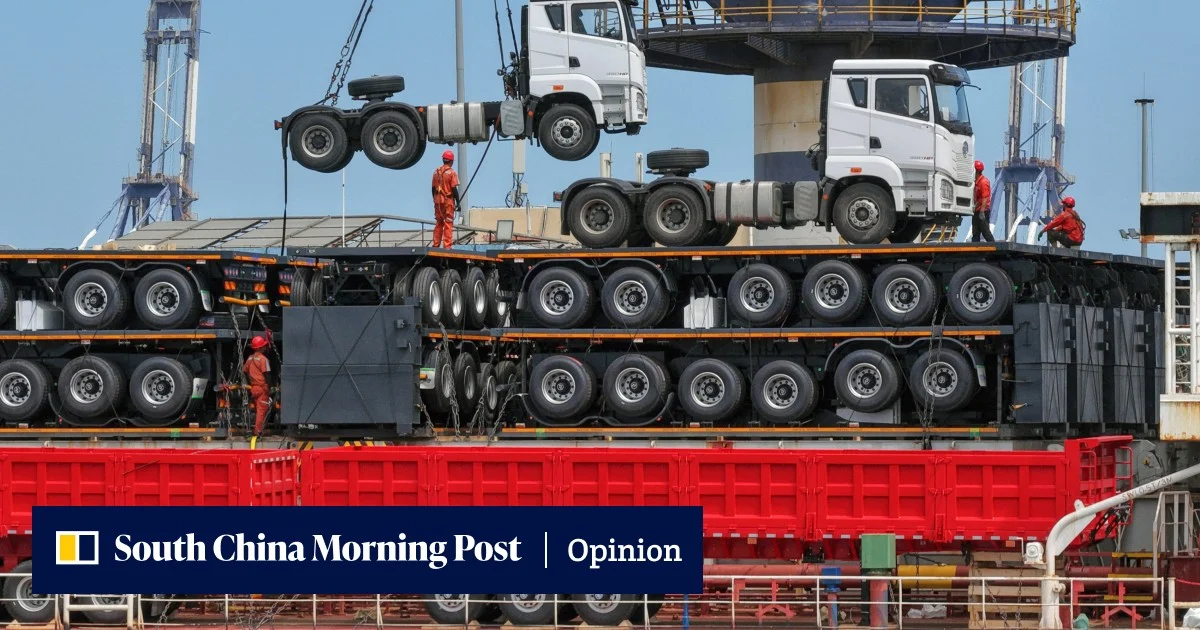
When major economies are running at near full capacity, it is not clear that trade deficits should be a cause for concern, since they represent a transfer of purchasing power from surplus countries. Under the current circumstances, then, China’s widely criticized surpluses might as well be called enrich-thy-neighbor.
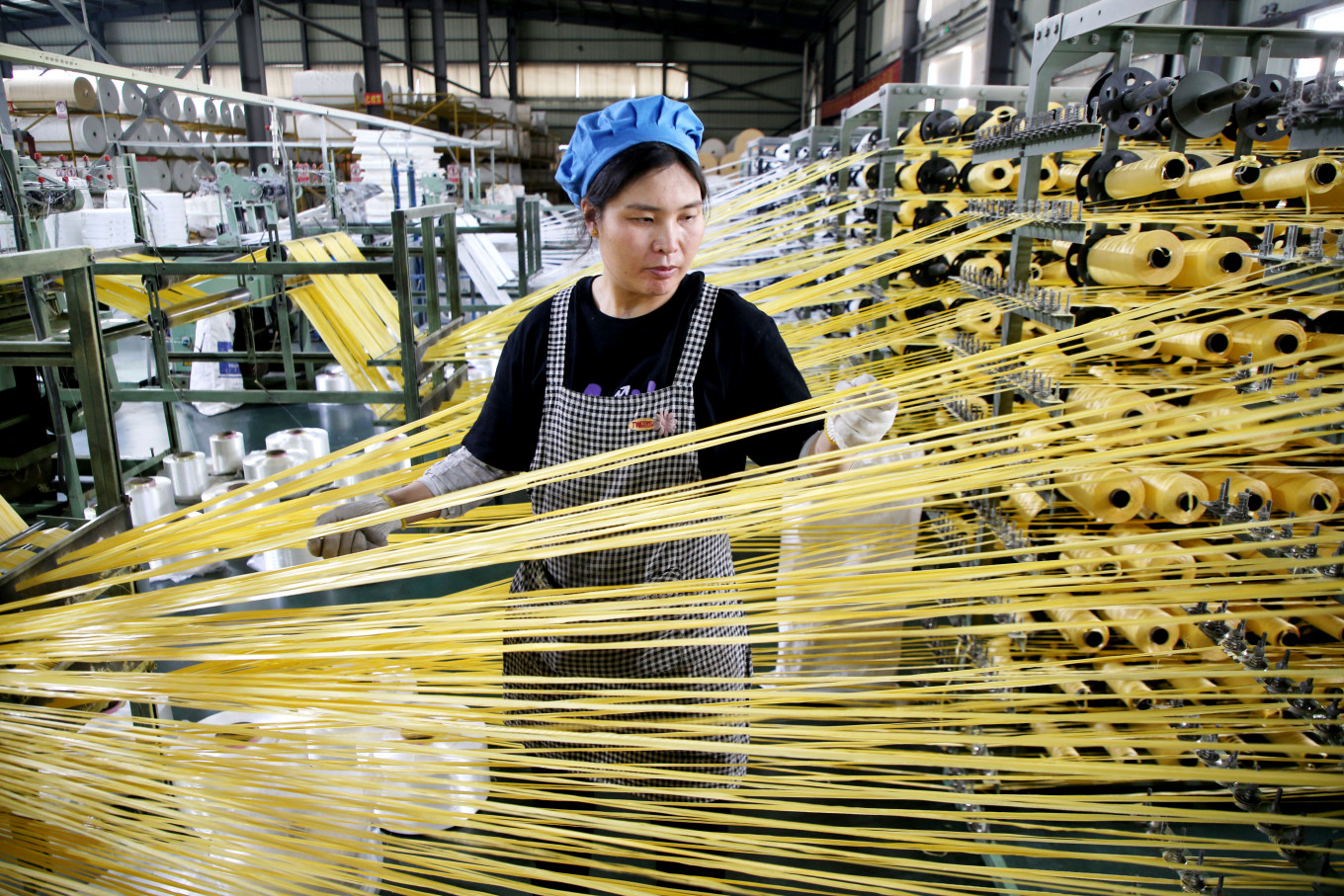
A worker monitors products for export at a packaging factory in Lianyungang, in China's eastern Jiangsu Province, on May 18, 2026. (AFP/STR)
As China continues to capture global markets in manufactures and its trade surpluses grow, it is increasingly viewed elsewhere as a country whose economic growth comes at the expense of the rest of the world. China’s industrial policies and growth model at large, the critics complain, are beggar-thy-neighbor.The term “beggar-thy-neighbor” has an interesting history. It refers to an old children’s card game in Britain, as depicted in Charles Dickens’s 1861 novel Great Expectations, where the objective is to win all the cards in the deck. It made its first appearance in economics in Adam Smith’s portrayal of mercantilist thought in Wealth of Nations. Mercantilists mistakenly taught nations, wrote Smith, “that their interest consisted in beggaring all their neighbors.”