Economics
Apr 20, 2026
Shang-Jin Wei
China’s trade surplus is often blamed on its industrial policies. In reality, however, it reflects a persistent gap between savings and investment, driven by demographic pressures and financial constraints that shape household behavior and restrict private firms’ access to credit.
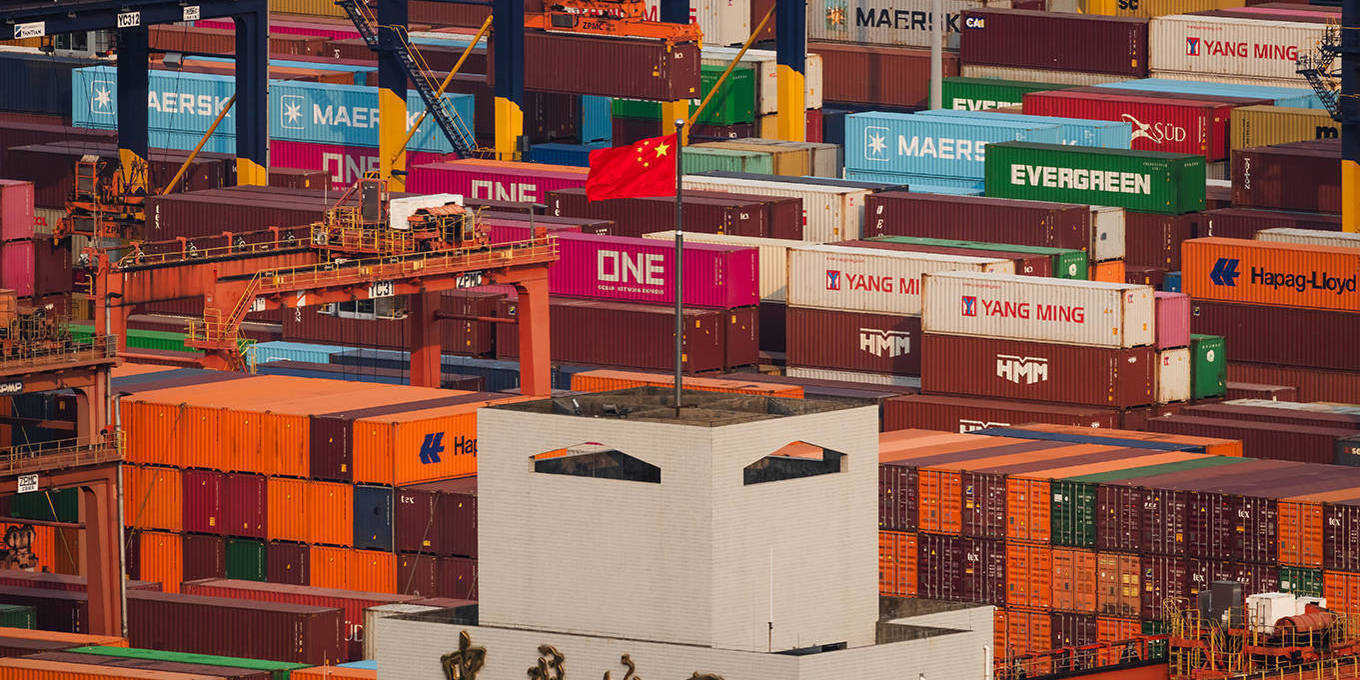
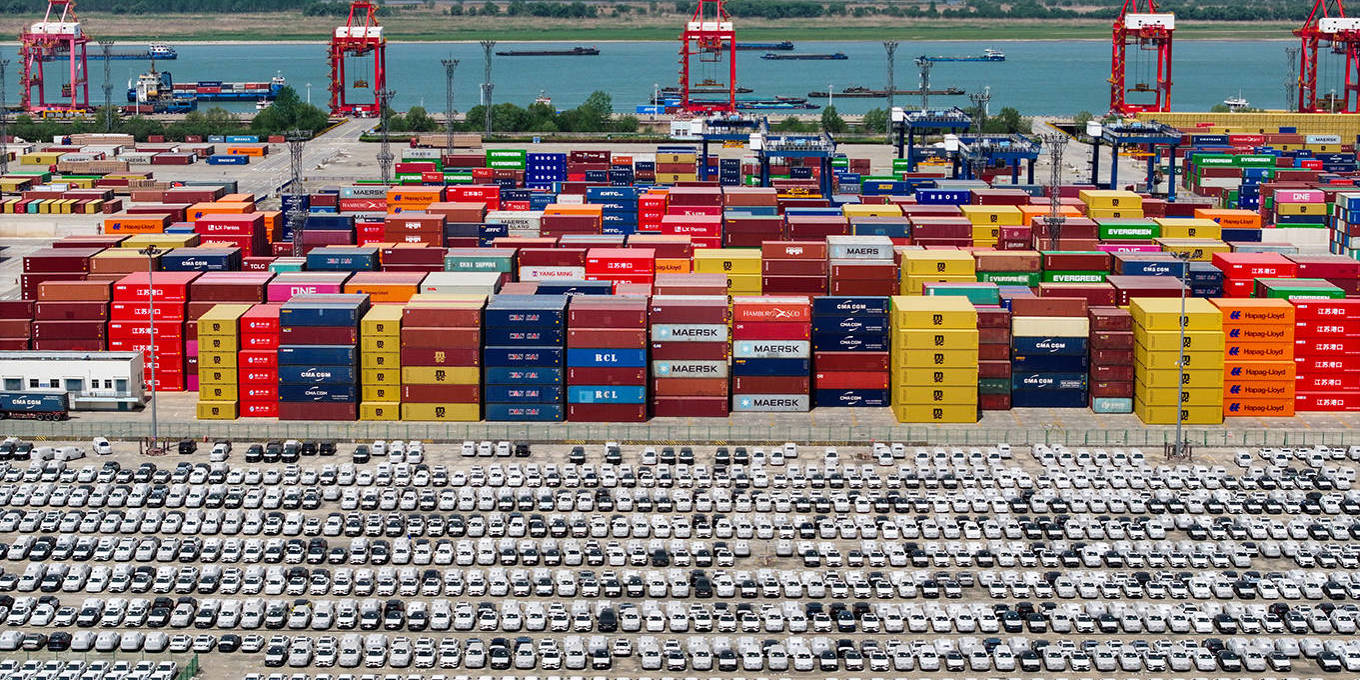
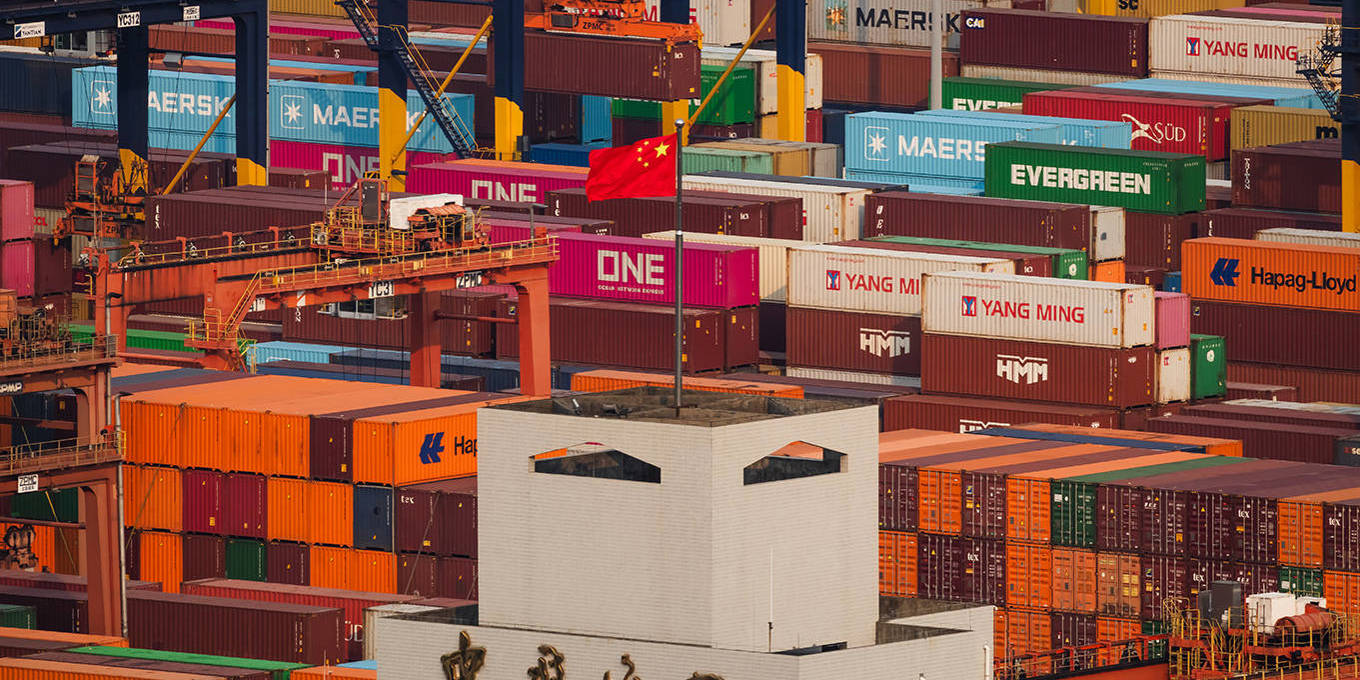
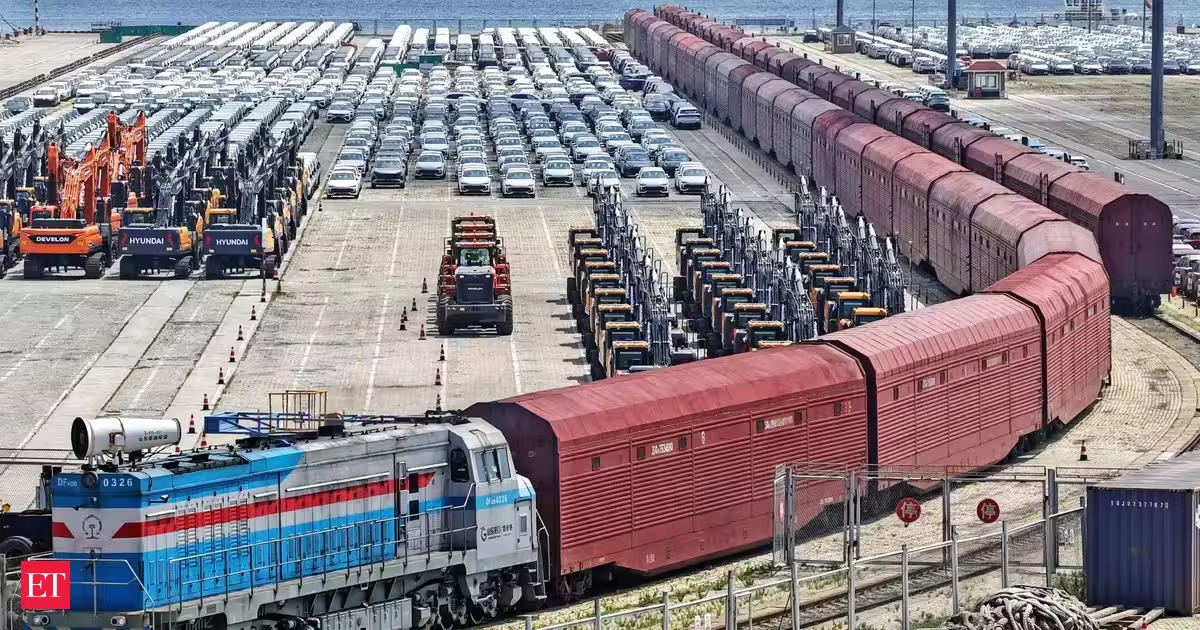
NEW YORK—China’s massive trade surplus, which reached a record of $1.2 trillion in 2025, has become a central fault line in its economic relations with other countries. As competition from Chinese imports increasingly weighs on domestic industries, French President Emmanuel Macron has warned that Europe faces a “Chinese tsunami” and called for a “rebalancing.” Policymakers across the continent have voiced similar concerns.