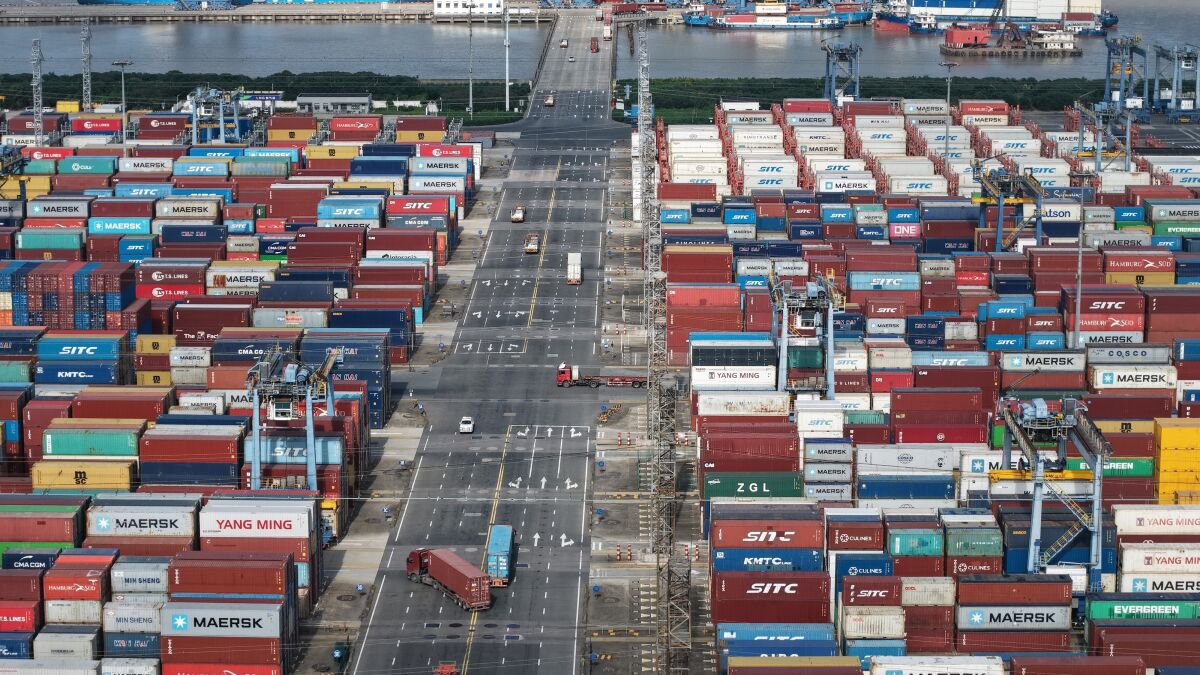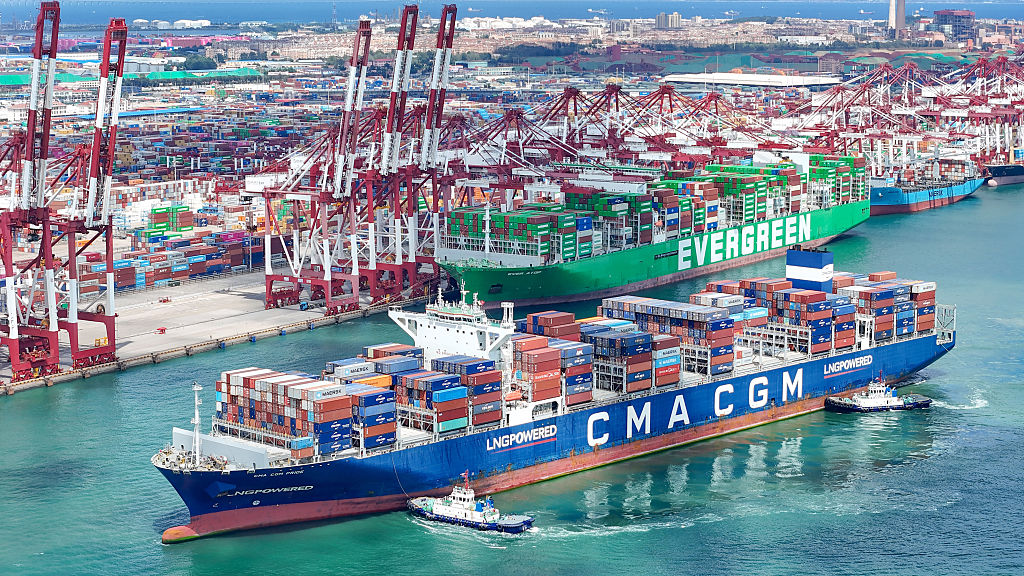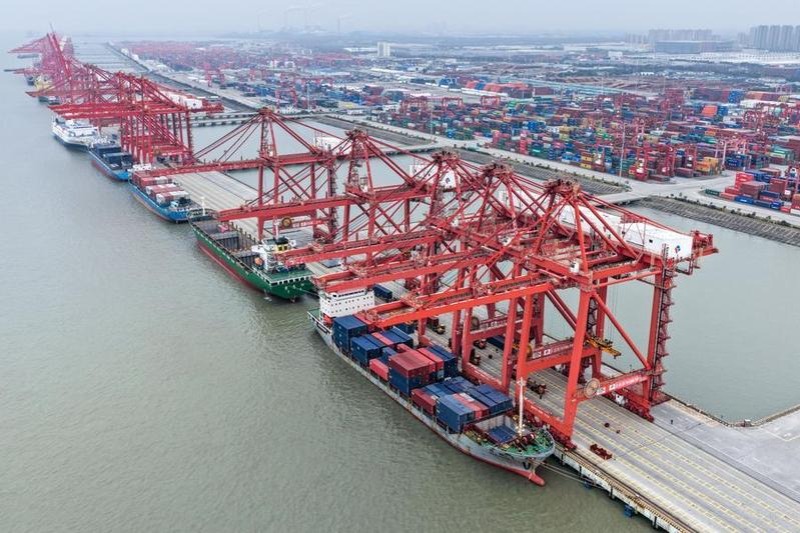
An aerial drone photo taken on March 20, 2026 shows a container terminal of Taicang Port in East China's Jiangsu province. [Photo/Xinhua]
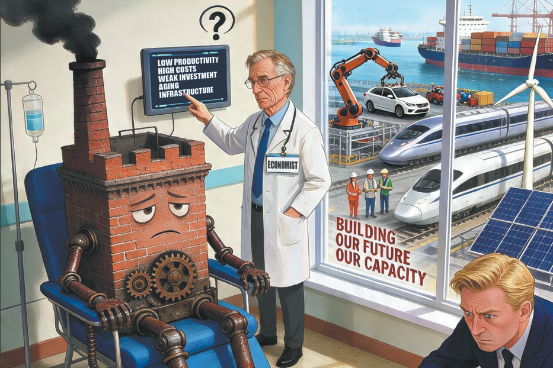
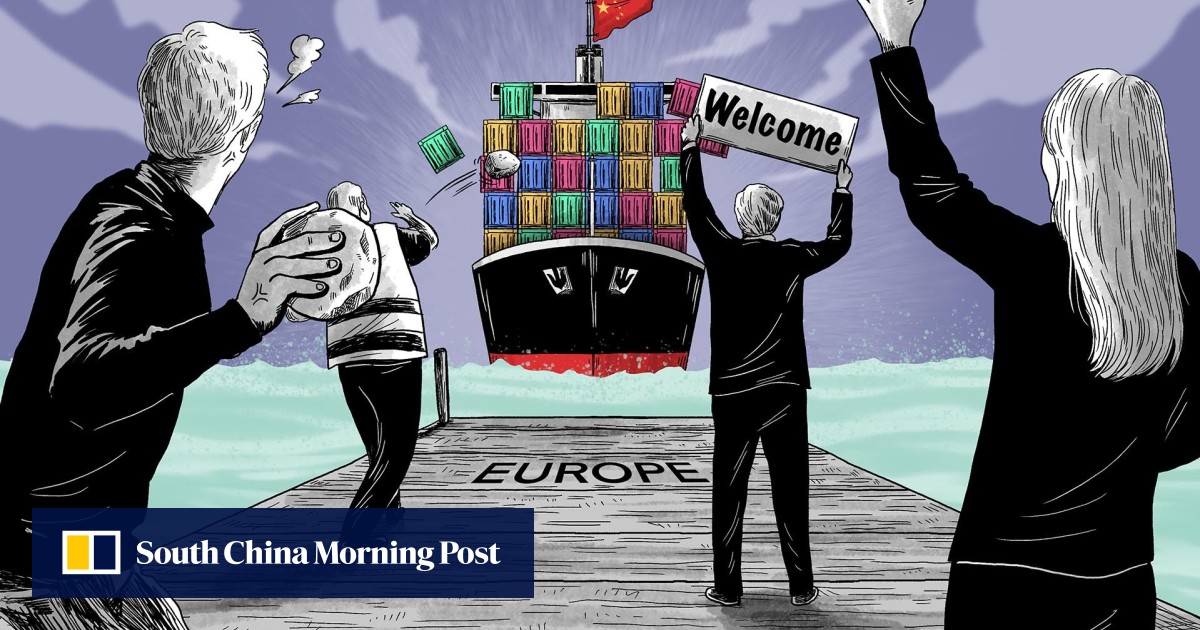
European politicians, think tanks and media have been ramping up the narrative of so-called "trade imbalance", claiming that Chinese industrial subsidies, weak domestic demand and fierce domestic competition have created "overcapacity" and led to a widening surplus with Europe.
Chinese exports, according to them, are a "threat". The remedy from Brussels is "rebalancing" and "de-risking".
But when I sat down with European business leaders over the past months, I have heard the other side of the story, one of deepened commitment and, in particular, continued confidence.
For much of the past two decades, Europe exported high-end machinery, precision instruments, luxury goods and automotive technology. China exported consumer electronics, textiles and assembled manufactured goods. Each side occupied a distinct tier in the global value chain.