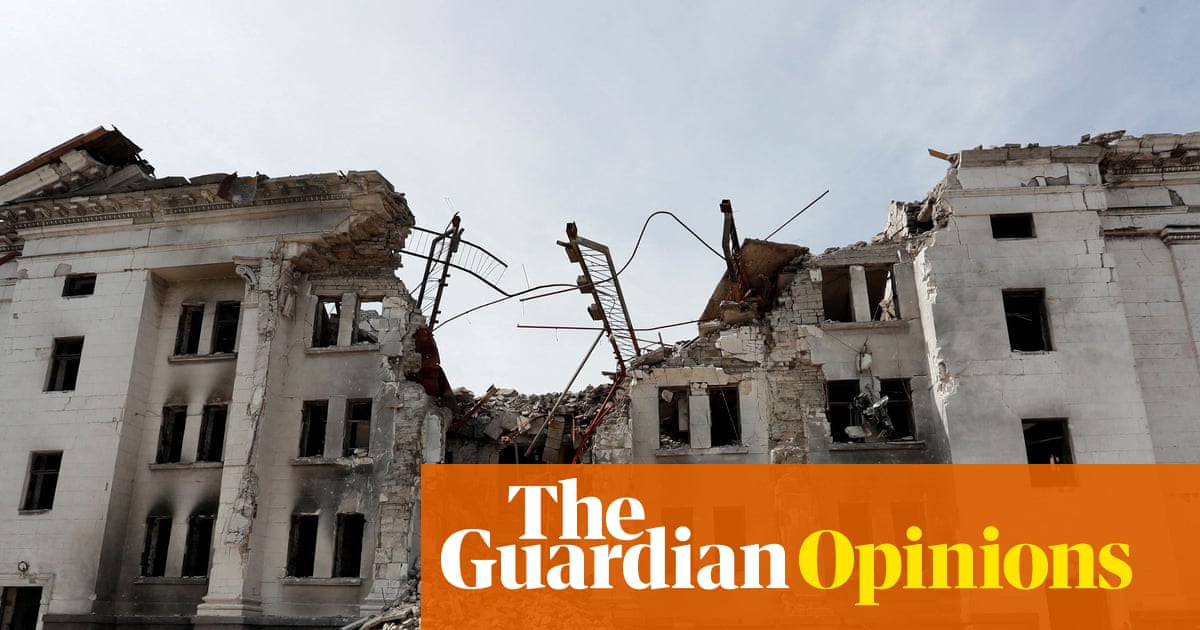
‘The nonsense was over at last,’ wrote the Lithuanian-Polish poet Czeslaw Milosz in 1939, as a period of uncertainty gave way to the horrors of the second world war. Charlotte Higgins quotes these words at the beginning of Ukrainian Lessons, describing the outbreak of full-scale war in Ukraine after eight years of ‘local’ warfare in the Donbas and the annexation of Crimea. From the first pages of this profound study of the impact of war on culture, replete with life stories, the author places the Russo-Ukrainian conflict within the context of global cultural history and geopolitics. References to Rwanda in 1994 and the bloody events in Londonderry in 1972 are in no way out of place.
Artists, writers, musicians and filmmakers begin to perceive culture not only as a victim but as a weapon
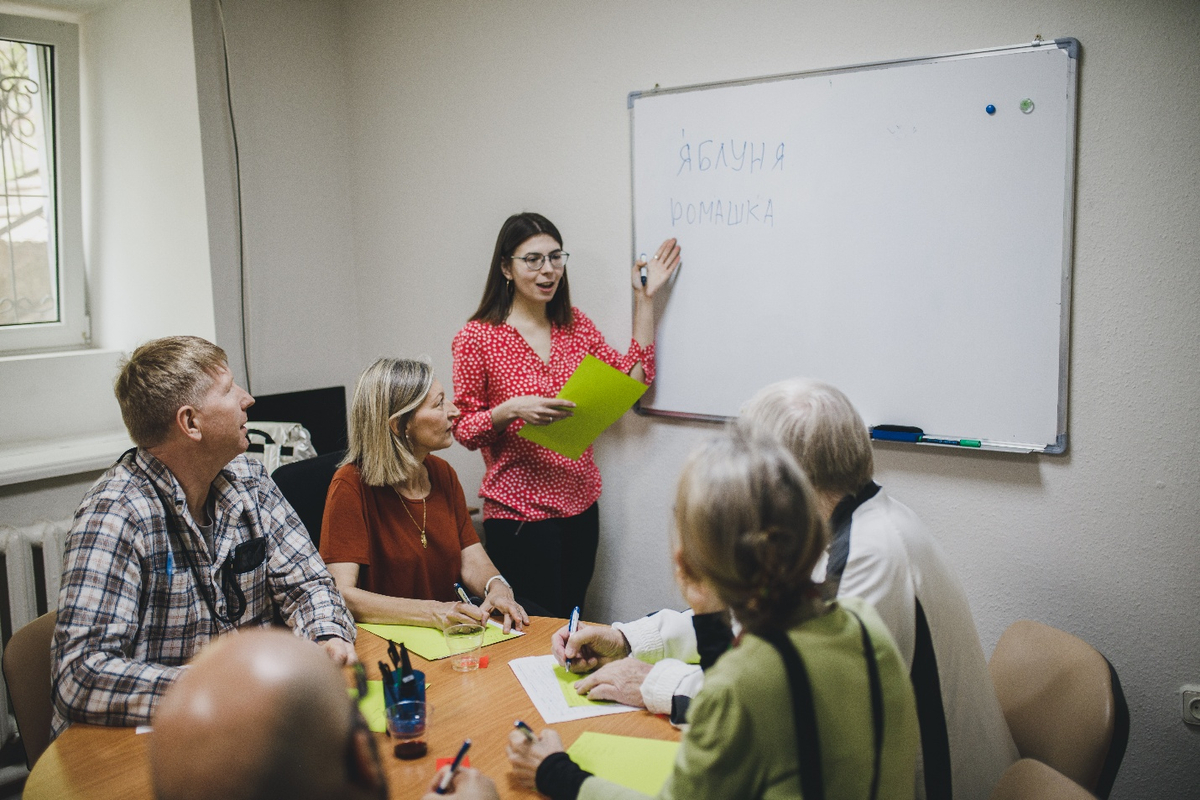
Higgins, a celebrated arts journalist, took up her first Ukrainian assignment in September 2022 and found herself both ‘inside’ the war and inside Ukrainian culture, which, like everything else, had become the target of Russian drones and missiles. The same autumn she began taking language lessons online from a teacher living in Ternopil.
Her latest book is about Ukrainian culture, which is at war with Russian culture, and has regularly fallen victim to Russian imperialism. It is filled with the stories of artists, writers and poets whose voices I recognise, and is organised not in chapters, but in ‘lessons’, each with a date.