Putin’s invasion has seen Ukrainian book lovers recoil from Russian literary dominance, by a range of means
One day this summer, the Ukrainian artist Stanislav Turina took two of his books to his garden near Kyiv. One was a volume of poems by Alexander Pushkin.
But Turina – a voracious reader, never without a couple of books in his backpack – had no plans to pick it up again.
The 19th-century Russian has acquired a troubling resonance in Ukraine since the 2022 full-scale invasion of the country. He is frequently used by the invaders as a symbol of Russianness: huge posters depicting the writer were for example erected in the southern city of Kherson during its occupation.
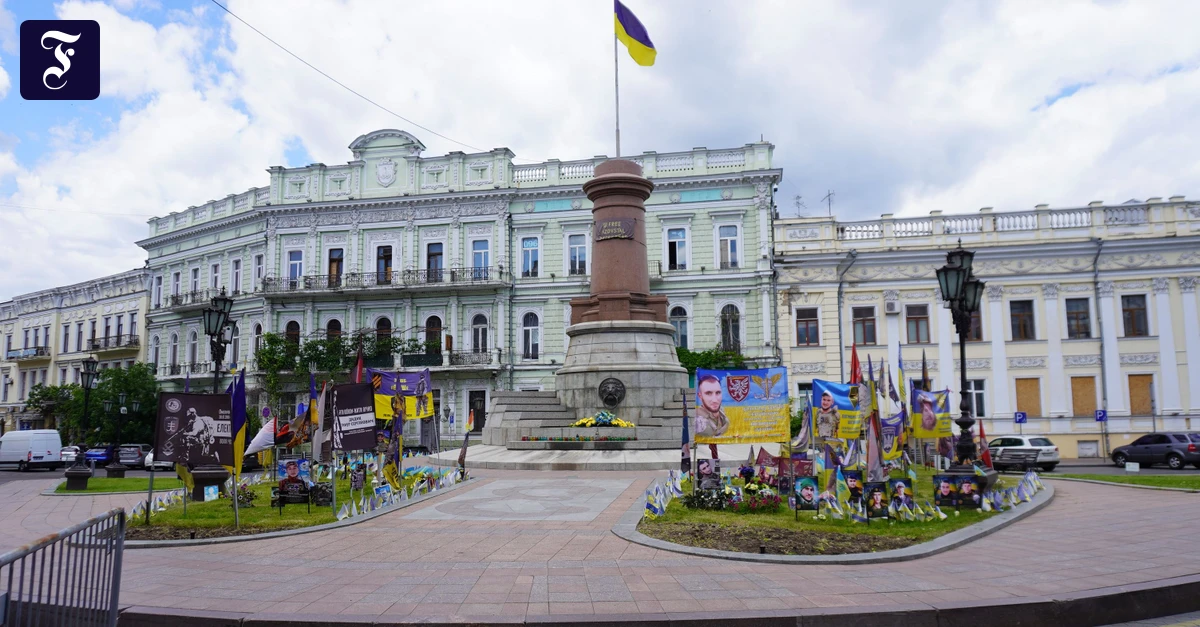
For many in Ukraine, it shows Pushkin is being co-opted as a cultural weapon in Russia’s war. Some would also argue that Pushkin’s poetry reinforced, and even helped form, Russia’s imperial ideology. Numerous statues of the writer have been dismantled since 2022 while many streets named after him (there were at least 594 in 2018) have reverted to their former names, or been given new ones.