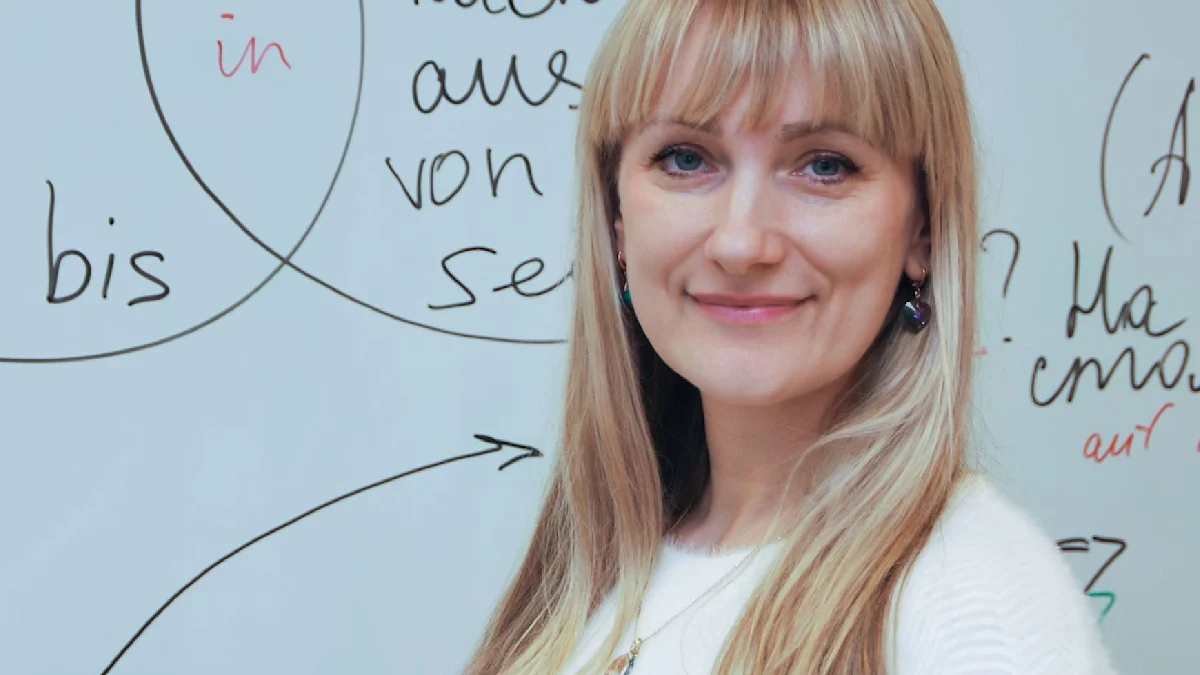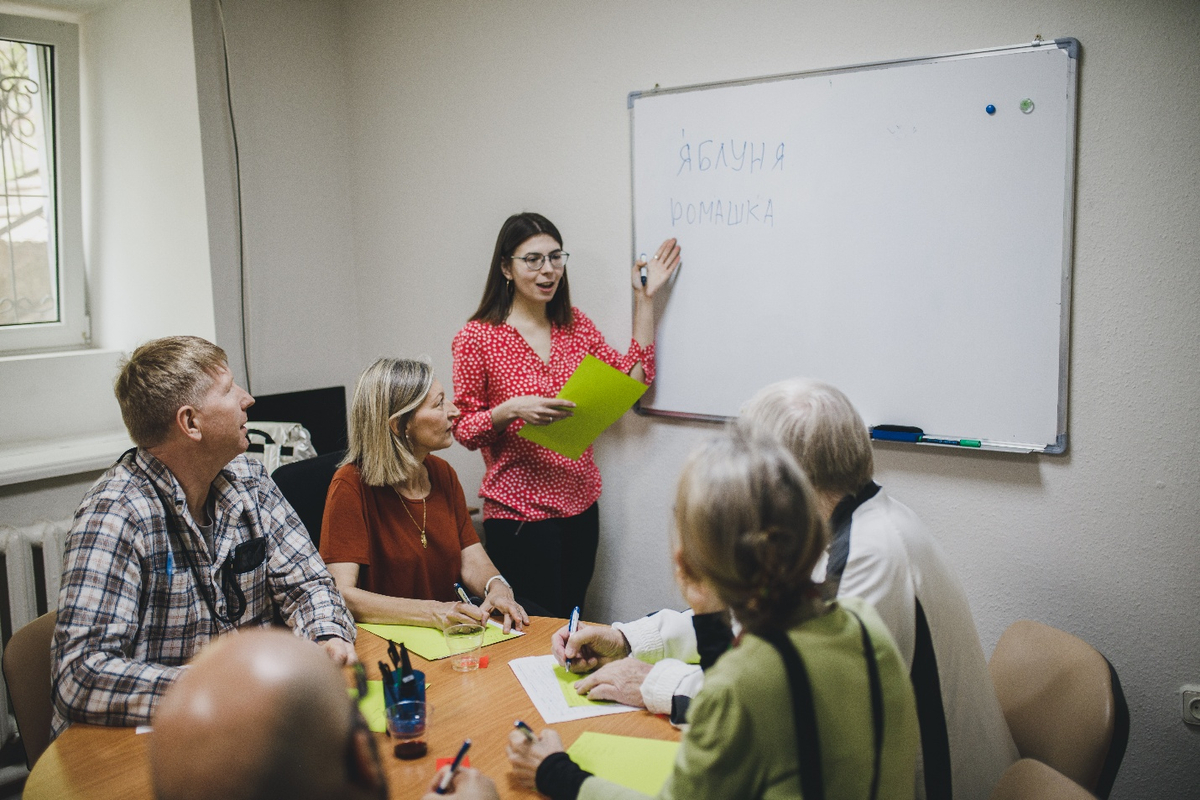
On a typical day at Language Lab in Kyiv, a class might include a UN staffer, a foreign volunteer, a journalist on assignment, or a soldier working alongside Ukrainian forces. The lesson might cover drone terminology, air raid vocabulary, or – on at least one memorable occasion – a student’s heartfelt request to learn Ukrainian swear words about Russians. “Let’s learn some swear words about Russians today,” one student told teacher Natalia Antonenko after arriving to class following a shelling. “And I replied, ‘What a wonderful idea. Start writing.’”JOIN US ON TELEGRAMFollow our coverage of the war on the @Kyivpost_official. Language Lab Teacher Natalia Antonenko (Photo Language Lab) The anecdote is funny, and Antonenko tells it with obvious warmth. But it also captures something real about what teaching Ukrainian has become since February 2022 – something that goes well beyond conjugations and vocabulary lists. A different kind of classroom The teachers at Language Lab are candid about how much their work has changed. Gone are lessons about airport check-ins or hotel bookings. In their place: words for types of missiles, tourniquet use, child abductions, post-traumatic stress disorder, how to ask for help during a shelling.
‘This Is My Personal Contribution to Ukraine's Victory’
The teachers of Language Lab in Kyiv are doing more than teaching Ukrainian to foreigners. They are part of a quiet front line of their own.
1,021 words~5 min read