Even if you aren’t Ukrainian, it is still likely that you took part in a small language revolution after the invasion of Ukraine. A lot of us altered our pronunciation and spelling of the Ukrainian capital city, Kyiv, following Russia’s full-scale invasion on Feb. 24, 2022, when news outlets rapidly published pieces recommending we call the city Kyiv, not Kiev. “Kiev” transliterates its Russian name and pronunciation, ending in more of an “eh” than an “ee.” In the 20th century, Soviet power and delicious chicken Kievs ossified this pronunciation for most of the Western world, and this, Ukrainians argue, is textbook Russification: the ongoing attempts of the Russian government to acculturate Ukrainians into its Russo-sphere.
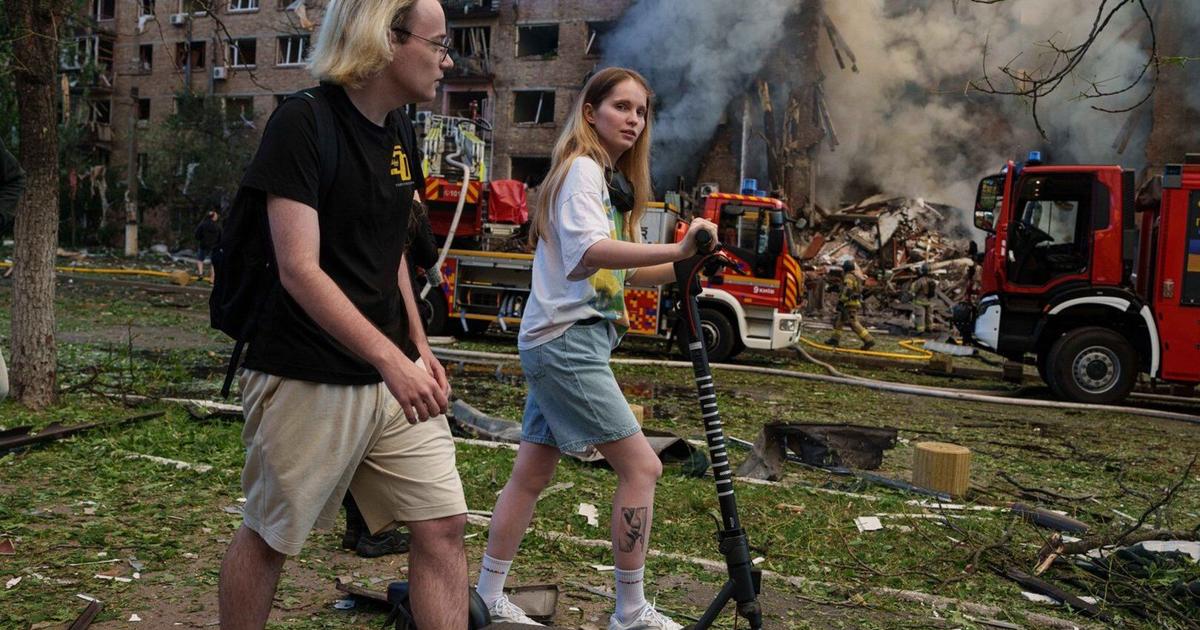
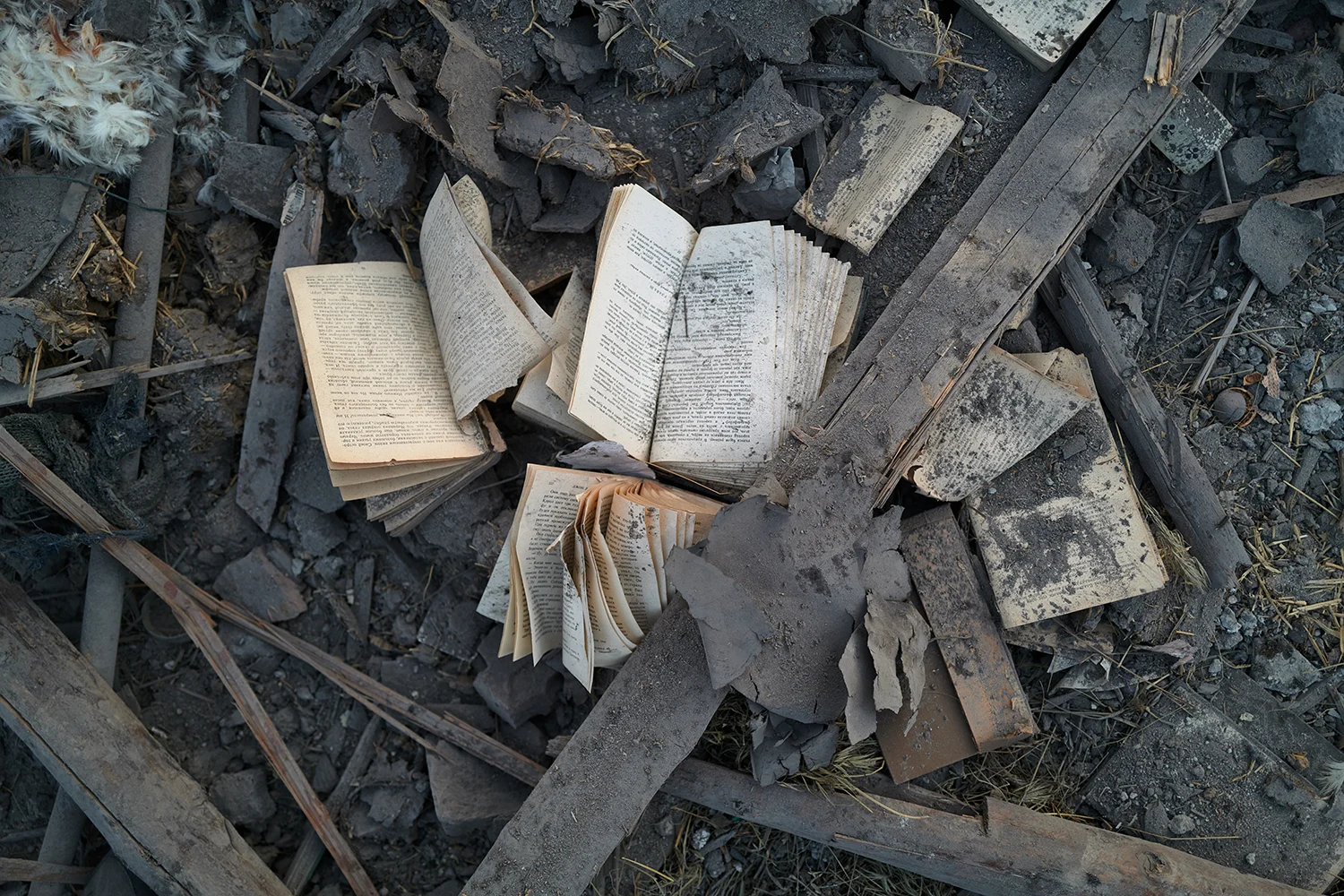
Even though the Ukrainian government had long attempted to change this exonym with the Twitter hashtag #KyivNotKiev, it was Russia’s assault that gave the West the most convincing impetus for word change. All of us who have pronounced Kyiv correctly since have fired a shell over the linguistic frontline—including some British supermarkets, which renamed the classic dish “chicken Kyiv.” In the meantime, Russia has steamrolled through Ukrainian sovereign territory with an unparalleled destruction of its language; wherever it has occupied since 2022, it has dismantled Ukrainian-language road signs, imposed Russian as the language of instruction and public life, and even seized and destroyed Ukrainian books. Ukrainians have reacted to this viscerally, from ordinary people all the way up to the top of government. This ongoing conflict reveals not only how languages become weapons of war, but how an occupied country may respond when it has its language, as well as its nation, to defend.