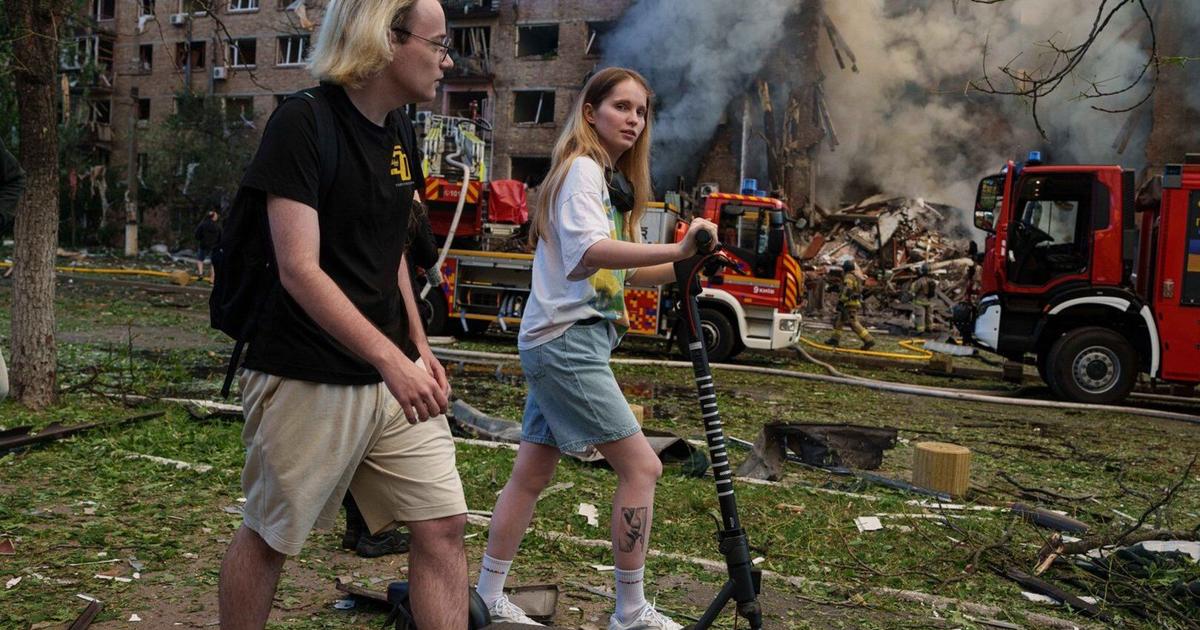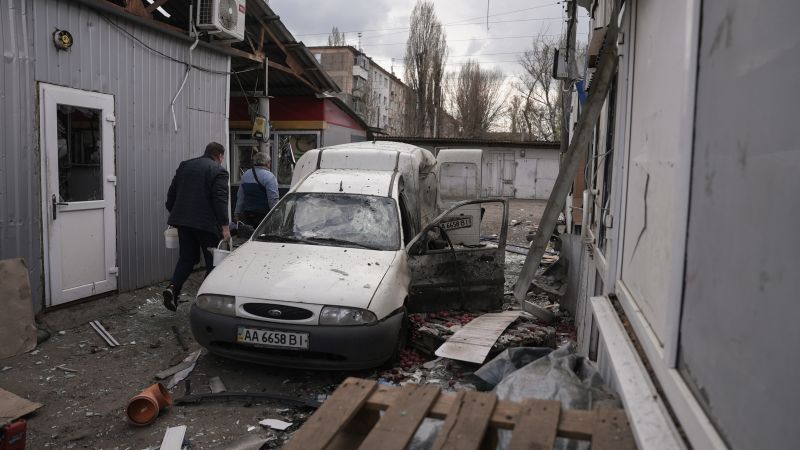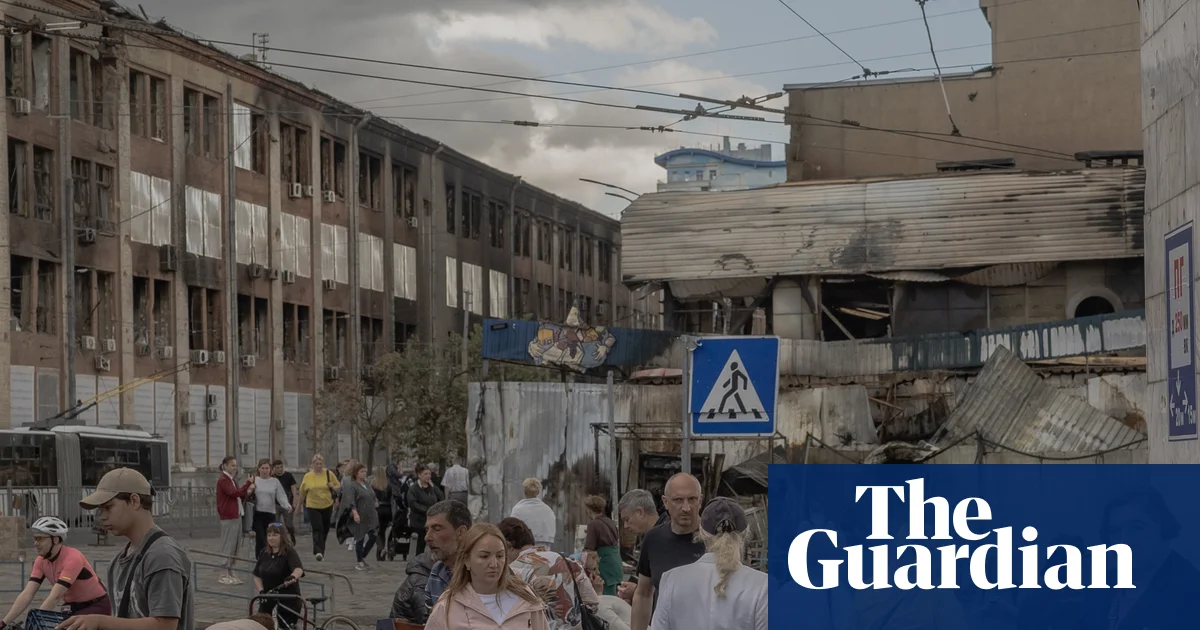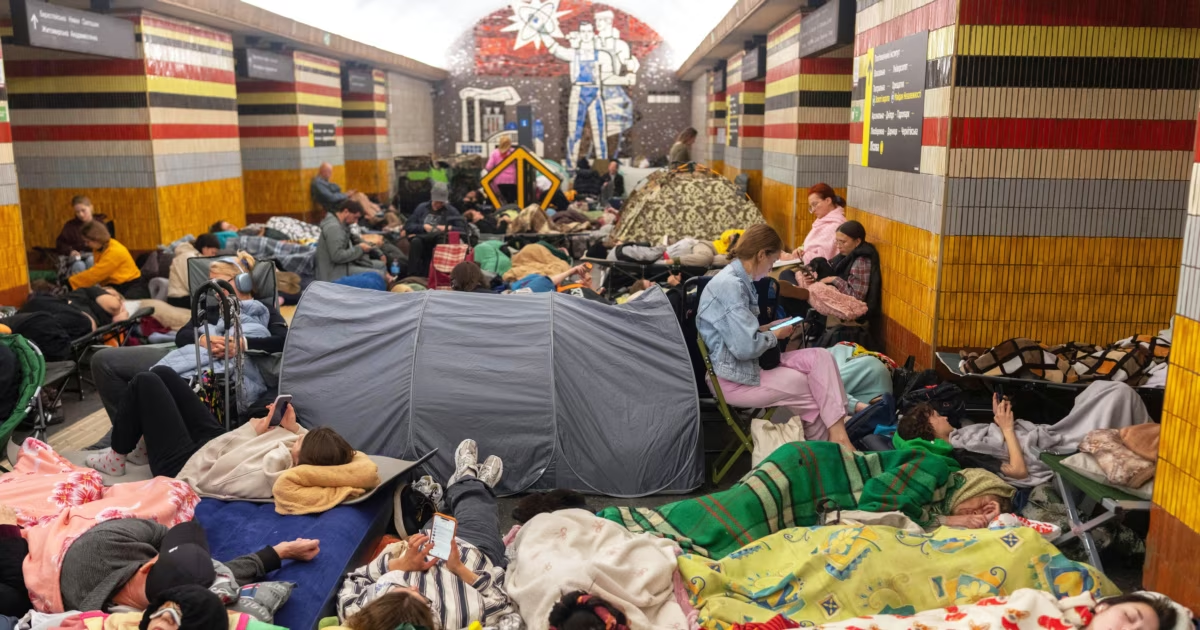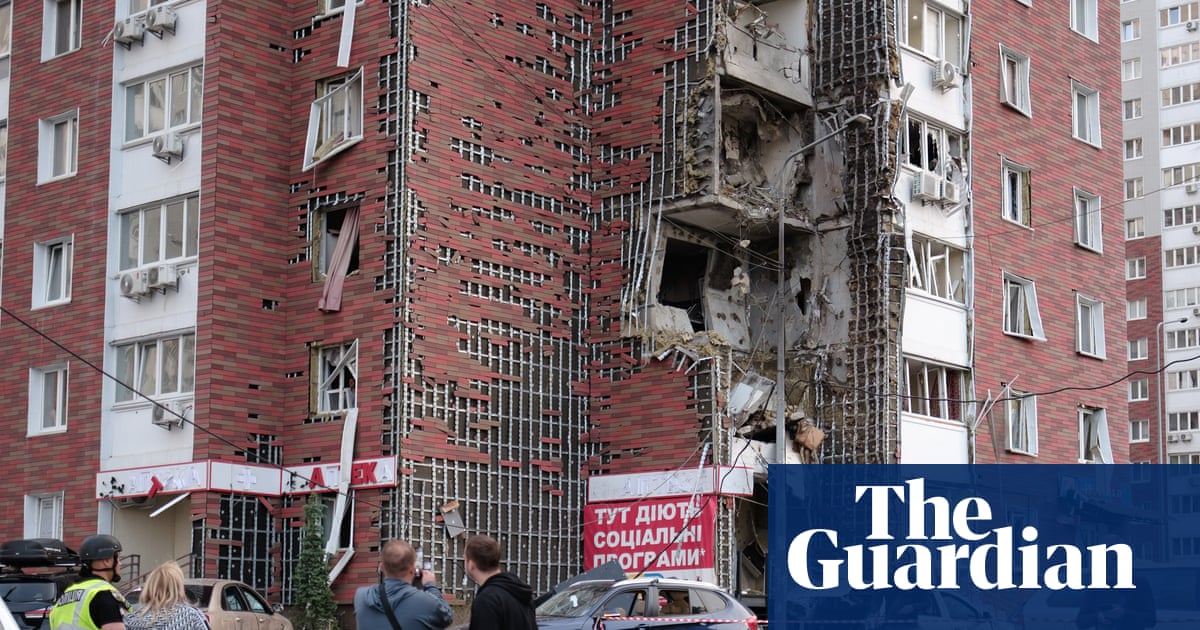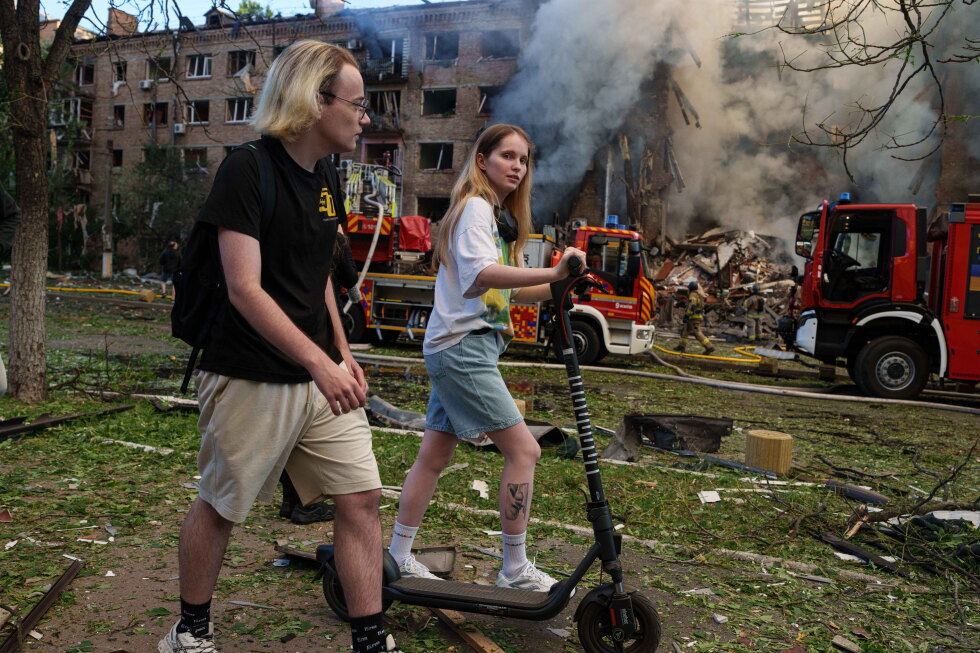
KYIV, Ukraine (AP) — Residents of Kyiv’s historic Lukianivka neighborhood share a dark joke: Russian strikes hit the area so frequently, they ought to be issued military service documents as though they are living on the front line of the war.Real estate agent Dmytro Zhekov acknowledges the danger up front when he tries to draw prospective renters to one of the Ukrainian capital’s most frequently bombed areas. In his sales pitch on social media, he highlights the neighborhood’s many virtues: affordable rents, easy access to the city center, a well-connected metro line and historic landmarks.“From the beginning I tell them, ‘This is a place in the danger zone. It gets hit regularly. If you are all right with that, then we can see it,’” he said.The district includes a Soviet-era weapons plant that has become one of Russia’s most frequent targets in Kyiv, with its roof blackened by repeated strikes. Across the street, the Lukianivka metro station, which gives the neighborhood its name, has been hit at least eight times. During air raids, it also serves as a shelter for residents. Craters have become a permanent part of the urban landscape.Residents no longer ask whether Lukianivka will be hit again, only when. Living in the neighborhood means reopening businesses beside the charred ruins of a market, cutting hair in buildings scarred by shrapnel, moving theater performances underground and choosing to rebuild rather than leave.
In one of Kyiv's most frequently bombed neighborhoods, residents choose to stay
Kyiv’s historic Lukianivka neighborhood offers affordable rents, easy access to the city center, a well-connected metro line and historic landmarks.
1,223 words~6 min read