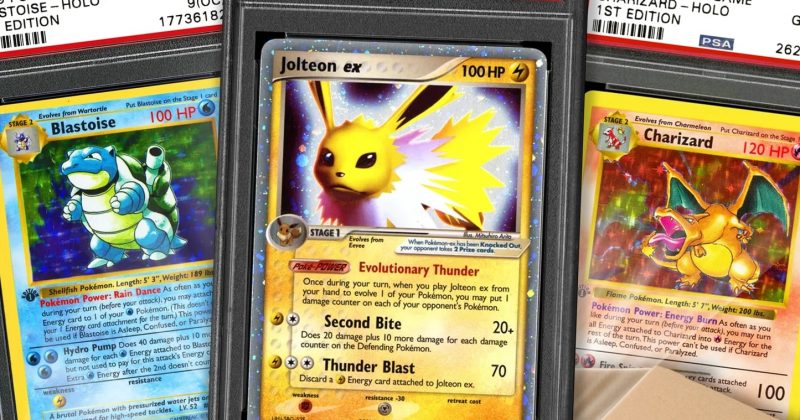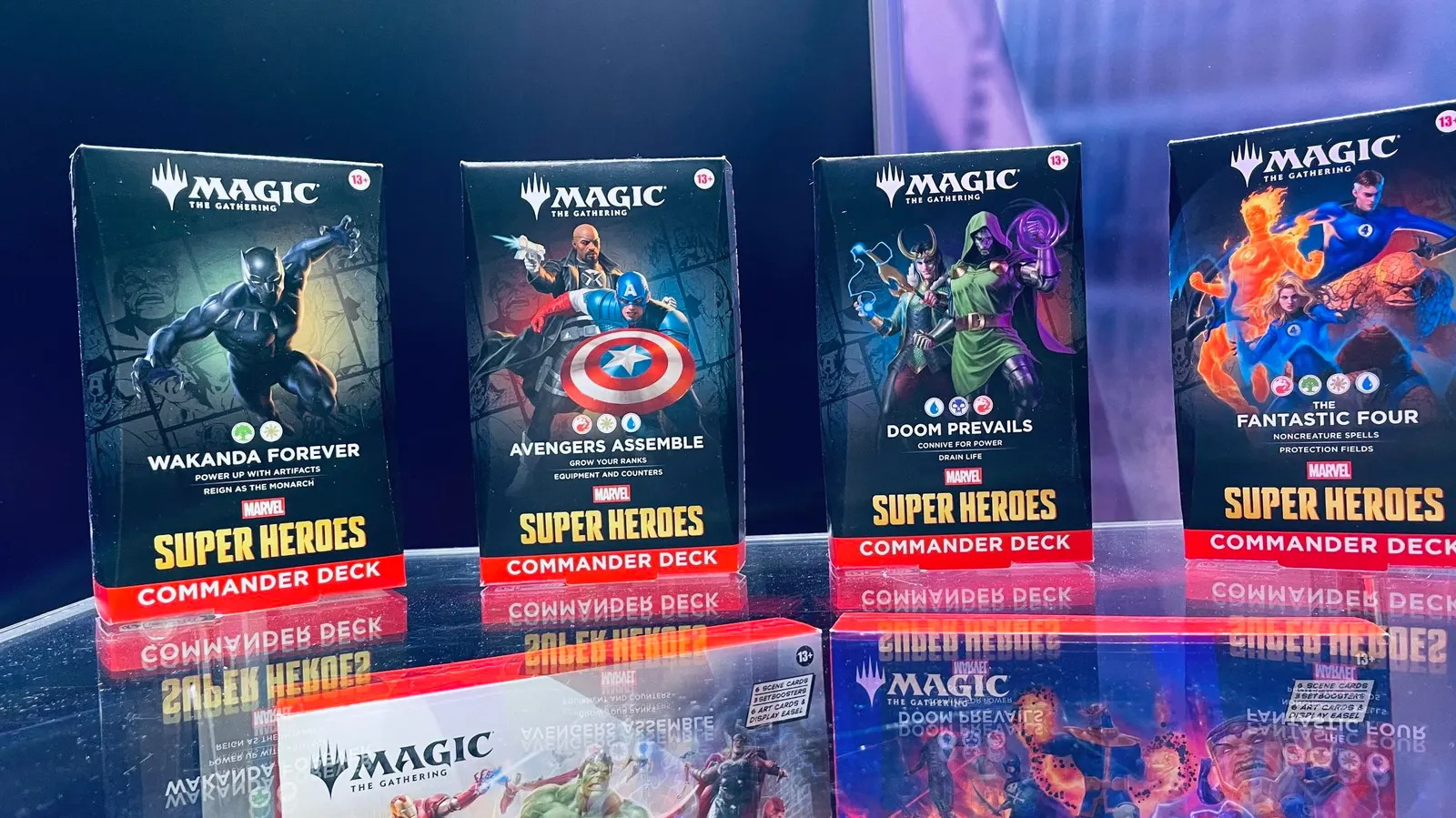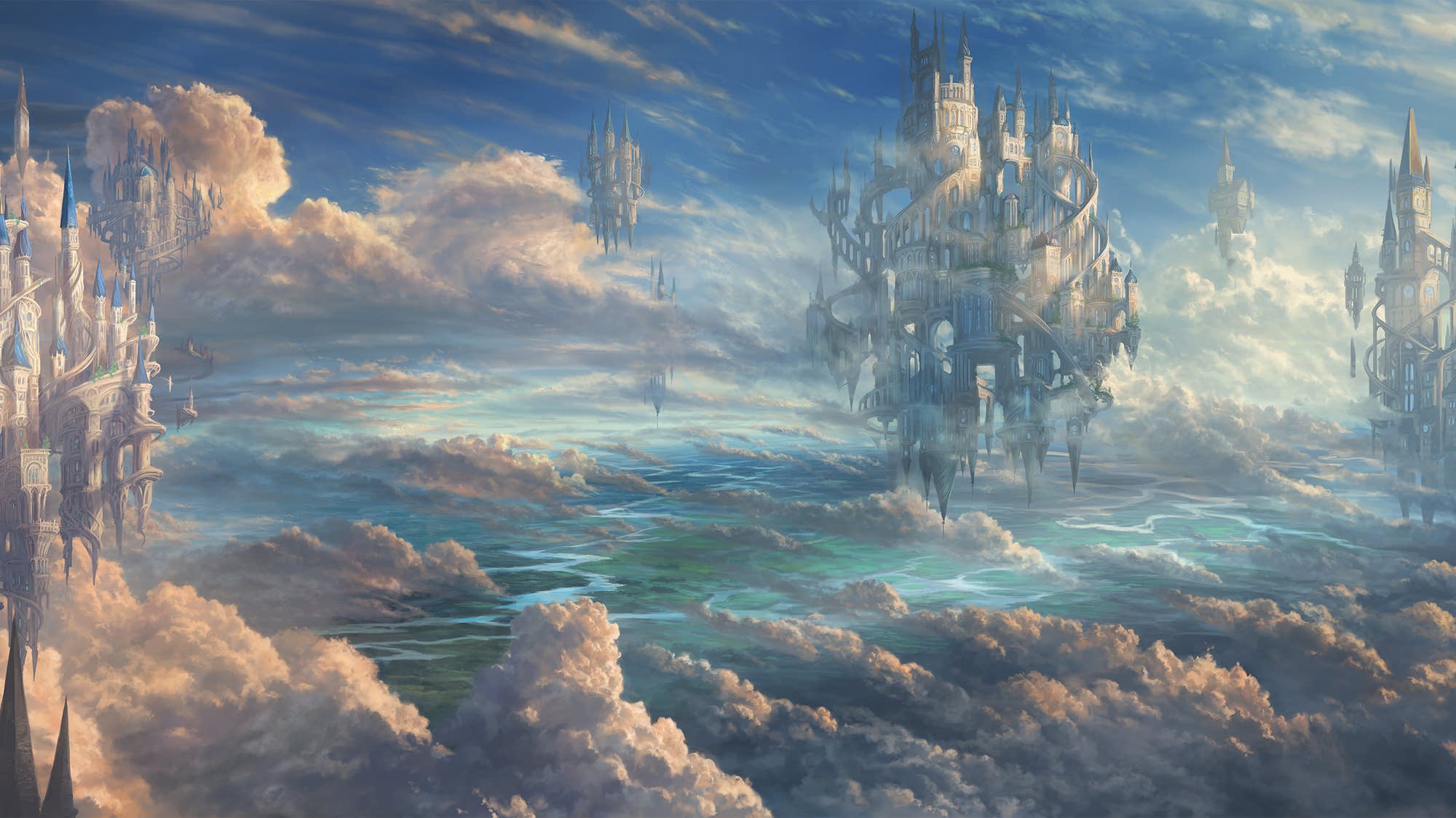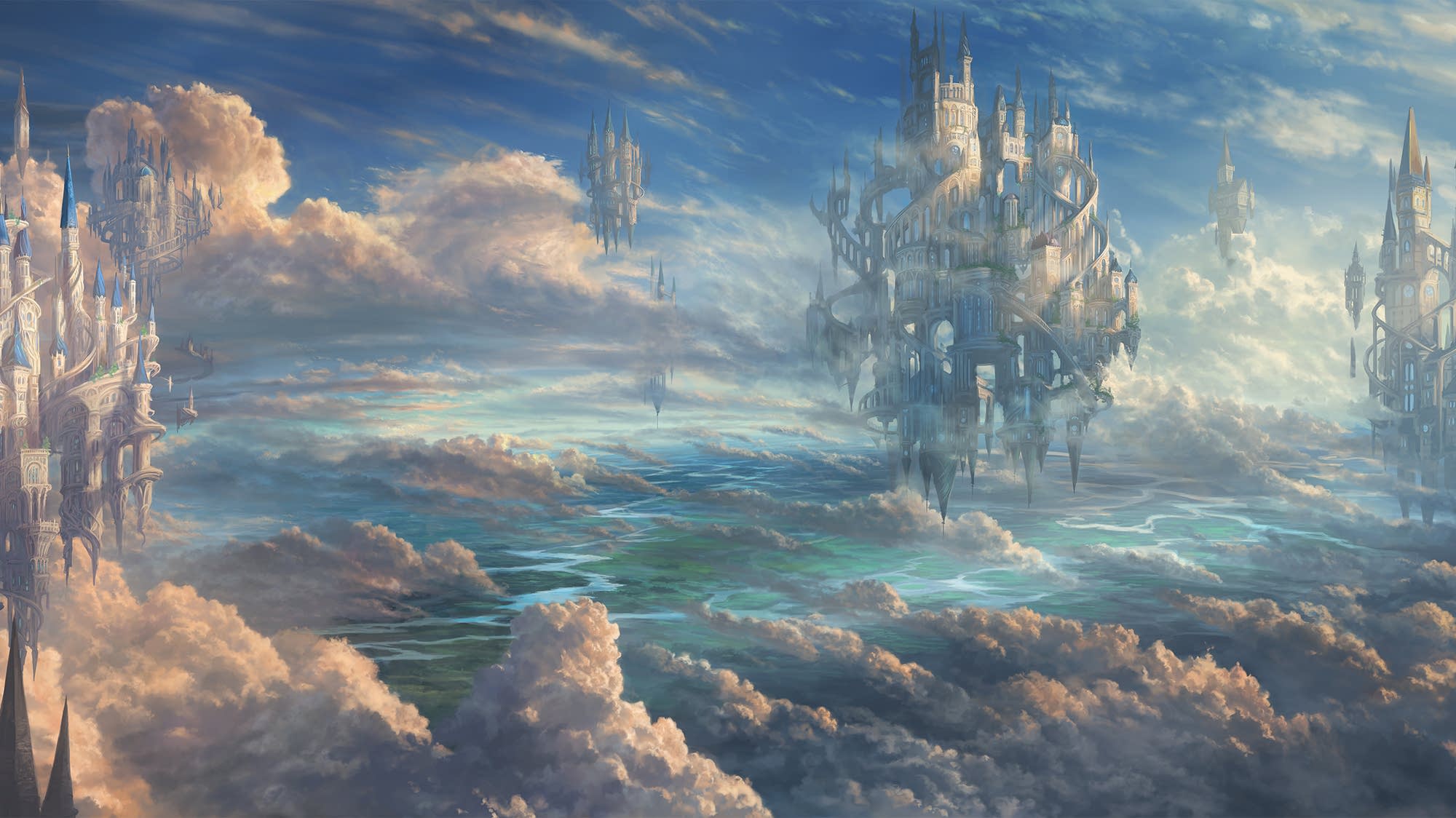
Trading card games — like Yu-Gi-Oh and Pokémon — surged during the pandemic, as more people searched for comfort and nostalgia. But unlike some other COVID-era trends, their popularity has stuck around.Take Magic: The Gathering, for example. Hasbro said that the game’s revenue jumped 32% in the second quarter, to a record $545 million.This week on “What’s That Like” we’re meeting some of the workers who bring the Magic ecosystem to life.We start in game design Gavin Verhey knew he wanted to create Magic cards at age 11. He even got a jump on networking when a chance encounter with Randy Buehler, the vice president of game design, gave him a road map to eventually working for Wizards of the Coast on Magic: The Gathering.The task in question: get a college degree and get really good at playing Magic. Like, pro-level good.At 12, Verhey started his own “research and development program,” so to speak. He would invite friends over for sleepovers, and then they’d get to work.“I would conscript them into making Magic cards with me,” he said, “and then overnight, my mom would actually cut up the cards that we had designed, print them off, and put them into card sleeves, and then we would actually play with them the next day.”Verhey became a professional Magic: The Gathering player at 15, started college at 16, and eventually became a principal game designer on Magic. “My family was really supportive of me. I don't know that they believed I’d turn it into a job someday, you know, but they were supportive of what I wanted to do,” he said.Now, to the illustrations that truly transport the game to another realm.Art that defies gravityPart of what makes games like Magic so distinctive is the artwork. Alayna Danner discovered her passion for art after playing popular video games like “Sonic the Hedgehog.”Danner felt compelled to pursue art, despite her guidance counselor and teachers questioning her decision to attend art school. Even at her high school job working at GameStop, she would sketch on receipt paper.While in college at the Milwaukee Institute of Art and Design, Danner started playing Magic: The Gathering and was drawn to its unique illustrations.Her path to Magic: The Gathering wasn’t straightforward, though. She’d regularly receive feedback from art directors working for the game at annual conventions. Danner said that feedback was “worth more than gold.” The advice: make her work more realistic.Illustration by Alayna Danner.“The art is very highly realistic,” Danner said. “It’s not cartoony or stylized. It’s all about rendering. You know, make a dragon look like it could come right out of the wall at you.”Danner held a full-time job at a small indie video game studio in Madison, Wisconsin, while working on illustrations for smaller companies — sometimes getting paid between $10 and $50 per illustration.“I was definitely grinding all day, every day,” she said. “Yeah, but I'm lucky, because it's drawing pictures. It's my favorite thing to do, anyways.”It took Danner about seven years to start getting freelance illustration work with Magic: The Gathering. Now, her work includes fantastical landscapes that may or may not break the laws of physics — and the occasional cat or dog.To dive into the world of Magic, click the audio player above.
How Magic: The Gathering cards come to life
Meet the professionals behind Magic: The Gathering’s fantastical worlds.
544 words~2 min read