In this article
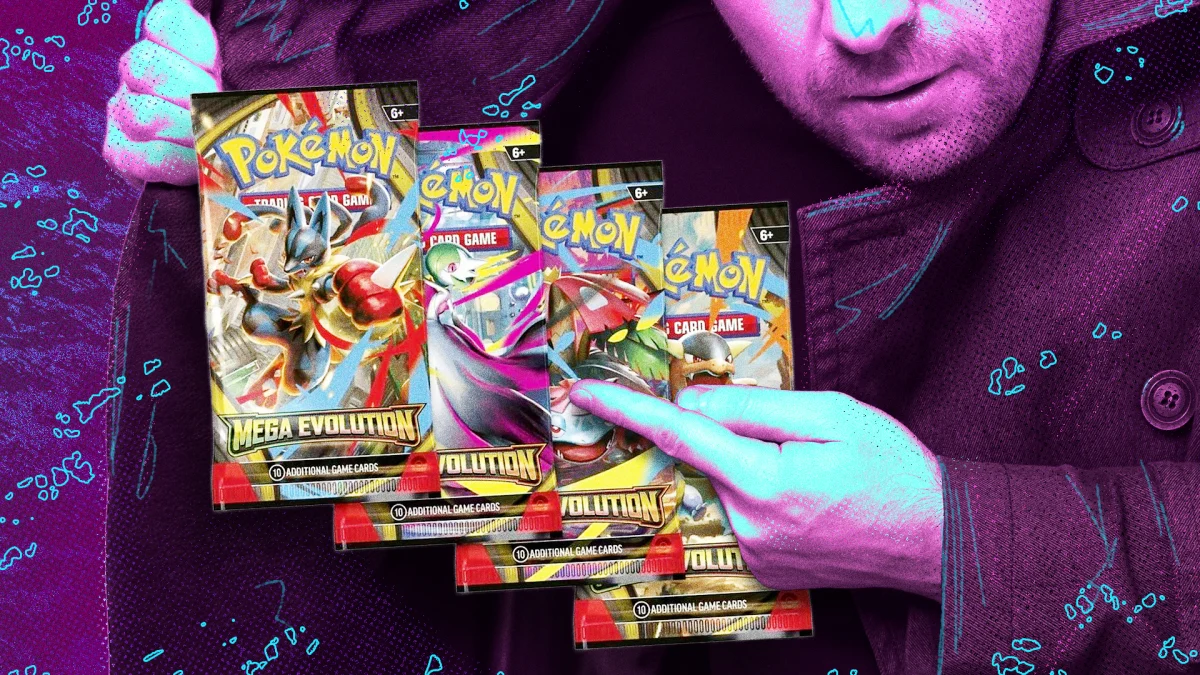
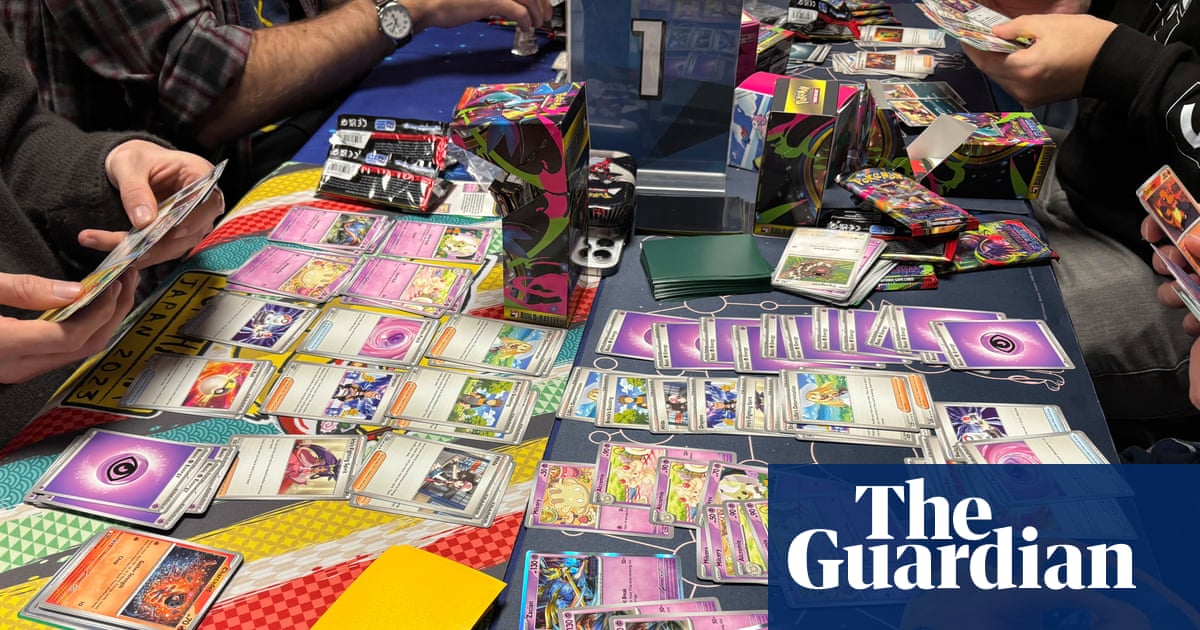
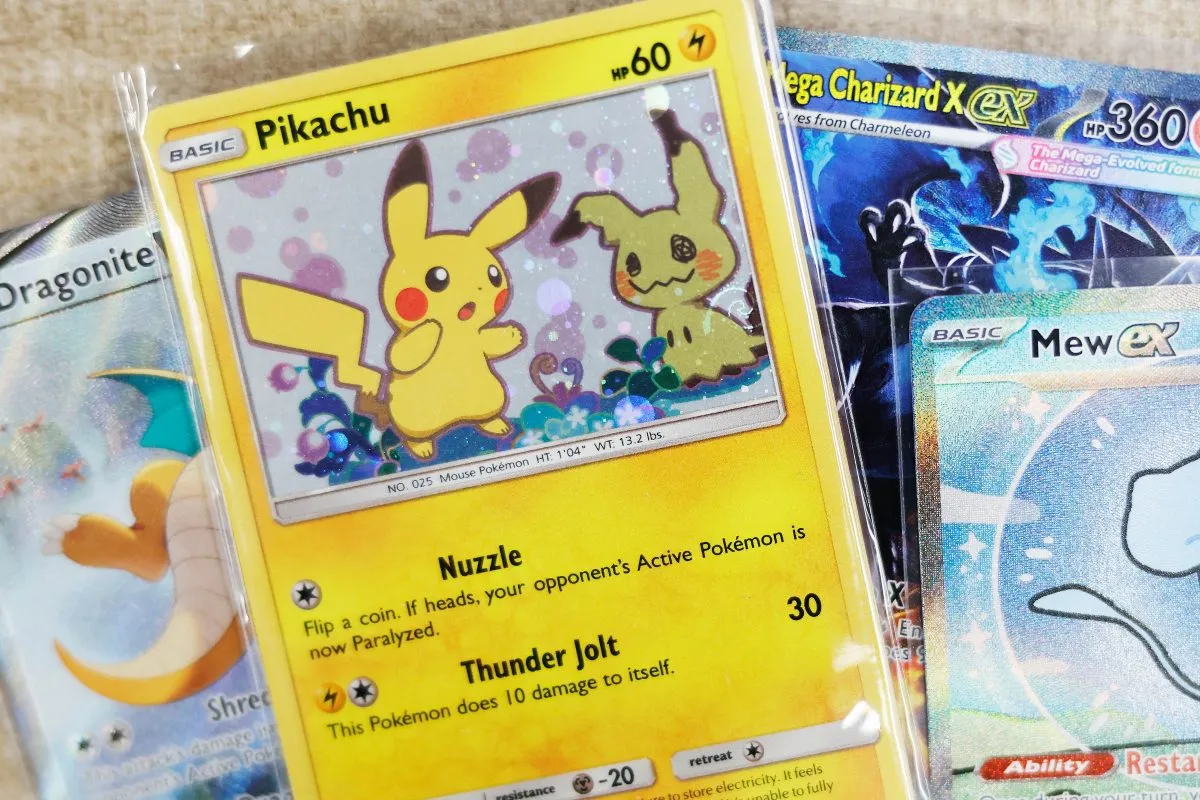
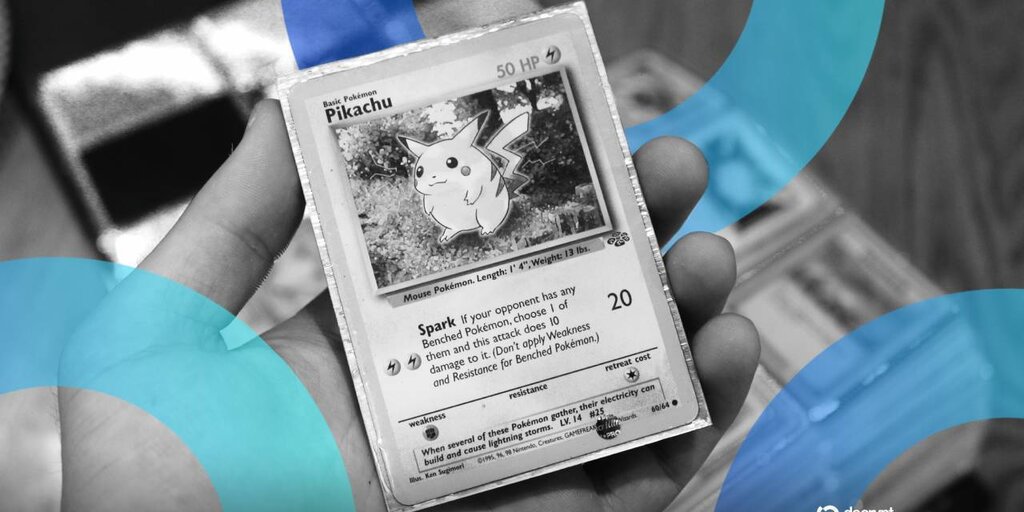
When I was a kid in the late 90s, collecting Pokémon cards was a fun hobby. I’d buy packs, hoping to get the rarest “shinies,” or holographic cards. We’d trade with friends and even go to meet-ups to trade cards trying to “catch ’em all” —a catchphrase that defined the franchise that had gone from Nintendo Game Boy to an anime TV show.
When I started collecting again two years ago, things had changed. I’ve stood in line with 100 people in a parking lot outside a toy store for the latest restock of cards. I’ve seen four men huddled around their car talking about how much they could make by selling the trunk of cards they bought during a morning hitting different stores.
New cards can sell out in minutes. People coordinate on X and Discord to know where to go.
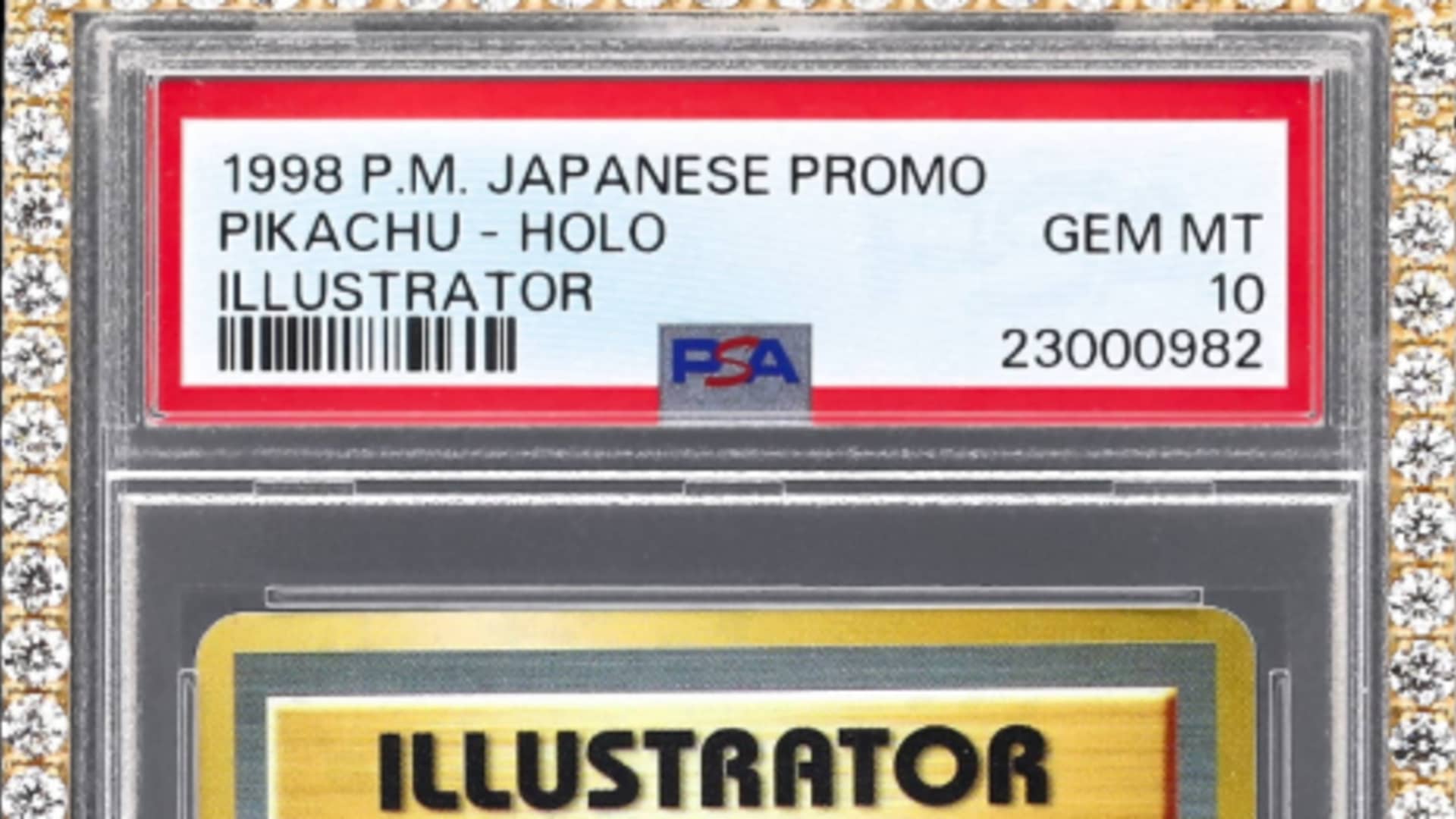
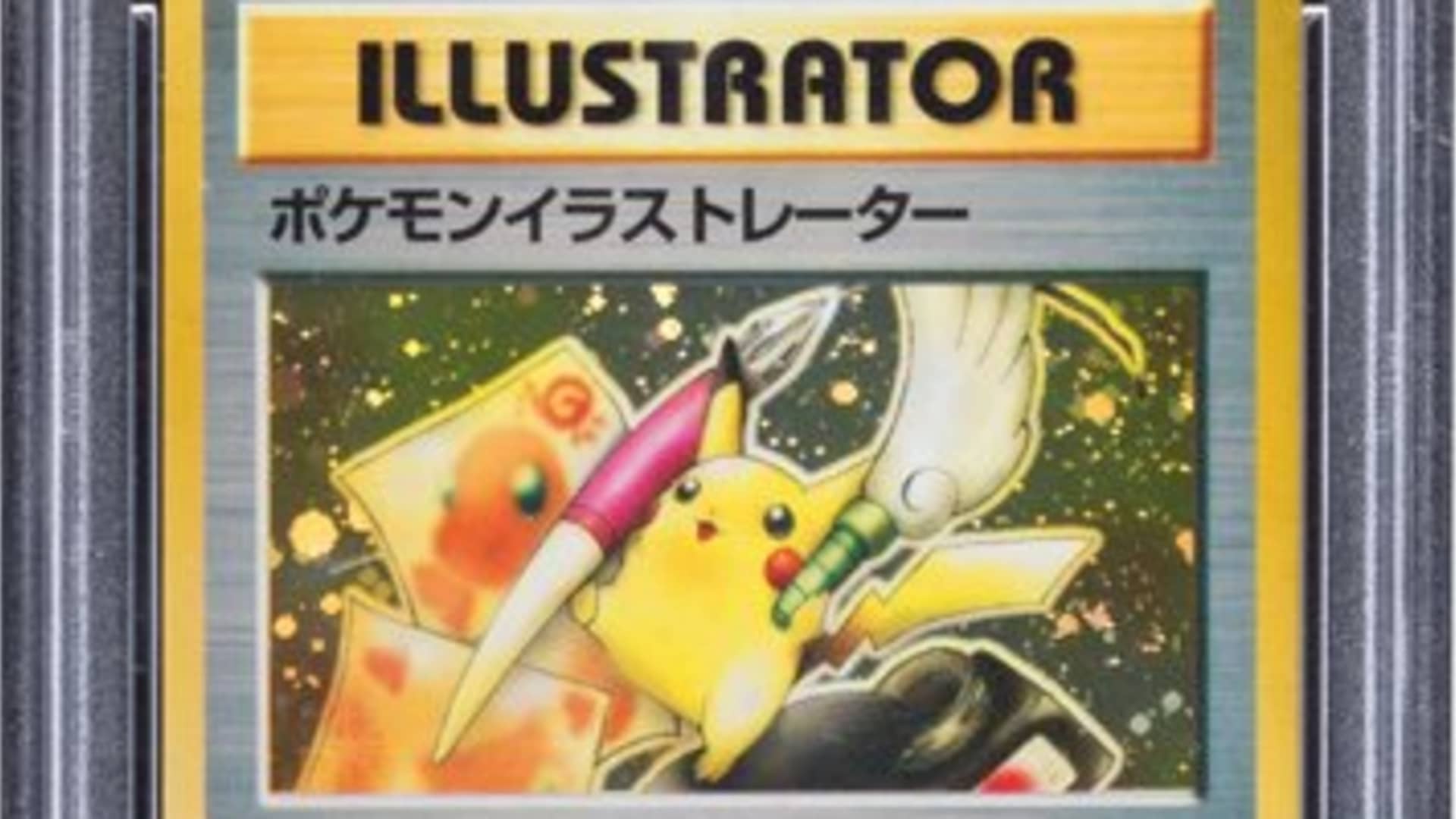
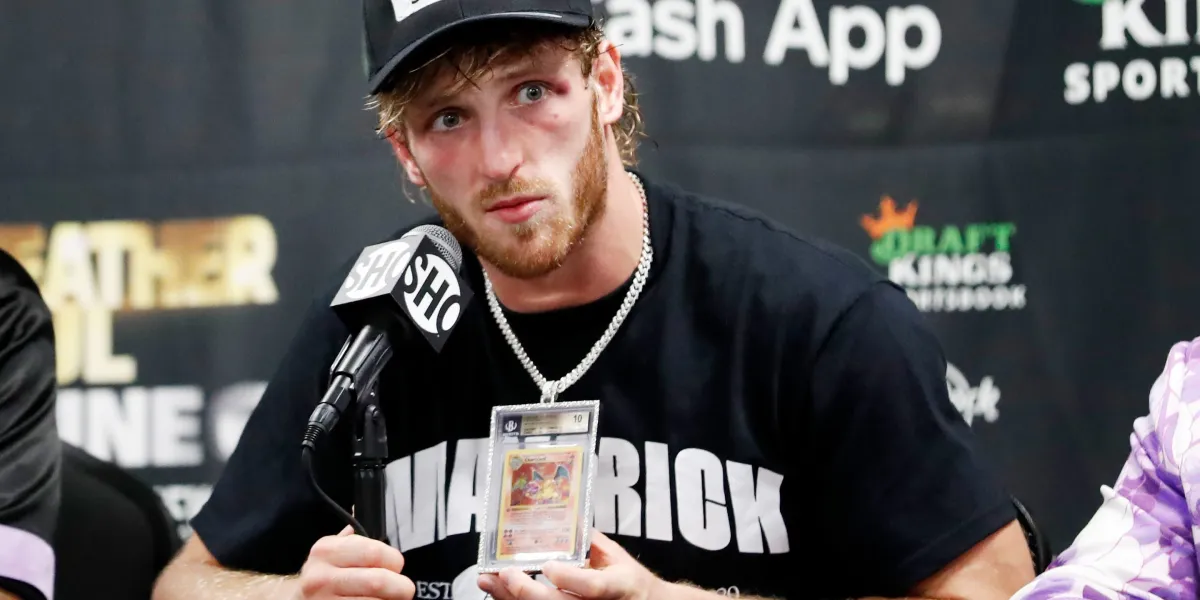
There are similar scenes in the U.S. Videos have circulated on social media of people stampeding over each other to get their hands on card packs. There have even been reports of smash-and-grab thefts of stores that stock cards. Prized cards resell at multiples of what they retail for. The rarest can sell for millions of dollars.