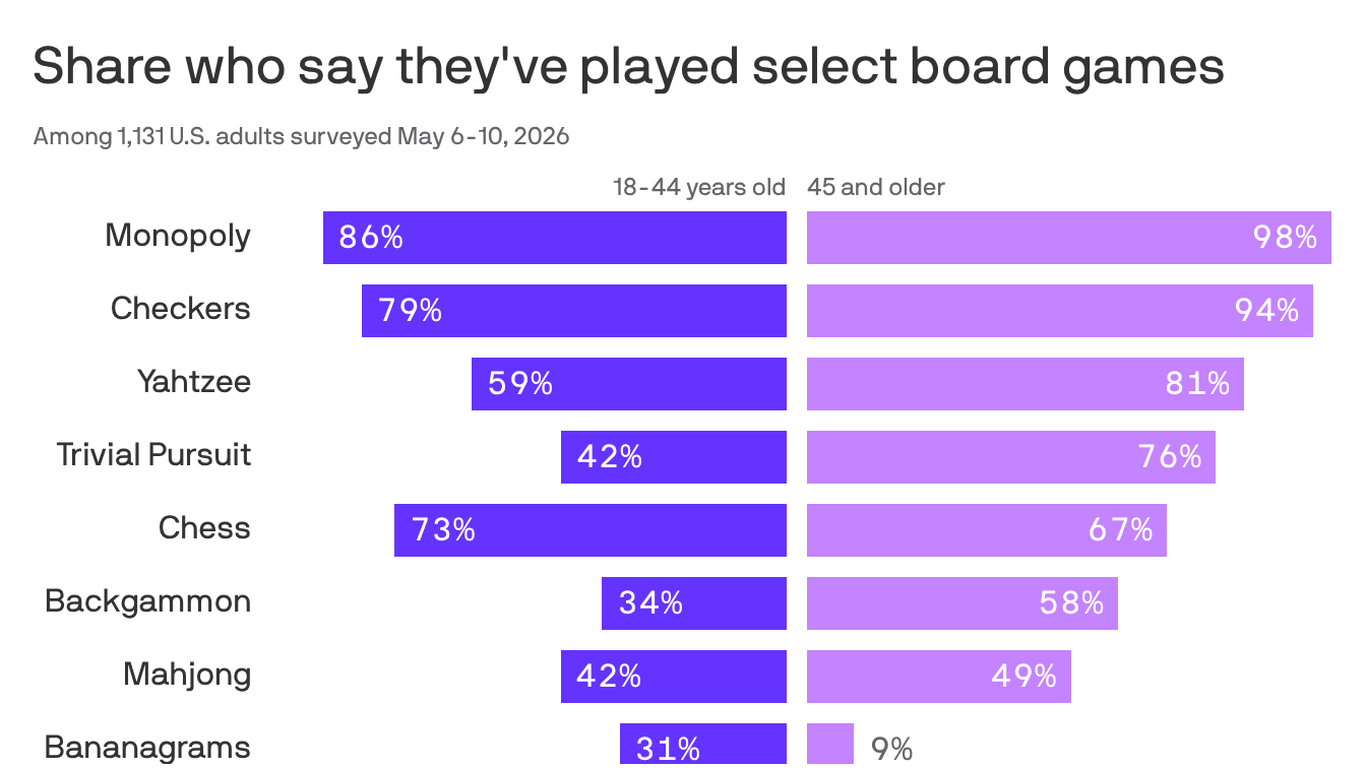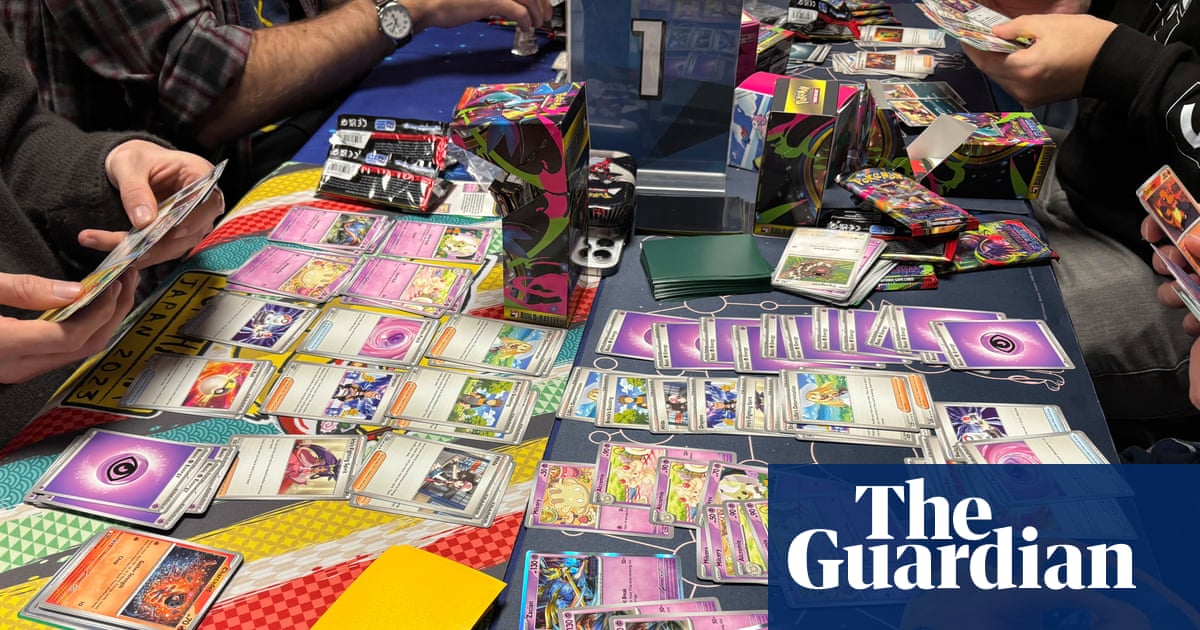
The obvious read is generational: millennials, stereotyped for years as a cohort that refuses to grow up, pouring disposable income into a game they picked up as teenagers. The real story is structural. The money that they should have been spending on dolls for their kids are going to games for them to play with their friends instead — because parenthood, even adult life itself, is delayed in the 2020s economy.
Recent data shows that America’s housing economy has split millennials into two starkly different generations sharing one label — and the Magic boom looks less like arrested development and more like one half of that split cohort spending its way through a delayed adulthood it can’t otherwise afford to enter.
The homeownership numbers were always wrong
For two decades, the U.S. homeownership rate has functioned as a scoreboard of generational progress. New research from the Federal Reserve Bank of Minneapolis suggests that scoreboard was miscounting the game entirely.
Economist Erik Hembre and colleagues built a new measure — the homeowners-to-population ratio, or HPOP — that counts individual adults rather than housing units, and found the real national homeownership rate is closer to 53%, not the widely cited 65%.