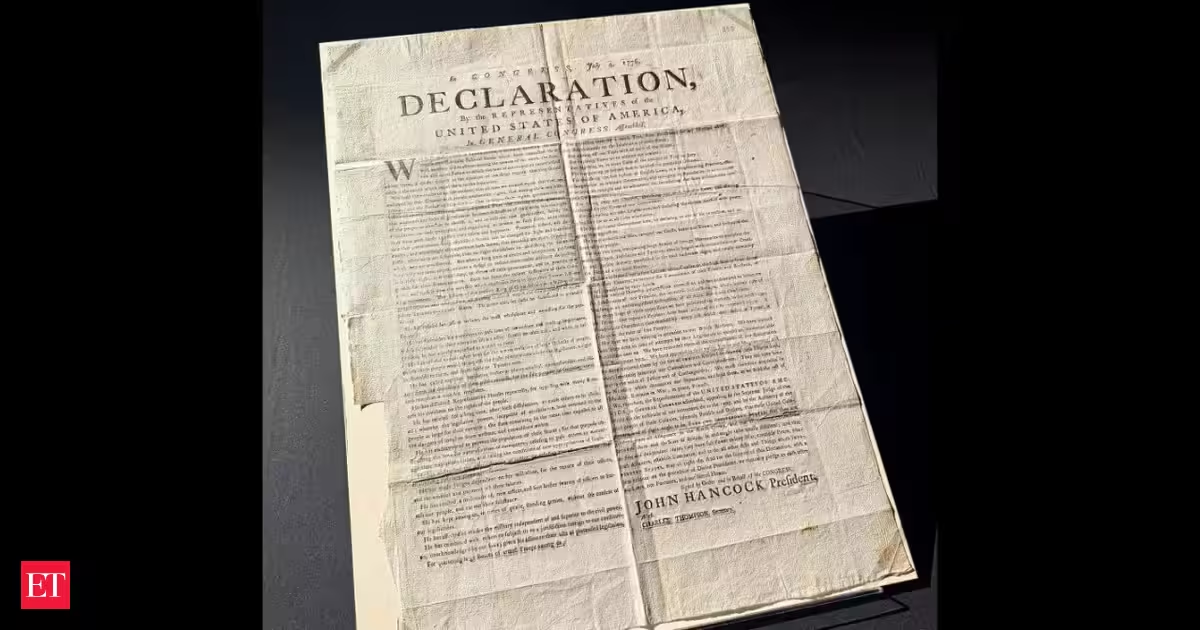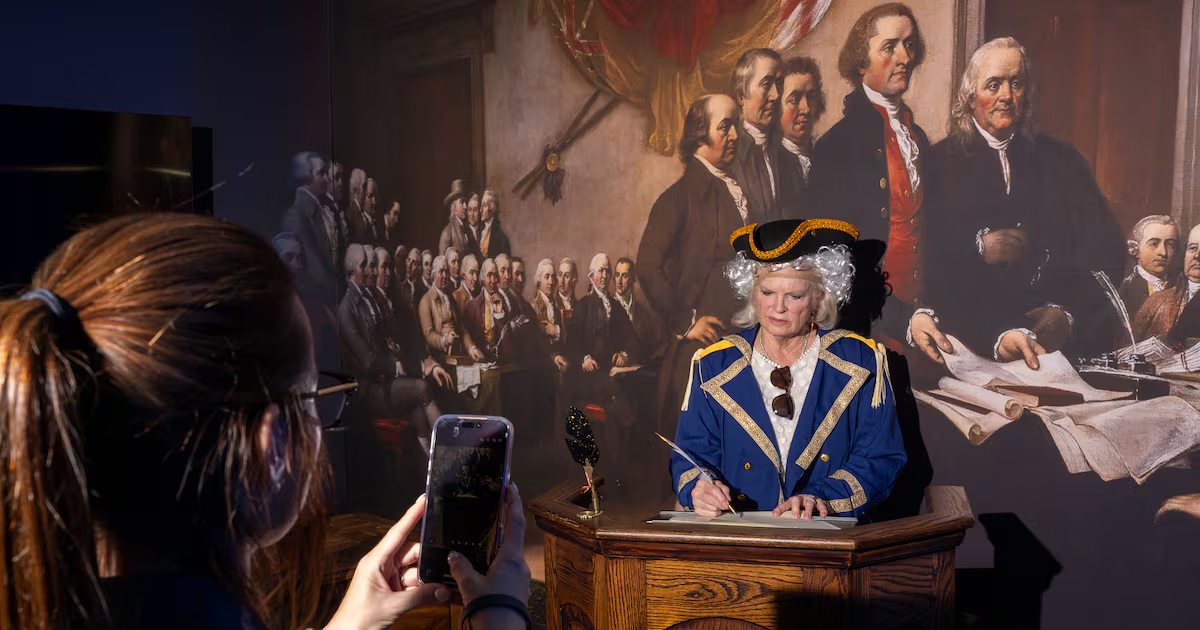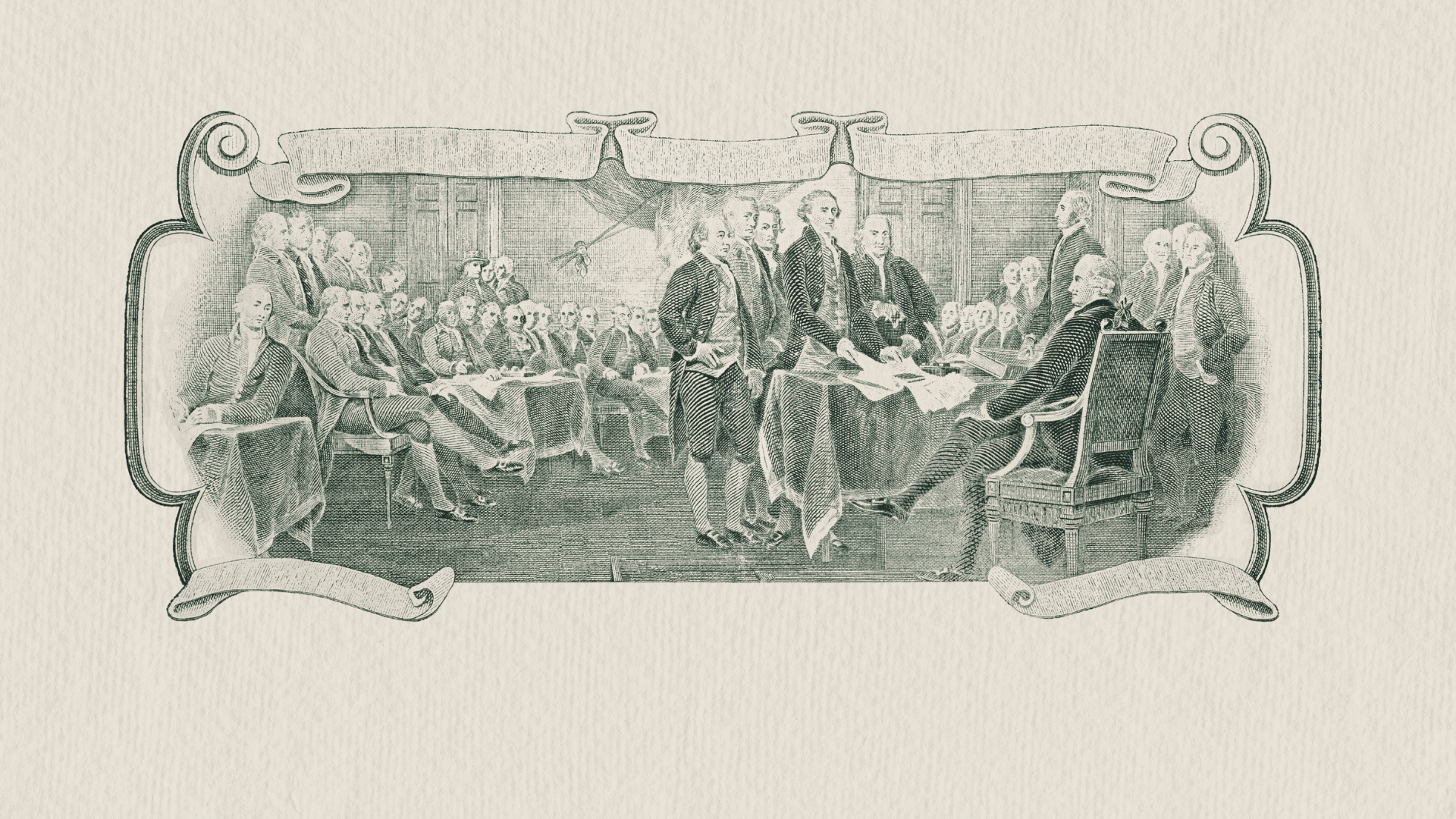
Part of a series of occasional features marking the 250th anniversary of the Declaration of Independence
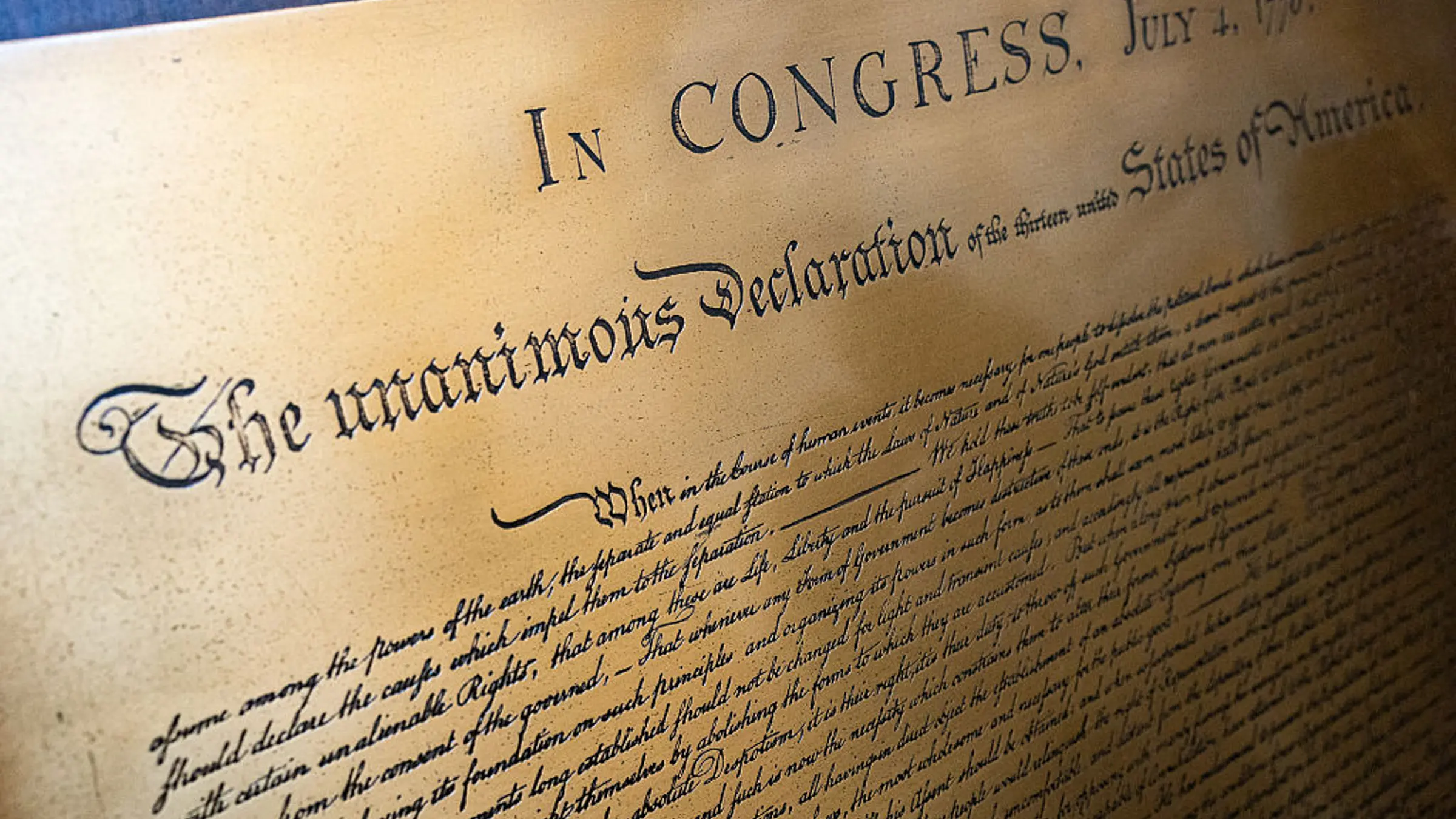
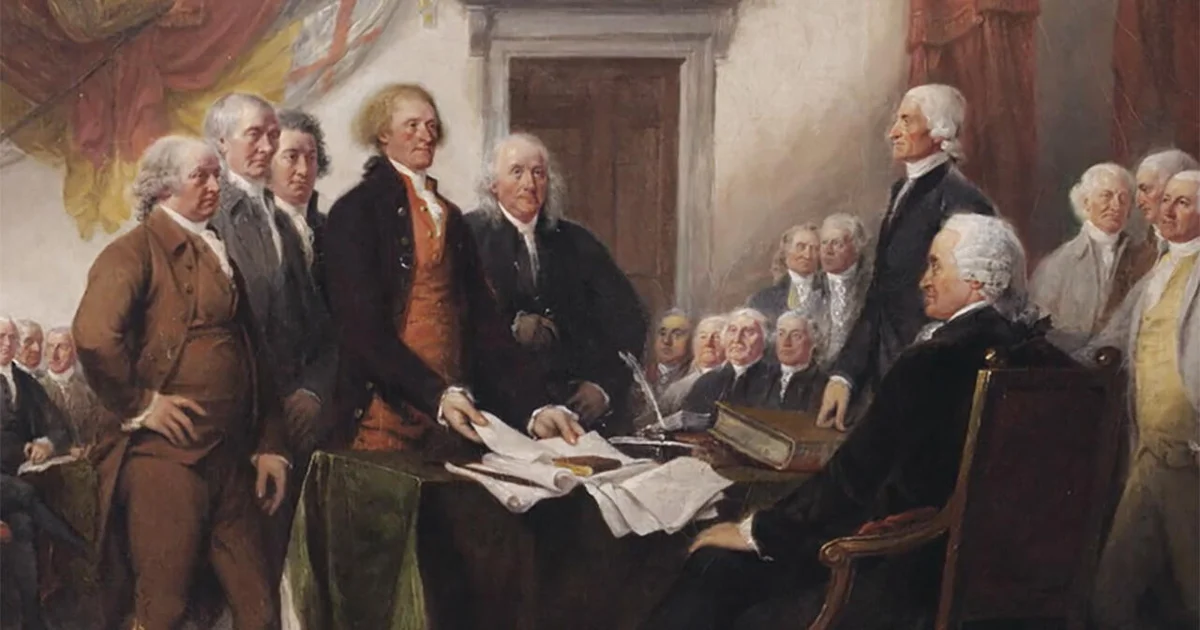
Celebrations of the 250th anniversary of the Declaration of Independence have called attention once again to the oft-repeated origin tale of how the revolutionary document sprang from Enlightenment ideas — natural rights, the social contract, and separation of powers.
But other parts of the story often get less attention. That is how the founders’ thinking was affected by existing social and political conditions on the ground, as well as their familiarity with the evolution of English constitutional history.
The independence movement really took hold when political leaders grew angry over the imposition of Parliament’s tax laws, such as the 1764 Sugar Act, the 1765 Stamp Act, and the 1767 Townshend Acts that imposed tariffs on British goods. And their efforts to oppose British rule were bolstered by early forms of self-government that had emerged in the American colonies.
“Town meetings and colonial assemblies made the Revolution happen,” said Robert Allison, Ph.D. ’92, a Suffolk University historian who studies early American colonial history. “Parliament declared that it had the power to govern the colonies ‘in all cases whatsoever,’ but each colony already had an elected assembly which made laws for it. And in New England each town had a meeting — at least once a year, but in many cases when any 10 tax-paying adult men signed a warrant for one — that made laws and elected all officials in the town.”