Part of a series of occasional features marking the 250th anniversary of the Declaration of Independence.
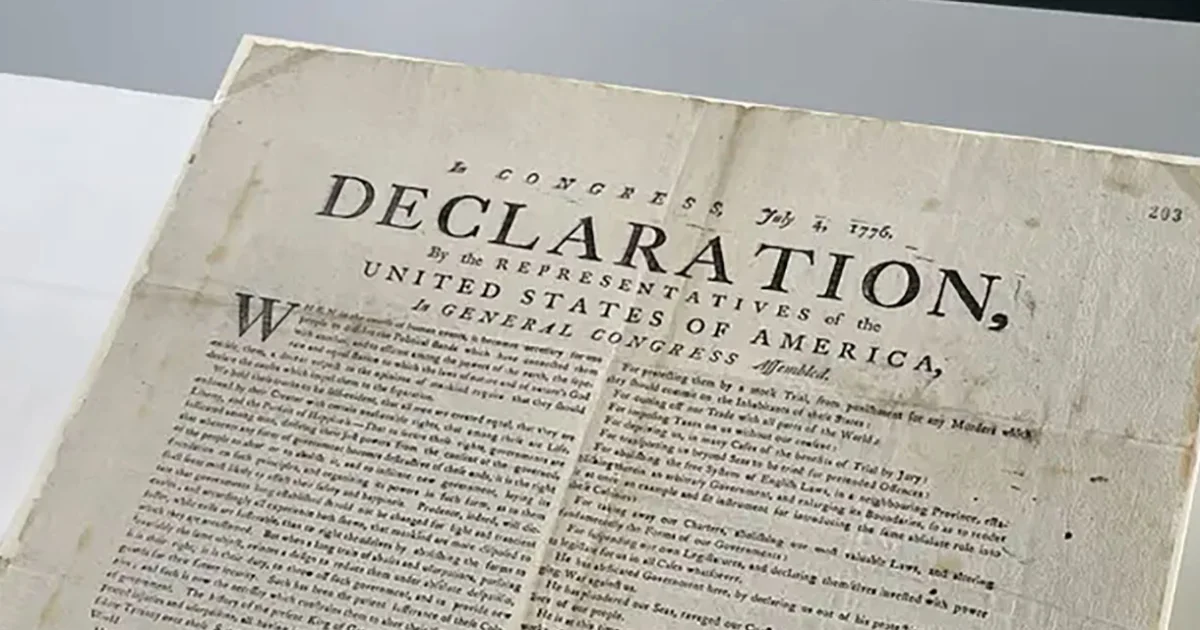
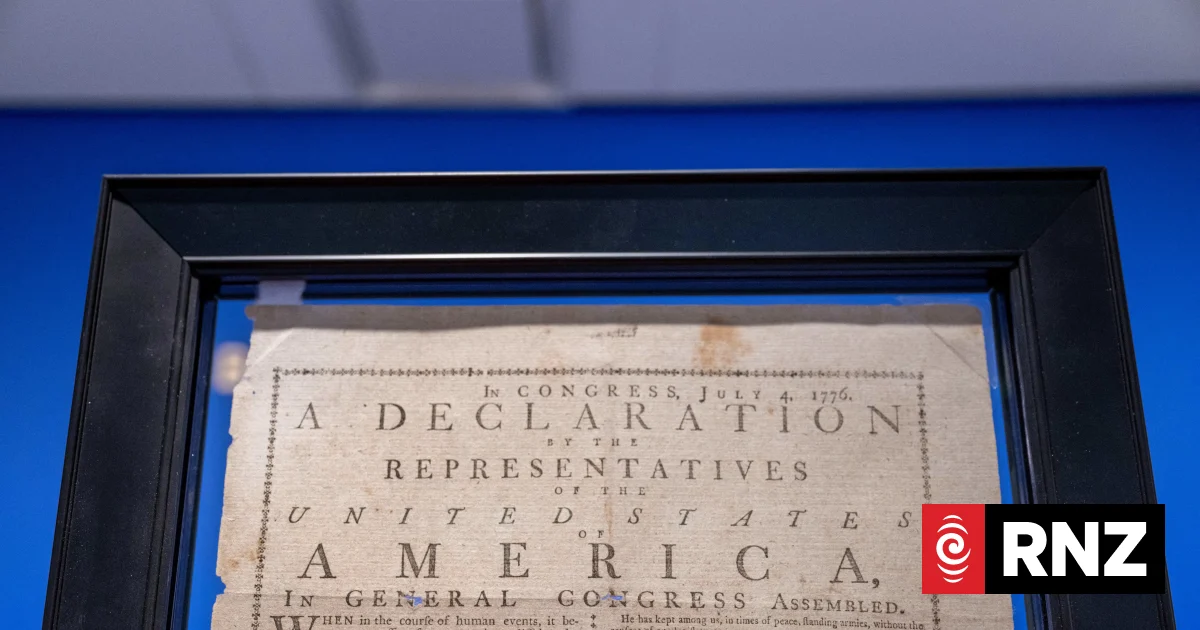
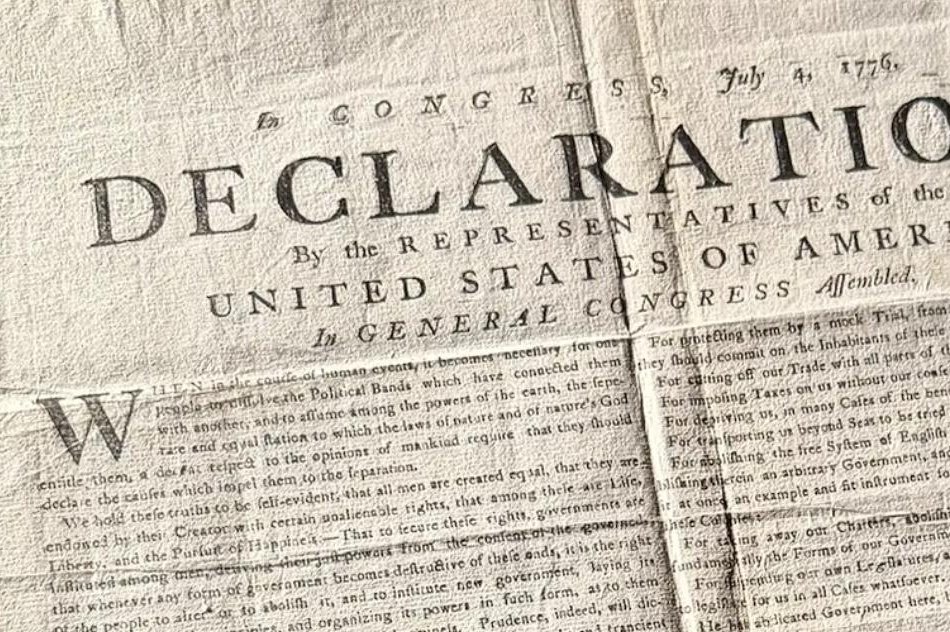
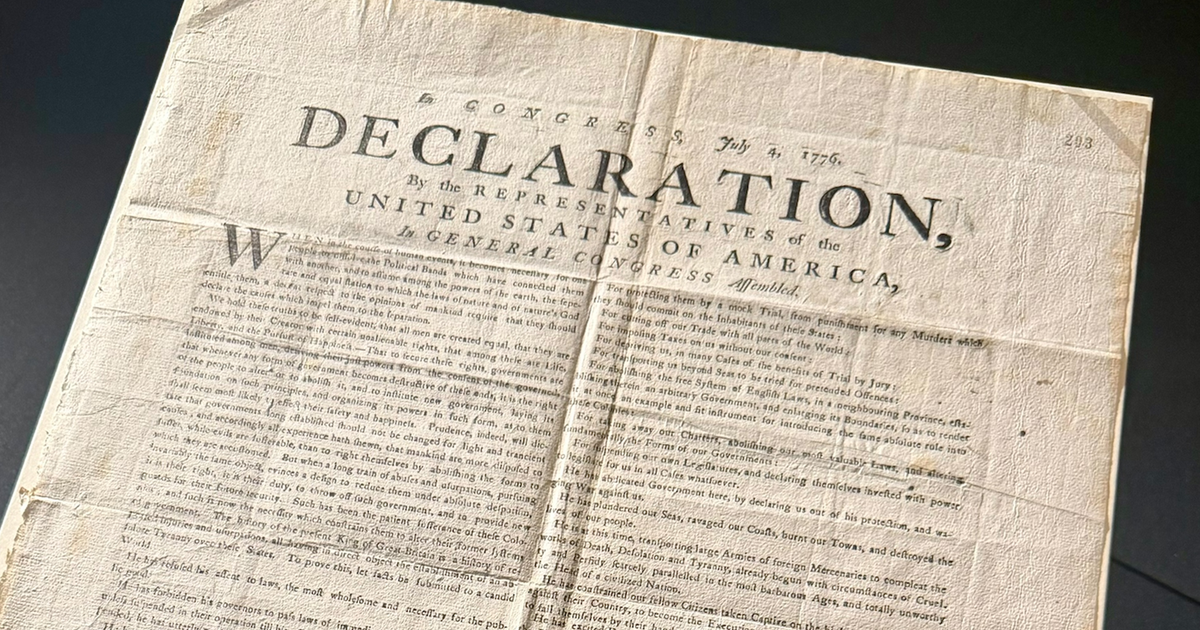
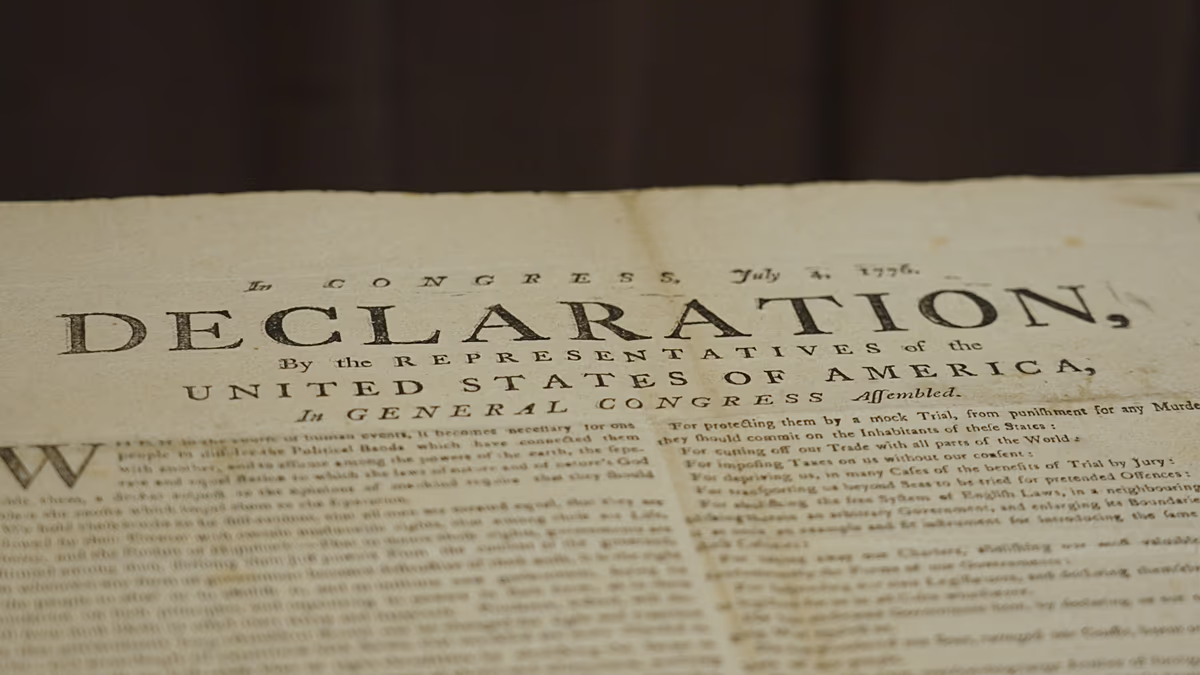
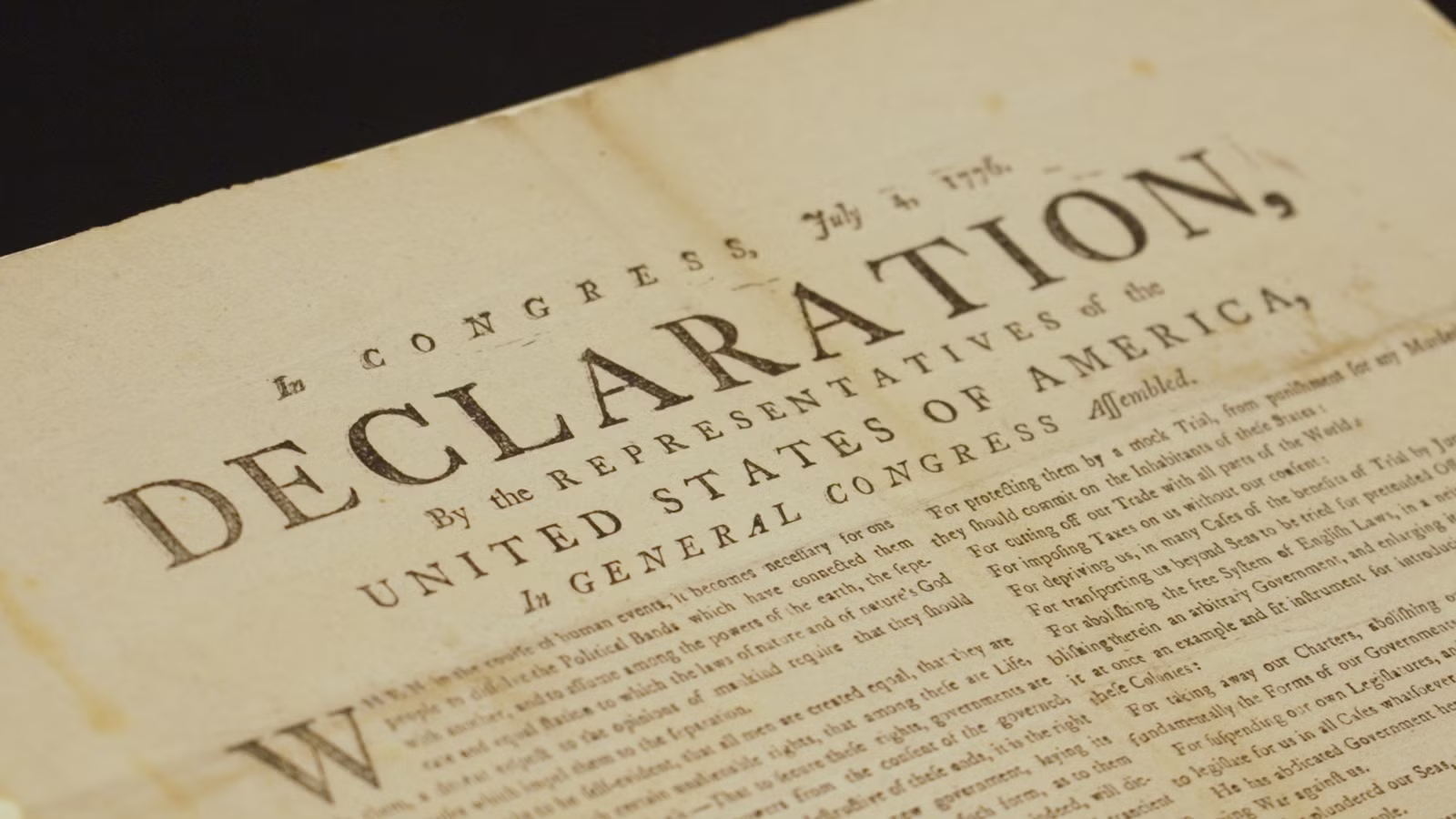
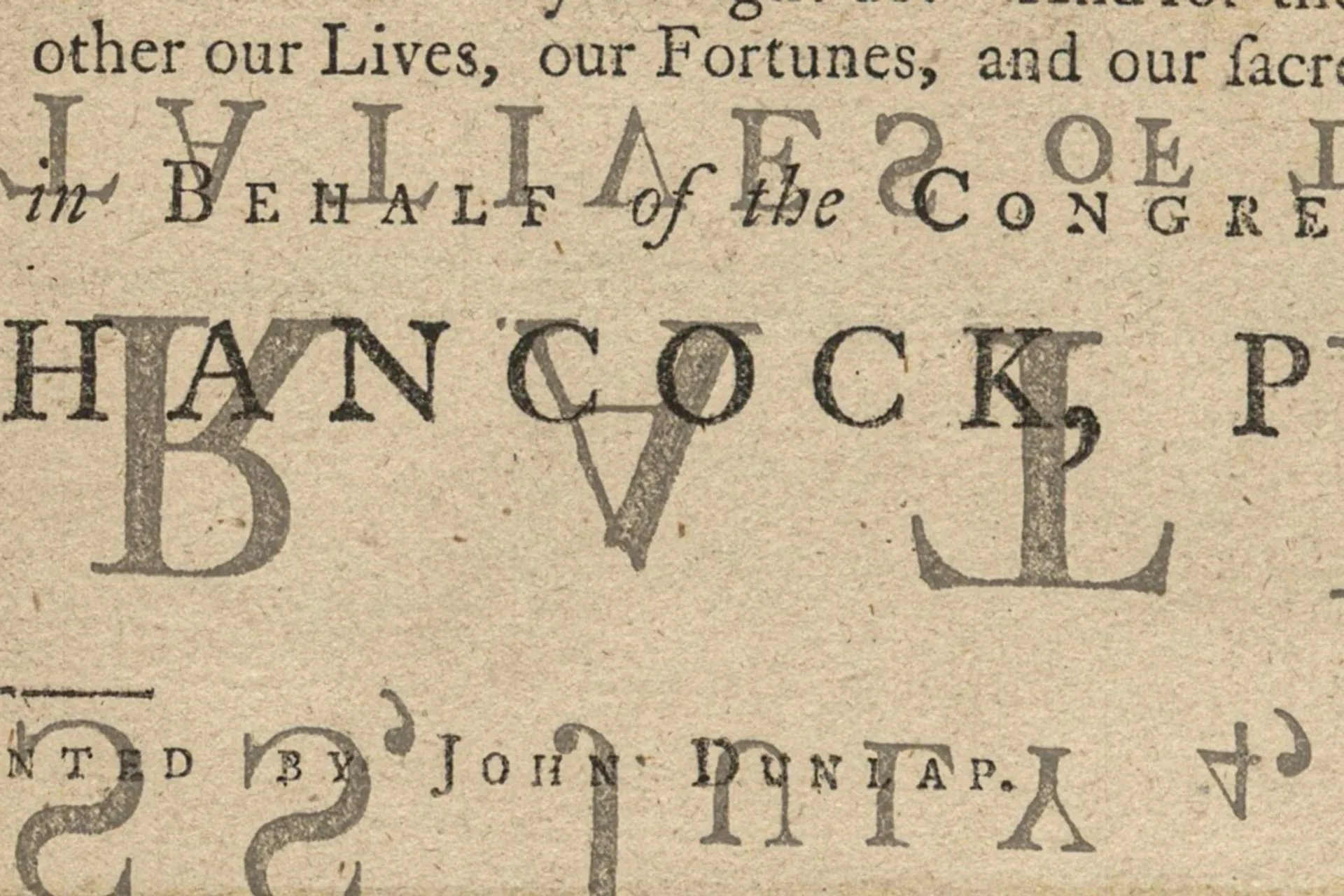
It has been almost 250 years since John Dunlap’s Philadelphia print shop pulled an all-nighter. The July 4-5 job was a rush contract from the Continental Congress: Dunlap was to print the first copies of the Declaration of Independence.
Of the roughly 200 copies Dunlap ran off, only 26 are known to exist today, by the latest count of the Library of Congress; Harvard’s is on display inside the Houghton Library this semiquincentennial summer.
That low survival rate is itself evidence of what the Declaration meant in its moment, and what it was meant to do.
It was a working document, designed to acknowledge, justify, and shape a chain of events rapidly unfolding. It was intended not for library vaults, but for travel, by express mail, to Continental army camps, restive cities and, eventually, to the courts of potential allies in the war of independence already underway.