view more
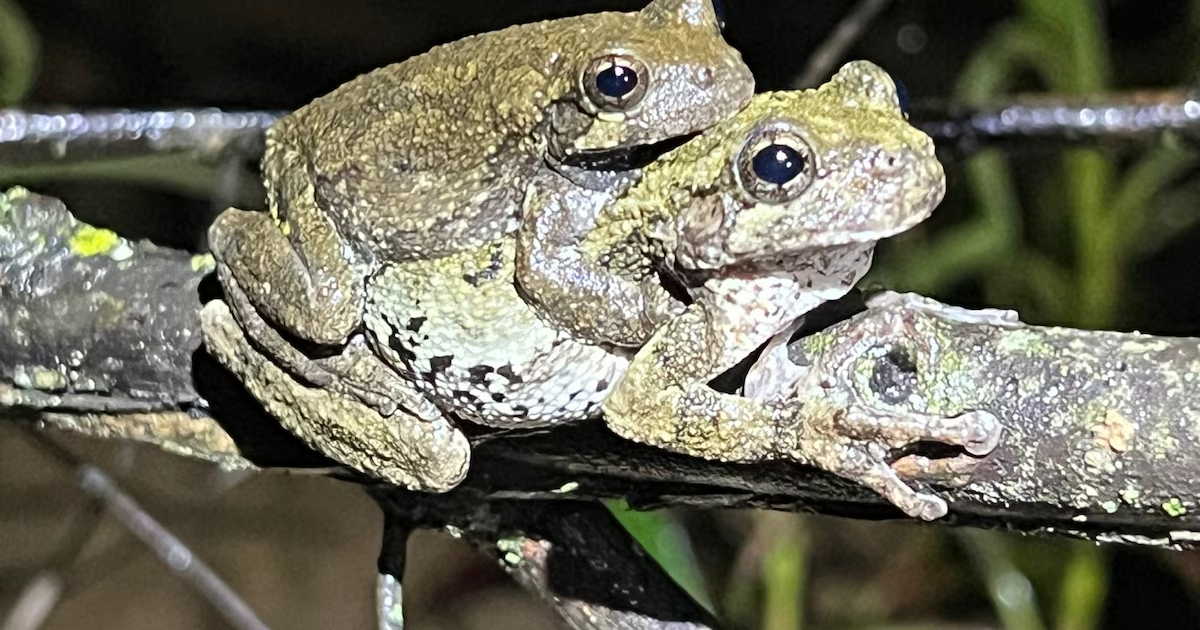
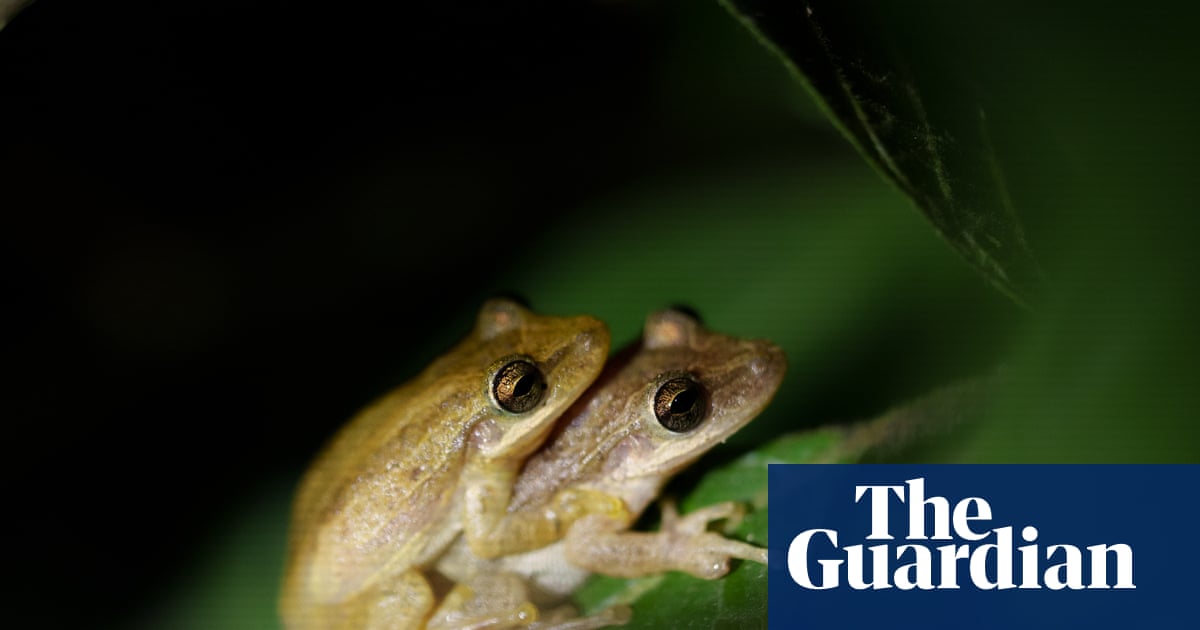
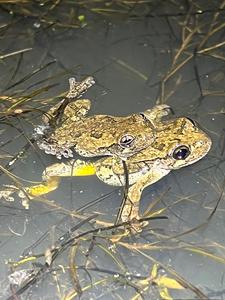
When shopping for a new appliance, choosing a movie to watch or even ordering a cup of coffee, people often experience “choice overload.” New research from the Smithsonian suggests that female Cope’s gray treefrogs face a similar challenge when selecting a mate. In a study published today in iScience, researchers from the Smithsonian Tropical Research Institute and the University of Tennessee found that when female treefrogs are confronted with too many males calls at once, they become less likely to successfully choose a mate. The findings reveal how cognitive limits may influence mating behavior not only in treefrogs but across the animal kingdom.
During the breeding season across eastern North America, Cope’s gray treefrogs gather in large choruses with males calling simultaneously to attract females. The resulting wall of sound can make it difficult for females to identify a suitable mate. Previous research has focused on “energetic masking,” in which overlapping calls make individual males difficult to hear. But few studies have explored choice overload, where frogs are confronted with too many calls at once. To separate the effects of these two phenomena, researchers played recorded mating calls throughspeakers in a laboratory and measured female responses when confronted with increasing numbers of potential mates, varying levels of background noise, or both.