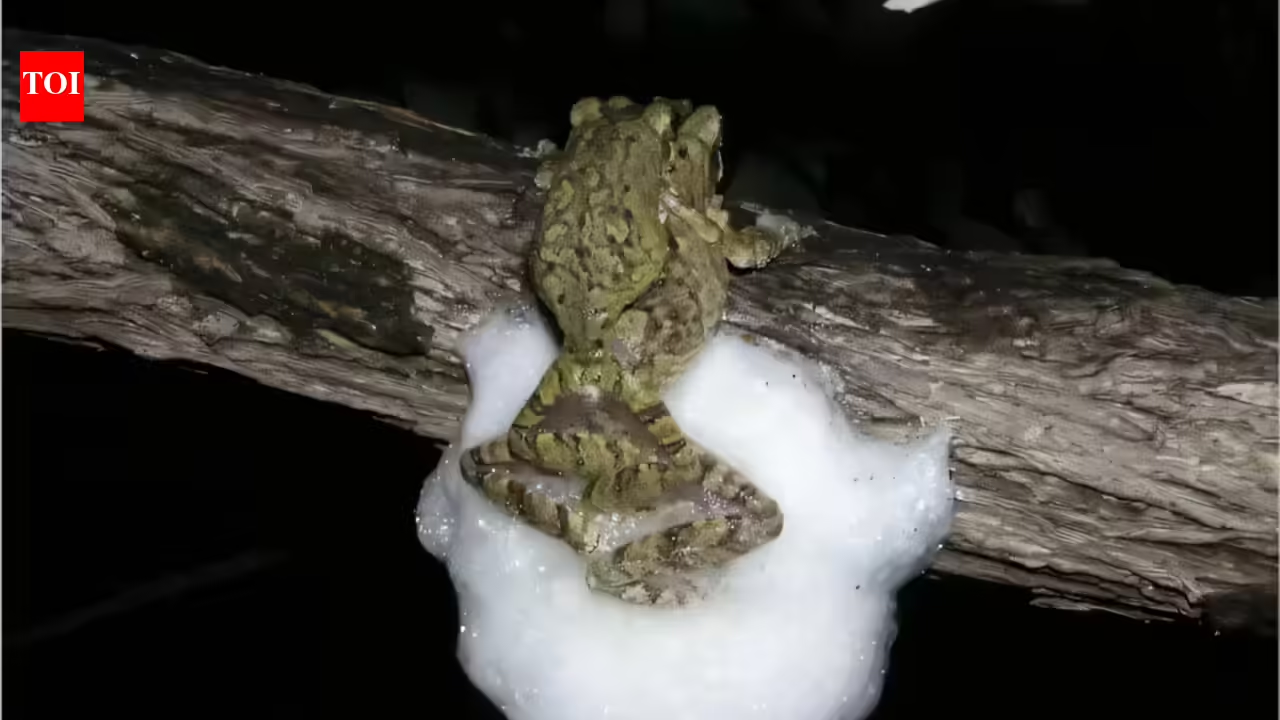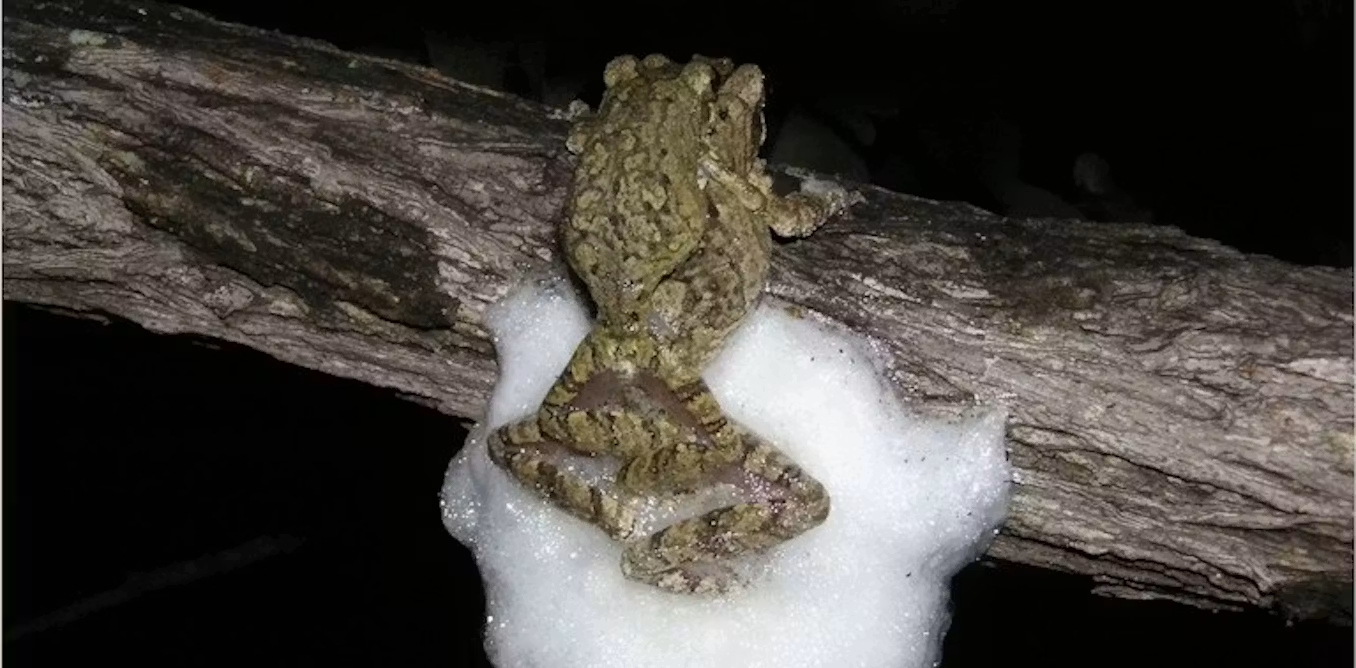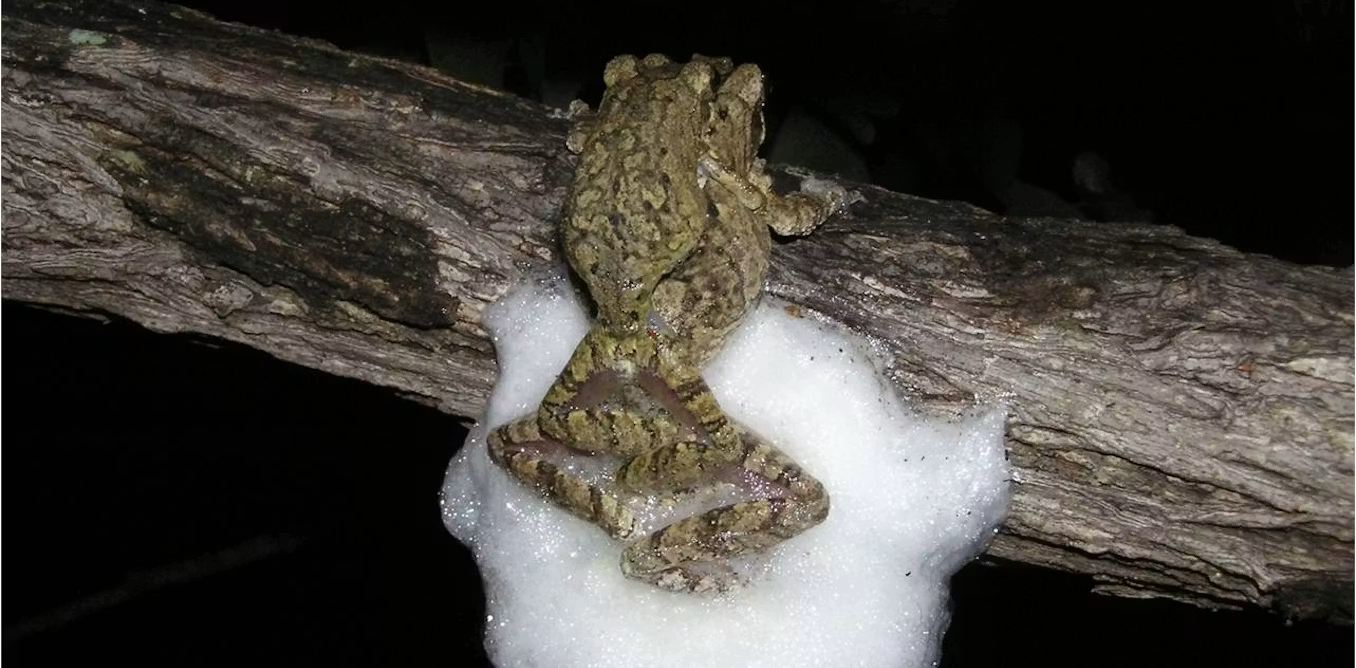
African grey foam-nest treefrogs (Chiromantis xerampelina) are common across the savannahs and dry forests of south-eastern Africa. Despite their unremarkable outward appearance, these small animals display some of the most intriguing reproductive behaviours known to science. Most notably, the females are highly polyandrous, constructing elaborate foam nests and mating with many different male partners in a breeding season.
Until the 1990s, evolutionary biologists thought that polyandry was extremely rare in nature. Having one mating partner, monandry, was considered to be the norm. However, with the advent of molecular techniques for testing paternity, it quickly became apparent that females across a diversity of animal groups (from bed bugs to blue whales) routinely mate with multiple males during a breeding season. Understanding the benefit of polyandry rapidly became a profound evolutionary puzzle.
Over the past few decades, observational and experimental research by behavioural ecologists has shown that polyandrous females can benefit in many ways. Mating with multiple males may ensure eggs are fertilised, ensure extra nutrients or paternal care for offspring, or increase the genetic diversity of offspring, making them more resilient to future challenges.