view more
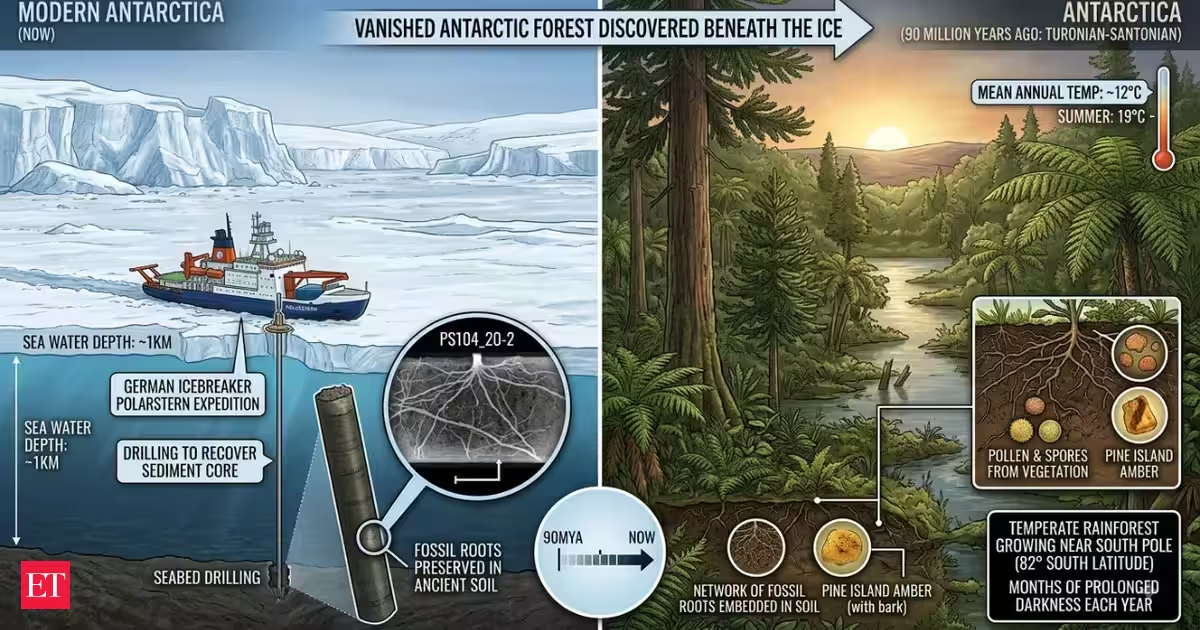
A team of palaeontologists from China University of Geosciences (Beijing) studying penguin fossils from Seymour Island off the Antarctic Peninsula have demonstrated how ancient bird bones can act as chemical archives of past climate change. The researchers used non-destructive X-ray mapping to examine the elemental composition of penguin remains spanning millions of years. As such, they uncovered key insights into how Antarctica shifted from a warm and humid environment to a cooler world.
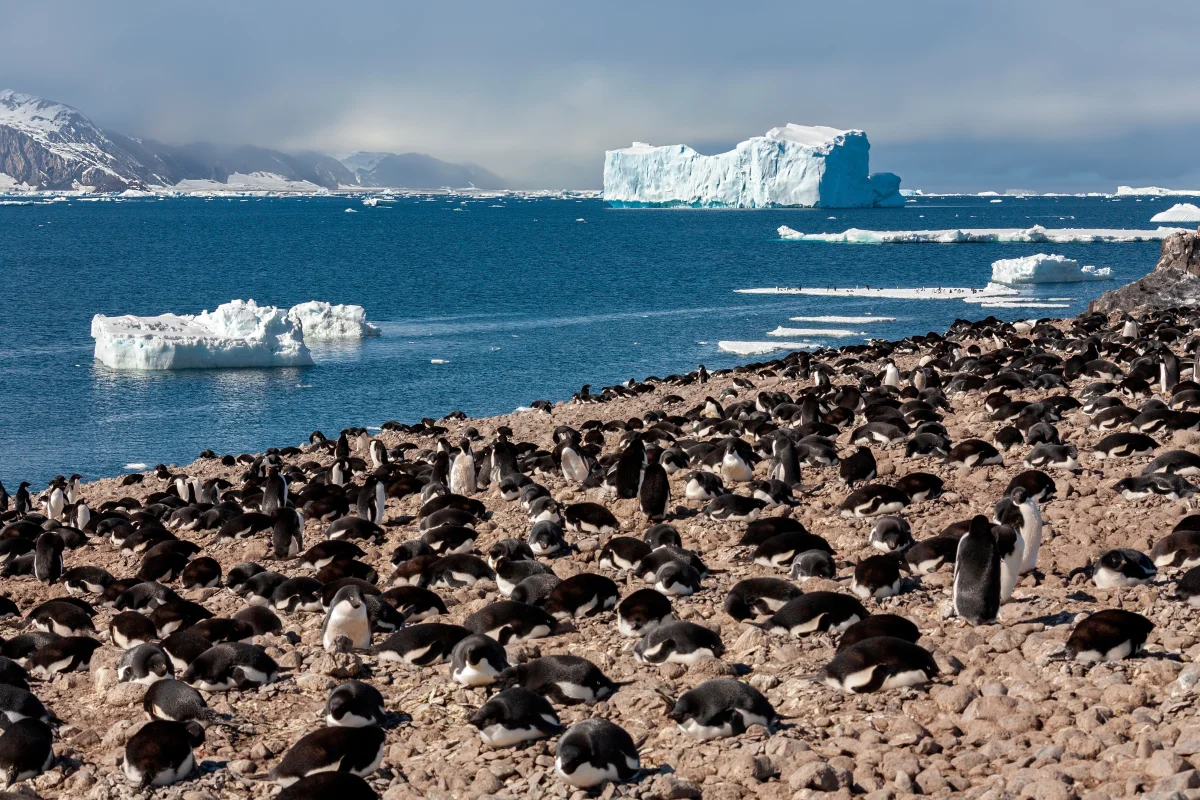
“Penguins are among the most iconic animals of Antarctica and represent one of the most distinctive groups of birds, having completely lost the ability to fly and instead using their flipper-like wings for swimming,” said the research team. “Seymour Island preserves one of the world’s richest and most stratigraphically continuous records of Eocene penguin fossils. These fossils span an important interval of Antarctic climate evolution, from the relatively warm and humid conditions of the early Eocene to the cooler climate of the middle and late Eocene.”
To study the rare fossils without damaging them, the researchers used micro-X-ray fluorescence scanning to map chemical elements across the surface of the bones. The scans revealed clear differences in the chemical composition of bones from different geological periods.