view more
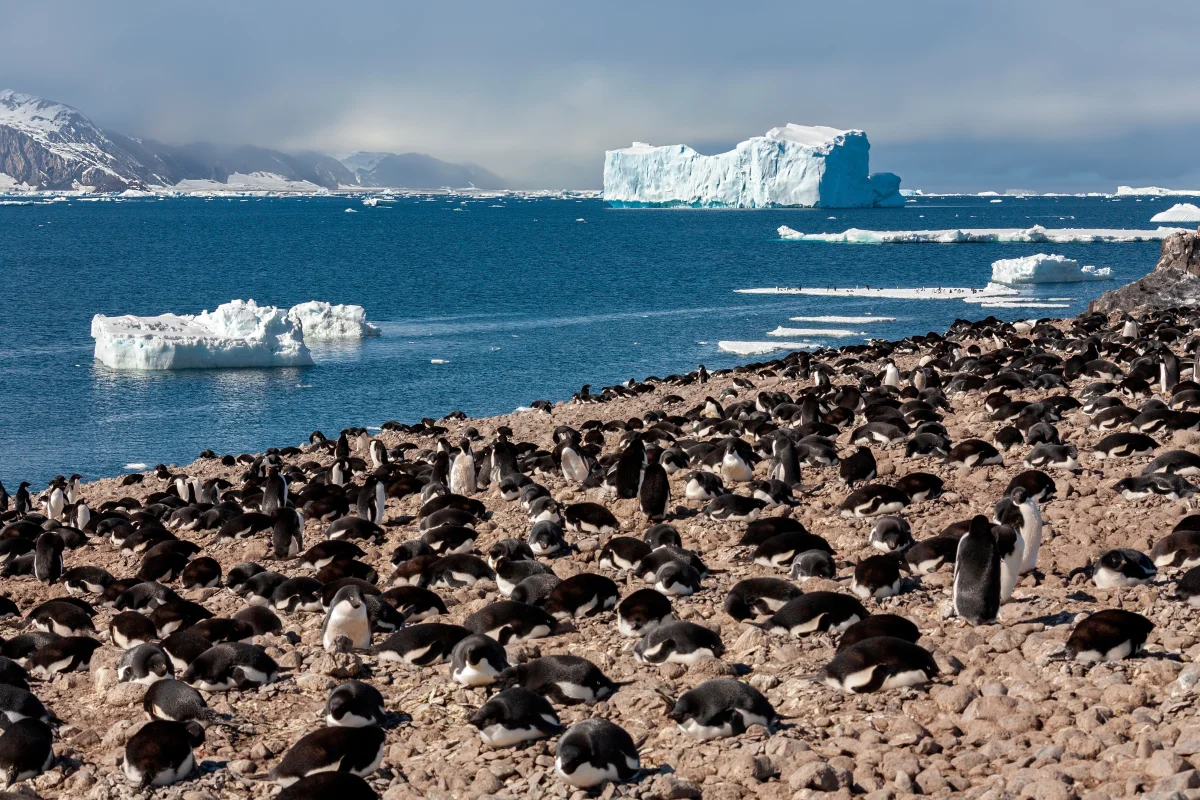
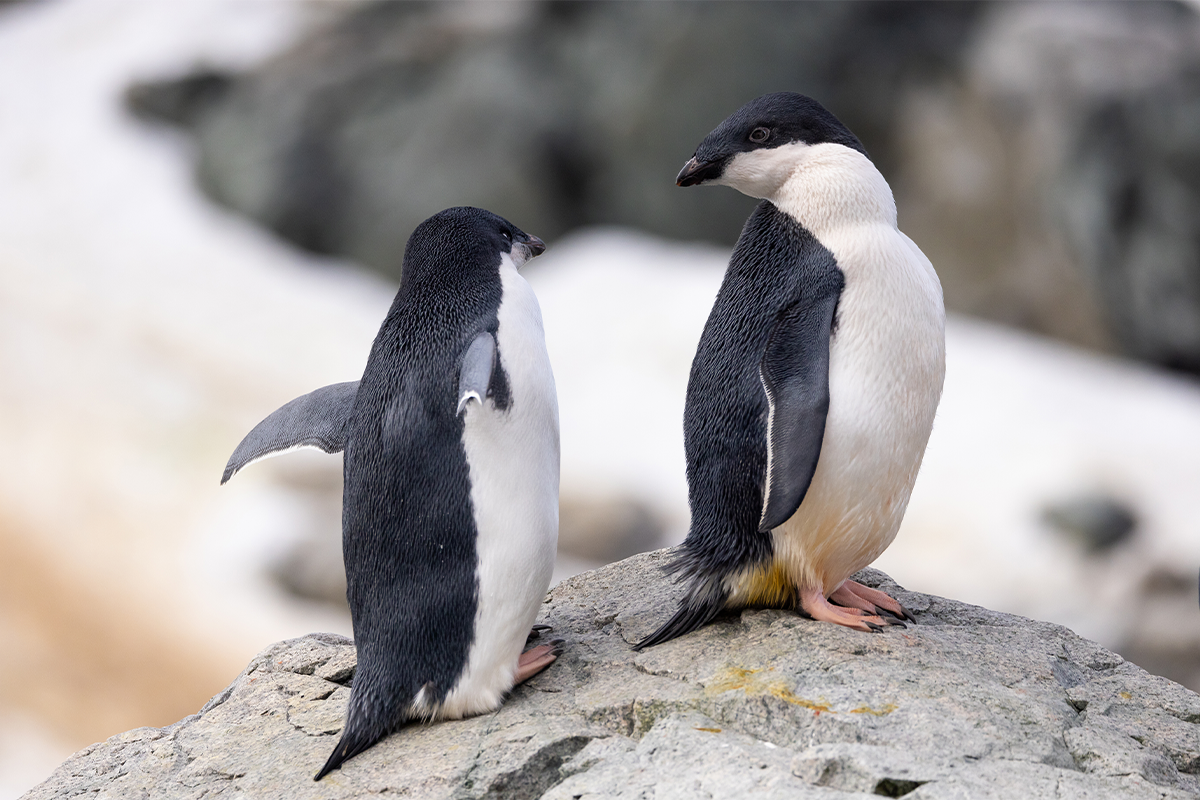
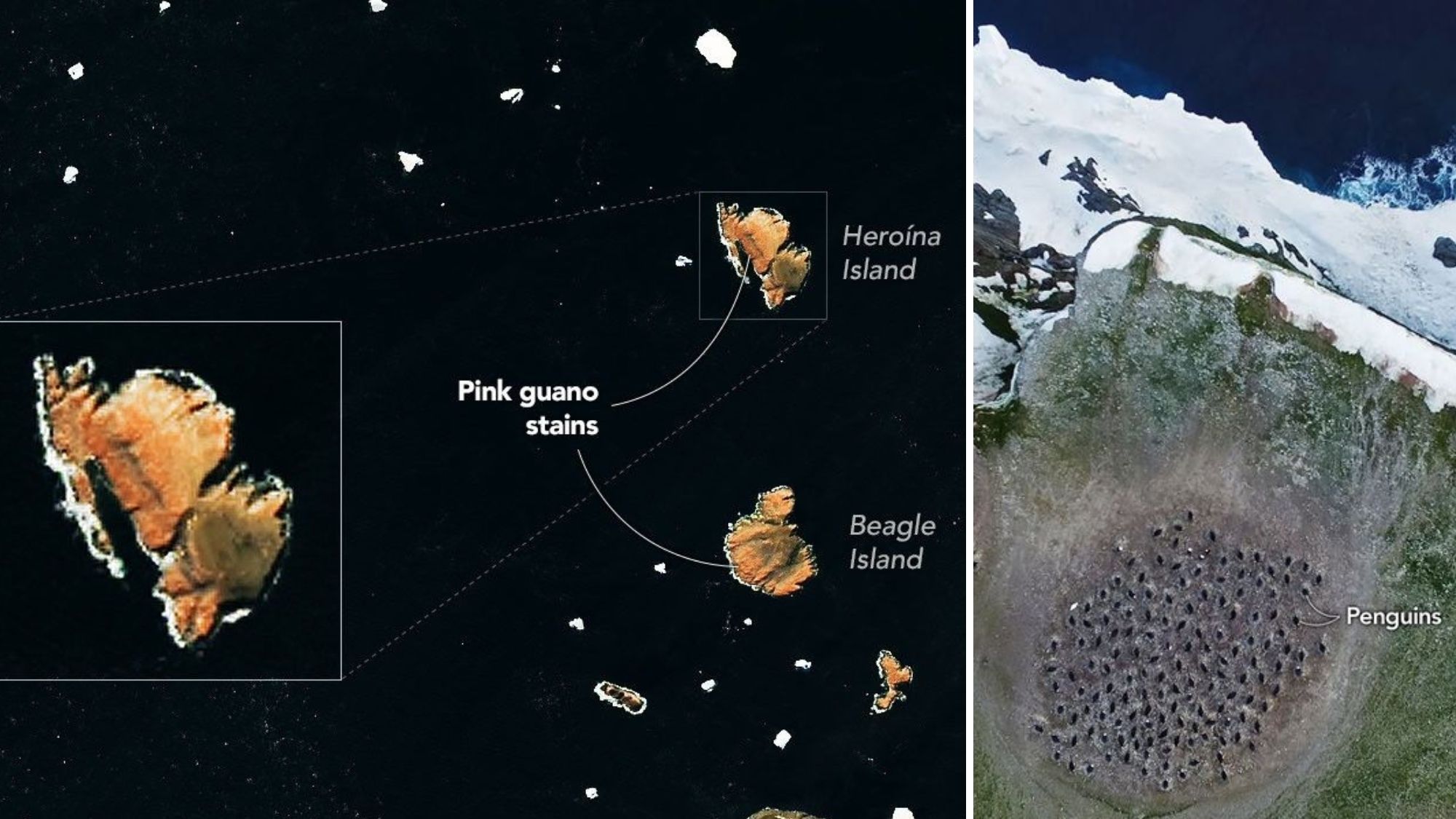
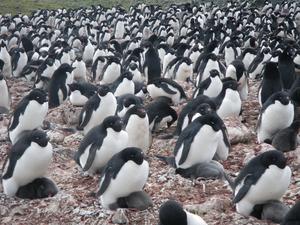
SANTA CRUZ, Calif. – Scientists from a handful of universities across the country have made innovative use of satellite images from NASA: to determine the diet of Antarctic Adélie penguins across the continent by studying their icy feces with the fidelity and frequency that could only be captured by space technology.
The team, whose new study appears in Current Biology, found satellite images to be an ideal way to study colonies across the continent and over the span of decades to figure out what the mid-sized, tuxedo-patterned seabirds eat. This provided measurable insights into how their diets and population correlate to climate-change impacts like shrinking sea ice.
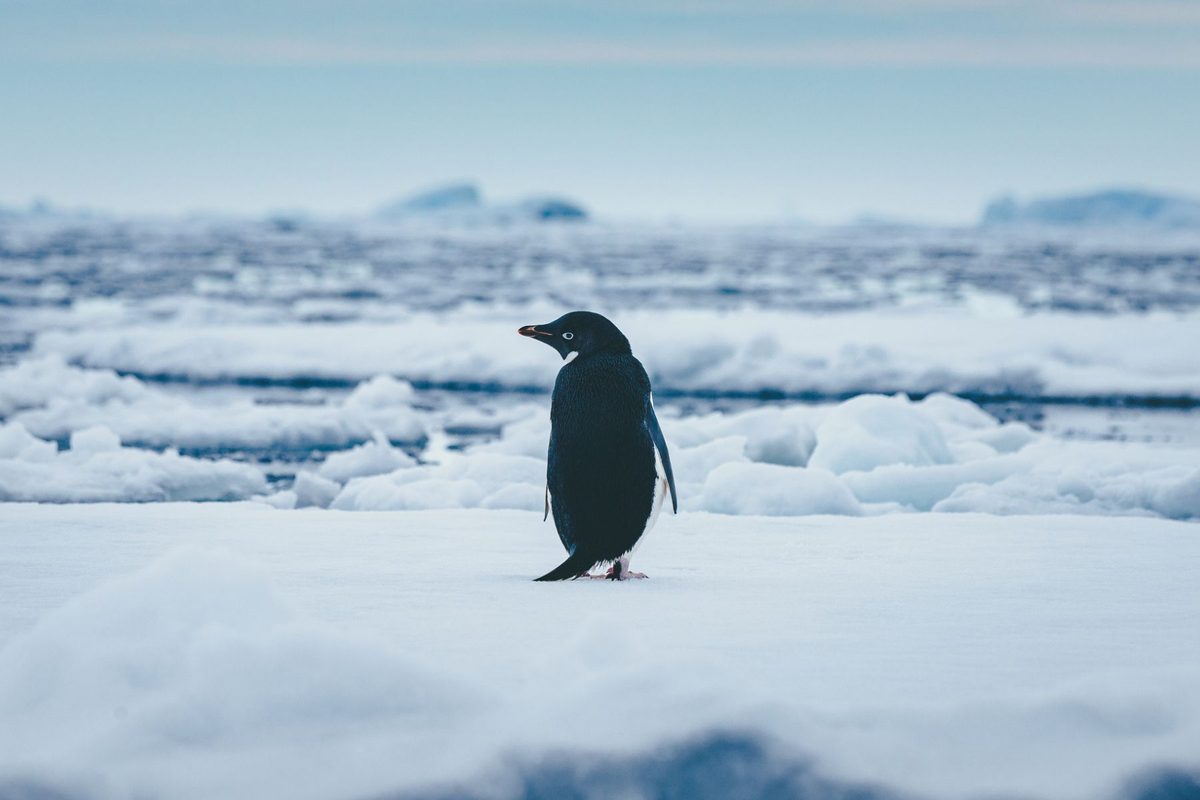
What they found is a concerning trend where global warming is once again threatening an iconic polar species: Over a 30-year period, Adélie penguins in places with more sea ice ate more fish. In years and places with less sea ice, they relied more heavily on krill.
The study also found that diet was linked to long-term changes in penguin populations. Colonies with more krill-based diets were more likely to be declining than colonies with more fish-based diets. Previous research has shown that chicks fed more fish tend to be larger and have better survival prospects than chicks fed more krill. In areas where fish are less available because of a decline in sea ice, penguins may be forced to rely more heavily on krill.