7 min readImage of the Day for August 26, 2026Experts are analyzing decades of images from Landsat satellites for clues about how the iconic birds have responded to sea ice disruptions in the past.NASA Earth ObservatoryAug 26, 2026 Article
View more Images of the Day:
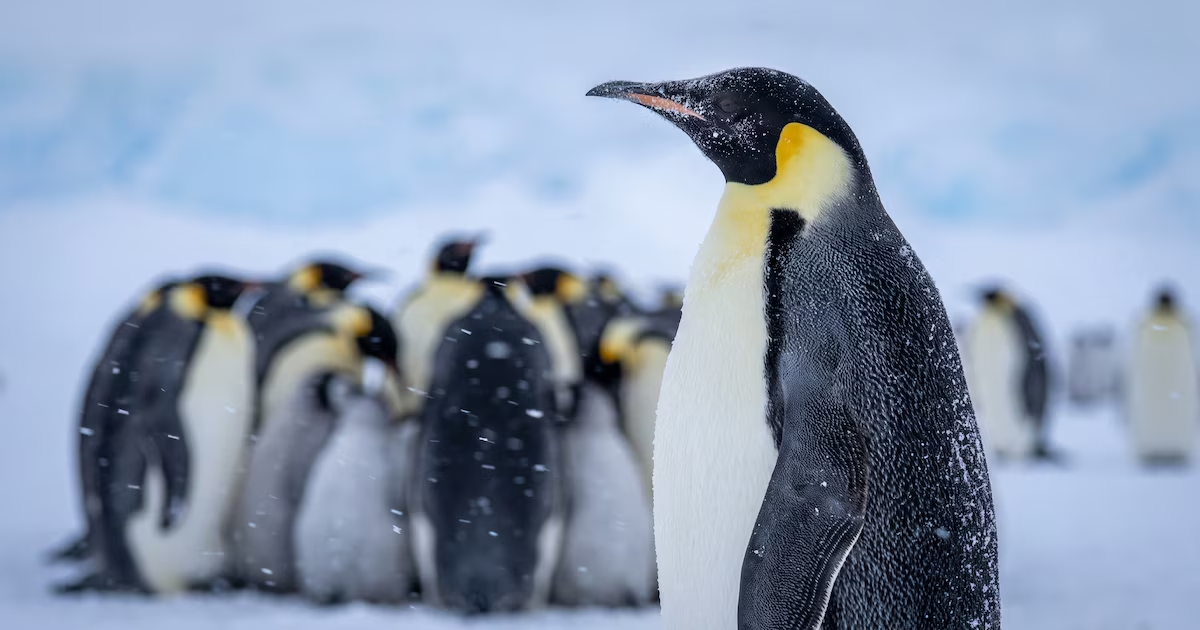
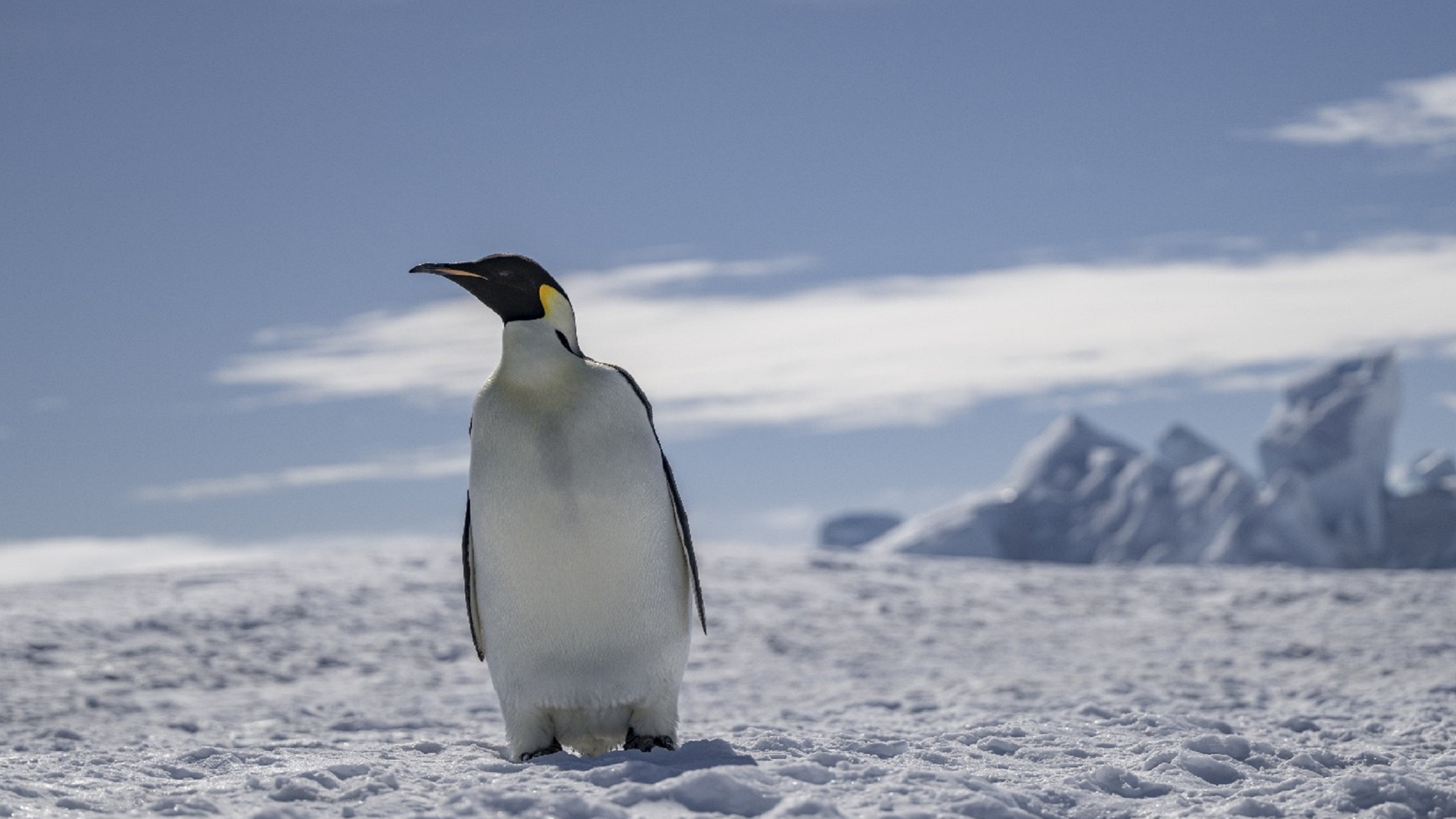
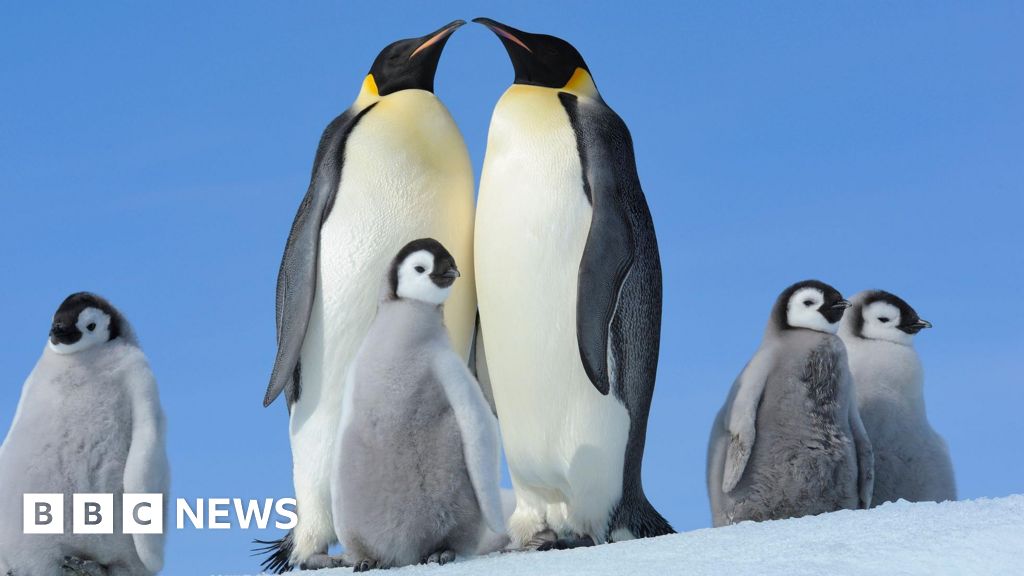
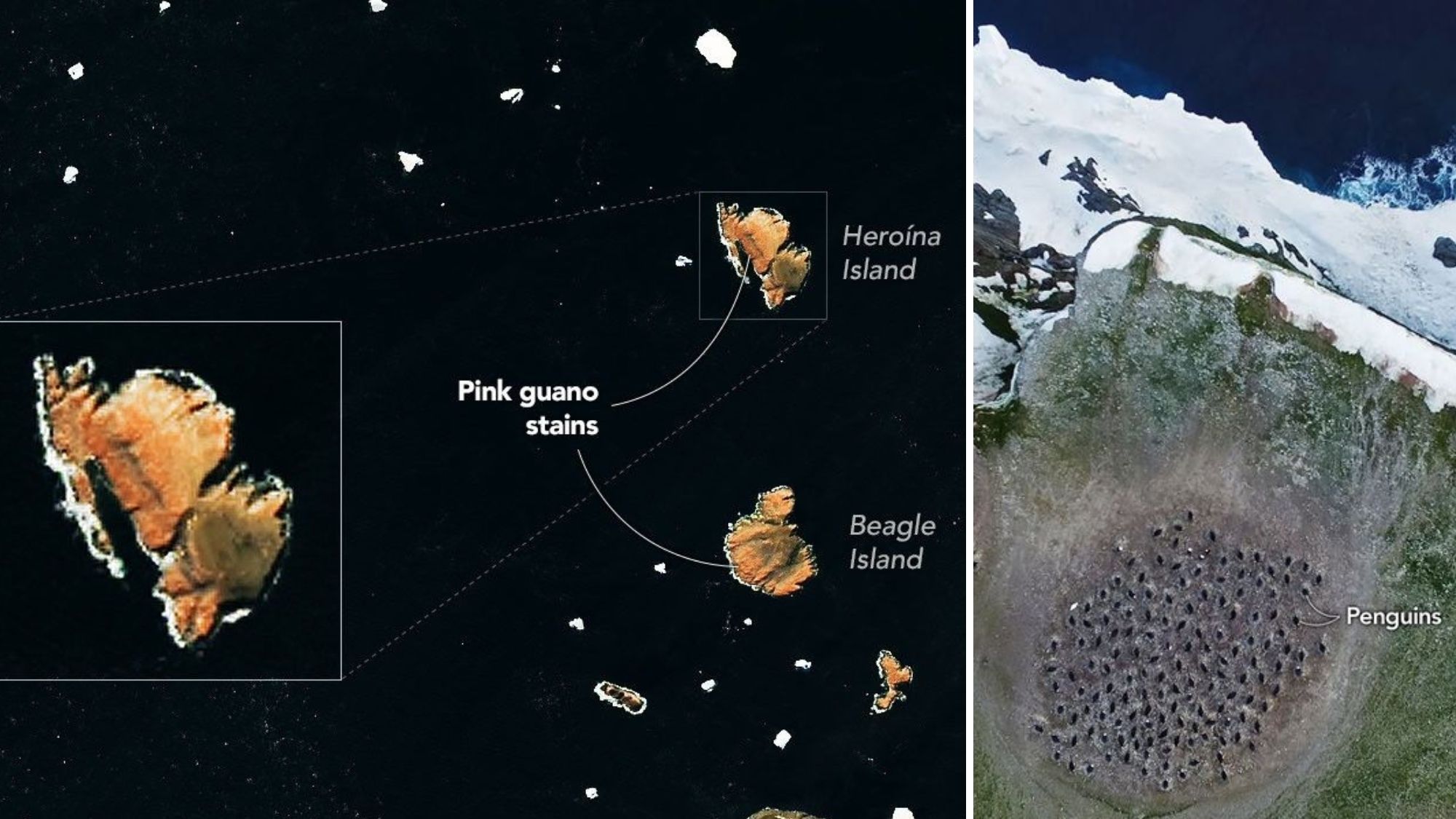
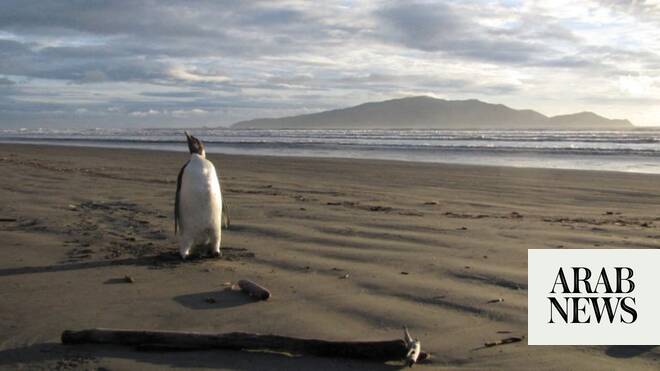
With their charming waddles, heat-conserving huddles, and tuxedo-like plumage, emperor penguins are among the world's most recognizable animals. Recent satellite surveys estimate that hundreds of thousands of the flightless birds live in 66 colonies spread around Antarctica's inaccessible, frozen coastlines. But those numbers could fall in the coming decades because emperor penguins rely on landfast (or fast) ice—a type of sea ice attached to the shoreline—to breed, raise chicks, and molt.
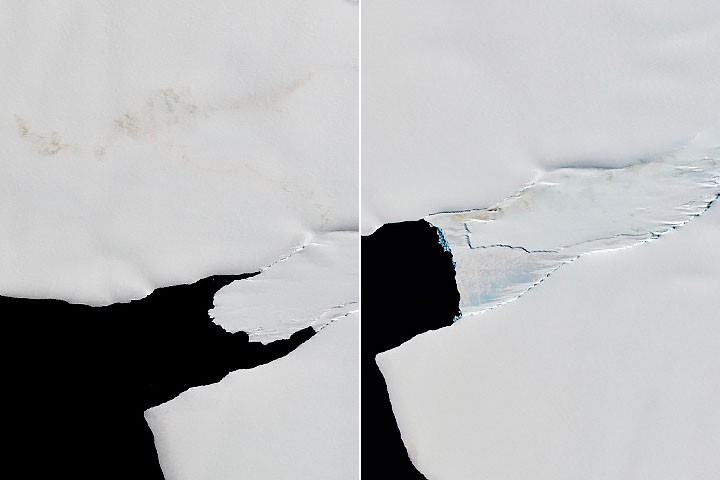
While Antarctic sea ice remained relatively stable between the late 1970s and 2015, it has been declining since 2016, and climate projections suggest that trend will continue. How landfast ice is faring remains poorly understood and is an active area of study. However, one study suggests that it has declined in West Antarctica and the Weddell Sea in recent decades even as it has trended upward in the Bellingshausen Sea and East Antarctica.