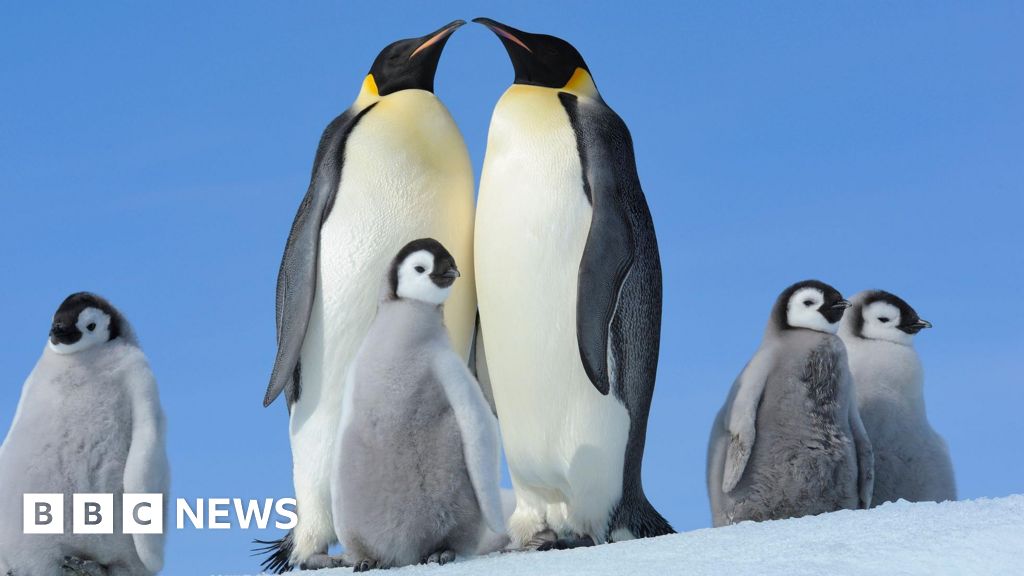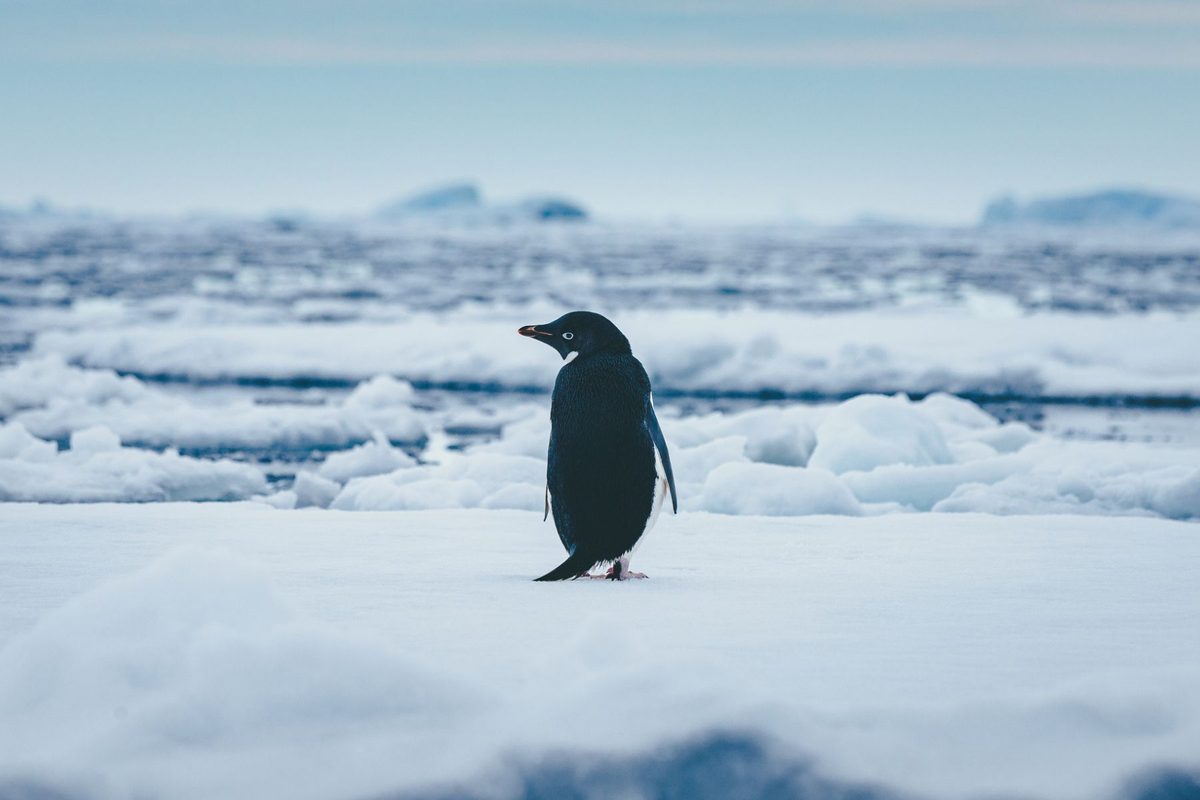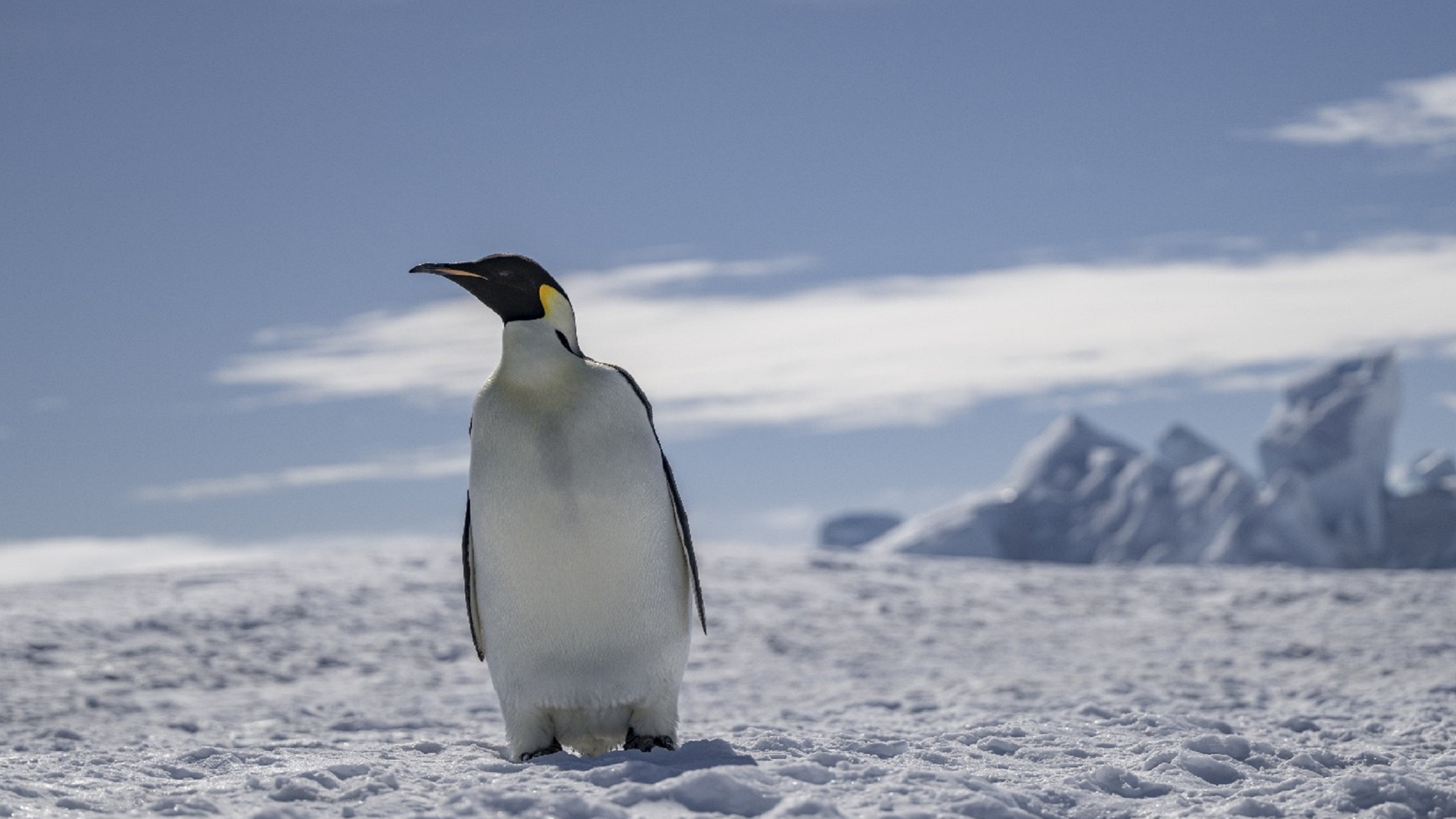
Scientists have discovered new sites in Antarctica where emperor penguins gather for their annual molt, a vulnerable life stage when they shed and replace all their feathers.Through satellite data, they also discovered that many of these sea ice sites might have melted from under the penguins.The discovery suggests that the threats posed by global warming to emperor penguins might be more dire than previously thought.
The plight of the emperor penguin might be more dire than previously thought.
For the first time, scientists have used satellite data to discover new locations in Antarctica where the birds go to shed and replace their feathers every year, an event known as molting. However, they also found that these molting sites might have melted from under the penguins, potentially causing fatalities.
Emperor penguins (Aptenodytes forsteri), native to Antarctica, are the biggest of the penguin species. Since they heavily rely on sea ice for their survival, global warming is one of the major threats to their existence. A 2021 study estimated that the birds could lose 98% of their colonies and become “quasi-extinct” by the end of the century if sea ice continues to decline at projected rates.