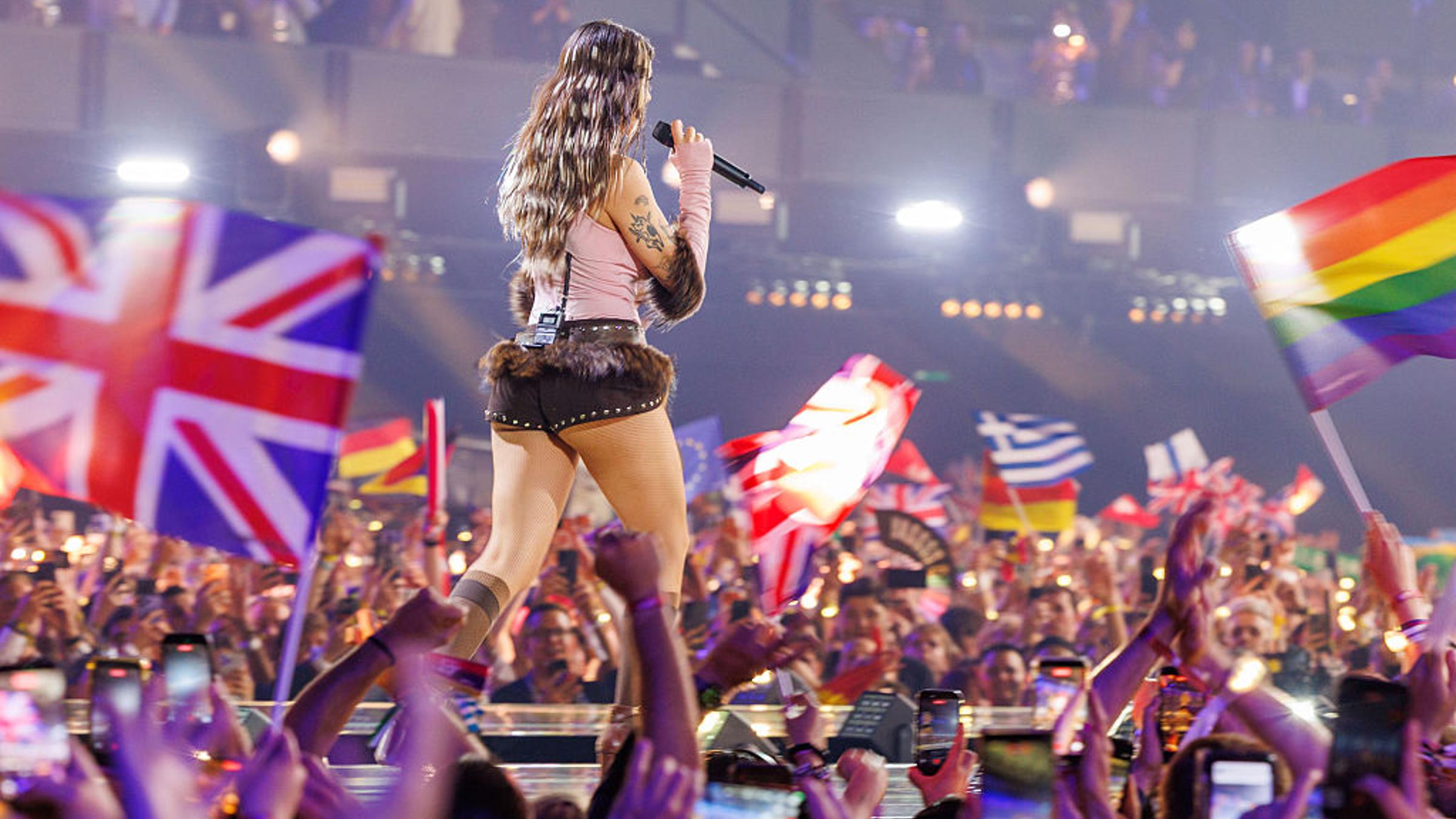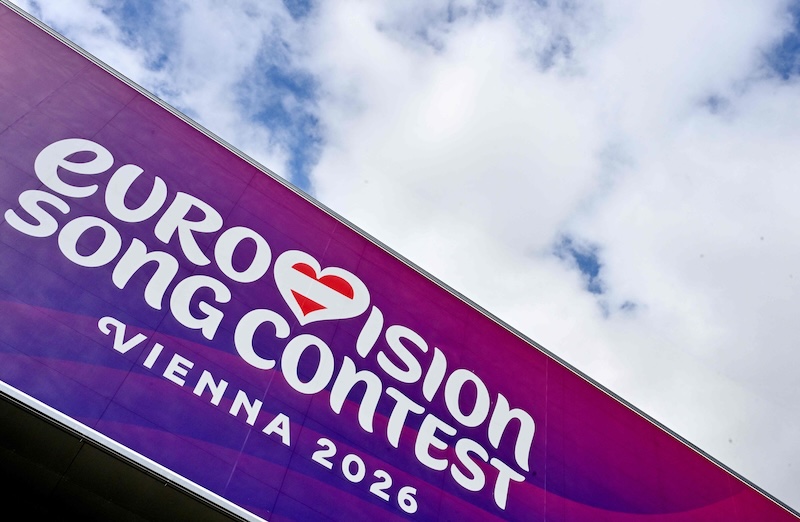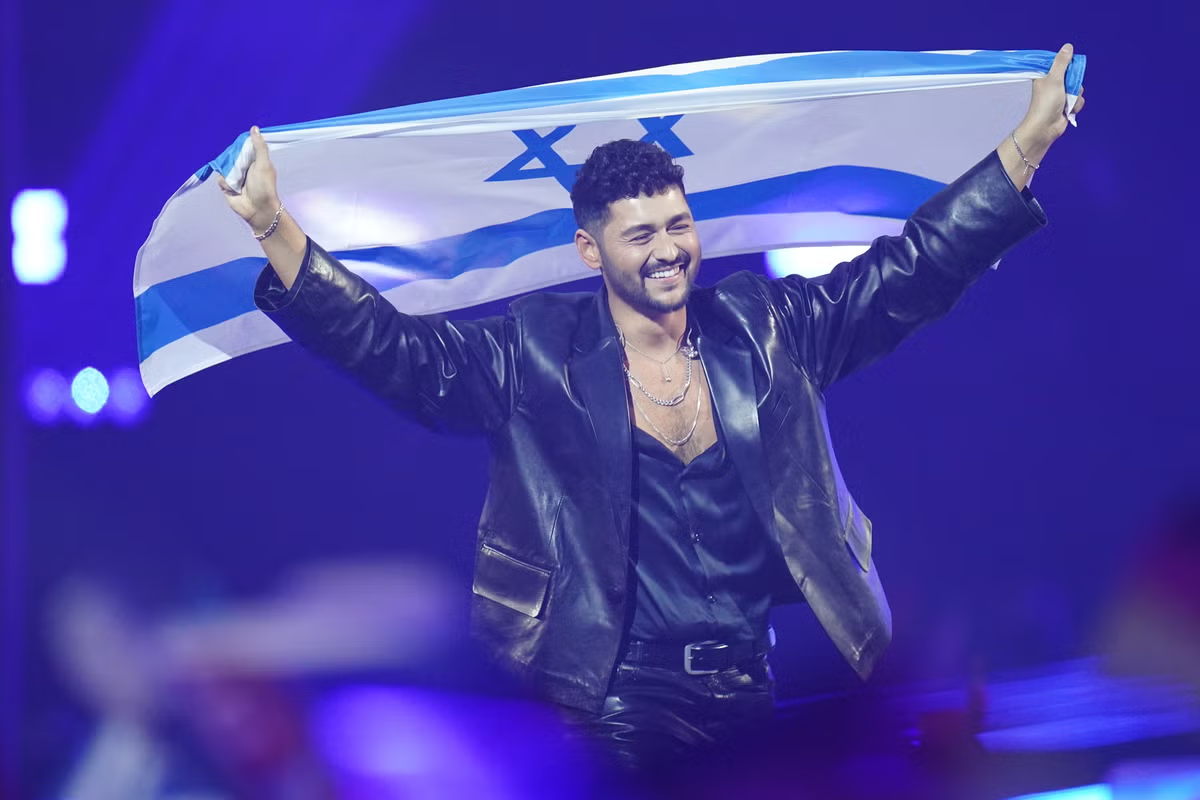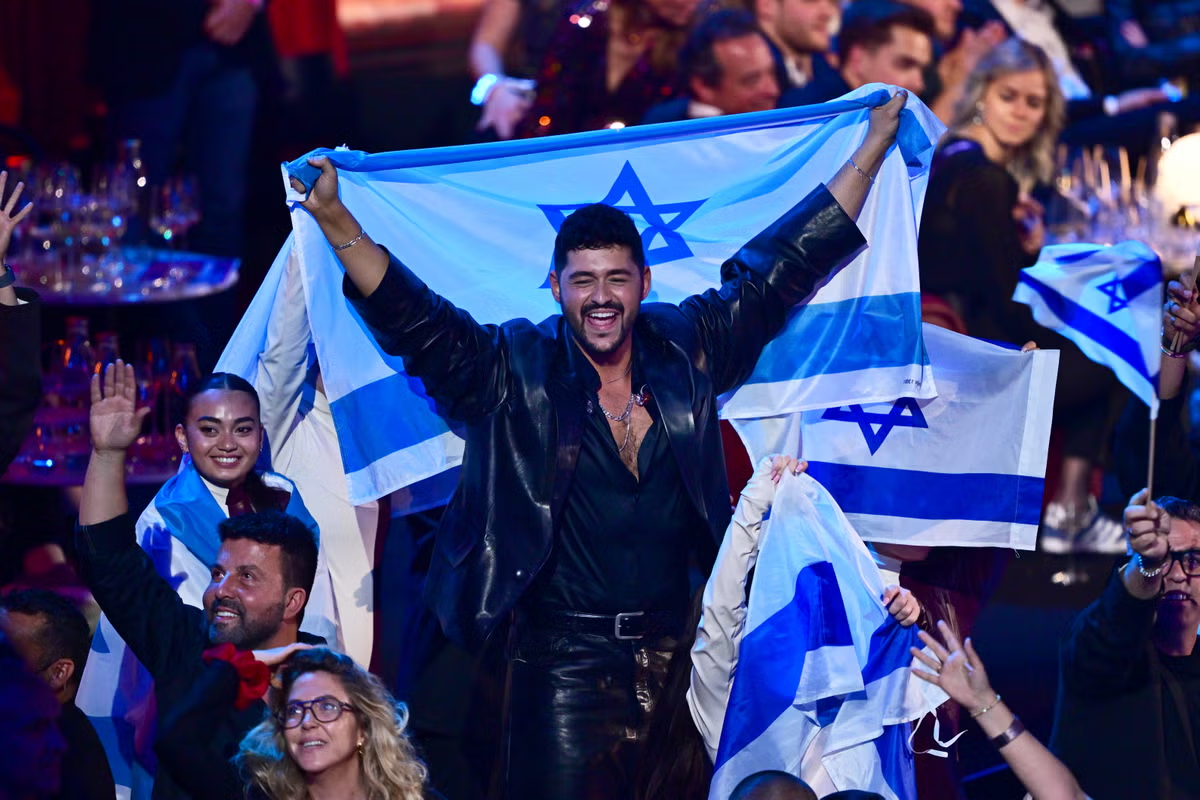
Jump to contentThank you for registeringPlease refresh the page or navigate to another page on the site to be automatically logged inPlease refresh your browser to be logged inAllNewsSportCultureLifestyleThe European Broadcasting Union has updated Eurovision Song Contest regulations for 2027, stipulating that any winning broadcaster will automatically be ineligible to host the event if their country is involved in an “armed conflict” or “sensitive geopolitical situation”. The rule modification comes after several countries, including Spain, Ireland, Slovenia and the Netherlands, threatened boycotts ahead of the 2026 contest in Vienna while demanding Israel's exclusion due to the ongoing war in Gaza. Eurovision Song Contest director Martin Green explained that the revised rules result from member feedback and are designed to provide greater clarity, protect artists, and ensure a fair and safe environment for all participants. Bulgaria is set to host the 2027 competition following the victory of singer Dara in Vienna back in May, while Israel came close to gaining hosting rights after finishing as runner-up in the previous two contests. The new regulation addresses long-standing hosting complexities surrounding conflict-affected nations, such as when Ukraine won the competition in 2022 shortly after Russia's full-scale invasion but was unable to host the following year's event. In fullEurovision organisers announce 2027 rule change for countries at warMore bulletinsThank you for registeringPlease refresh the page or navigate to another page on the site to be automatically logged inPlease refresh your browser to be logged in
Eurovision rule change announced after nations called for Israel to be banned
Jump to contentThank you for registeringPlease refresh the page or navigate to another page on the site to be automatically logged inPlease refresh your browser to be logged inAllNewsSportCultureLifestyleThe European Broadcasting Union has updated Eurovision Song Contest regulations for 2027, stipulating that any winning broadcaster will automatically be ineligible to host the event if their country is involved in an “armed conflict” or “sensitive geopolitical situation”. The rule modification comes after several countries, including Spain, Ireland, Slovenia and the Netherlands, threatened boycotts ahead of the 2026 contest in Vienna while demanding Israel's exclusion due to the ongoing war in Gaza. Eurovision Song Contest director Martin Green explained that the revised rules result from member feedback and are designed to provide greater clarity, protect artists, and ensure a fair and safe environment for all participants. Bulgaria is set to host the 2027 competition following the victory of singer Dara in Vienna back in May, while Israel came close to gaining hosting rights after finishing as runner-up in the previous two contests. The new regulation addresses long-standing hosting complexities surrounding conflict-affected nations, such as when Ukraine won the competition in 2022 shortly after Russia's full-scale invasion but was unable to host the following year's event. In fullEurovision organisers announce 2027 rule change for countries at warMore bulletinsThank you for registeringPlease refresh the page or navigate to another page on the site to be automatically logged inPlease refresh your browser to be logged in