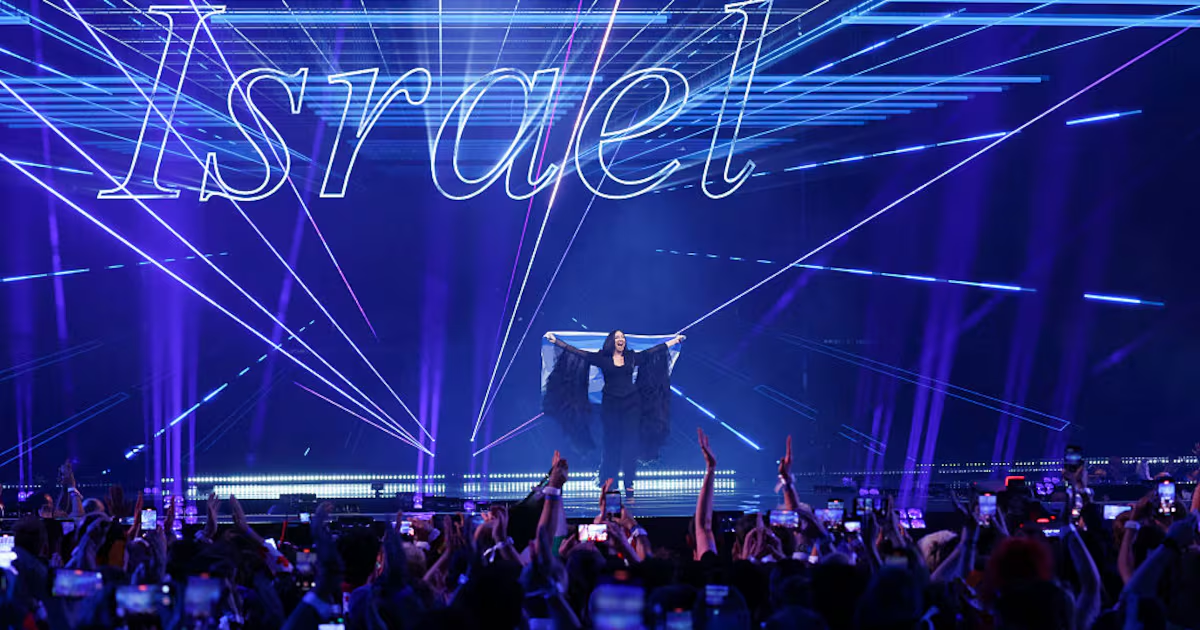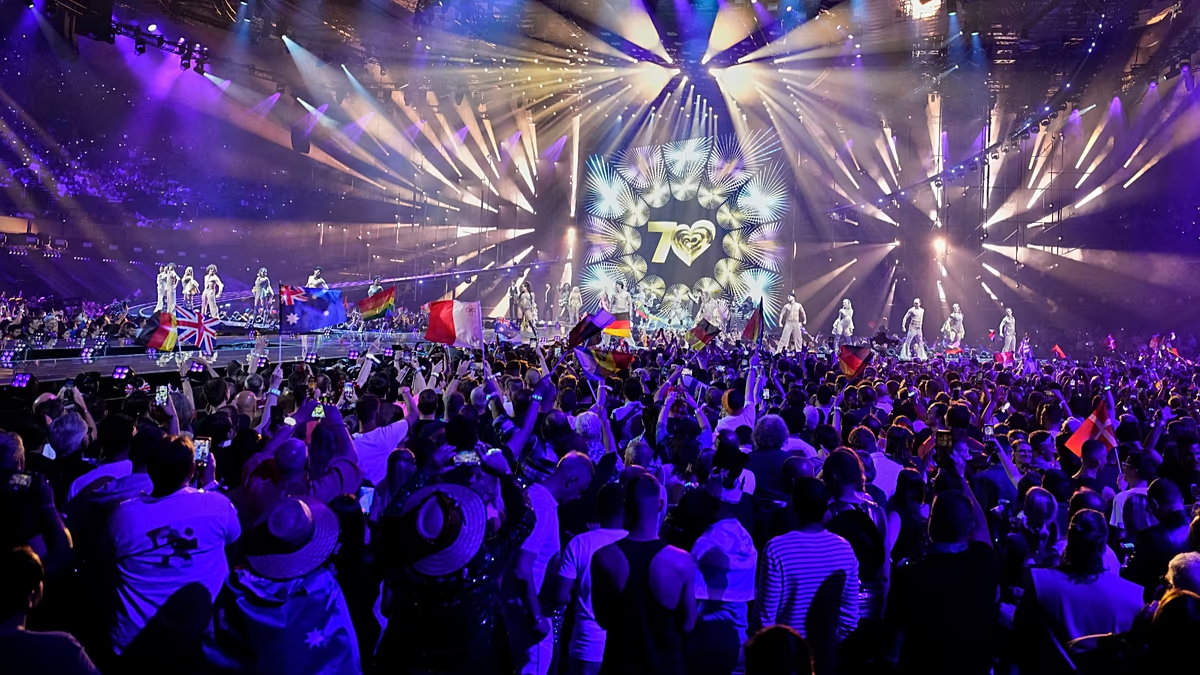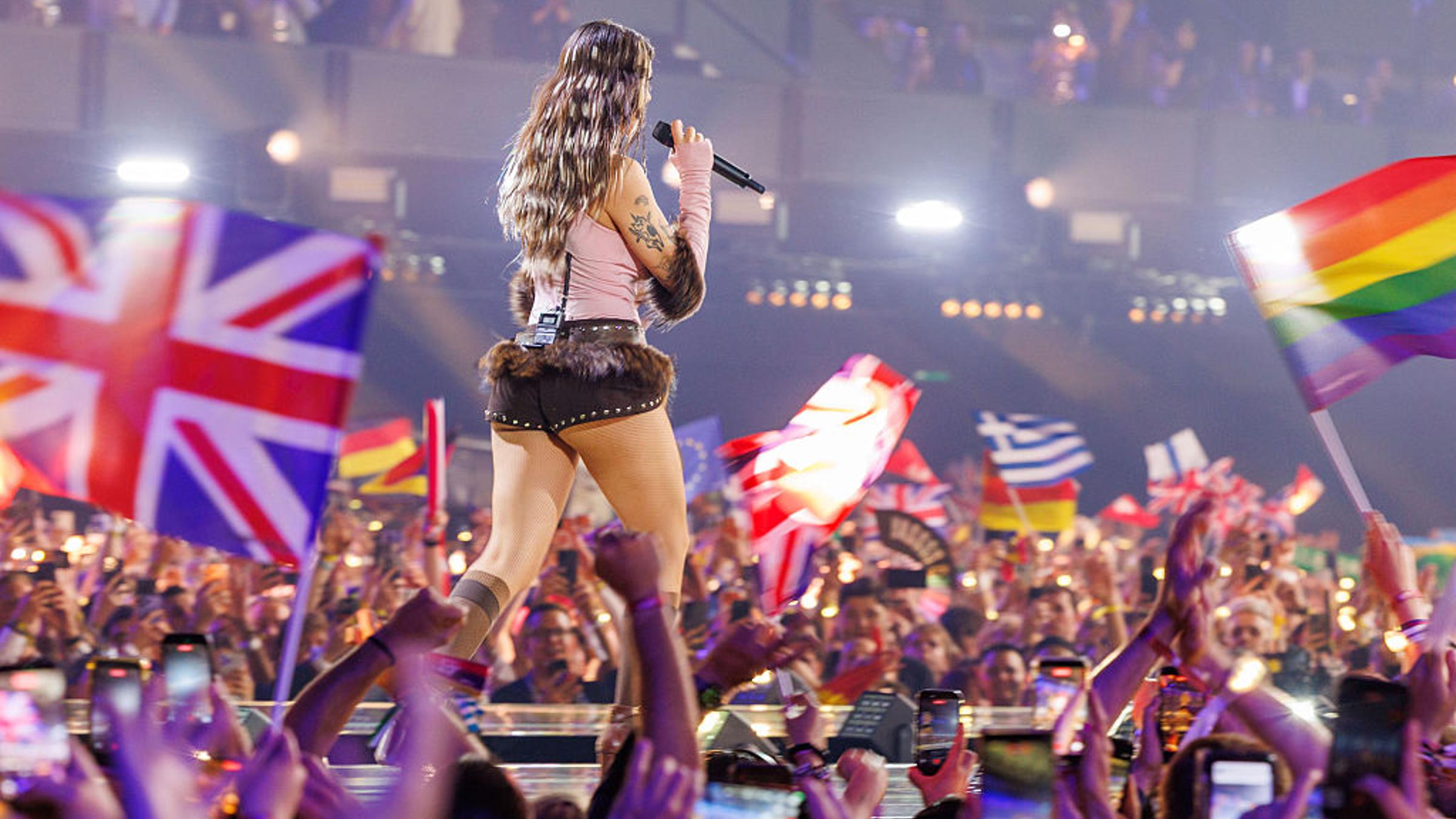
Eurovision, the world’s biggest international song contest, will no longer allow countries at war to host the competition.The winning country typically hosts the next year’s competition, but under the new rules, the winning country will “automatically be ineligible to host the contest if an armed conflict, a sensitive geopolitical situation, or any other situation materially affects the security, safety or stability of their state or immediate region,” Eurovision song contest organizers announced on Wednesday.The change comes after several European countries boycotted this year’s competition over the inclusion of Israel. Israel came second in both the 2025 and 2026 contests, raising questions about whether it would be allowed to host if it won.The contest’s governing body approved the amendment after receiving feedback from participating broadcasters.“These changes are about giving everyone involved greater clarity, protecting artists and ensuring the contest continues to provide a safe and welcoming environment, while preserving the spirit and integrity that make the Eurovision Song Contest so special,” Martin Green, director of the Eurovision Song Contest, said in a statement.Eurovision organizers made several more changes to the competition’s rules, including raising the minimum age for performers as of the first day of rehearsal from 16 to 18.ControversyFive countries—Spain, Iceland, Ireland, the Netherlands, and Slovenia—boycotted this year’s competition in Vienna, Austria, in May after the European Broadcasting Union refused calls to suspend Israel from the contest. Ireland’s public broadcaster RTÉ said in a September statement that its “participation would be unconscionable given the ongoing and appalling loss of lives in Gaza.” José Pablo López, president of Spain’s public broadcaster RTVE, said that same month that “it was about time to break the silence within the EBU regarding the genocide in Gaza.”Broadcasters also argued that the competitors of Eurovision are not ordinary performers but representatives of their nations. Eurovision “is not merely a song contest,” López said. It’s “the most politicized festival in existence.”The broadcasters’ decision to withdraw from the contest marked the largest multinational political boycott in Eurovision history.The boycott came amid intense backlash from the public over the inclusion of Israel in the competition despite its military occupation and bombardment of Gaza, which has killed more than 73,000 people since Oct. 7, 2023.Israel has participated in Eurovision since 1973, becoming the first non-European country to join the competition. Because Eurovision is run by public broadcasters that are part of the EBU, it includes EBU members outside Europe, such as Canada, which will be eligible to participate in the song contest in 2027 after its broadcaster joined the union in 2026. Bulgaria is set to host the 2027 competition.But Israel’s inclusion in recent years raised questions about whether the competition was taking a consistent stance towards countries at war. Eurovision banned Russia from participating in the contest after it invaded Ukraine in February 2022, arguing that its inclusion would bring the contest into disrepute. Later that year, the EBU indefinitely suspended Russian state broadcasters from its governance and membership.After Israel finished second in both the 2025 and 2026 contests—results that also drew scrutiny over allegations of government interference, which the country denied—some broadcasters reportedly expressed safety concerns if the contest were to be hosted there in the future. (An investigation by Eurovision News Spotlight found that the Israeli government had funded an extensive online campaign for its 2025 entry. The EBU maintained that the result was valid but introduced new restrictions this year prohibiting disproportionate promotion, including state-backed campaigns. It formally warned Israeli broadcaster KAN over videos urging viewers to cast all 10 of their votes for Israel. The broadcaster denied wrongdoing and the EBU said the videos did not affect the results of the competition.)Eurovision has moved competitions before due to geopolitical issues, although there has not been a formal rule until now. Ukraine hosted Eurovision in 2017 in spite of fighting between Ukrainian forces and Moscow-backed separatists in the east. The country won again in 2022, but the 2023 competition was ultimately hosted in Liverpool, U.K., on Ukraine’s behalf.The new rule also institutionalizes a process to determine whether a winning country not at war is eligible to host. The EBU said it could commission an independent security assessment to determine whether a winning country can safely host the event, and if not, the EBU will appoint another host country.Under the new rules, an appointed host country would also organize the contest “in its own right” and “will not be required to stage the event on behalf of another member.” That change differs from the 2023 competition for which British and Ukrainian broadcasters collaborated on the production of the competition.
Eurovision Bars Warring Countries From Hosting
The change comes after several European countries boycotted this year’s competition over the inclusion of Israel.
762 words~3 min read