The International Energy Agency is now warning that the disruption unfolding in 2026 could rival that history.
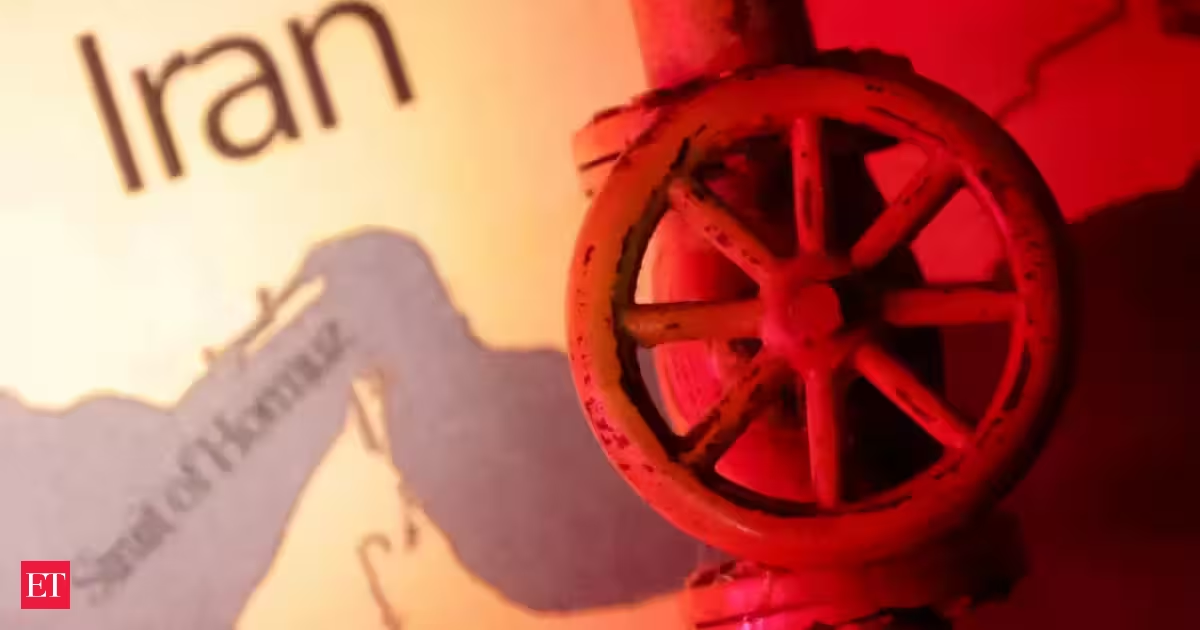
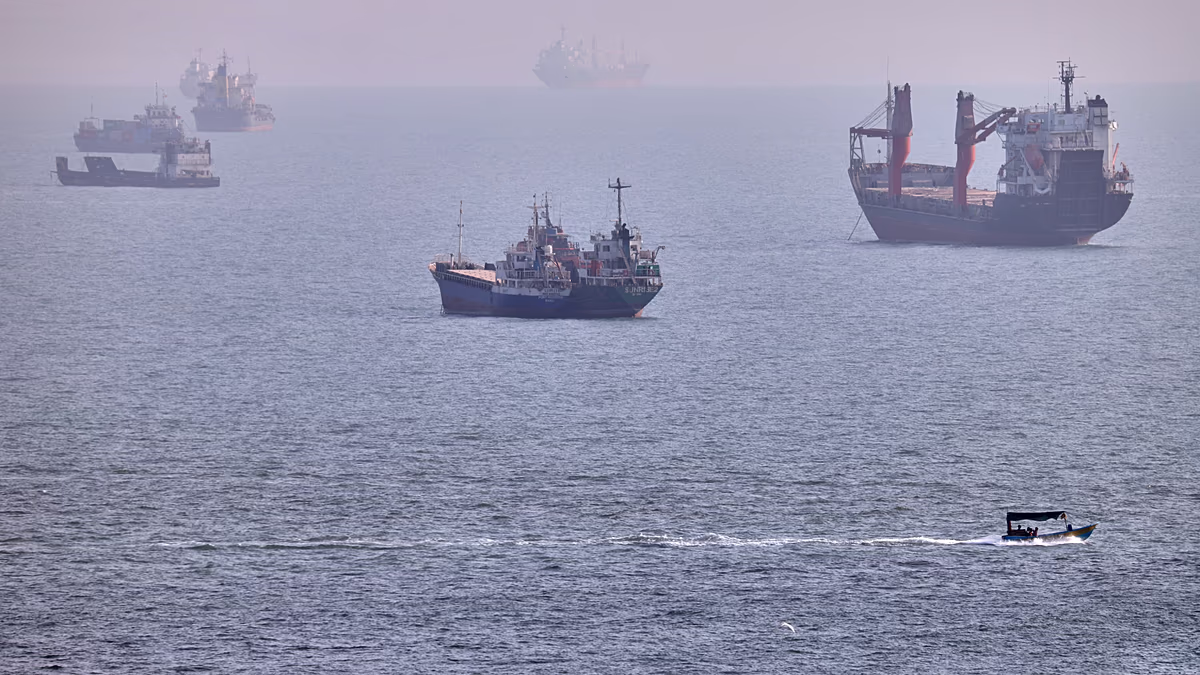
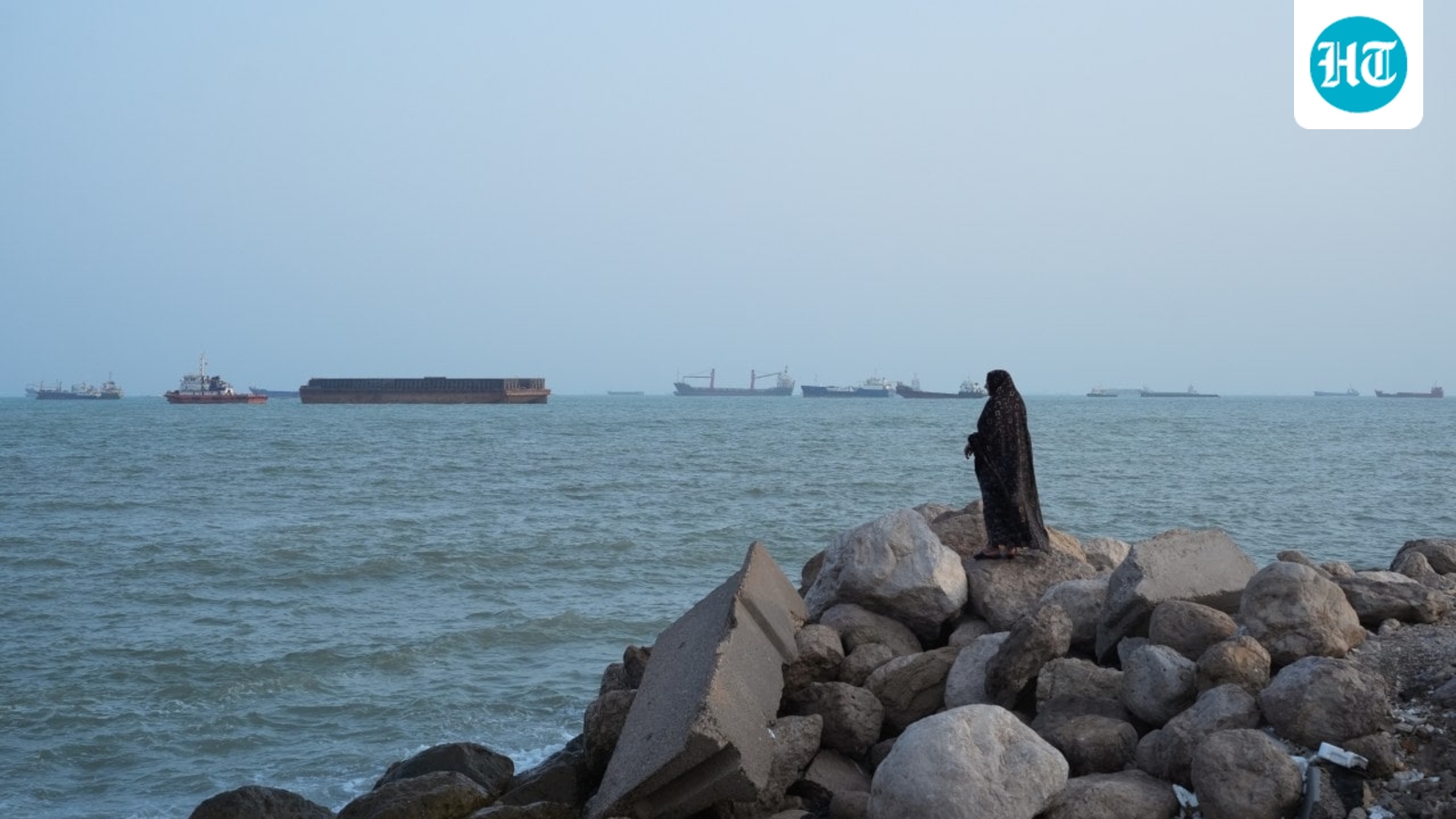
A conflict that began on February 28, 2026 has effectively choked off one of the planet’s most critical energy arteries. The Strait of Hormuz, which previously carried roughly 20 million barrels per day of oil to world markets, saw flows collapse to just 2.7 mb/d during the March-through-May peak of hostilities. That is a drop of more than 85 percent on one of the most transited waterways on Earth.
The numbers are staggering
The IEA’s May 2026 Oil Market Report put the damage in annual terms: global oil supply is projected to fall 3.9 mb/d year-on-year, landing at approximately 102.2 mb/d for 2026, assuming transit through the strait gradually resumes from June onward.
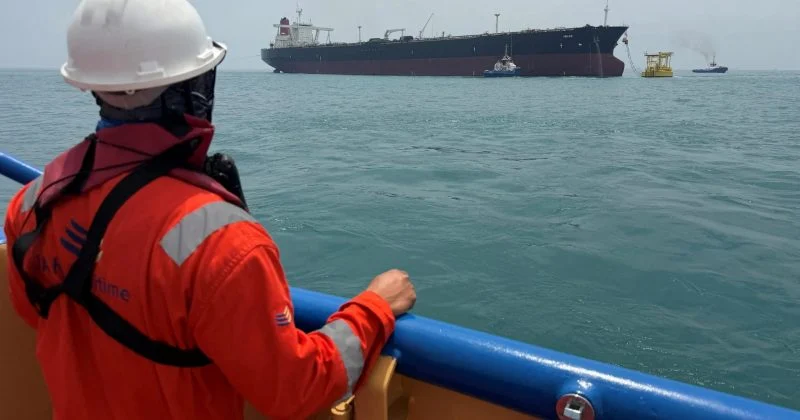
An interim ceasefire between the US and Iran allowed tanker flows to recover somewhat in June, pushing monthly supply back up by 4.1 mb/d to 98.8 mb/d. Then renewed hostilities broke out in early July, clouding the picture again.