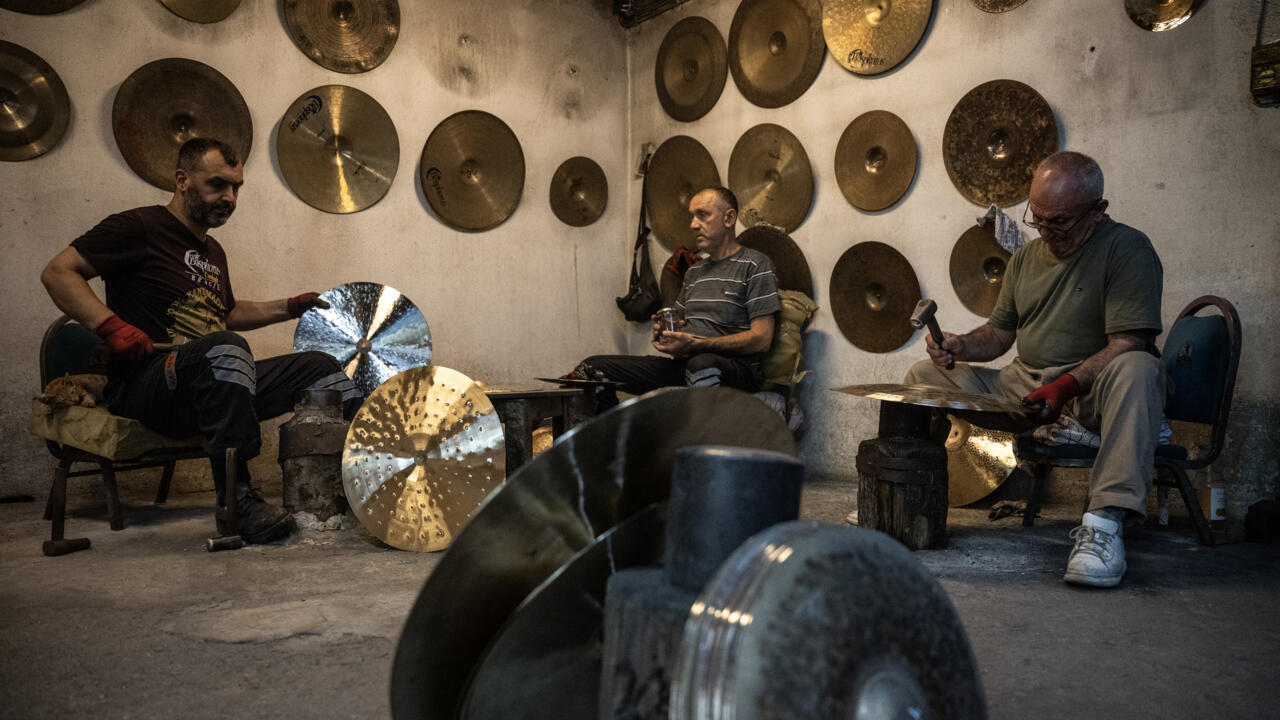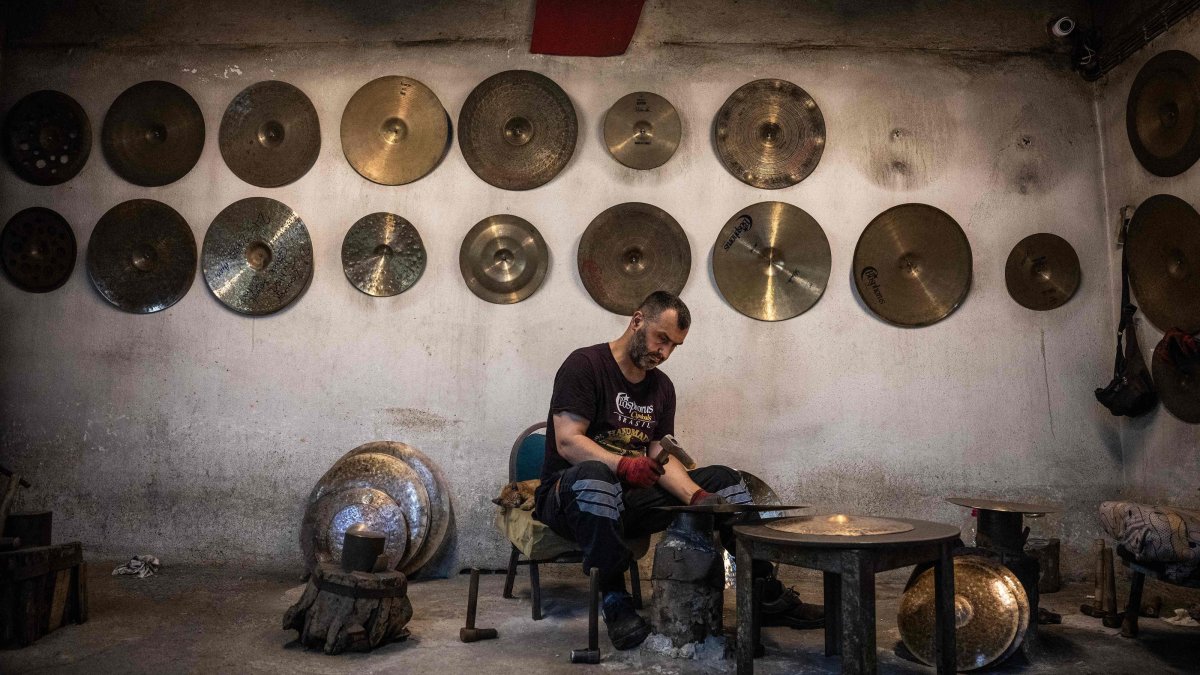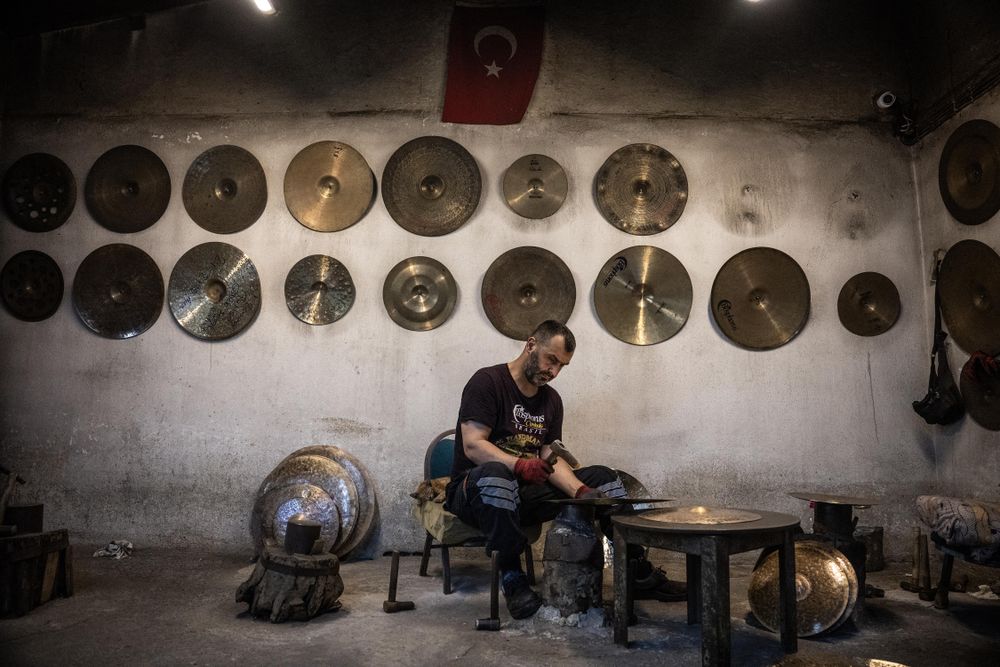
A worker hammers a cymbal at a workshop in Istanbul. First used by Ottoman military "mehter" bands to frighten and demoralise the enemy, cymbals were a useful tool for an empire on the warpath. But it would take the skill of an 17th-century Armenian alchemist called Avedis Zildjian to transform them into a percussion instrument we know todday.
The rhythmic clanging of hammers on bronze echoes through the Istanbul workshop where three craftsmen are landing blows with astonishing precision to transform featureless metal discs into highly prized handcrafted cymbals.
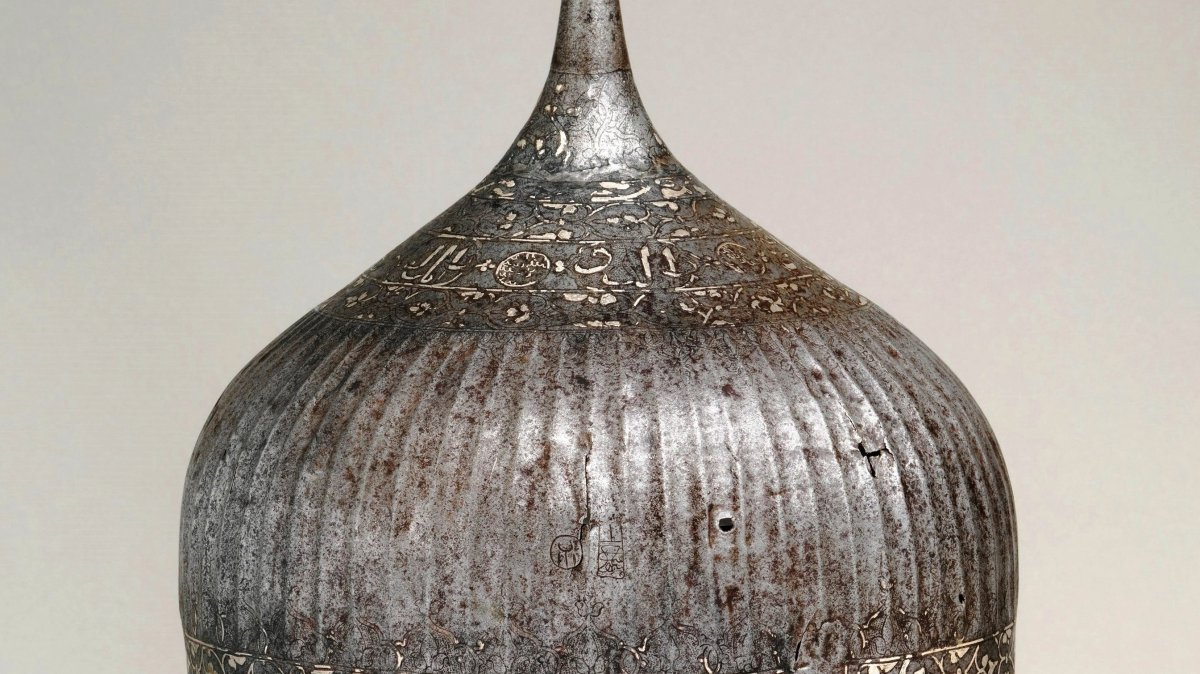
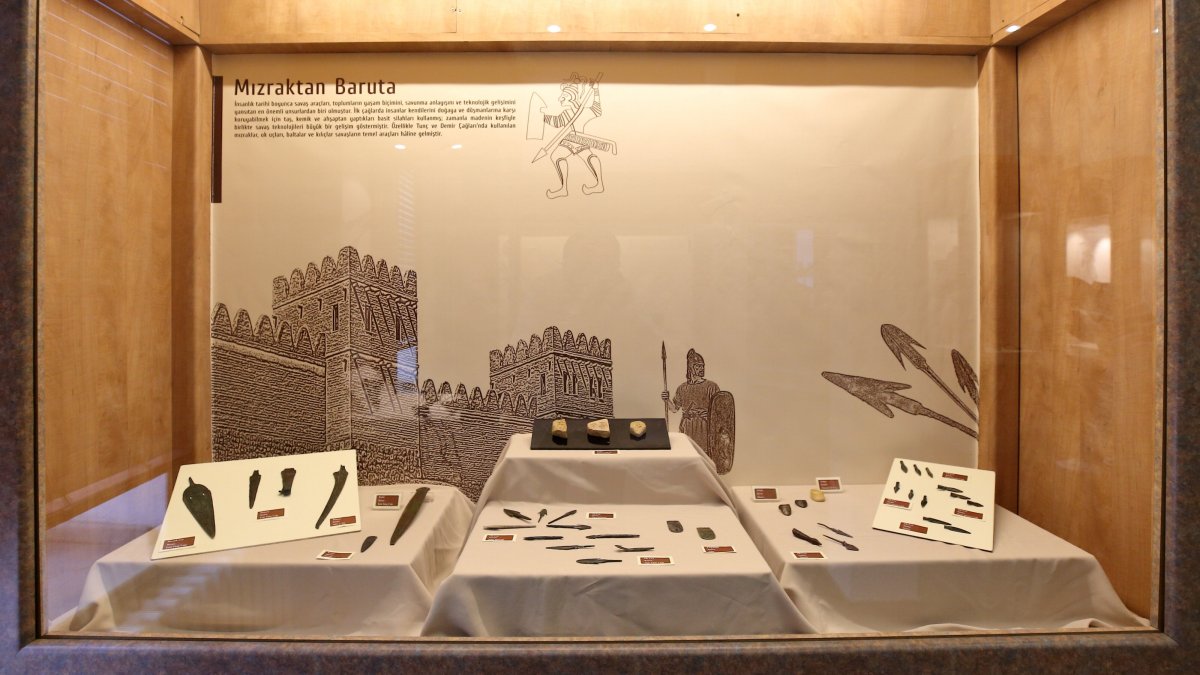
First used by Ottoman military "mehter" bands to frighten and demoralise the enemy, cymbals were a useful tool for an empire on the warpath.
But it would take the skill of a 17th-century Armenian alchemist called Avedis Zildjian to transform them into a percussion instrument whose exotic sound would first captivate Europe's classical composers and then shape the world of jazz.
Although cymbals existed long before Zildjian, he developed a unique alloy and special process for treating the metals that made them less fragile, winning plaudits in 1623 from the Ottoman sultan who let him set up a workshop.