Small stone structures once used to help people mount horses are quietly preserving traces of Istanbul’s Ottoman-era transportation culture, although many have disappeared as the city modernized.
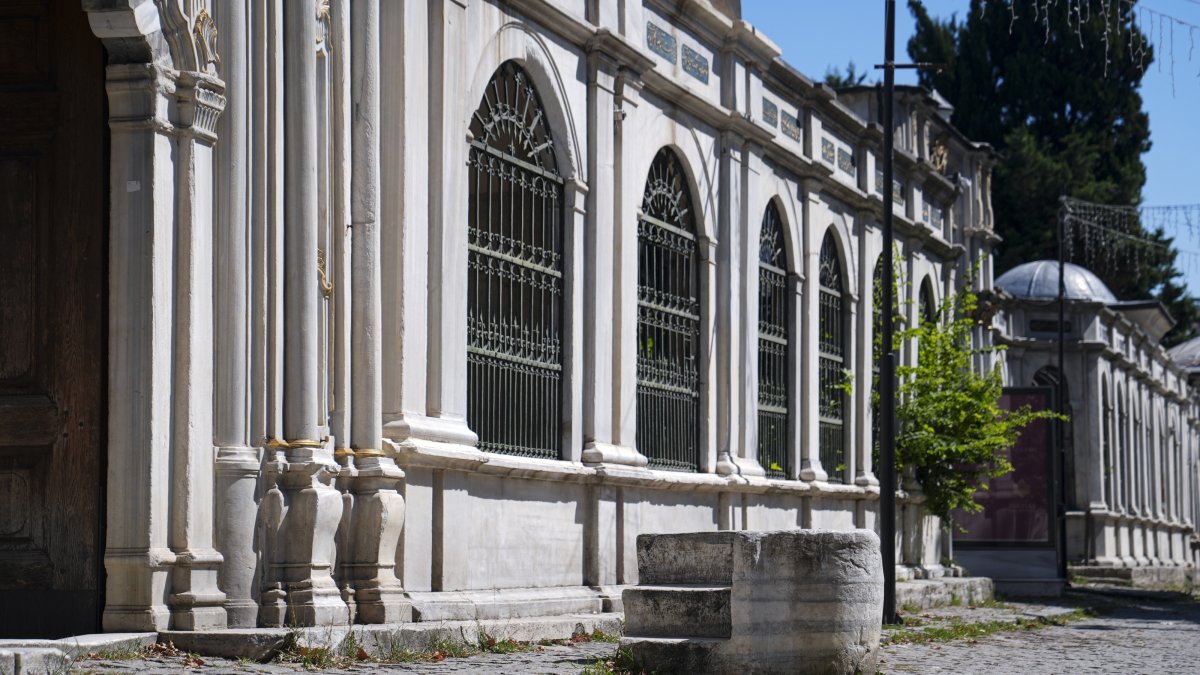
Known as “binek taşları” (mounting stones), the structures were generally positioned at roughly the same height as a horse’s stirrups, allowing riders to mount and dismount more easily. They were used along routes frequented by sultans, members of the imperial family and state officials, as well as outside the homes of prominent figures.
Their presence reflected the importance of horses in Ottoman society, where the animals were associated not only with transportation but also with power, prestige and social status.
Notable surviving examples can be found at several historic sites across Istanbul, including Aya Irini, Babüsselam, Eyüp Sultan Mosque, Cülus Road, Fatih Mosque, Süleymaniye Mosque and Üsküdar Kara Davud Pasha Mosque.
Kubilay Arpacı, a research assistant in the Department of Art History at Istanbul Medeniyet University, explained that the stones were primarily functional architectural elements designed to make it easier for people to mount horses and horse-drawn carriages.