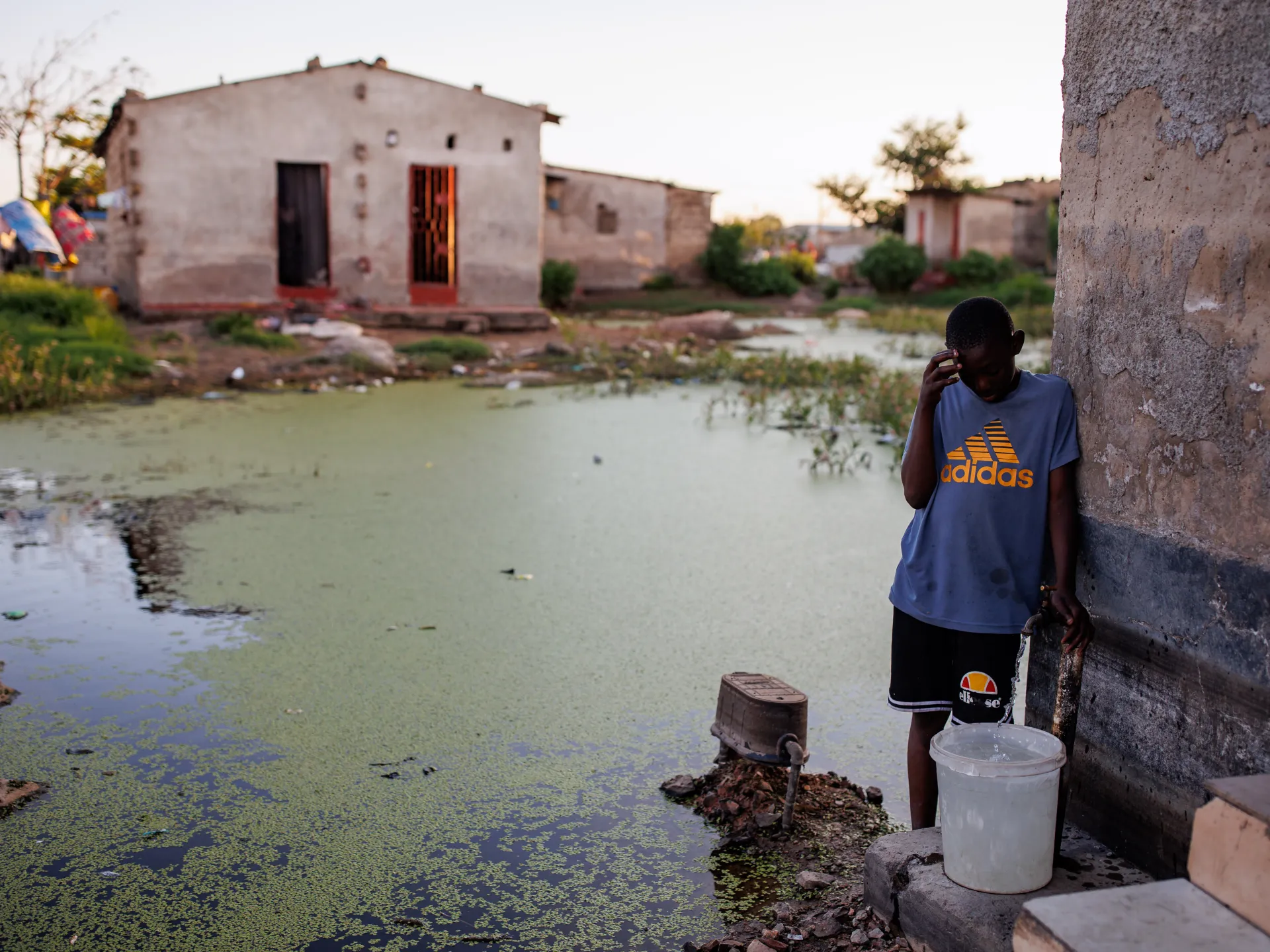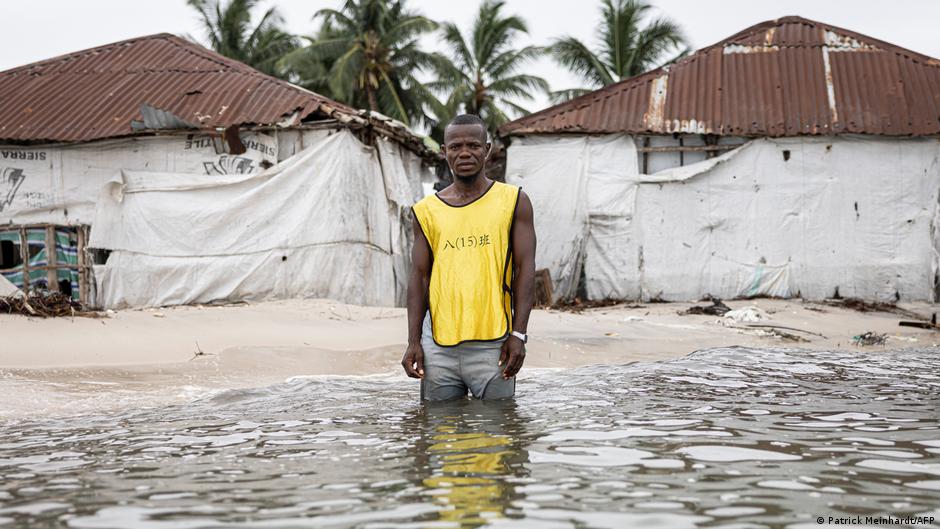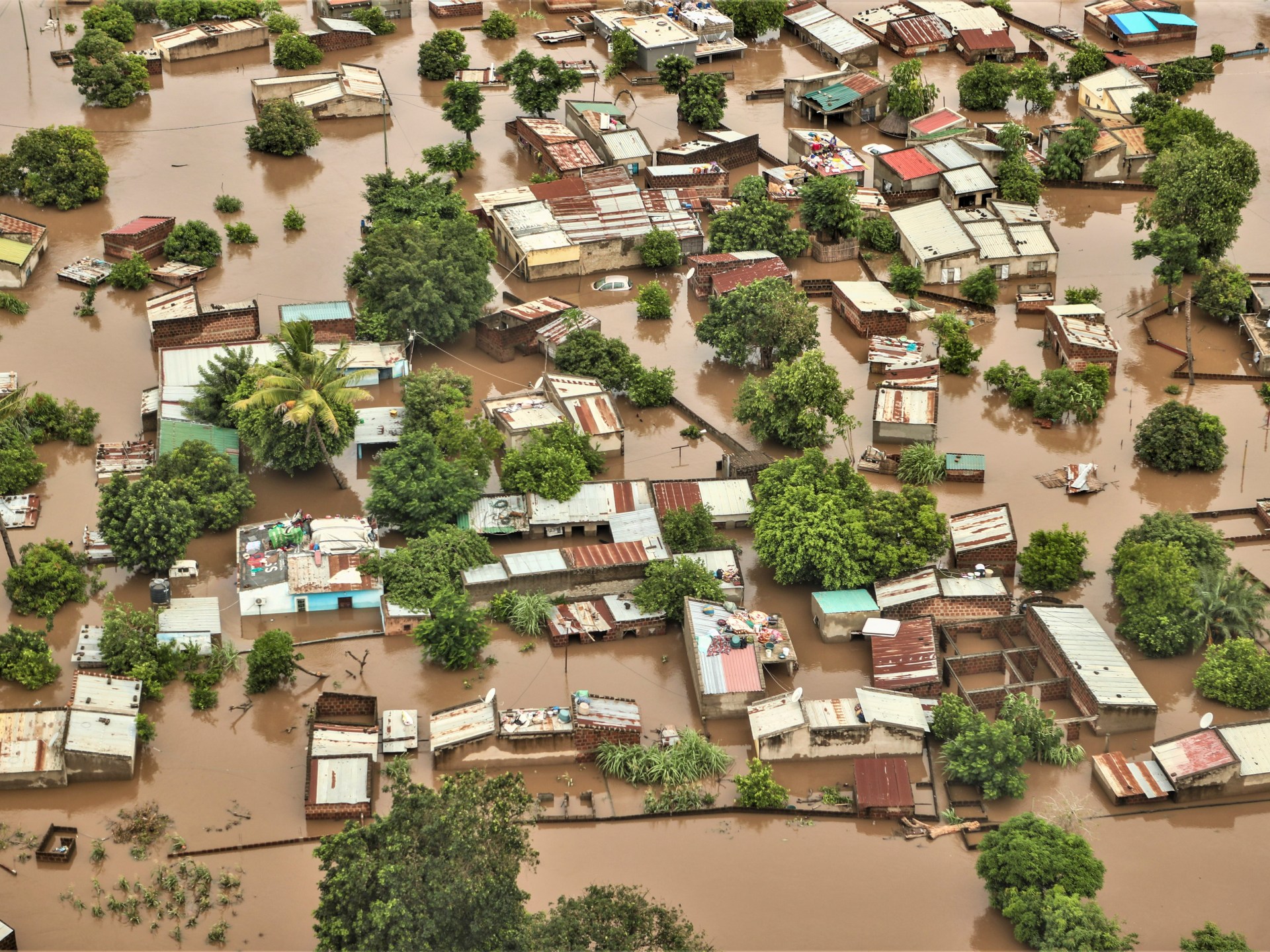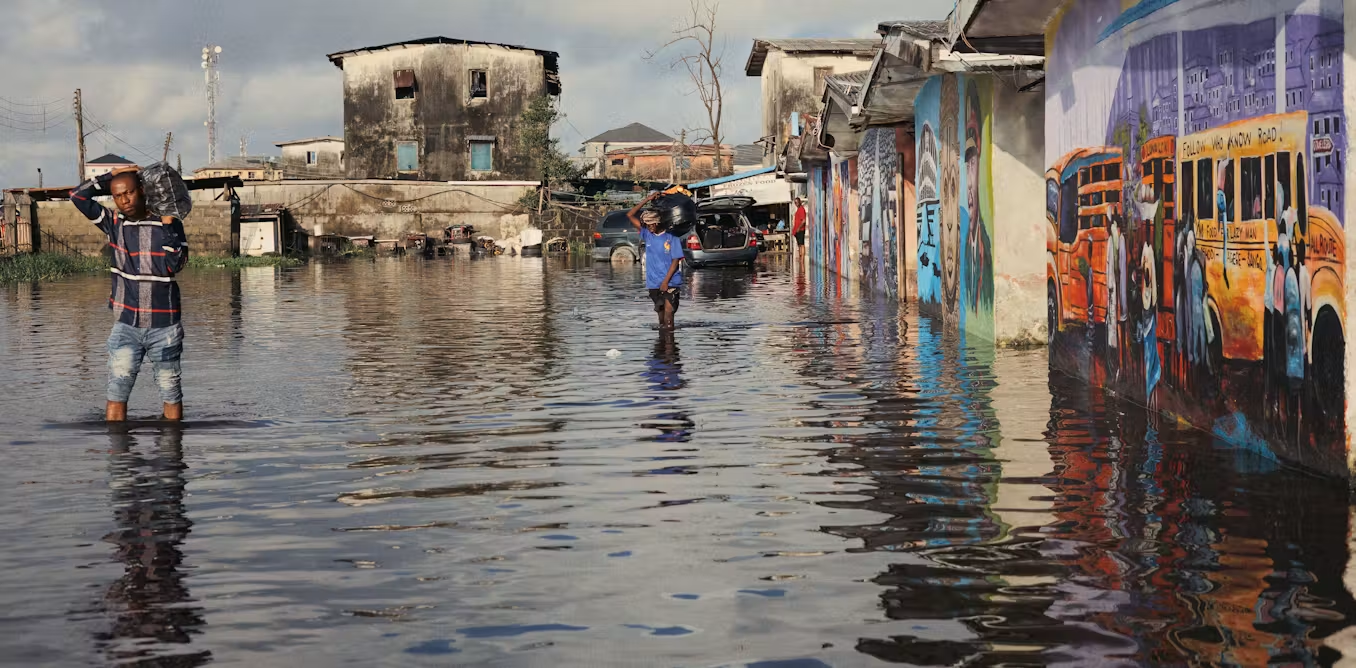
Multiple and often overlapping crises such as floods or drought due to climate change, violent conflict and economic instability are creating new forms of vulnerability. Collectively they’re known as a polycrisis. These have severe effects on countries in sub-Saharan Africa with high poverty levels where weak institutions and limited public resources make it harder to respond effectively.
Vidya Diwakar is a senior research fellow at the Institute of Development Studies and the deputy director of the Chronic Poverty Advisory Network. Her research focuses on poverty dynamics, violent conflict and intersecting crises, gender and education. She answers questions about her book Poverty in Polycrisis: Dynamic Pathways for Lasting Change.
What gap does your book seek to fill about understanding poverty?
The world now experiences increasingly interconnected crises with climate-related disasters, economic instability and violent conflict. These crises often overlap, and their effects build up to create new forms of vulnerability, making it harder for people to get out of poverty.
Consider the story of Aisha (anonymised), a woman our team interviewed in Borno, Nigeria. Aisha was once a successful farmer. But she now finds herself trapped in poverty after a series of crises. In 2013, Boko Haram killed her husband and three of her children, left her injured, and forced her and her remaining family to flee their village to a nearby settlement for internally displaced people.