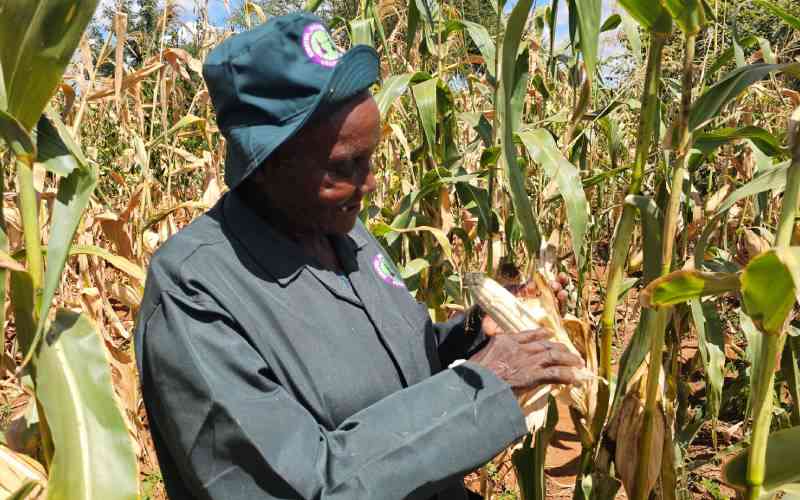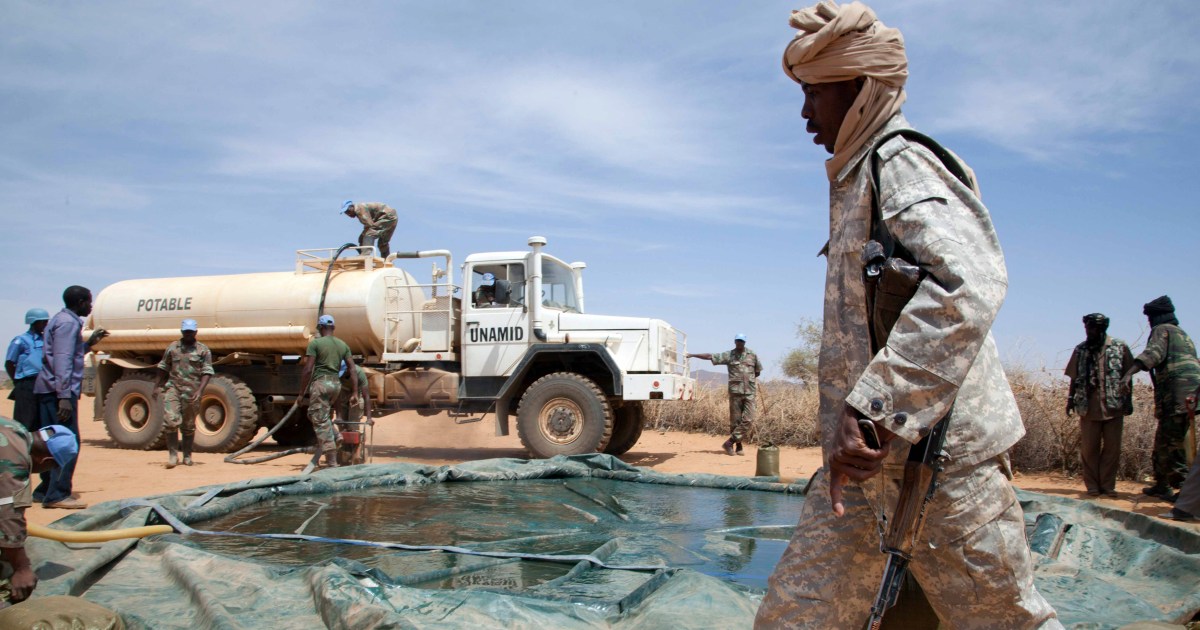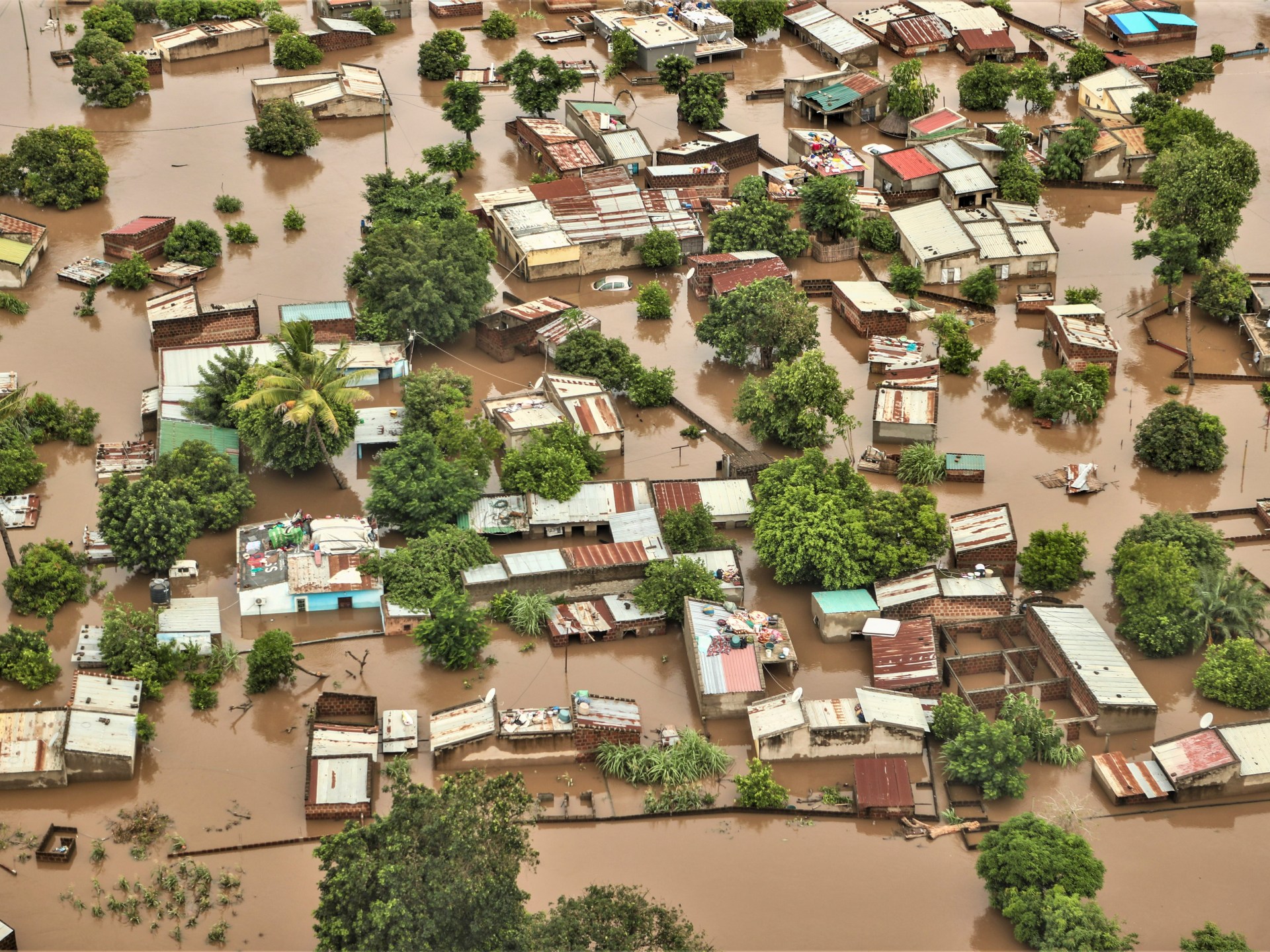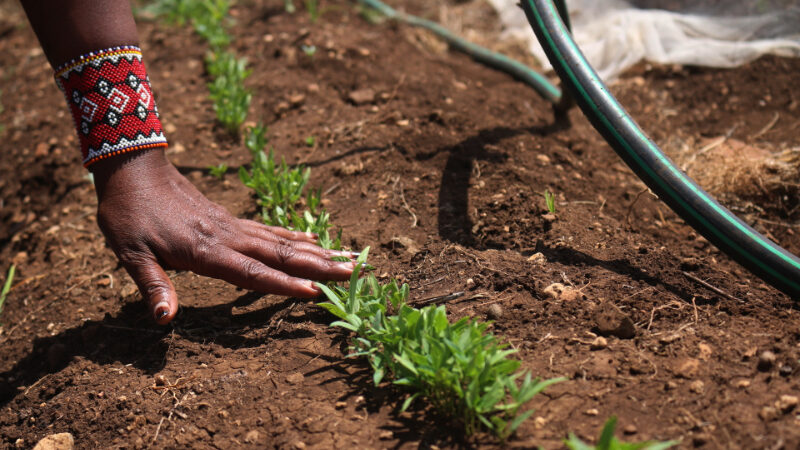
Somali farmers and herders battered by droughts, floods and decades of conflict are starting to get help in the form of climate-smart crops and animals, new wells and restoration of barren landscapes to boost their resilience in a warming world.Some of this support is being provided under Ugbaad, the Somali name for a new project meaning “fresh sprouting pasture”. Backed by an $80-million grant from the UN's Green Climate Fund, it is enabling farmers to earn a more reliable living as climate shocks intensify. The project is also reducing conflict tensions among communities, according to a government representative. Abdiaziz Ibrahim Aden, adaptation and resilience lead at Somalia’s Ministry of Environment and Climate Change, said farmers who lost their land to floods and erosion have been able to rehabilitate it and plant crops like banana and sesame for export. “Their productivity is increasing now,” he told Climate Home News. He said the project, which aims to benefit over 2 million people in total, has made young people less vulnerable to recruitment by armed groups. Beyond improved water access for pastoralists, the initiative also includes ways to disseminate timely climate information to communities and build government capacity to keep land and ecosystems in better shape.Nonetheless, Somalia remains one of the countries most vulnerable to climate change, with millions of its people facing food insecurity, displacement and recurring climate disasters.
Climate adaptation helps African nations tackle rising conflict over resources
The growing overlap between insecurity and climate vulnerability is forcing governments and development agencies to rethink adaptation efforts
1,986 words~9 min read