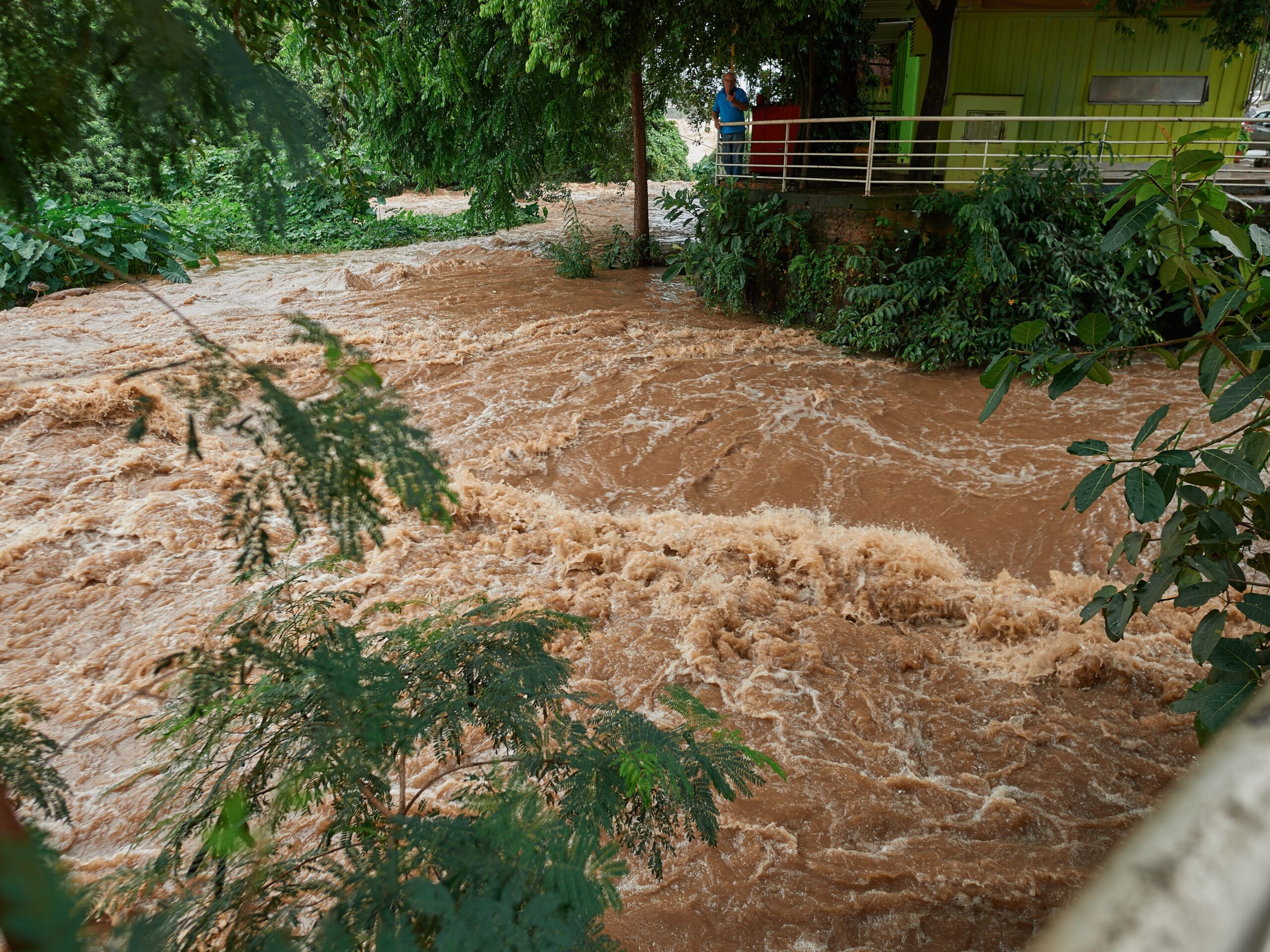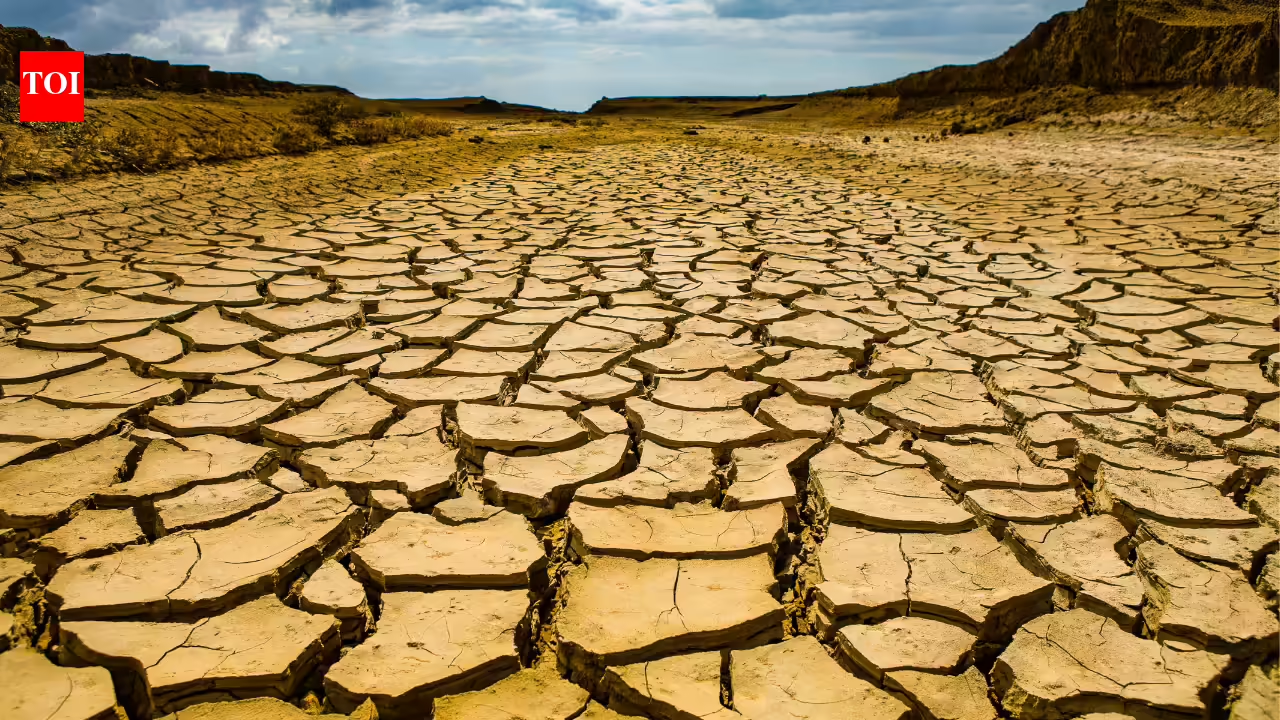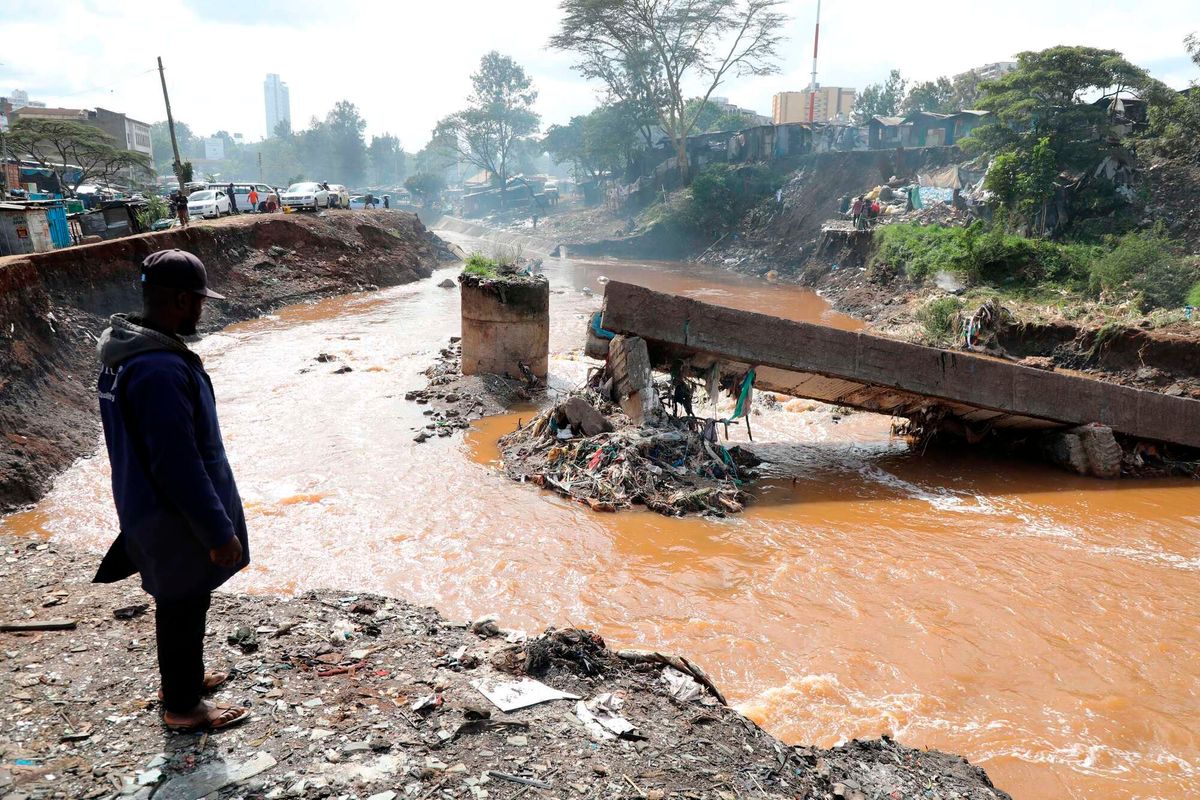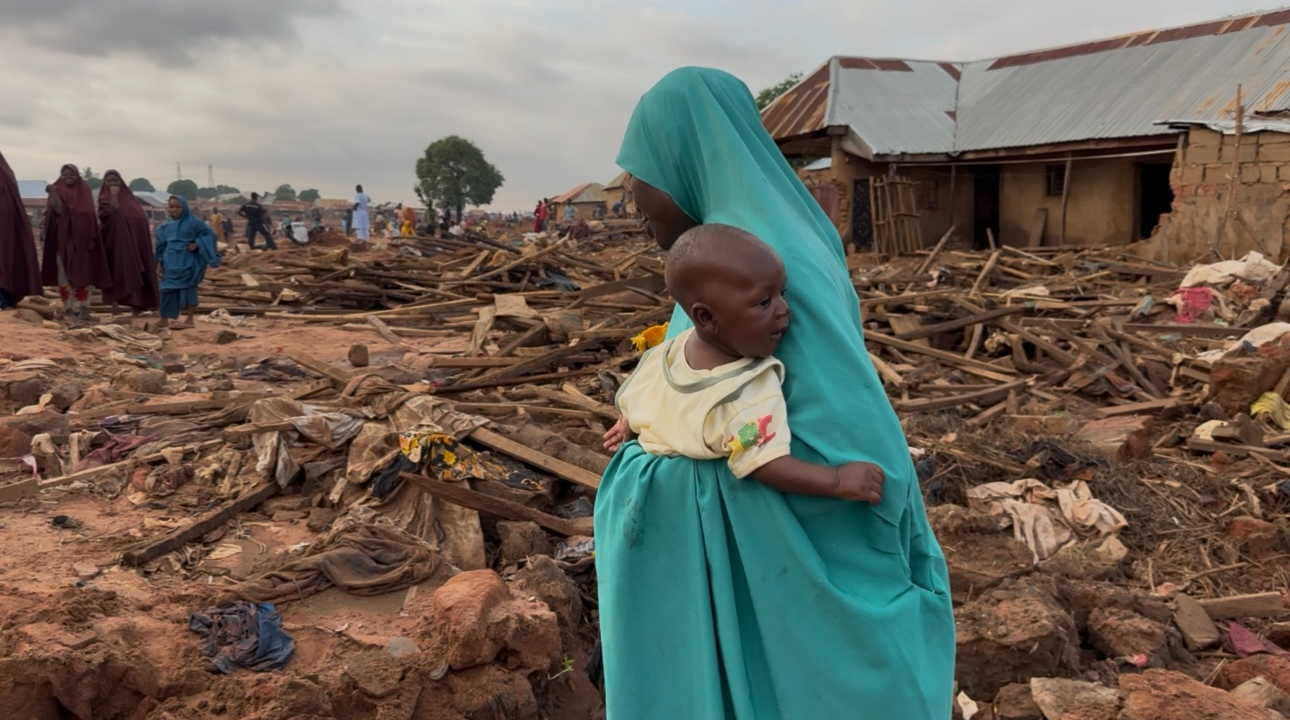
Climate-related disasters are becoming more frequent and more intense across sub-Saharan Africa. Floods, droughts, heatwaves and storms are no longer isolated environmental events. They increasingly shape livelihoods, inequality, public trust and the relationship between citizens and the state.
Governments rely on taxes to finance schools, healthcare, infrastructure and climate adaptation policies. However, taxation depends on more than just enforcement: it depends on whether citizens believe the state is capable, fair and responsive in times of crisis.
Our research has focused on taxation, inequality, public finance and climate-related shocks in sub-Saharan Africa. In a recent study we examined an underexplored consequence of climate-related disasters in Africa: their effect on tax morale, in other words people’s willingness to pay taxes voluntarily.
Tax morale matters because many African countries struggle to raise enough domestic revenue. And citizens are more willing to pay taxes when they trust governments to be fair, effective and responsive.
We analysed data from 25 sub-Saharan African countries between 2011 and 2021. We combined Afrobarometer survey data with climate disaster records from the Emergency Events Database, an international disaster database. Our study looked at five types of disasters: droughts, floods, extreme temperatures, storms and wildfires.