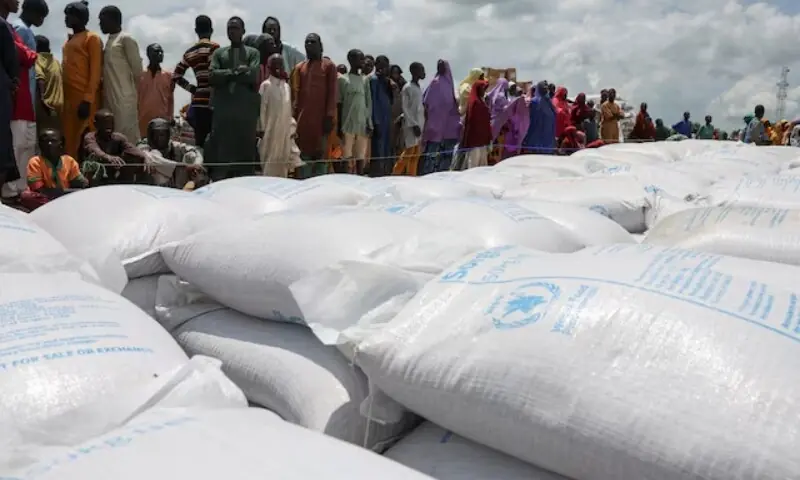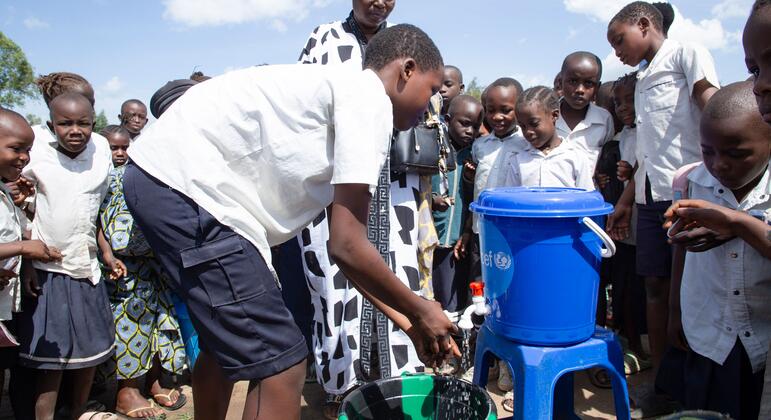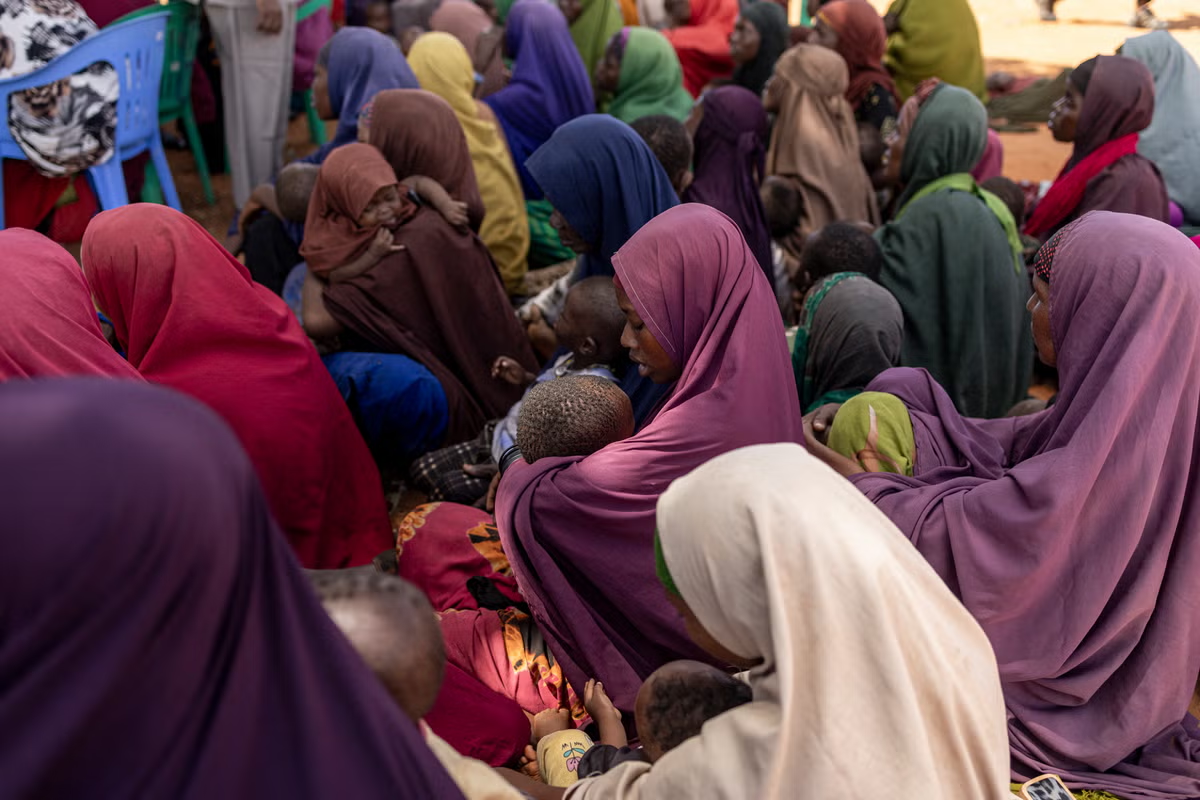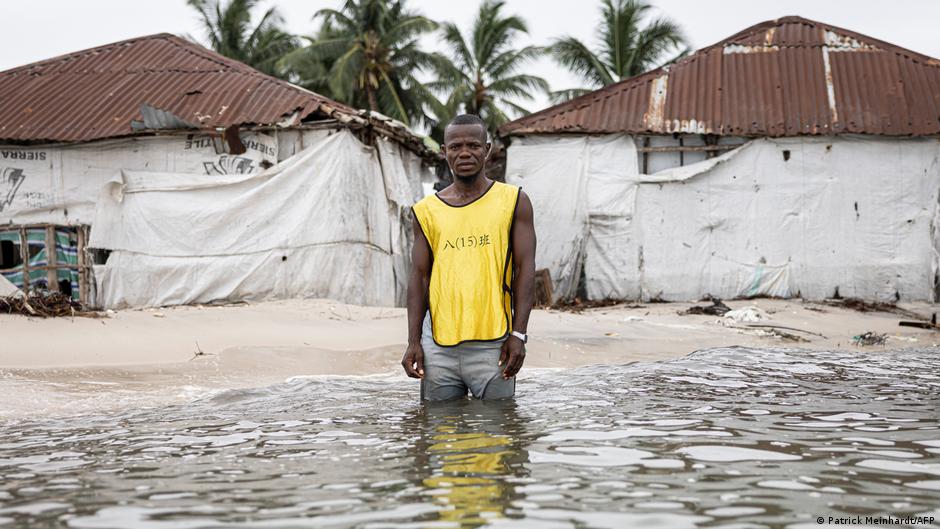
One in ten people are still in extreme poverty, over two billion face moderate or severe food insecurity and the number affected by climate-related disasters has more than doubled since 2015. That's according to data from the United Nations published in a reporttoday.
A little over a decade ago, the international community agreed to end all forms of poverty, fight inequalities and tackle climate change. The UN set up 17 goals with 169 targetsto be reached by 2030, such as zero hunger, clean water and sanitation, good health and well-being as well as access to affordable and clean energy.
While there has been progress in some areas, including almost one billion people gaining access to safely managed drinking water, a drop in new HIV infections and AIDS-related deaths and electricity reaching 92% of the global population, many other areas are way off track.
Nearly half the targets are advancing too slowly, and 15% have fallen below 2015 baselines.
Global extreme poverty is projected to reach 10% by 2026, just 3 percentage points below 2015 levels. About one in four urban residents live in slums or informal settlements. In addition, the risk of extinction is worsening across all species groups and global temperatures reached 1.43 degrees Celsius (2.57 degrees Fahrenheit) above pre-industrial levels in 2025. The concentration of CO2 in Earth's atmosphere is at its highest for two million years. Pakistan's Pashtun kids struggle to go to schoolTo view this video please enable JavaScript, and consider upgrading to a web browser that supports HTML5 video