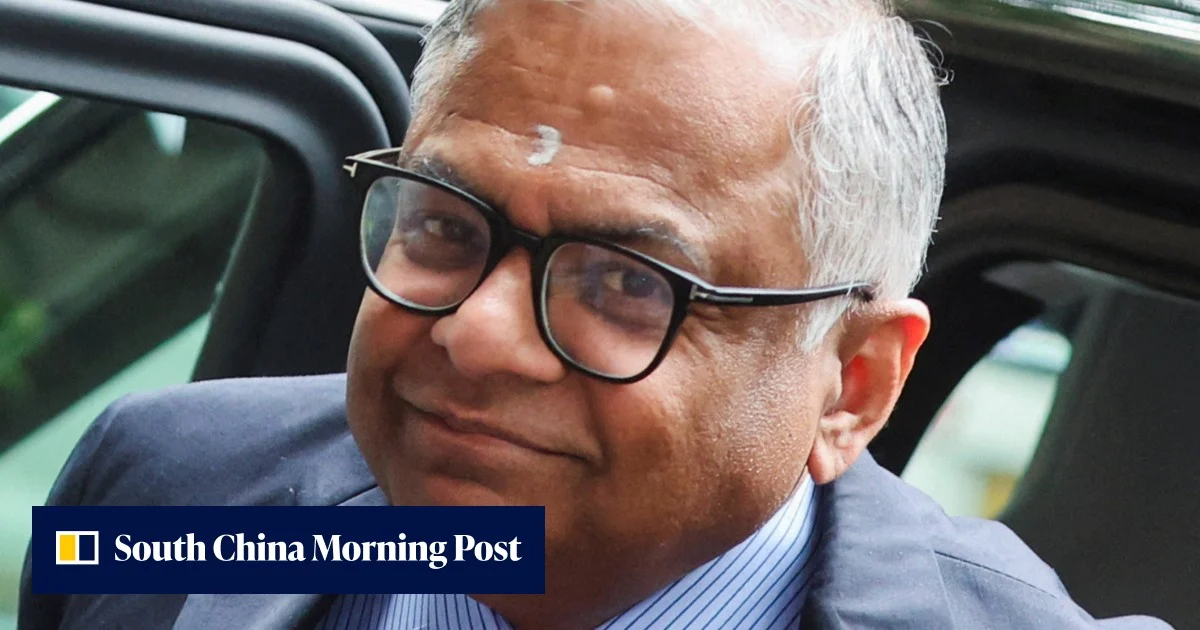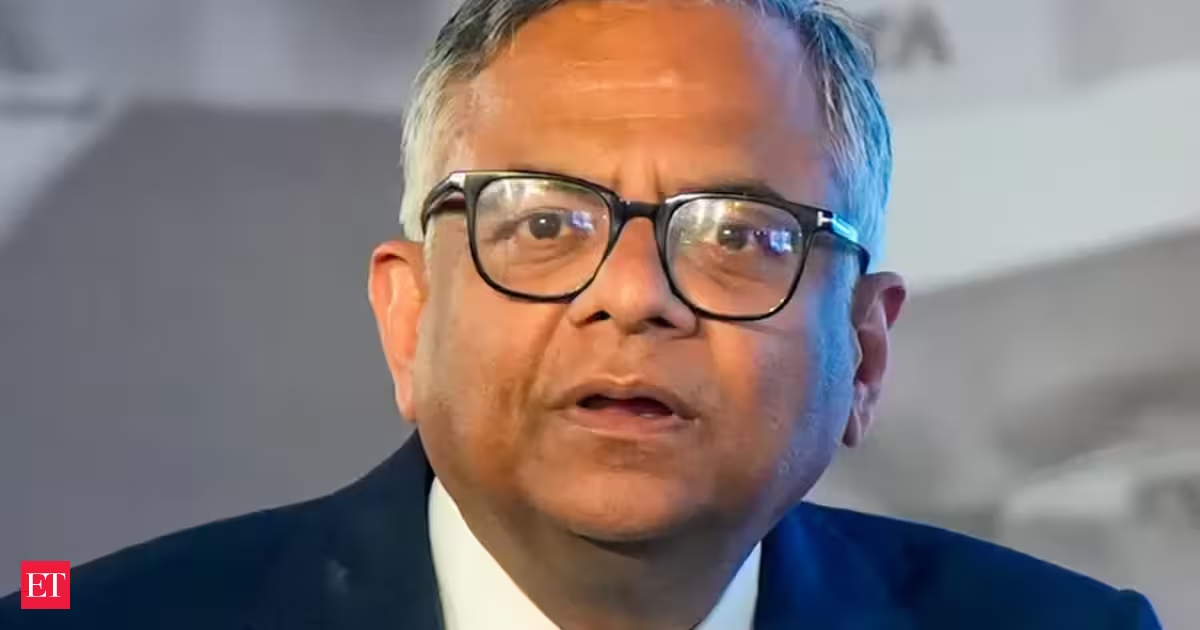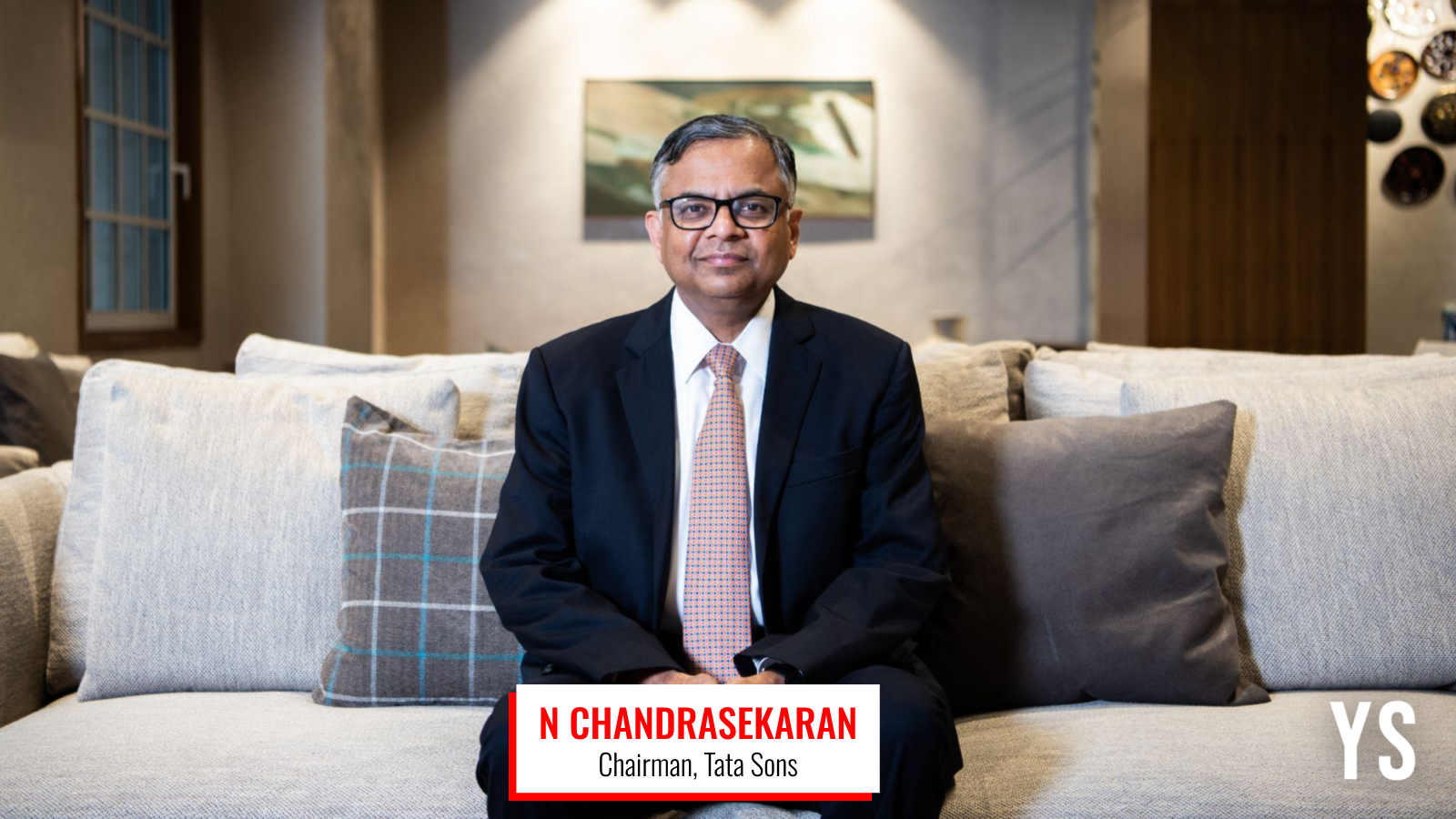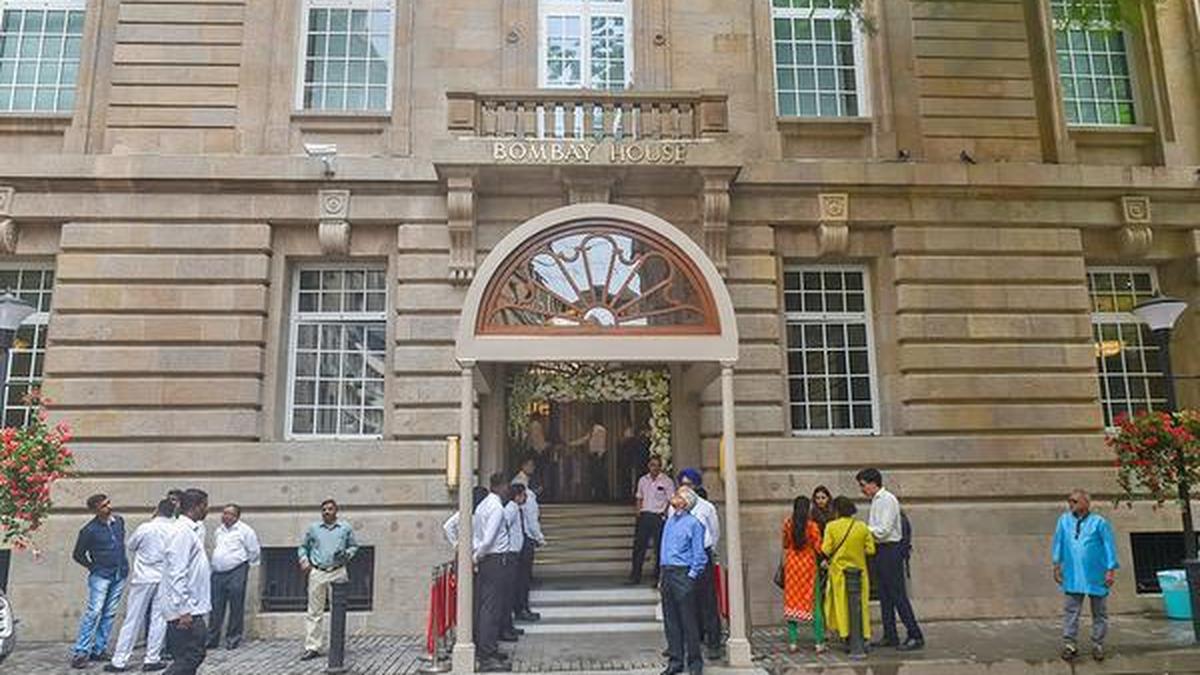
The debt-laden Shapoorji Pallonji Group has consistently advocated for Tata Sons’ listing so as to unlock value from its approximately 18 per cent shareholding
| Photo Credit:
bl-online Administrator
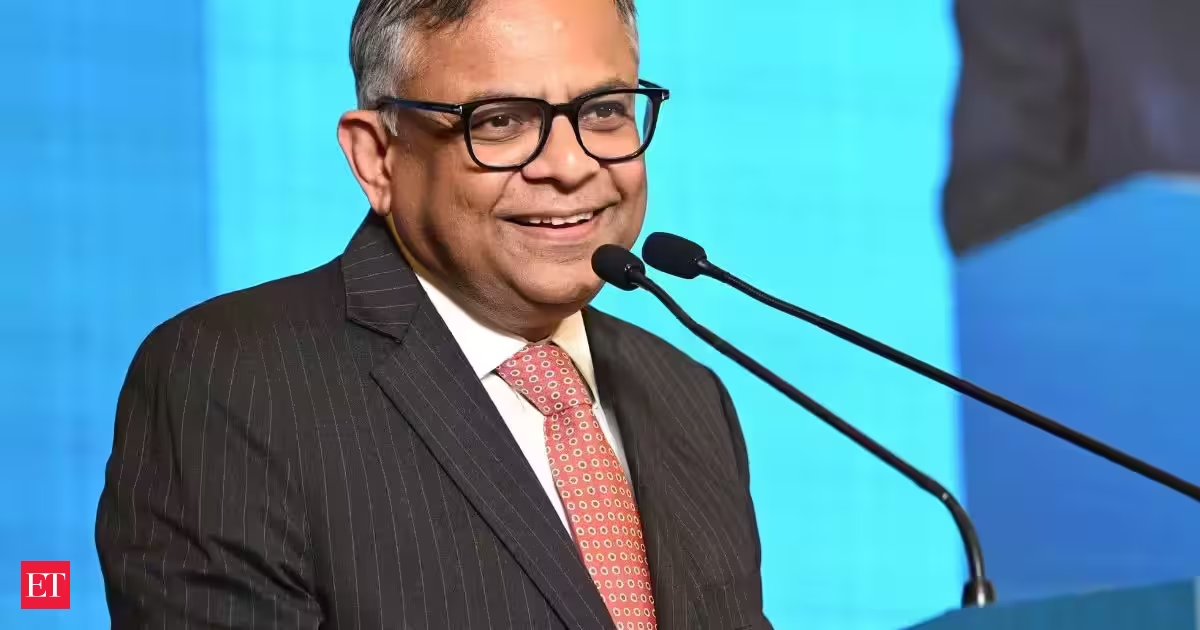
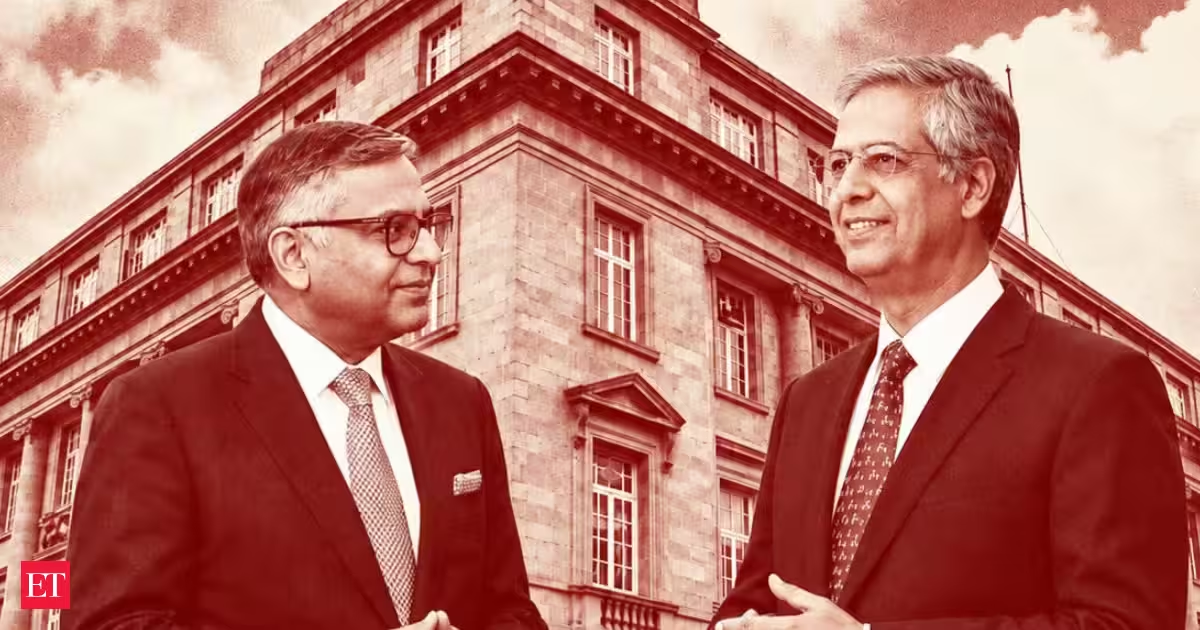
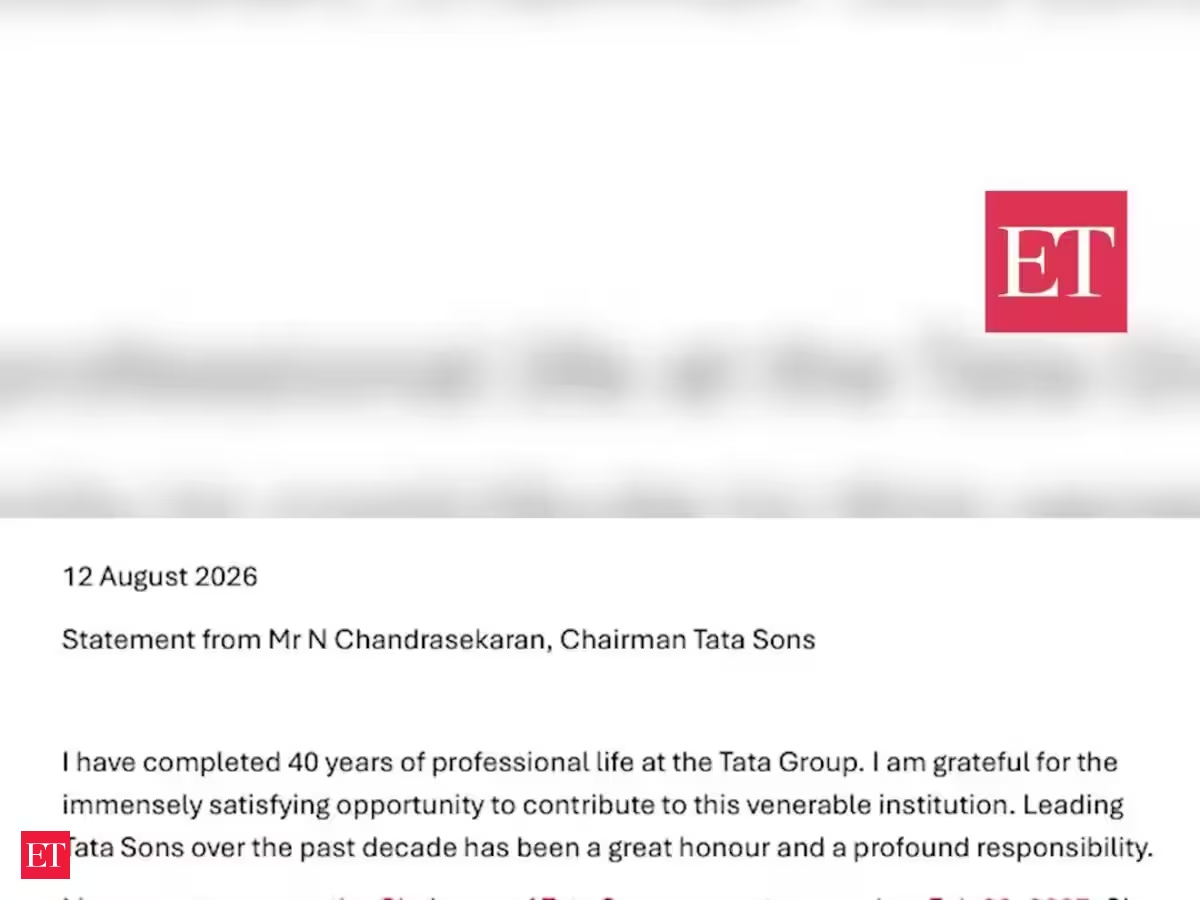
N Chandrasekaran’s decision not to seek a third term as the Executive Chairman of Tata Sons is unlikely to affect the fate at the hands of the Reserve Bank of India (RBI). The company’s application for to deregister as a core investment company (CIC), a move aimed at avoiding a mandatory listing, is awaiting a decision from the regulator.Voices within Tata Trusts opposing the listing could gain greater influence, according to industry observers, as Noel Tata, Director of Tata Sons, is increasingly seen as asserting control over the Trusts, which holds a 66 per cent stake in Tata Sons. However, the debt-laden Shapoorji Pallonji (SP) Group has consistently advocated for Tata Sons’ listing so as to unlock value from its approximately 18 per cent shareholding.The RBI’s decision on the de-registration application, said experts, will be based primarily on the systemic importance of Tata Sons rather than the changes in its leadership. The regulator is expected to assess the application against the backdrop of Tata Sons’ extensive holdings across the Tata Group, including stakes in 17 listed companies and 16 unlisted entities.RBI retains Tata Sons in NBFC upper layerIncidentally, the RBI has included Tata Sons, the principal investment holding company of the Tata Group, in the list of Non-Banking Financial Companies in the Upper Layer (NBFC-UL), under the Scale-Based Regulation Framework for 2026-27. The central bank, however, clarified that this inclusion is without prejudice to the outcome of its de-registration application.Backchannel talks between Tata Trusts and SP GroupMeanwhile, Tata Trusts and the SP Group have reportedly initiated backchannel discussions under which the Trusts may acquire the SP Group's stake in Tata Sons in a phased manner, potentially purchasing 5-6 per cent annually.Some trustees within Tata Trusts are said to be wary that a public listing of Tata Sons could adversely affect the Trusts’ philanthropic activities, as a listed company may choose to reinvest a larger share of profits into new businesses rather than distribute dividends. For FY26, Tata Sons declared a dividend of ₹4,474.58 crore, significantly higher than the ₹2,622.91 crore declared in the previous financial year.Sources indicated that the RBI is likely to adopt a nuanced stance on Tata Sons’ de-registration request, particularly in light of the SP Group’s plans to gradually exit its investment in the company and the extensive philanthropic activities undertaken by Tata Trusts.“The Tata Sons listing question is fundamentally a regulatory matter. The final outcome is largely dependent on the RBI’s decision regarding its Upper-Layer NBFC classification,” said Shriram Subramanian, Founder and Managing Director of InGovern, a corporate-governance research firm. “It is not something that any chairman alone can determine. There is merit in obtaining regulatory clarity at the earliest. A prolonged uncertainty leaves a significant strategic question unresolved for both Tata Sons and its stakeholders.”Regulatory certainty is preferable from a governance perspective, too, Subramanian added. Whether the outcome is a listing or an exemption, a definitive decision will help the group plan its capital allocation and long-term strategy more effectively.Published on August 12, 2026