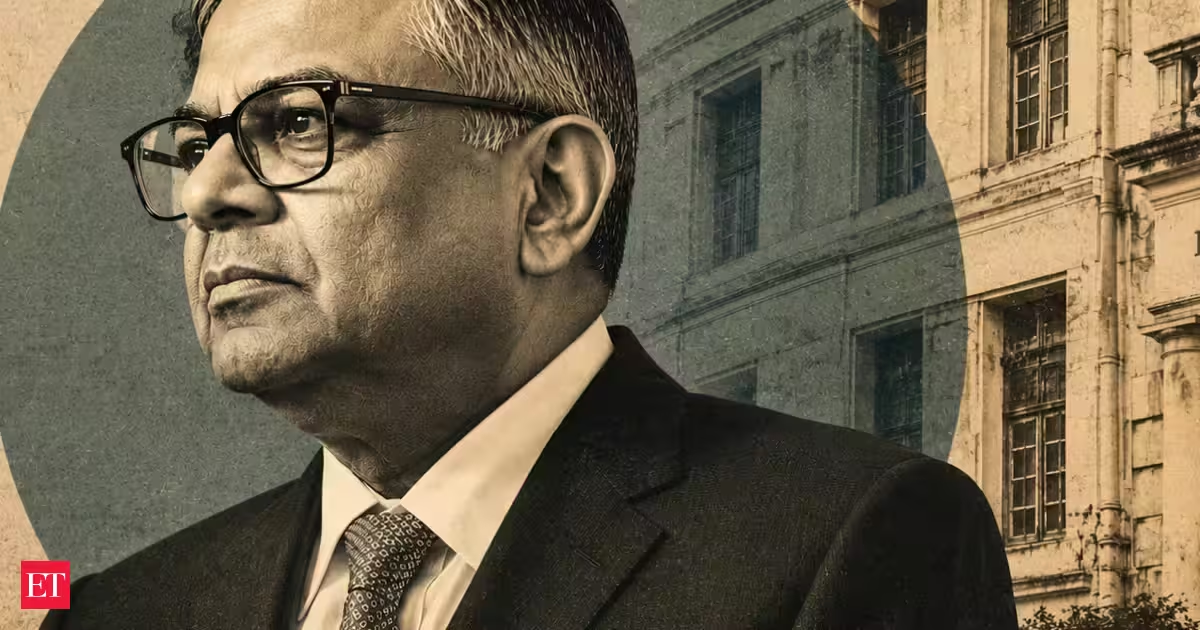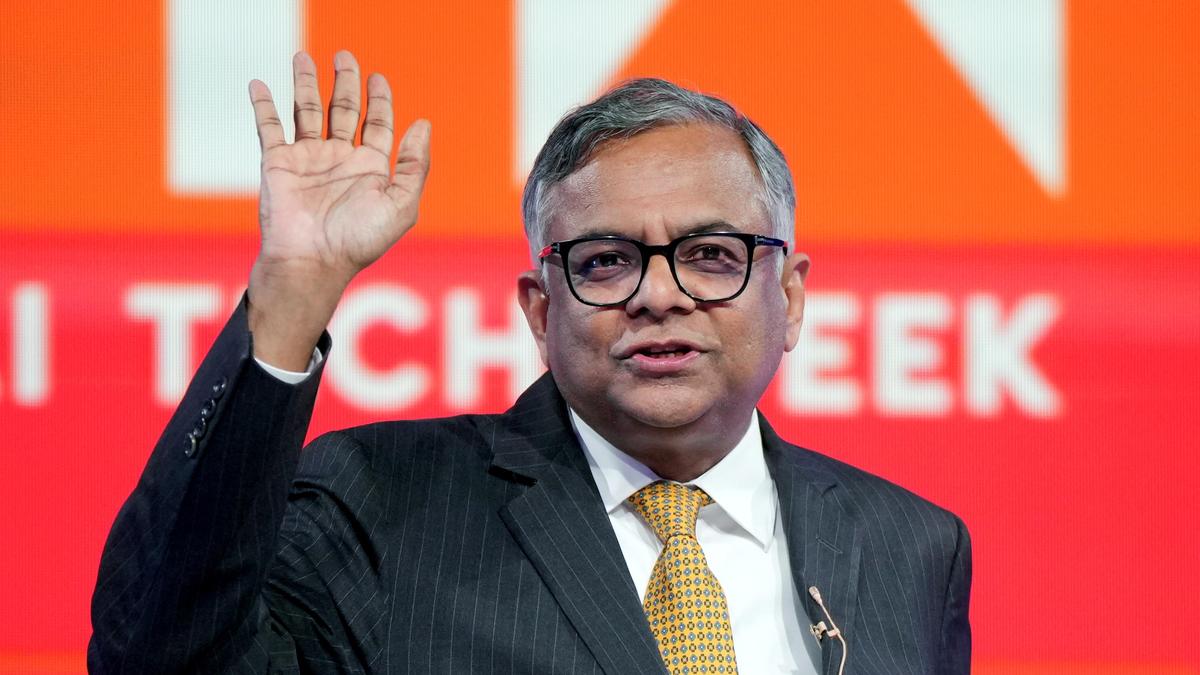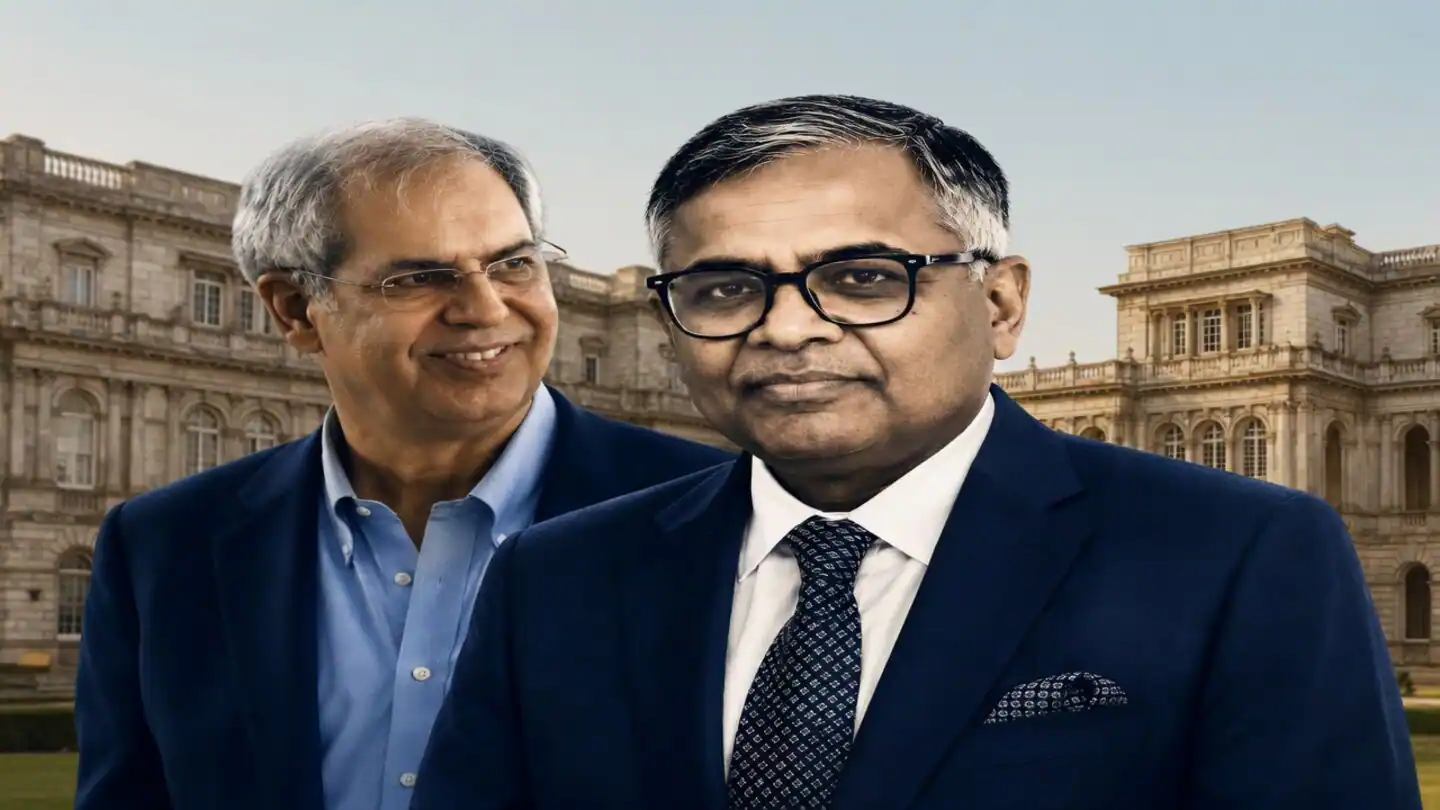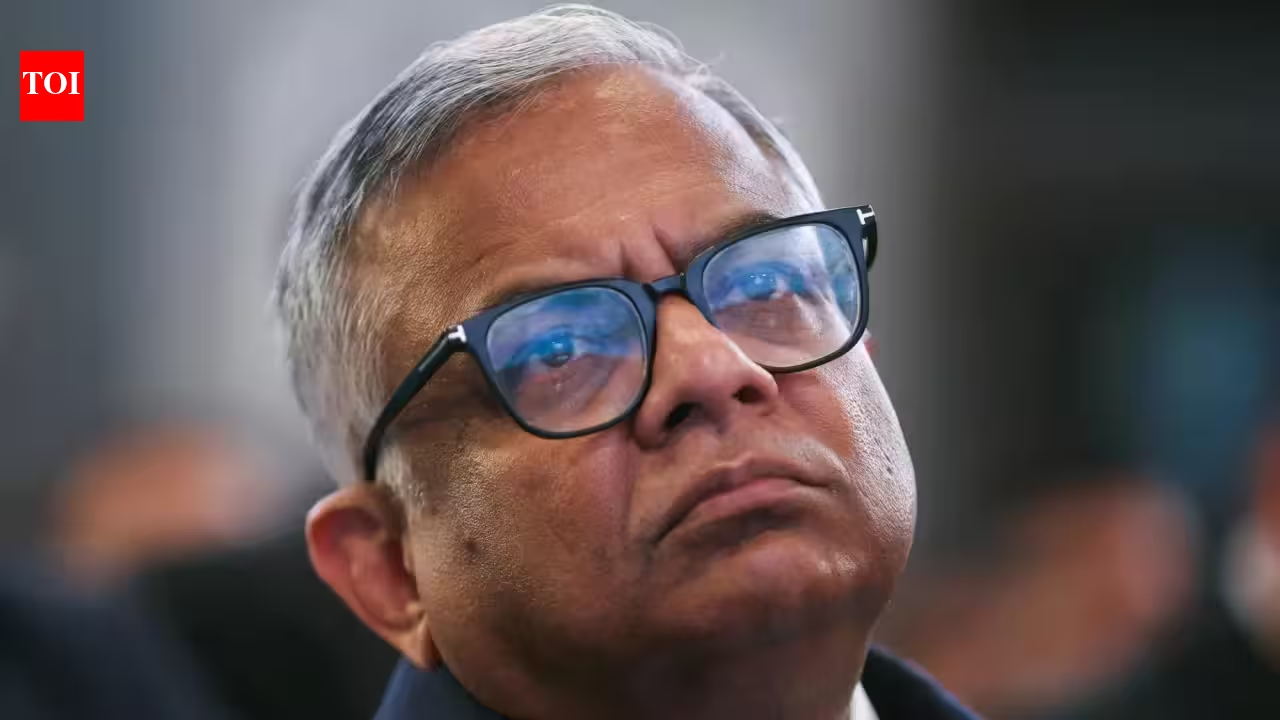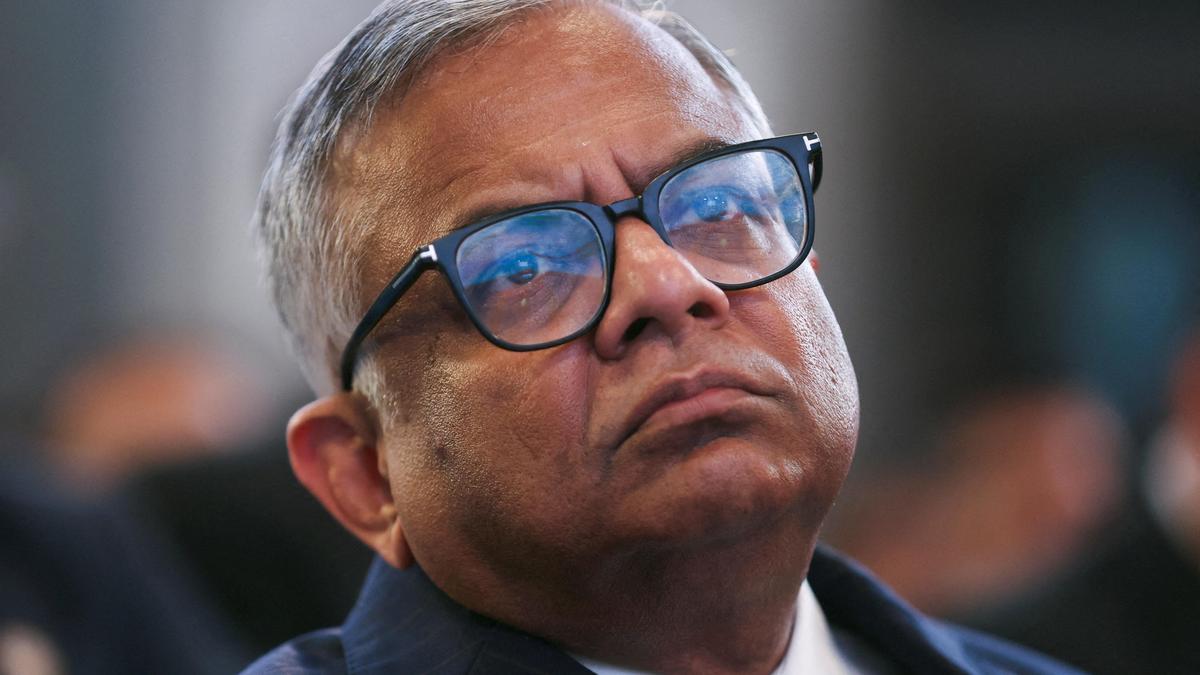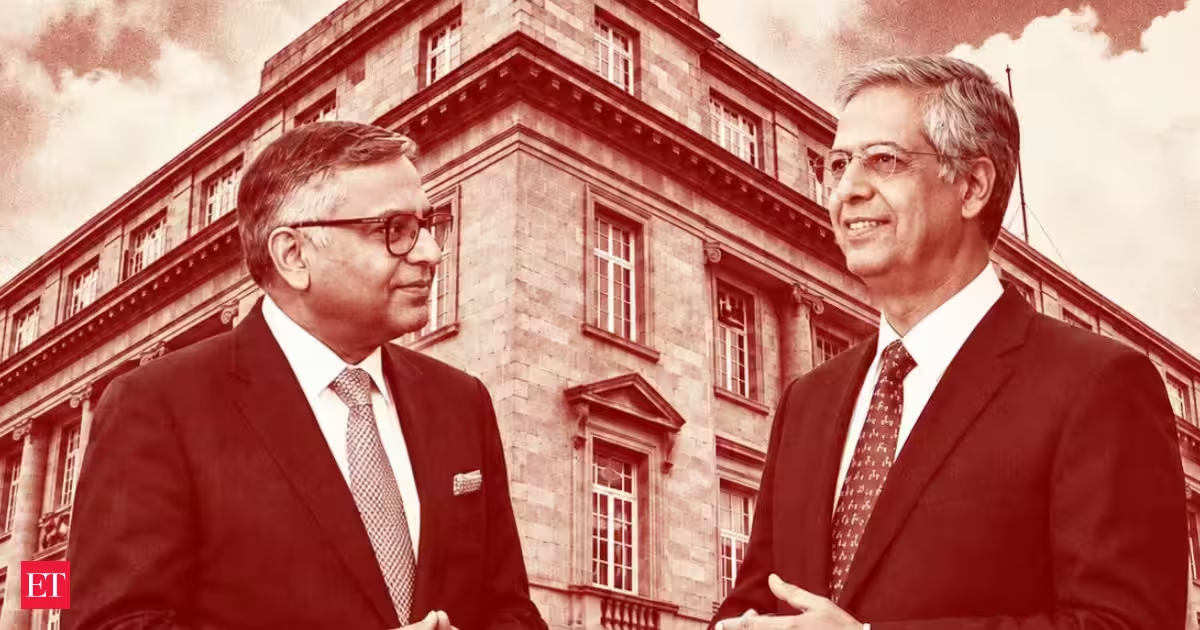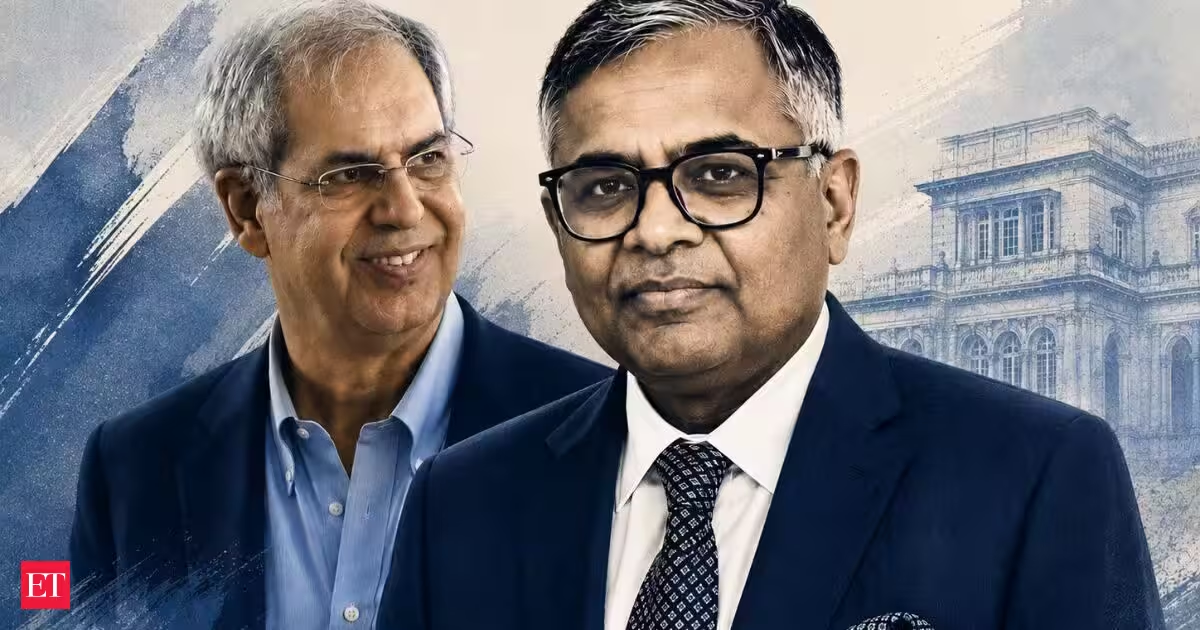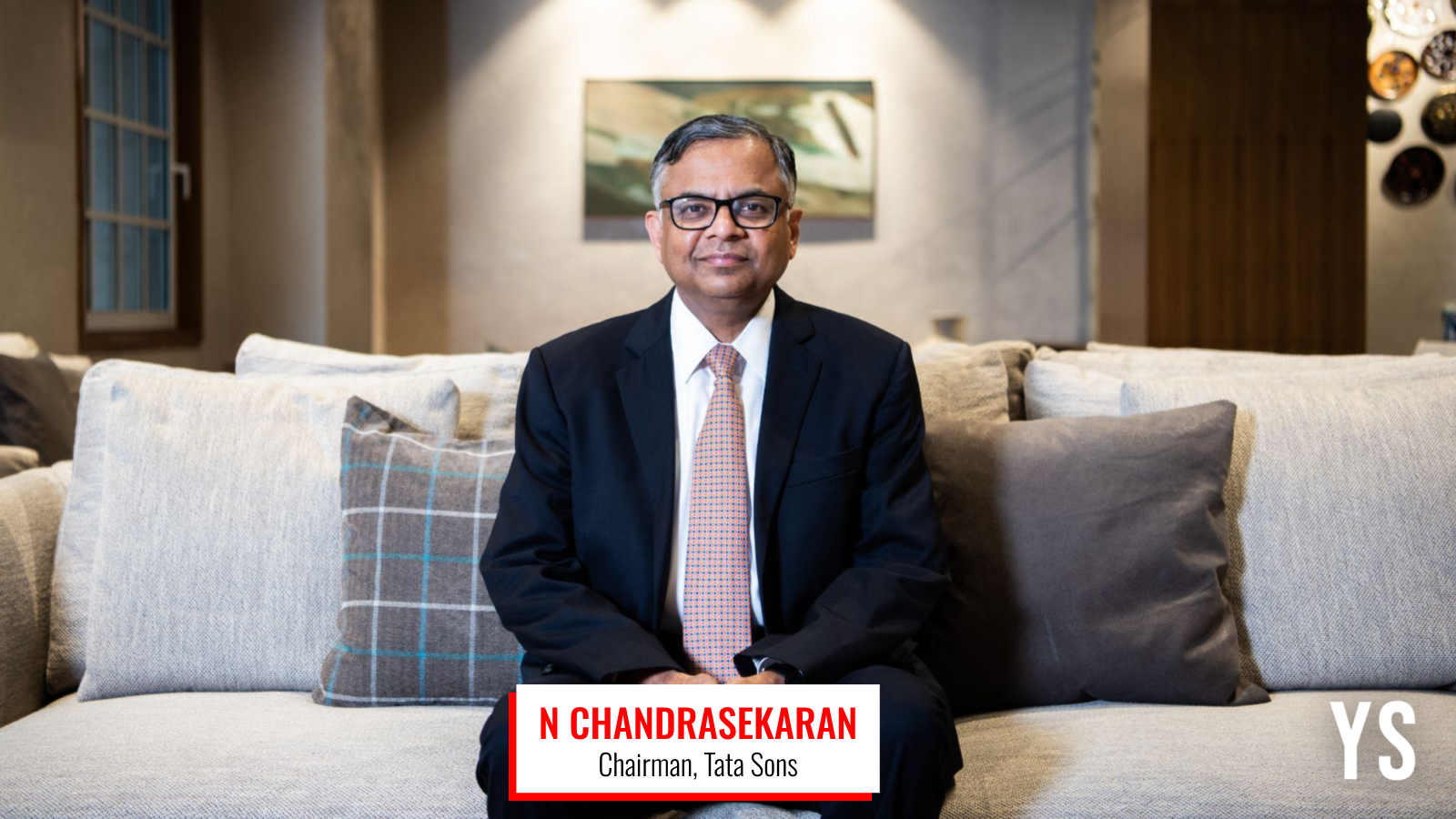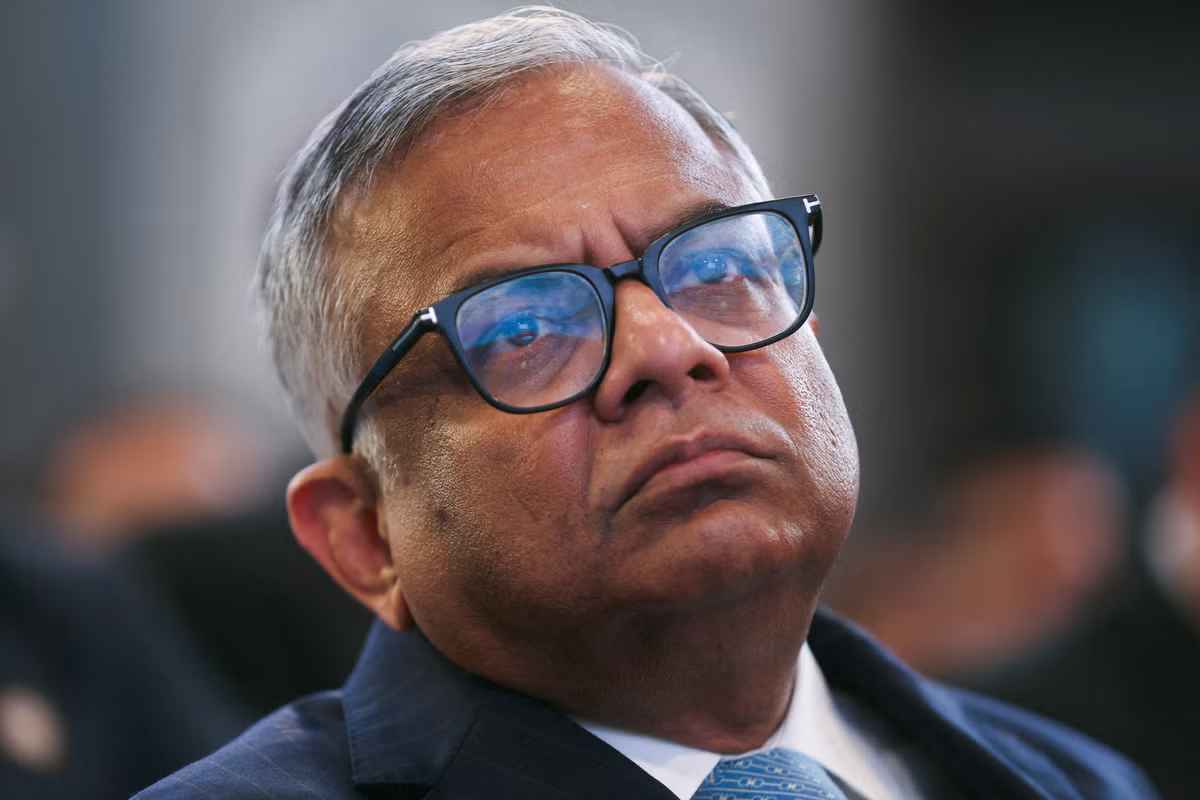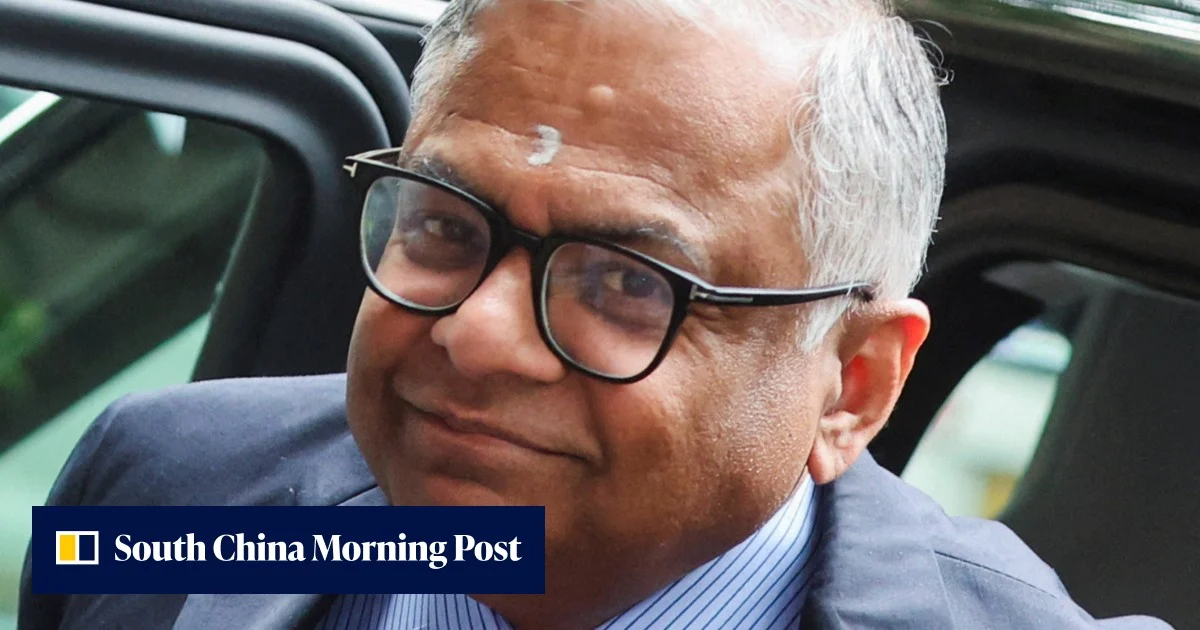
The sudden announcement that N Chandrasekaran will not seek another term as chairman of Tata Sons has raised a pressing question for India: who can steer one of the country’s most powerful and influential conglomerates through its next phase?The answer matters well beyond the group’s boardroom. Tata’s businesses span salt, software, cars, steel, airlines and hi-tech manufacturing, with annual revenue equivalent to about 5 per cent of India’s gross domestic product and more than a million employees, giving the trust-controlled empire an outsize role in the country’s economic ambitions.Chandrasekaran, 63, said on Wednesday that he had informed the board he would not seek reappointment once his tenure ended in February next year, after directors failed to reach a decision on his future role.His announcement sparked a rout in the shares of Tata Group companies on Wednesday, eroding billions of dollars in a single day amid investor concerns about a leadership crisis at the iconic group.Tata Sons is the principal holding company of the Tata Group, whose foundations date back to before India’s independence from British rule and whose controlling shareholder, Tata Trusts, gives the charitable trusts unusual influence over one of Asia’s most prominent business empires.The Tata Group comprises 31 key mainstream companies operating across 10 distinct business verticals, though the broader ecosystem includes over 100 operating and subsidiary companies globally.A man walks past a logo of Tata Consultancy Services in Mumbai, India. Photo: Reuters
Can India’s Tata Group overcome ‘most disruptive force’ of chairman’s exit?
N Chandrasekaran will step down in February and analysts say the group should prioritise a ‘swift and transparent’ succession process.
235 words~1 min read