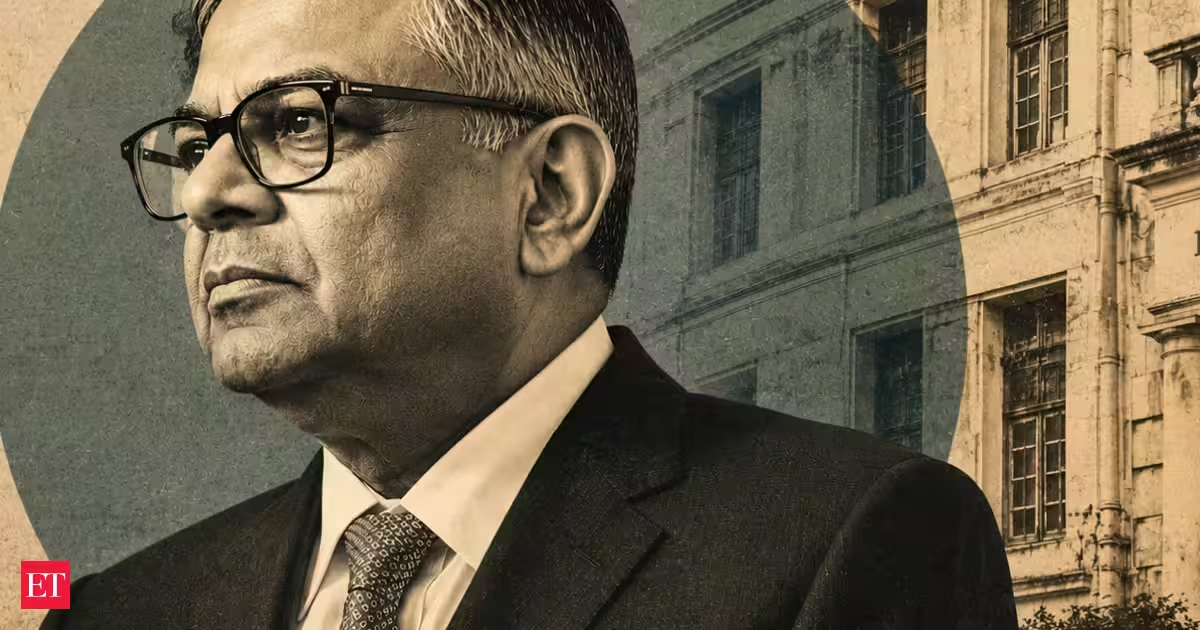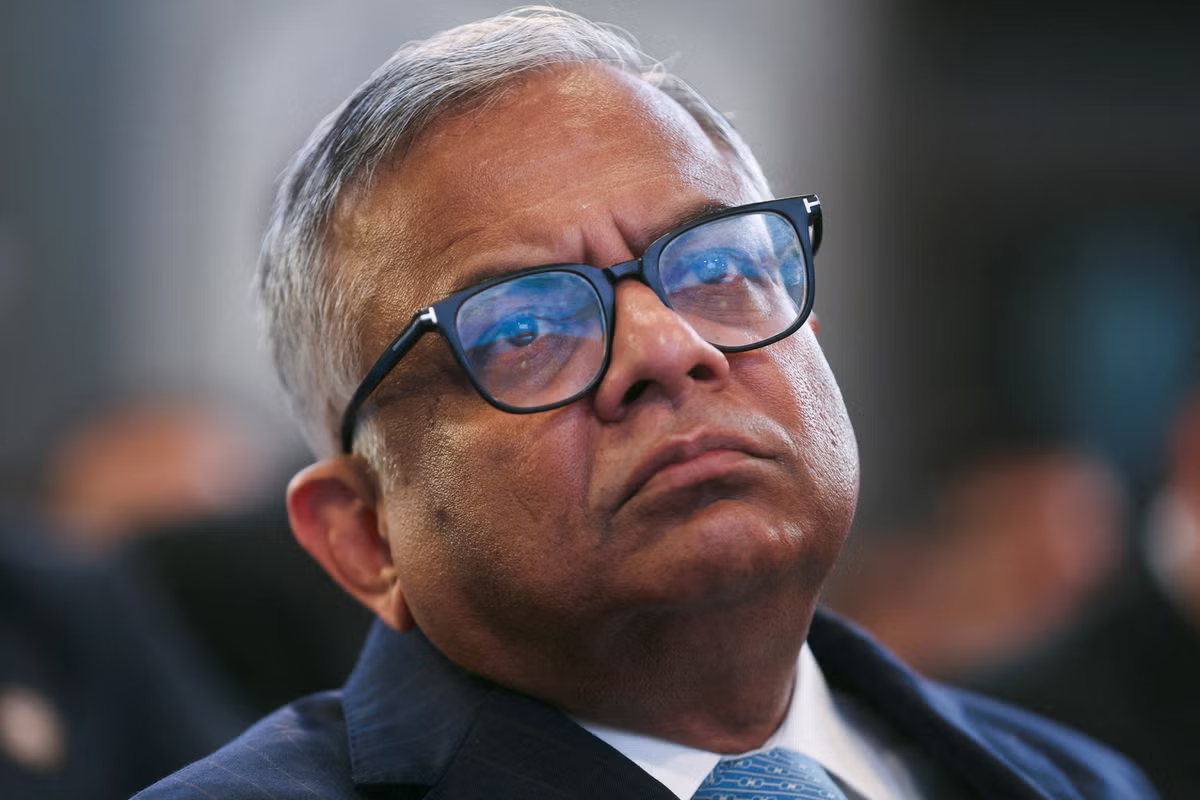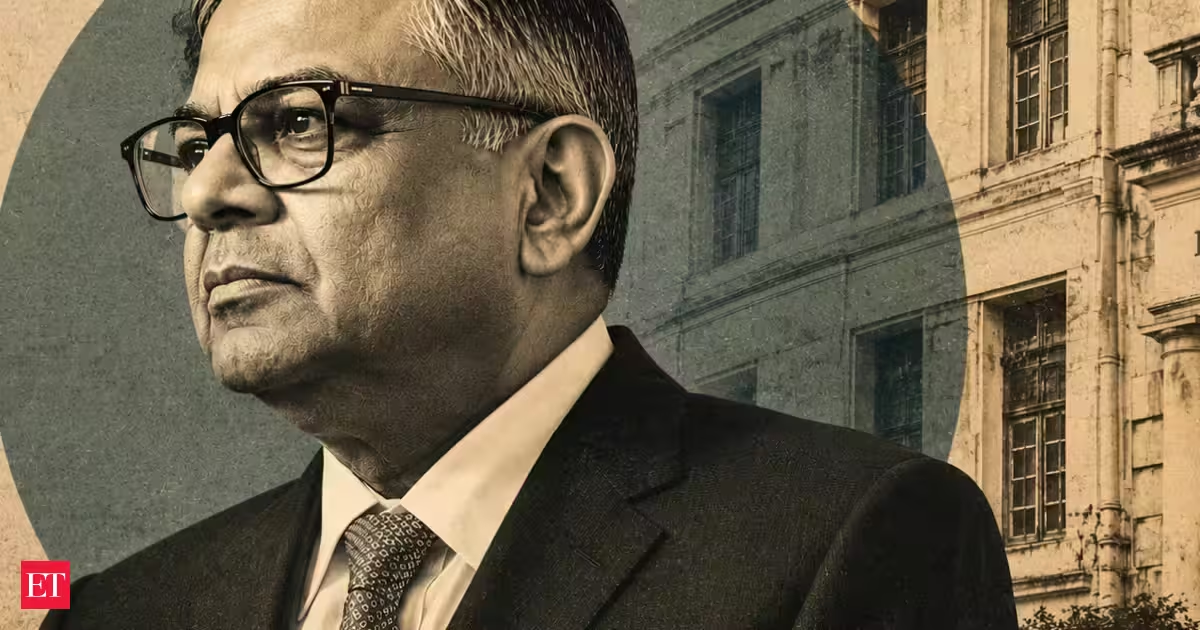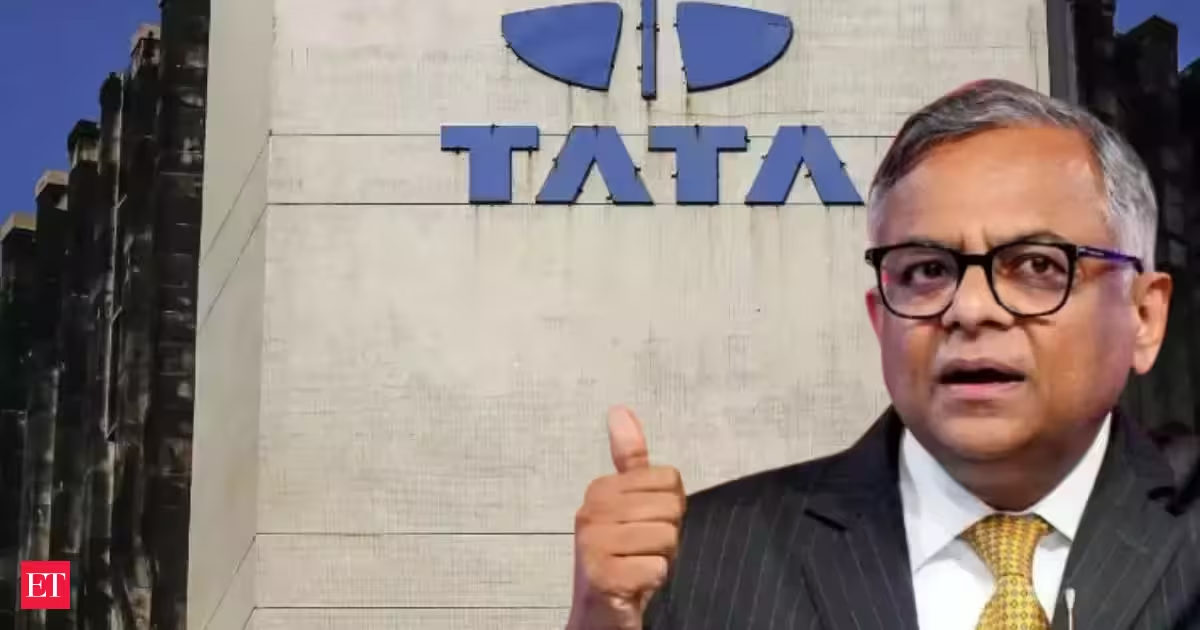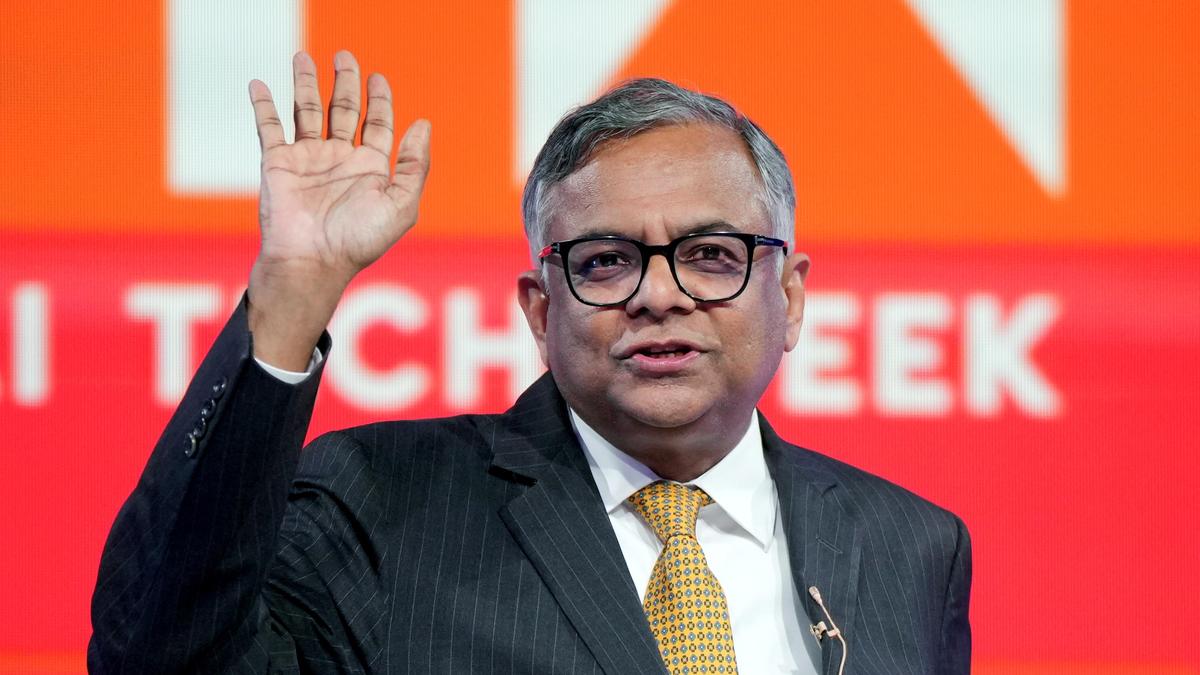
N Chandrasekaran fundamentally redefined the chairman’s role at Tata Sons
| Photo Credit:
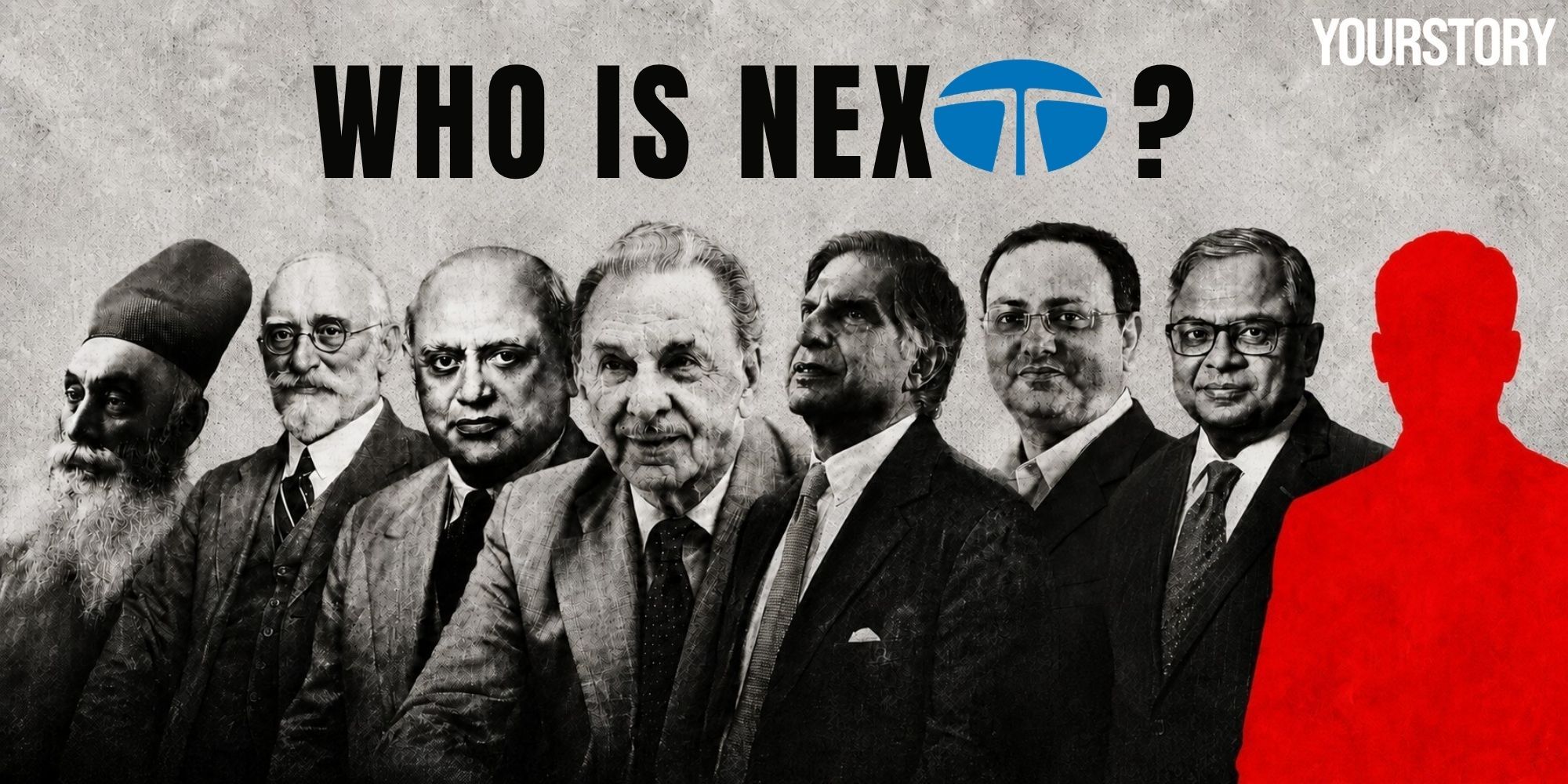
N Chandrasekaran’s decision to step down may have come as a surprise, but it also gives the Tata Sons board a rare opportunity to shape its next decade.The challenge is not merely finding a successor. It is finding a leader capable of steering a conglomerate increasingly defined by technology, artificial intelligence, digital platforms, manufacturing scale-up, energy transition, and new-age businesses. In many ways, succeeding Chandrasekaran could prove far more difficult than succeeding any Tata chairman in recent memory.In the mixAmong the names doing the rounds internally and in business circles, TV Narendran, CEO and Managing Director of Tata Steel, is seen as a leading contender.Narendran has built a reputation as one of the group’s strongest operators, having managed complex global businesses, navigated commodity cycles, and overseen key strategic transformations within Tata Steel. His leadership credentials, execution abilities, and deep understanding of the Tata ecosystem make him a natural candidate for the top role.Importantly, he is also seen as being close to Noel Tata, a factor that could carry significance in a succession process where the alignment between Tata Sons and Tata Trusts will be closely scrutinised.The Noel factorNoel Tata himself remains a serious contender, with his influence within the Tata group and the Tata Trusts steadily growing. His prospects cannot be ruled out, particularly given the central role the Trusts play in the group’s governance structure.History shows that leadership transitions within the group are often shaped by an individual’s ability to build consensus across Tata Sons, operating companies and the Trusts. In several ways, Noel Tata occupies a position similar to the one Ratan Tata leveraged as he consolidated influence within the group decades ago. Whether as a candidate himself or as a key influence in the selection process, Noel Tata is expected to play a pivotal role in shaping the next phase of the Tata leadership.“Noel Tata should not be ruled out for a larger role on grounds of experience, pointing to similar doubts surrounding Ratan Tata when JRD Tata was choosing his successor,” said former Tata Sons senior executive Mukund Rajan.Other names that could find a mention include P Venkatesalu, CEO of Trent, who is also said to be close to Noel Tata. The board could also consider Tata veteran Harish Bhat, particularly if it seeks a leader steeped in Tata values, consumer understanding, and institutional memory.Larger than its seemsSuccession at Tata Sons today is not merely about pedigree or managerial competence, said a senior industry official. Chandrasekaran fundamentally redefined the chairman’s role. Under his leadership, Tata Sons sharpened its focus on digital transformation, aviation, electronics manufacturing, electric vehicles, semiconductors, energy transition, and emerging technology-driven businesses. The next chairman will therefore need to do much more than oversee a conglomerate. He or she must understand technology-led disruption, capital allocation across emerging sectors, and the challenges of building businesses that may take years to generate returns.That is why even critics of Chandrasekaran’s tenure have acknowledged the leadership benchmark he established. Speaking to businessline on condition of anonymity, a senior Tata official said, “He (Chandrasekaran) understands evolving business models, emerging industries, and technology-driven opportunities. The next chairman must possess exactly those qualities: the ability to identify new opportunities early, deploy capital prudently, and scale businesses for the future.”Shriram Subramanian, founder of InGovern, said, “Chandrasekaran’s decision gives the Tata Sons board an opportunity to recruit a successor whose vision aligns seamlessly with both Tata Sons and Tata Trusts, a crucial priority to ensure organisational harmony. The Tata group has sufficient internal candidates to manage unexpected leadership turns; the board of Tata Sons now has a window of six months to execute an orderly succession. Challenges for a new leader exists in ensuring capital allocation is prudent, and loss-making entities are turned around quickly.”Published on August 12, 2026