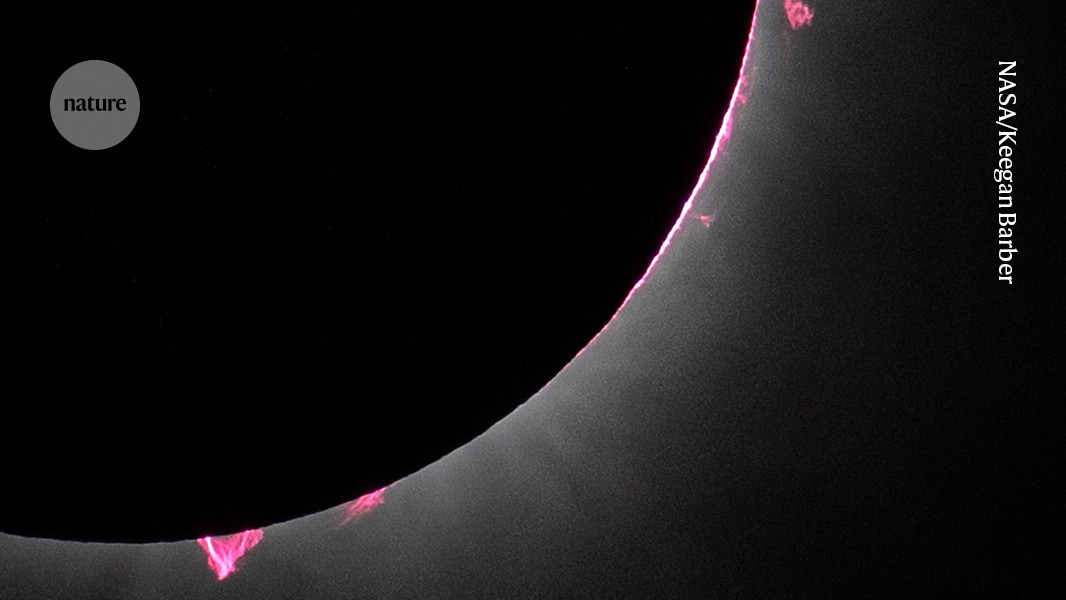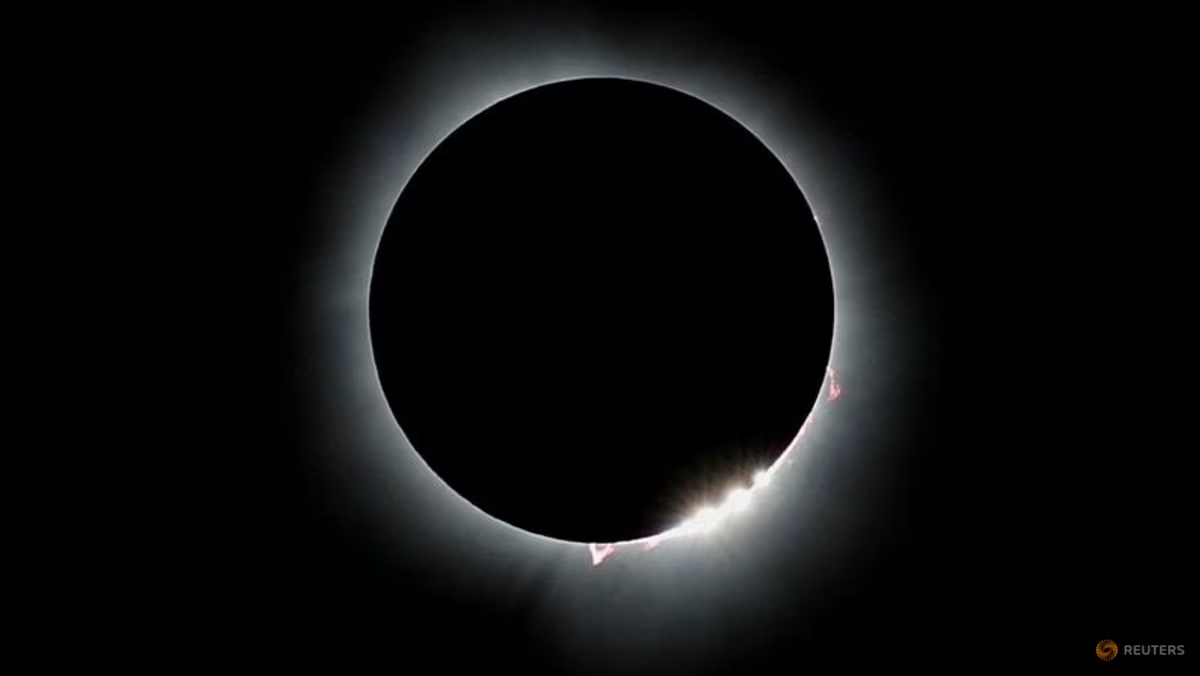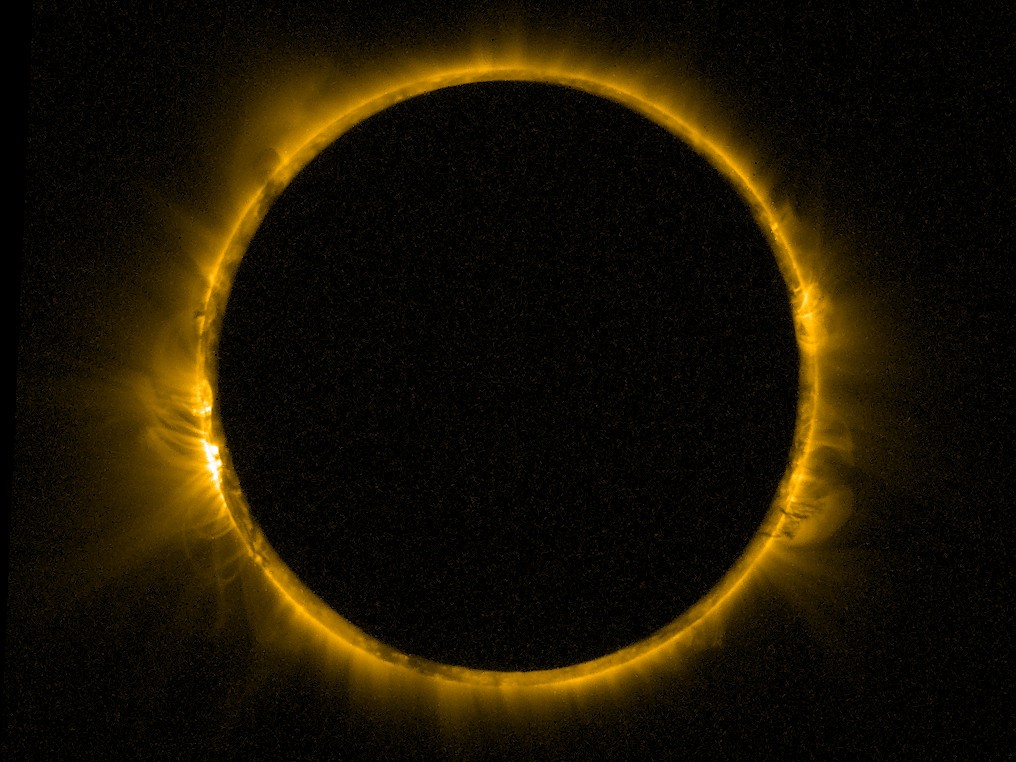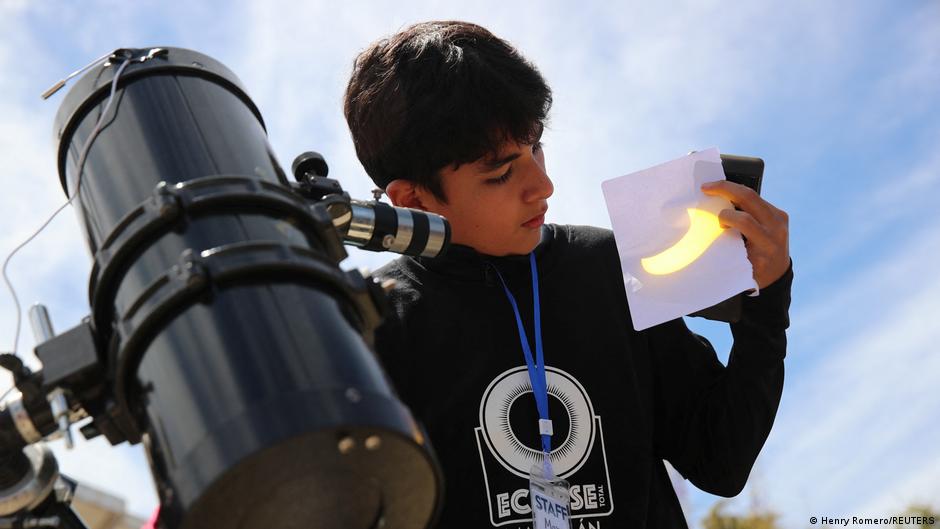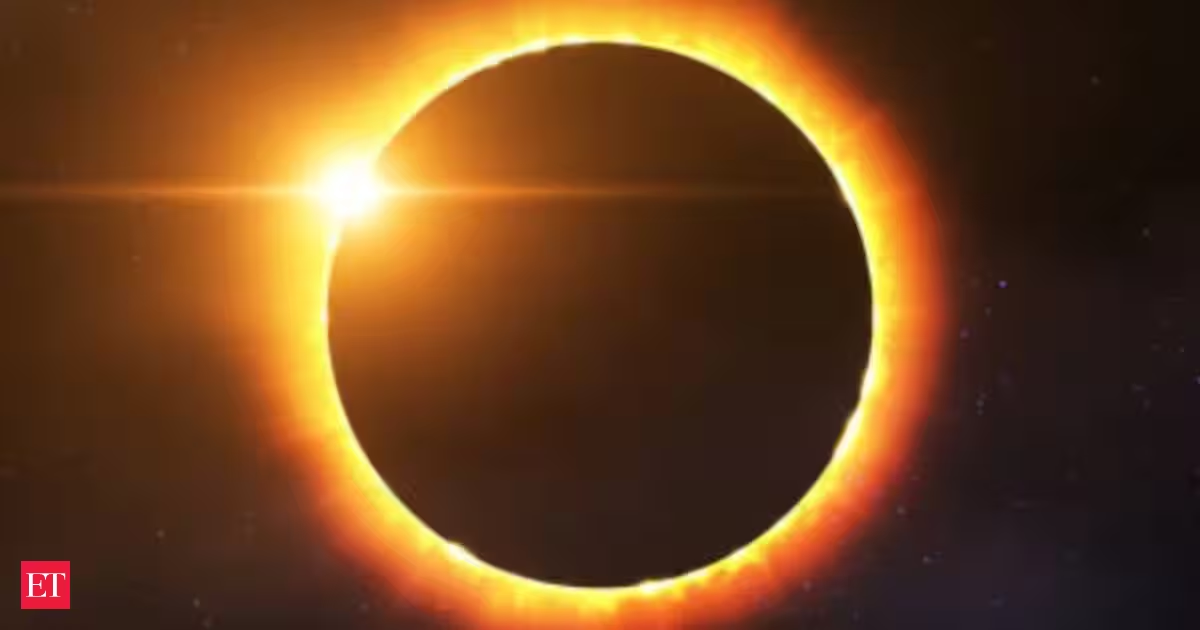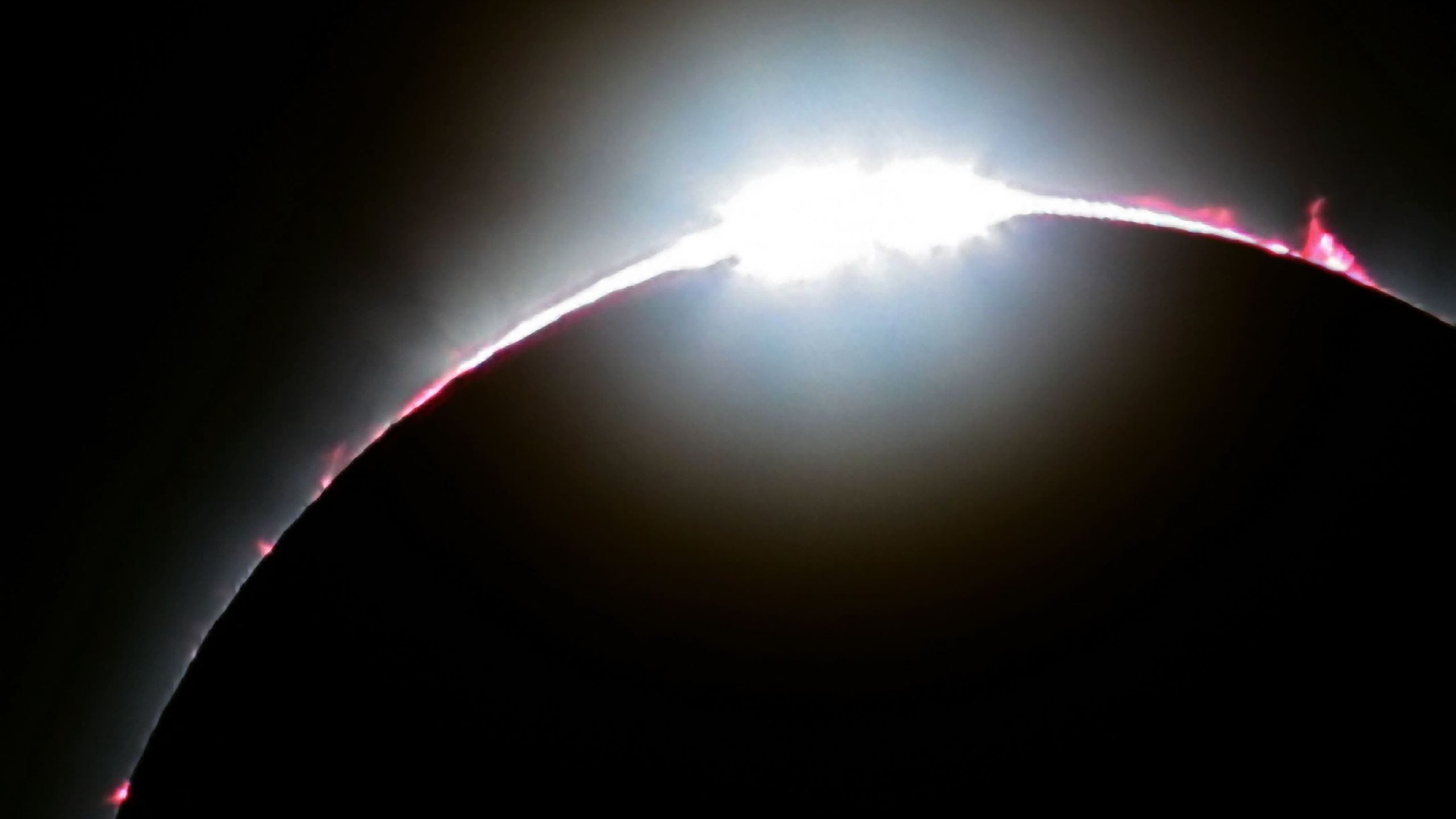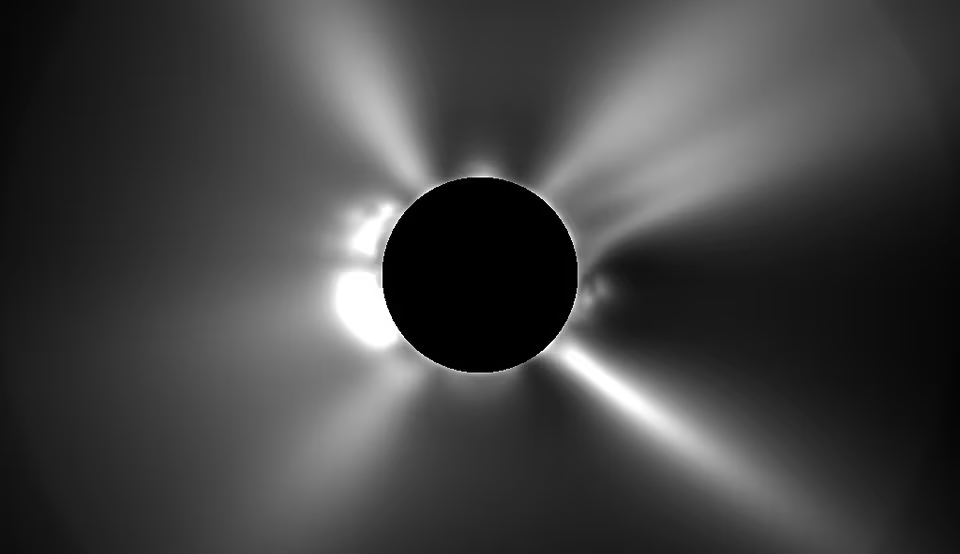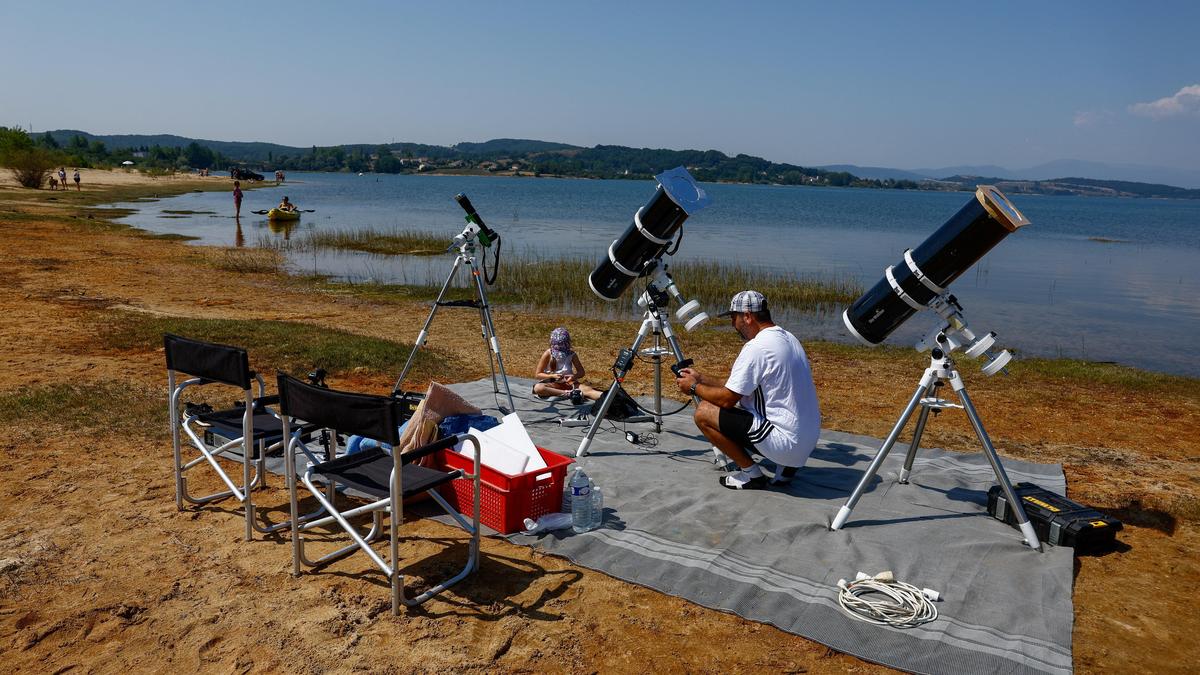
As a total solar eclipse will be visible in parts of Europe on August 12 for the first time since 1999, solar physicists at the Raman Research Institute (RRI) in Bengaluru, along with collaborators, have predicted the magnetic structure of the Sun’s outer atmosphere, or its ‘crown’, called the corona, during the eclipse.On the day of the eclipse, their prediction indicates the presence of multiple large-scale petal-like structures and more local, elongated petals. If this turns out to be true, the Sun’s corona during the August 12 eclipse would be quite complex and spectacular, according to a statement from RRI.Why study the sun’s corona?The solar corona is very faint compared to the bright solar surface. It is extremely hard to observe the corona unless an object occults the bright solar disk. This occulting object can be the Moon while passing in front of the Sun, or an artificial disk mounted on a satellite — a coronagraph. Hence, a total solar eclipse, when the Moon occults the Sun, offers the best chance to observe the corona from the ground, and test theories and models.
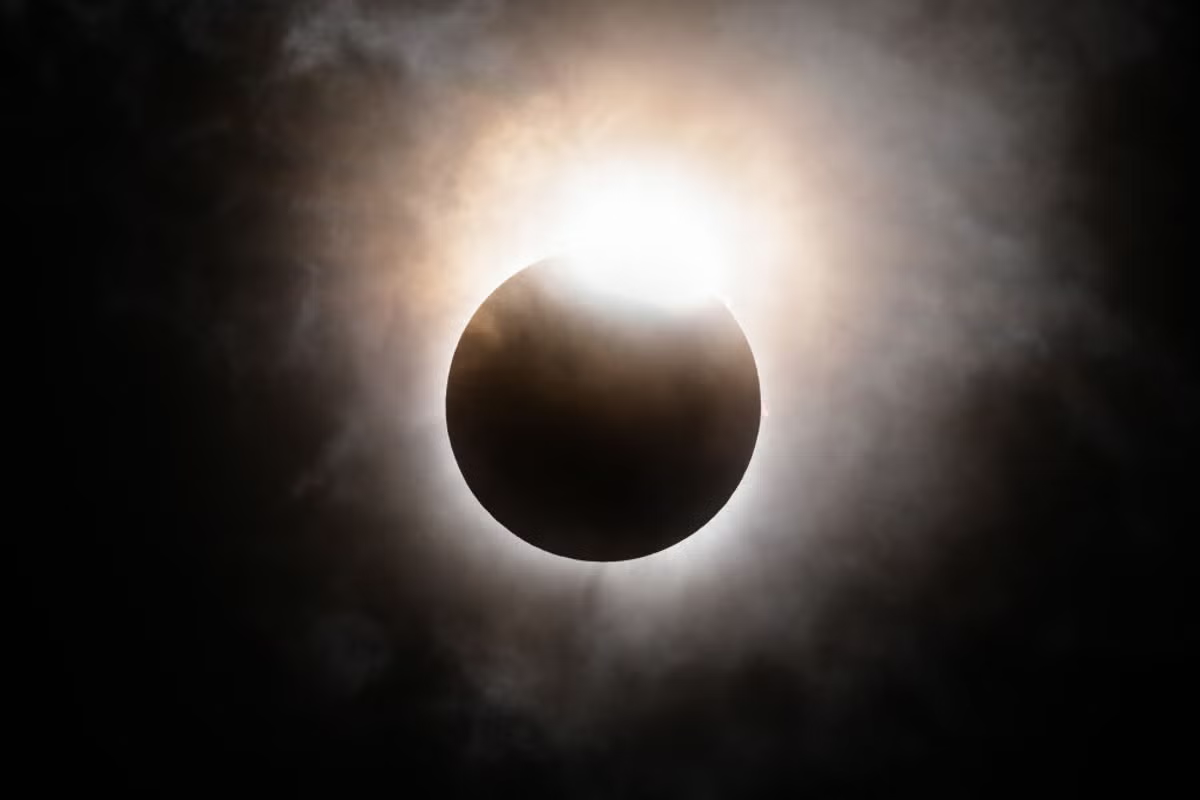
A file photo of a total solar eclipse seen from Arlington, Texas, on April 8, 2024.
| Photo Credit:
Julio Cortez