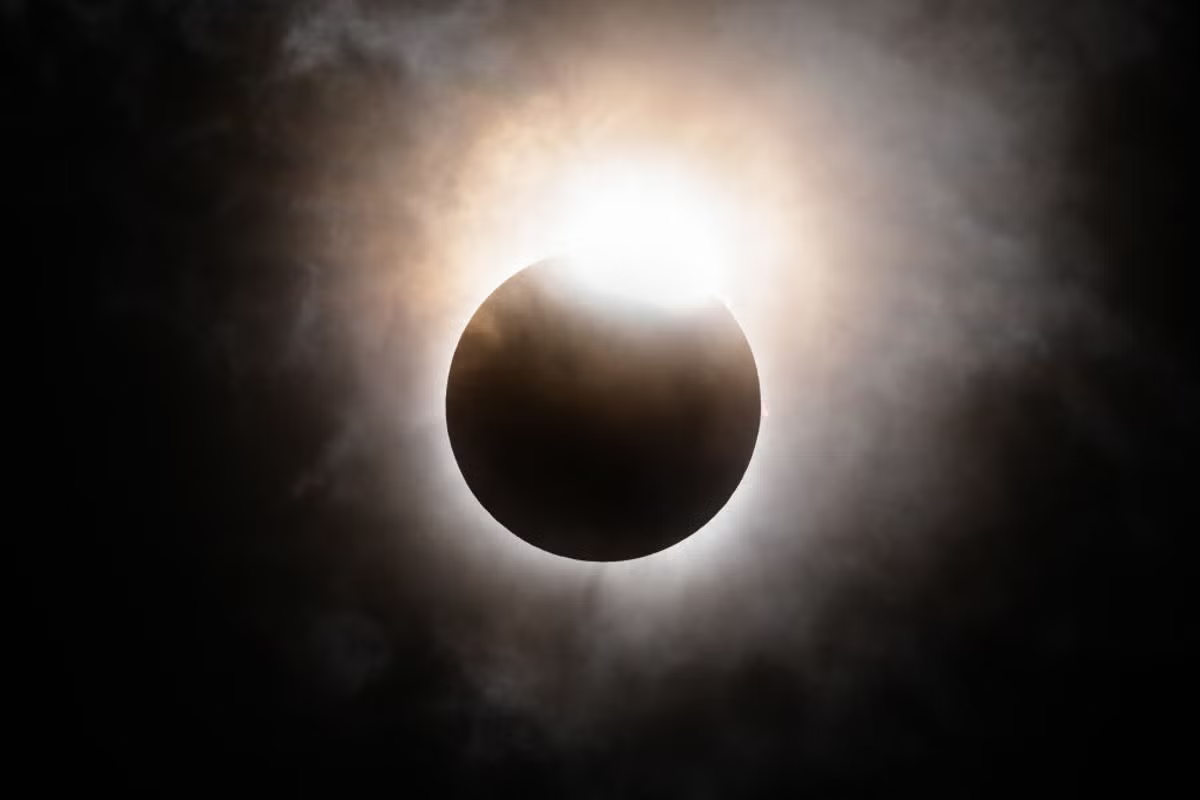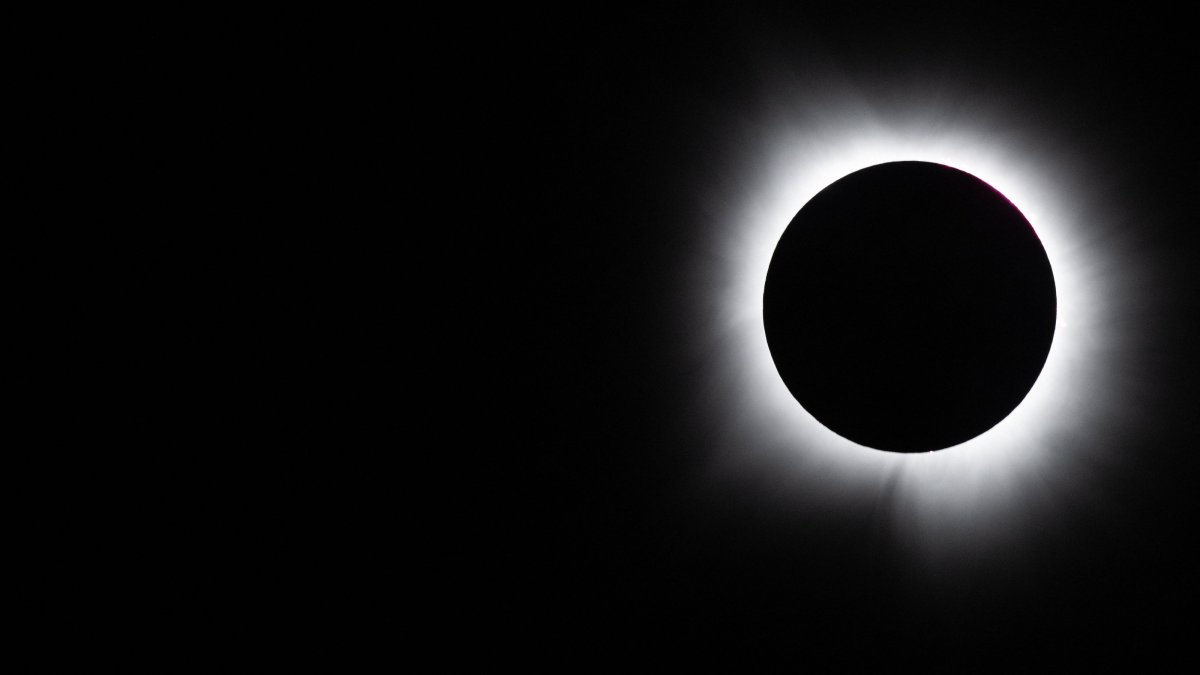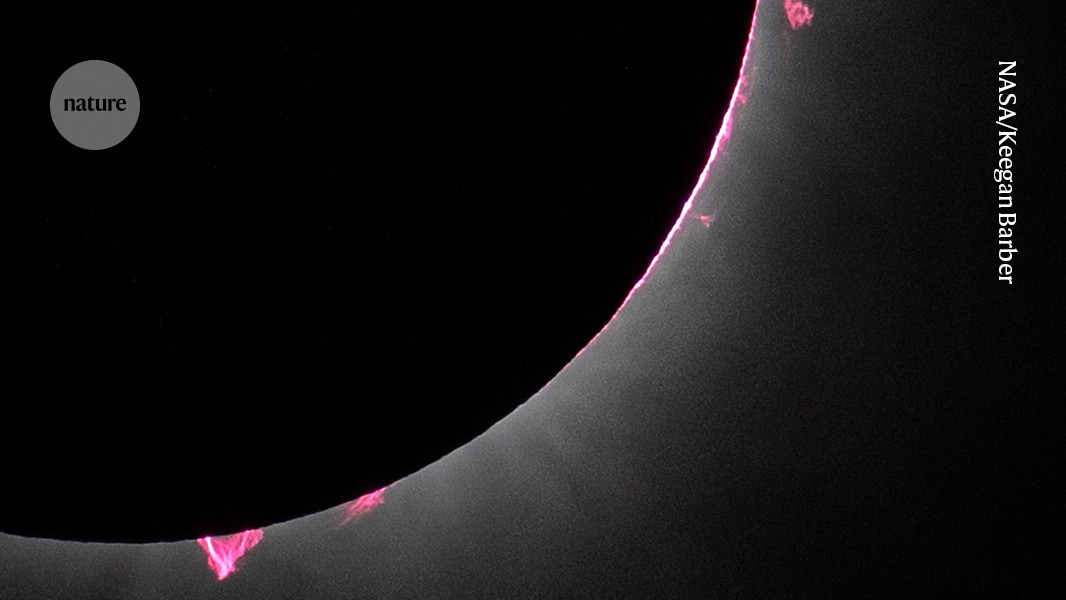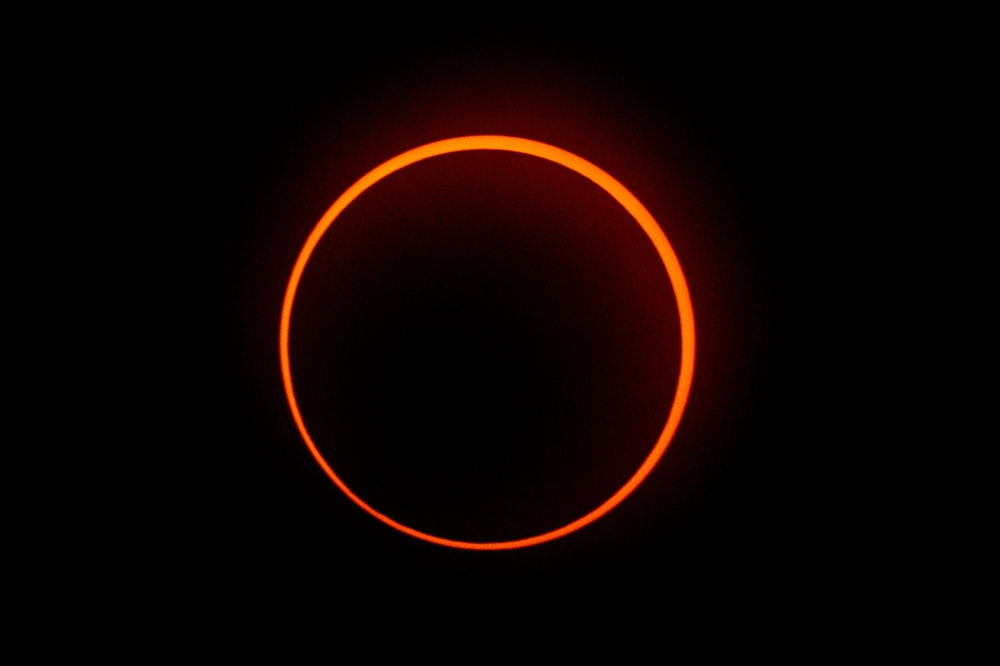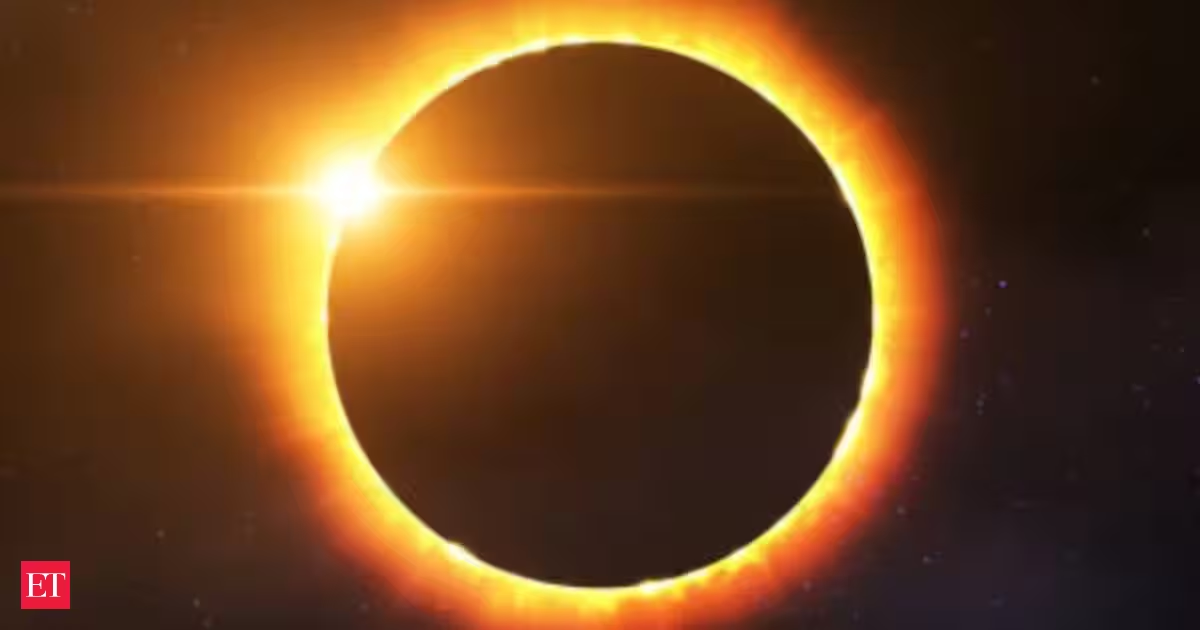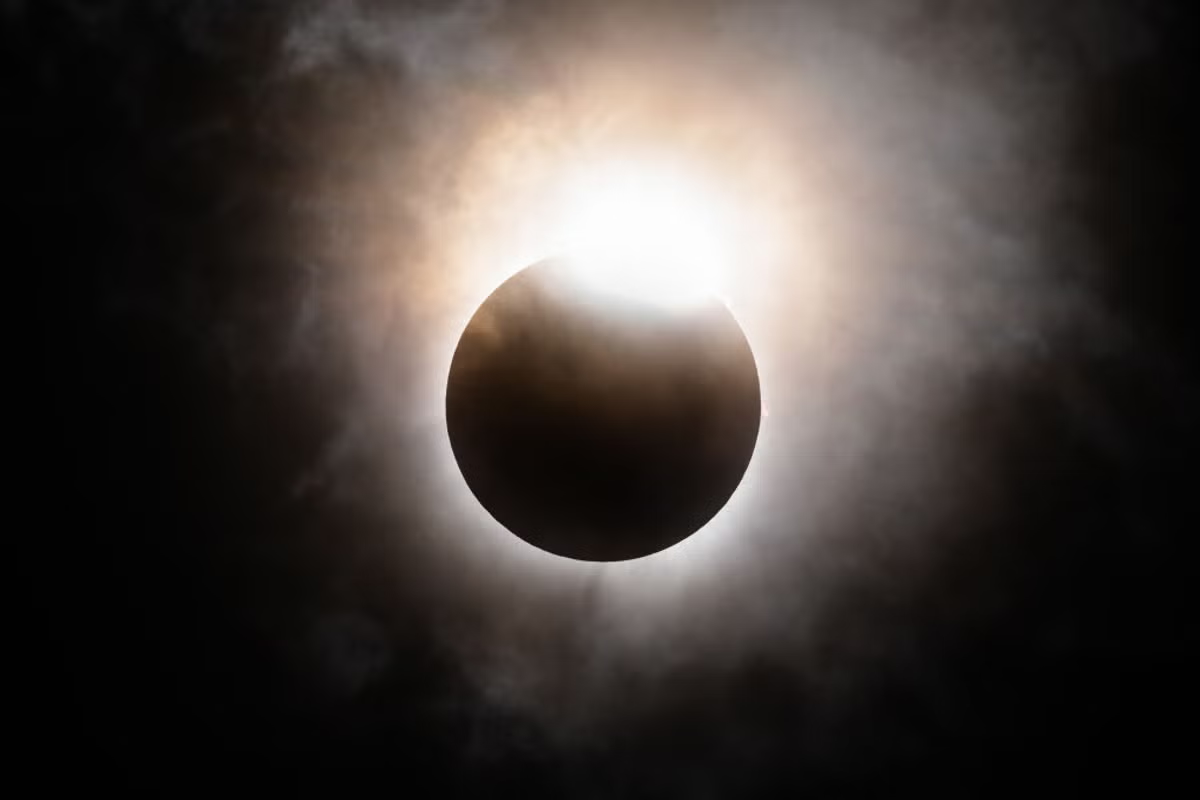
Eclipses tell the story of humanity's relationship with knowledge. Once seen as dire omens, they have become open-air laboratories, feared for centuries and now closely studied by scientists in a continuity stretching back to the earliest observations of Antiquity. One of the earliest traces of an eclipse observation may be a clay tablet discovered in the city of Ugarit, in present-day Syria, dating back to 1223 BCE. With mainland Europe set to witness its first total solar eclipse since 1999, FRANCE 24 is dedicating a series of articles to this astronomical event – one of the continent’s most anticipated of the decade – with upcoming reports from the path of totality in Spain. • Eclipse chasers: When chasing totality becomes a way of life (1/4) • From Solar corona to human emotions: What can we learn from eclipses? (2/4)
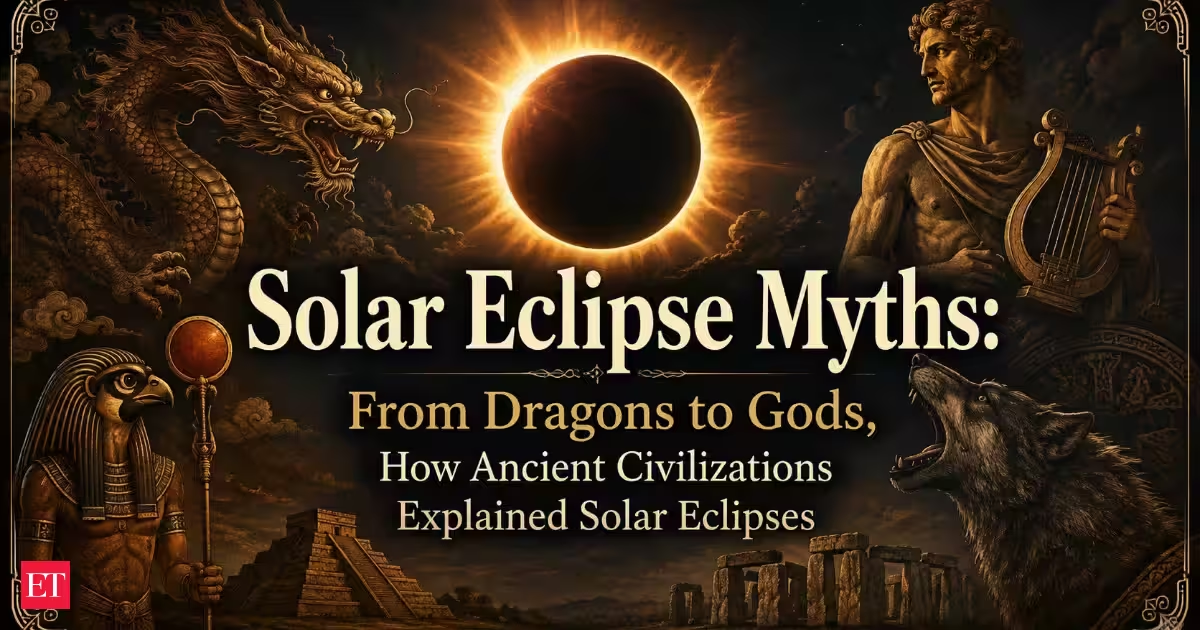
In ancient civilisations, the sight of the sun vanishing in broad daylight inspired both wonder and dread. In ancient China, the phenomenon was seen as a sign that a dragon was devouring the Sun because of humanity's misconduct on Earth. Drums were beaten to frighten the beast away and bring back daylight. In South America, the Incas interpreted eclipses as a sign of the sun god's anger. Their leaders would try to guess the cause and appease it with a sacrifice. A solar eclipse over the Greek island of Paros in 648 BCE inspired the following words from the poet Archilochus: "Nothing in the world can surprise me any longer. For Zeus, father of the Olympians, has plunged midday into black night by blotting out the light of the rising sun, and a dark terror now hangs over men. Anything can happen." Beyond myth, eclipses also helped advance knowledge from very early on. As far back as Antiquity, observing them helped people better understand the movements of celestial bodies and predict their return. This scientific role only grew stronger over the centuries, eventually enabling some of the most significant discoveries in modern astronomy. That was the case in 1868, when helium – named after the Greek "helios", meaning Sun – was discovered in the Sun's spectrum before it was even identified on Earth.