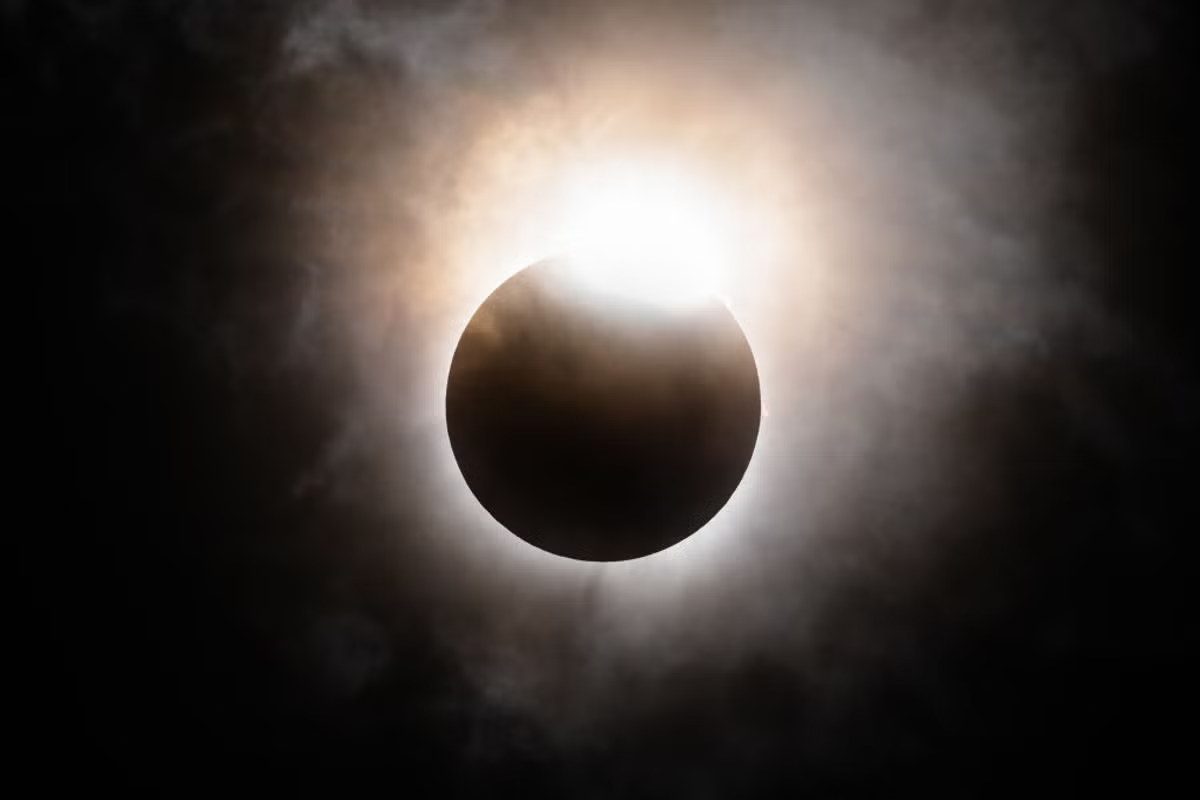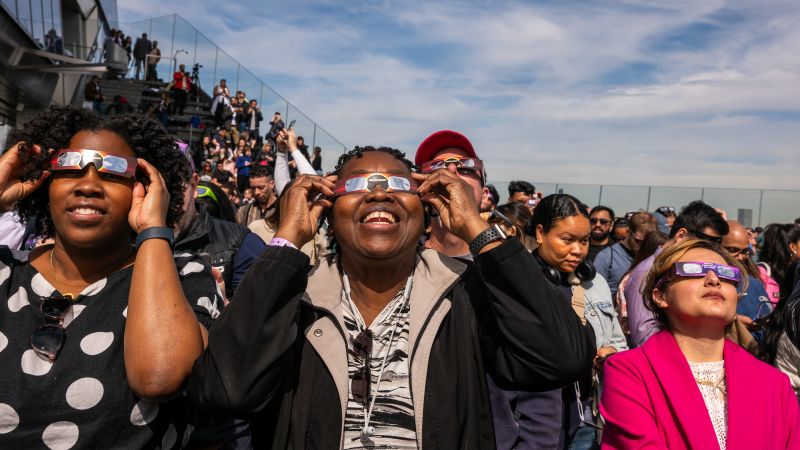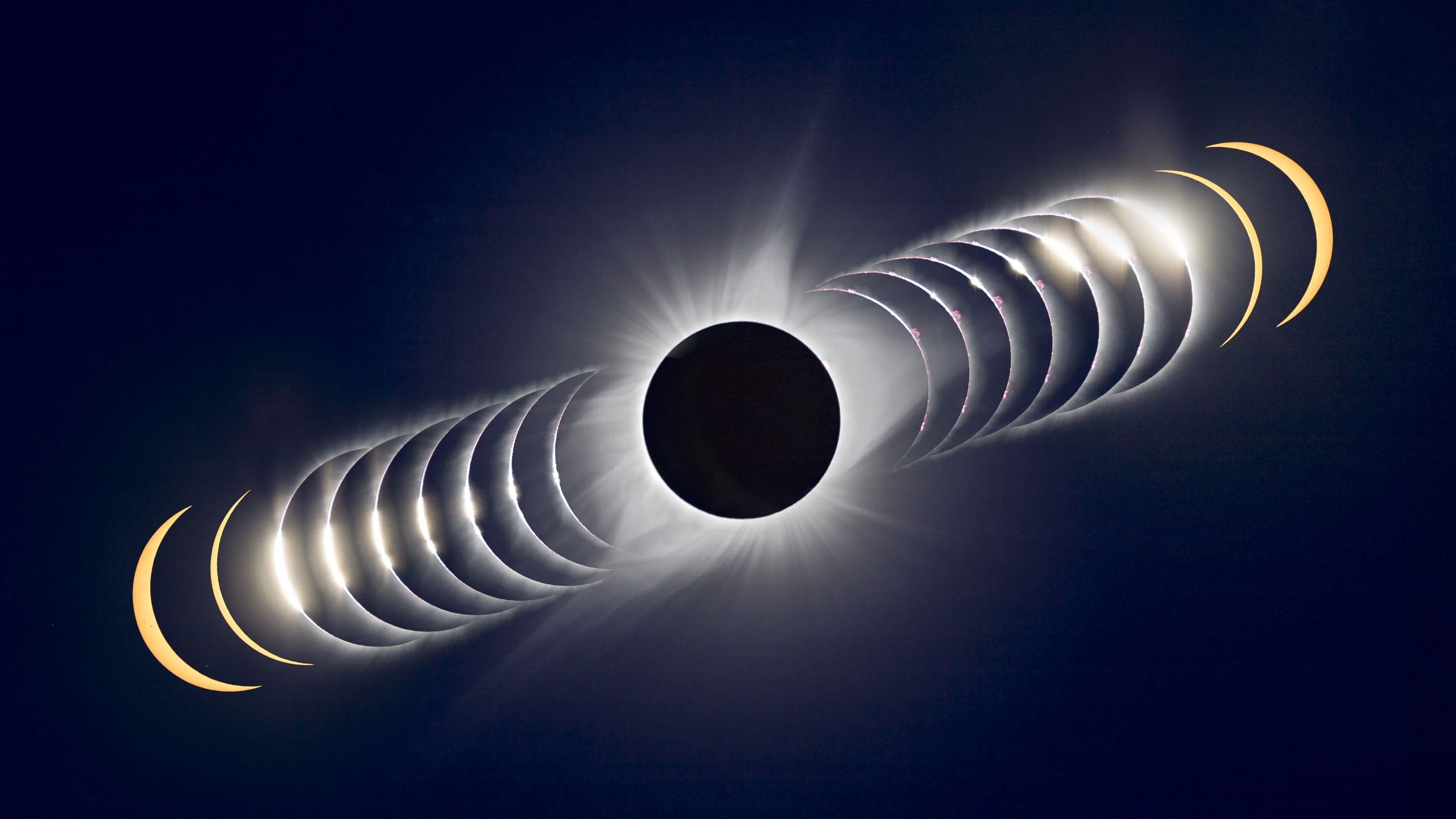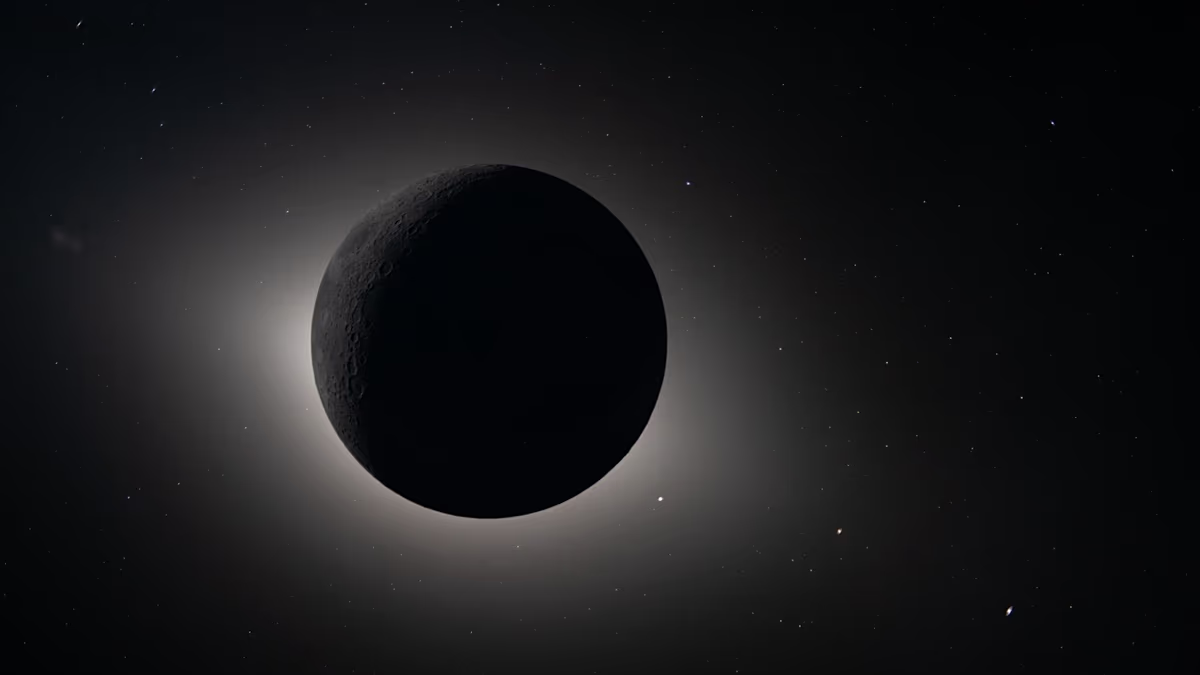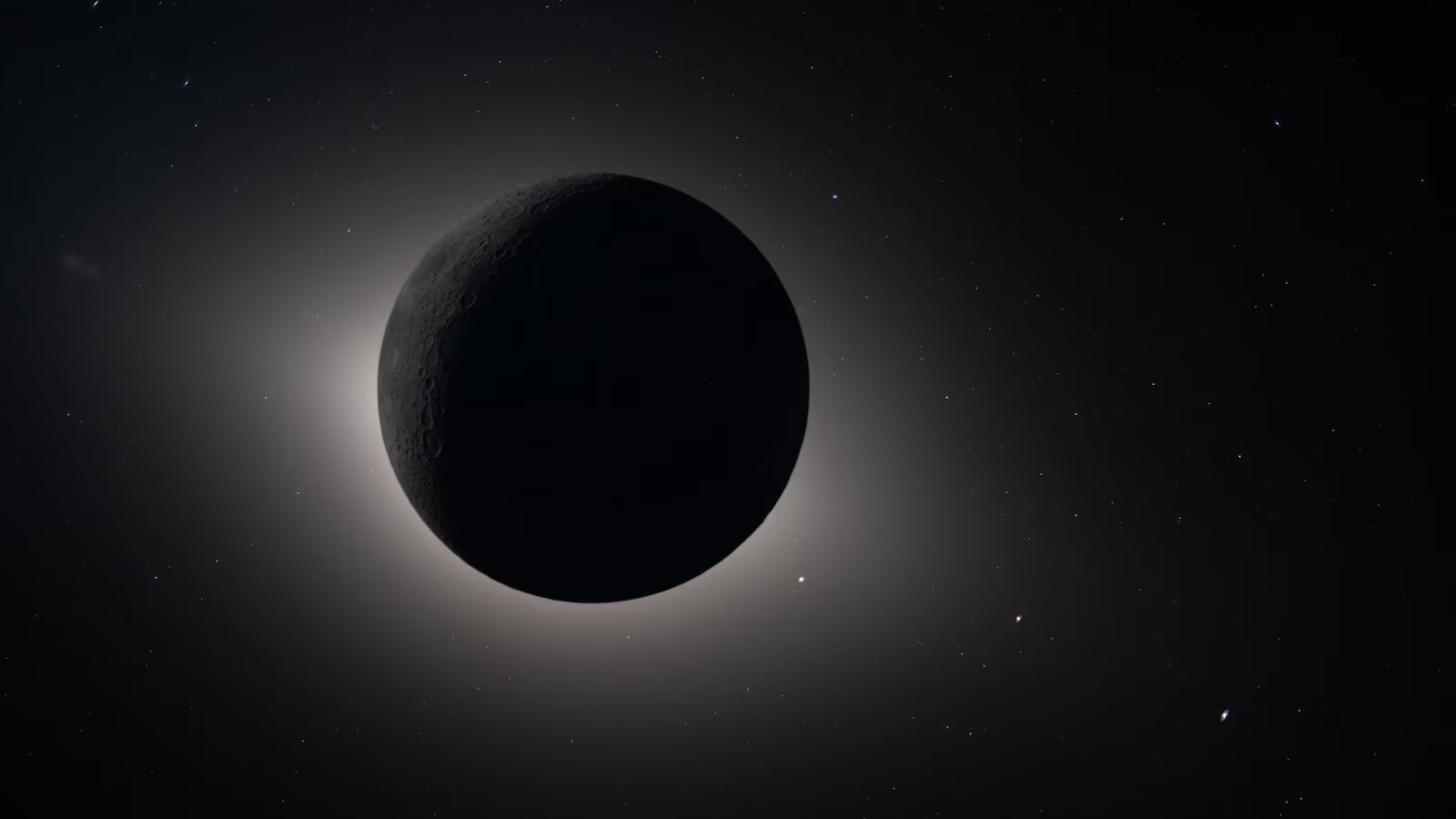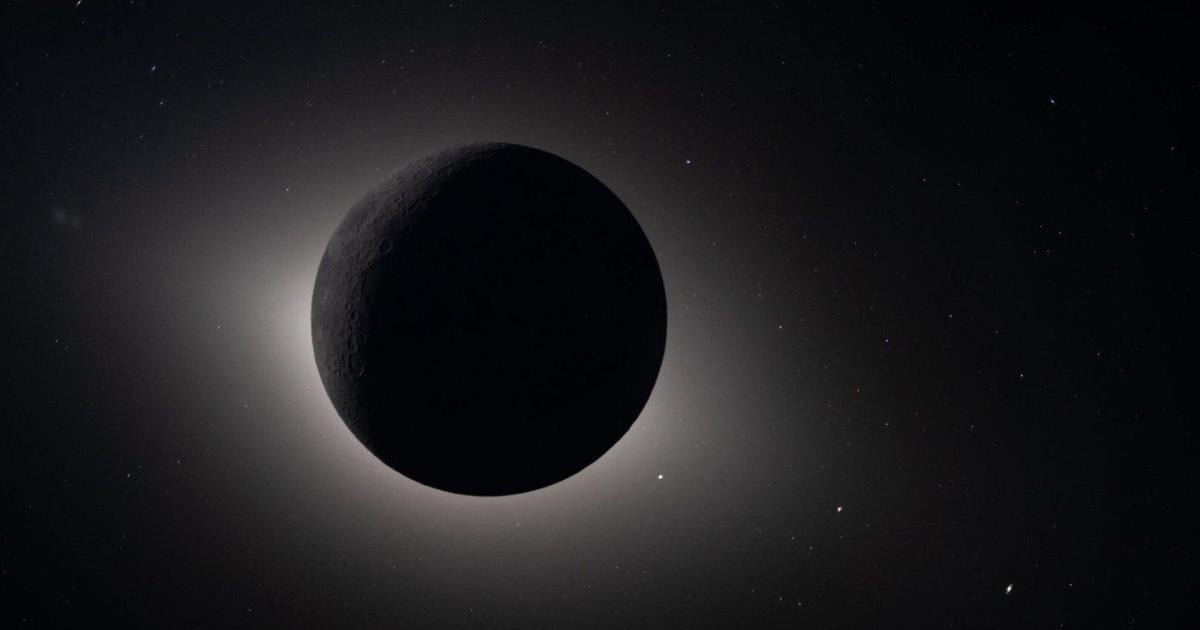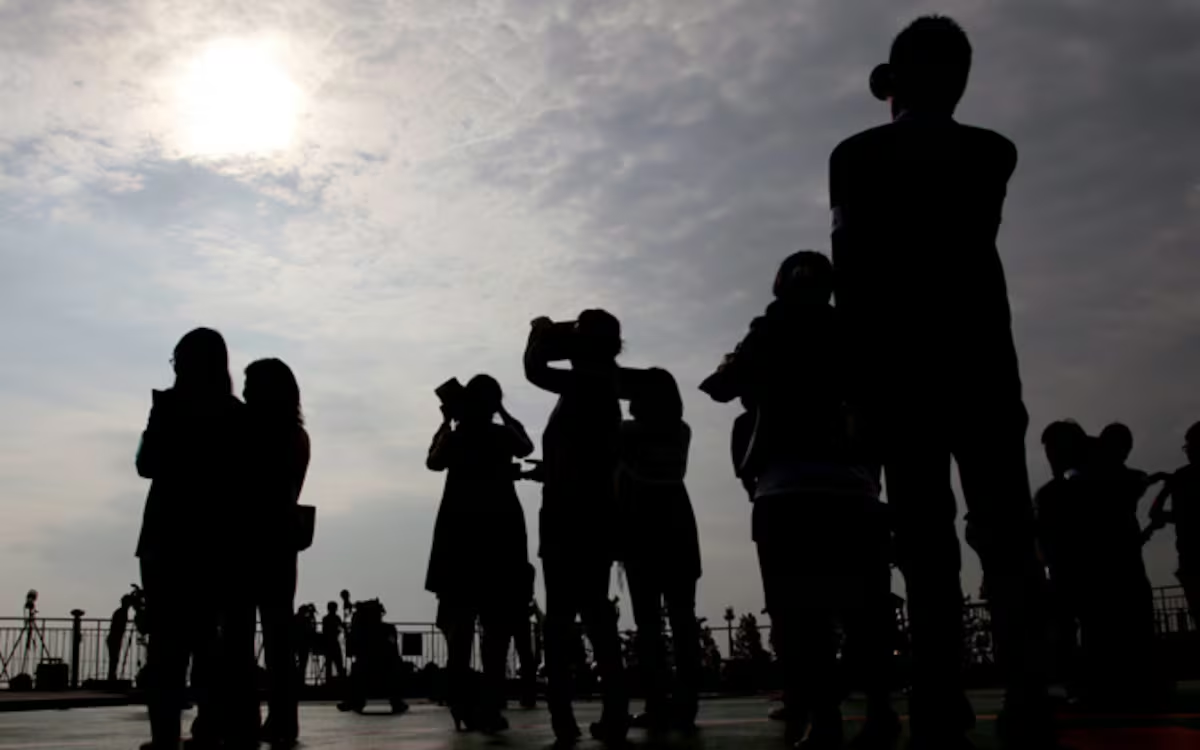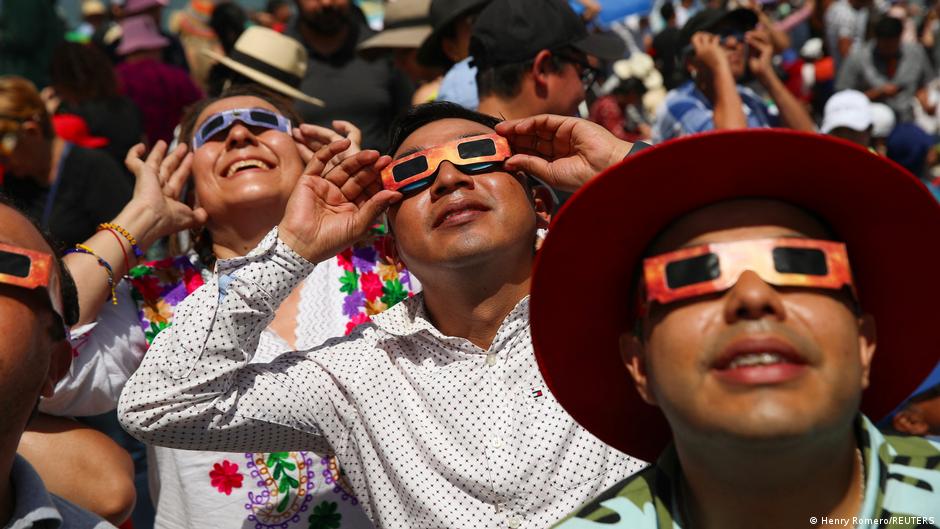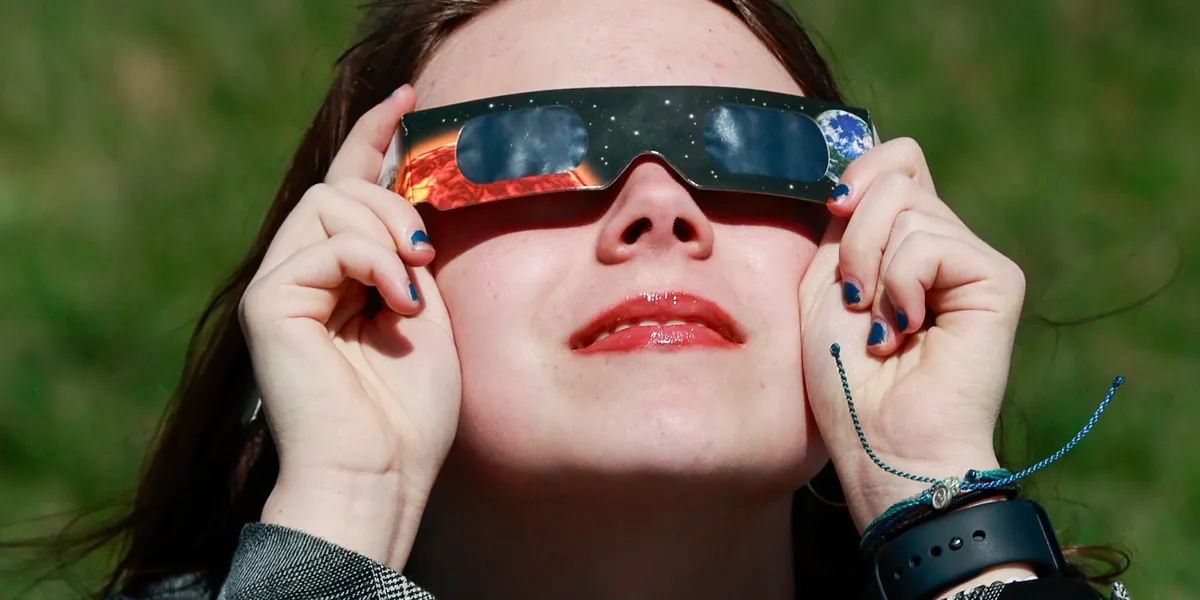
On 12 August, just before sunset, a strip of the Iberian peninsula will witness its first total solar eclipse in more than 120 years. For many across the region, this is a rare chance to see the moon block out the sun. For one group of researchers, it’s an even rarer chance to record the human body’s reaction to that awesome phenomenon. For the first time, scientists will monitor those observers with the aid of smartwatches and fitness trackers. In Catalonia, the SOLARIS project is recruiting wearable device owners to record how their hearts respond to the darkening of the sun. SOLARIS (short for “Seguiment d’Observacions de l’Activitat caRdíaca i reSpiratòria durant un eclipsi Solar” in Catalan) should log thousands of physiological responses to the eclipse across a vast area.SOLARIS is just the latest example of how medical researchers are turning to wearables for data that can’t be gathered in a lab. “In the past, it has been that you needed somebody to be in the laboratory to be able to collect data on them, and we know that’s just not a great representation of what people’s behaviors and physiology are in everyday life,” says Jessilyn Dunn, a biomedical engineer at Duke University, who isn’t involved with SOLARIS. “Wearables provide us a window into what’s really going on.”SOLARIS App Tracks Eclipse Heart DataIndeed, no SOLARIS participant will set foot in a lab. The project is open to anyone with a smartwatch, fitness tracker, or another device that can measure its wearer’s heart rate. Those who wish to take part can download the SOLARIS app, available for both iOS and Android. Several thousand people have already done so. As the eclipse nears and as those device-wearers go about their business, the app will record their heart rates and breathing patterns over a five-day period. That span includes the day of the eclipse itself, as well as two days before and two days after to establish a baseline. All data should be anonymized.After the eclipse, medical researchers at Barcelona’s Vall d’Hebron Research Institute will have a record of thousands of physiological responses to the same event from across Catalonia. Gathering a dataset like this would have been virtually impossible before the current era of widespread wearables.In the future, if researchers want to study how lots of people physiologically respond to one event, they might look to SOLARIS for inspiration. “I suspect the long-term significance will extend beyond the eclipse itself,” says Michael Chee, a sleep researcher at the National University of Singapore who is also uninvolved with SOLARIS. “The same approach could be applied to heat waves, pandemics, natural disasters, major sporting events, shift work, or other societal phenomena that affect health and behavior.”How Wearables Enable Large-scale ResearchThe same wearable devices that track their users’ sleep schedules, exercise habits, and vital signs can, if users are willing, allow researchers to do the same—on a much larger scale. Other research groups already take advantage of the fact that the owners of wearable devices use them in their everyday lives for years on end.“Wearables allow us to collect continuous, objective physiological and behavioral data over months or years in tens of thousands—or even hundreds of thousands—of people,” Chee says. “That is something that was previously impossible with traditional laboratory methods.” Sleep researchers like Chee have benefited from the wearable era. Thanks to sleep trackers, they can now sift through millions of real-world nights at once. It’s become far easier to analyze phenomena like the global effects of jet lag or how different countries and age groups sleep differently.Wearables have also catalyzed studies of physical activity, thanks to the ready availability of exercise logs from devices like FitBits. From Chee’s perspective, however, wearables are not perfect, and not only because people sometimes forget to charge their smartwatches. Today’s wearables were not designed as precision scientific instruments. In practice, this means that one manufacturer’s smartwatch might measure sleep and physical activity very differently from its competitor’s, which makes researchers’ jobs more complicated.Efforts to standardize this are underway, but even if that does happen, wearables will probably never fully replace a proper lab for precise measurements. Instead, these devices’ real value to researchers comes from their ability to gather lots of data in the real world.That will be easier as wearables on the market are rapidly growing more capable. “One of the really exciting things is that we can get more types of measurements, a higher frequency of measurements, more accurate measurements,” says Dunn. “That’s improving every day, every year.”
Solaris App Turns a Total Eclipse Into a Massive Heart Study
Researchers will gather smartwatch data to learn how an eclipse affects human health
753 words~3 min read