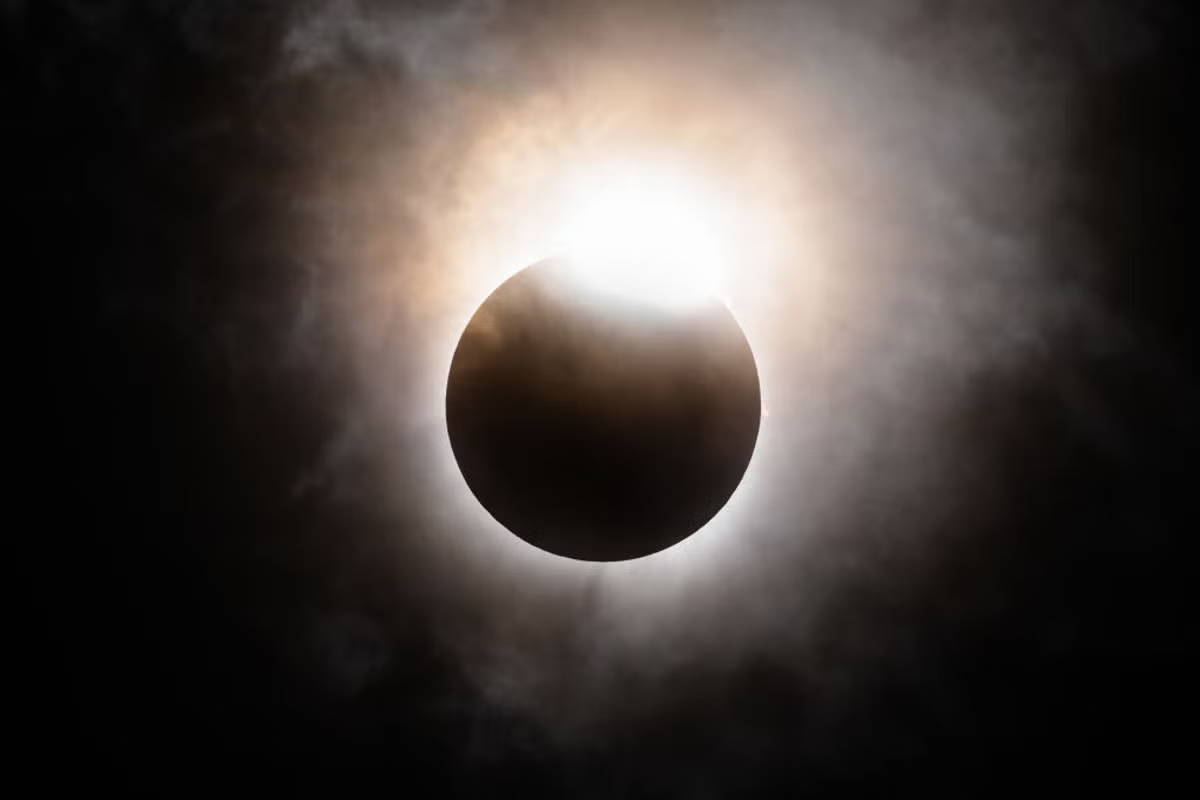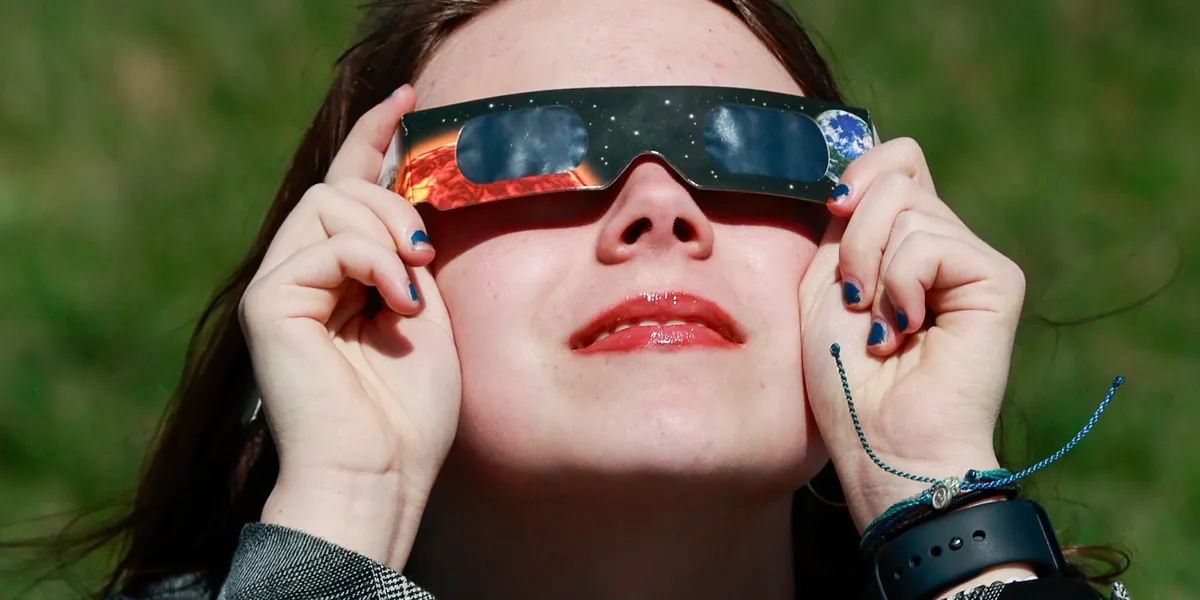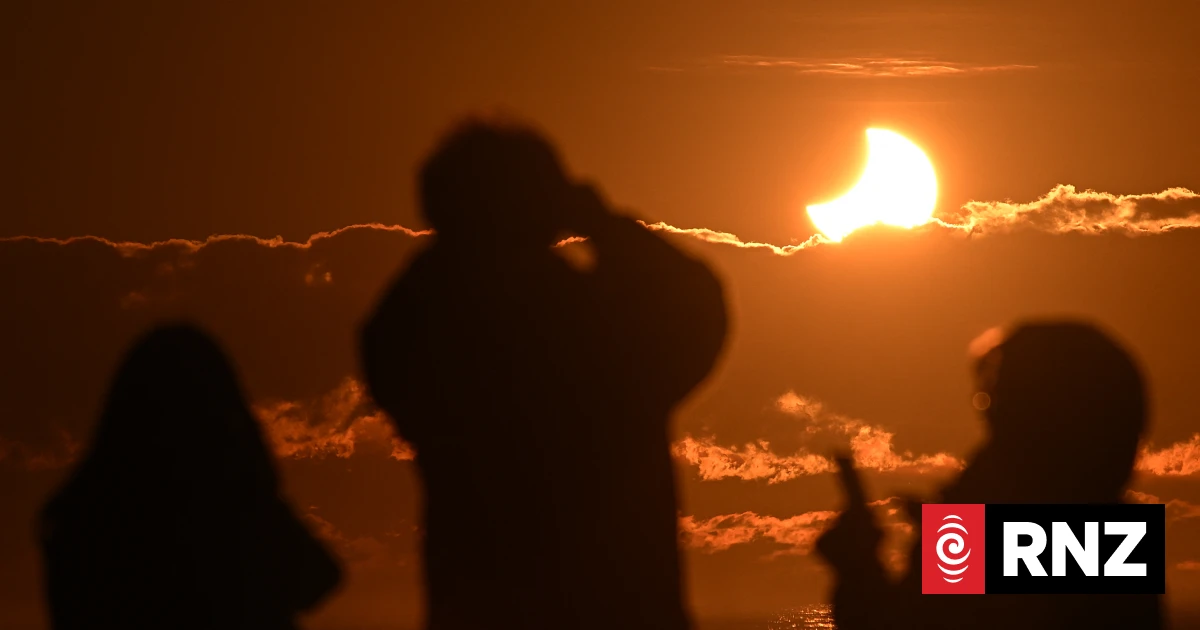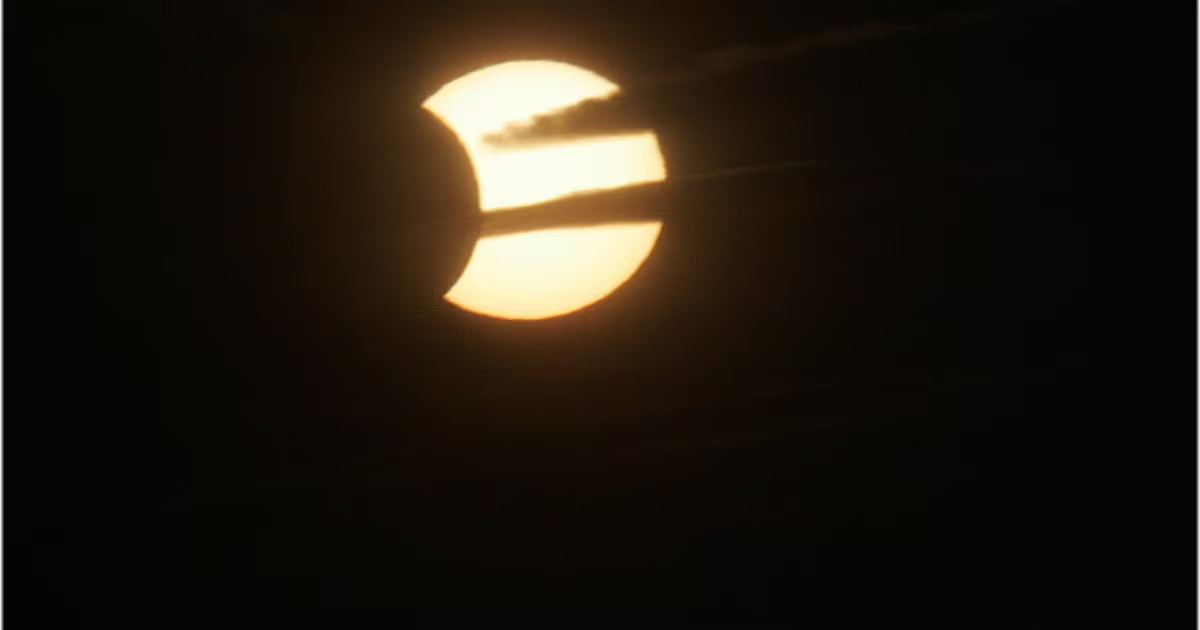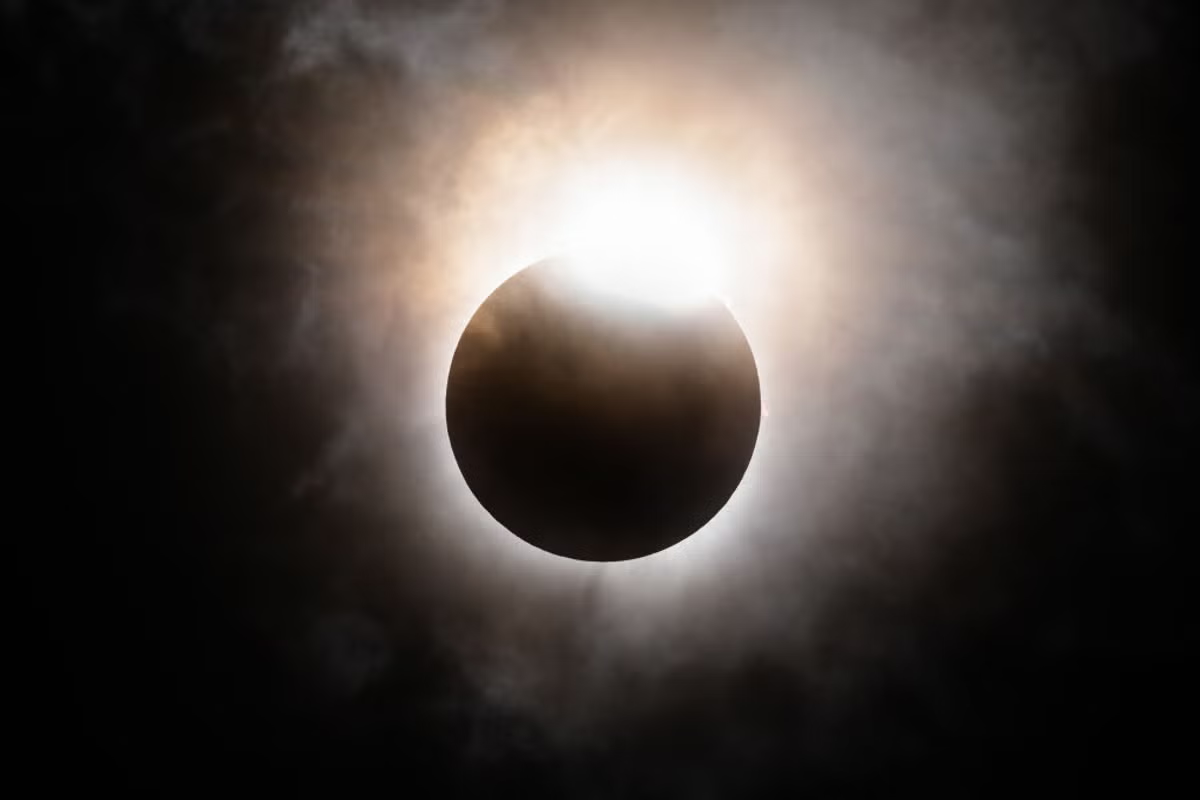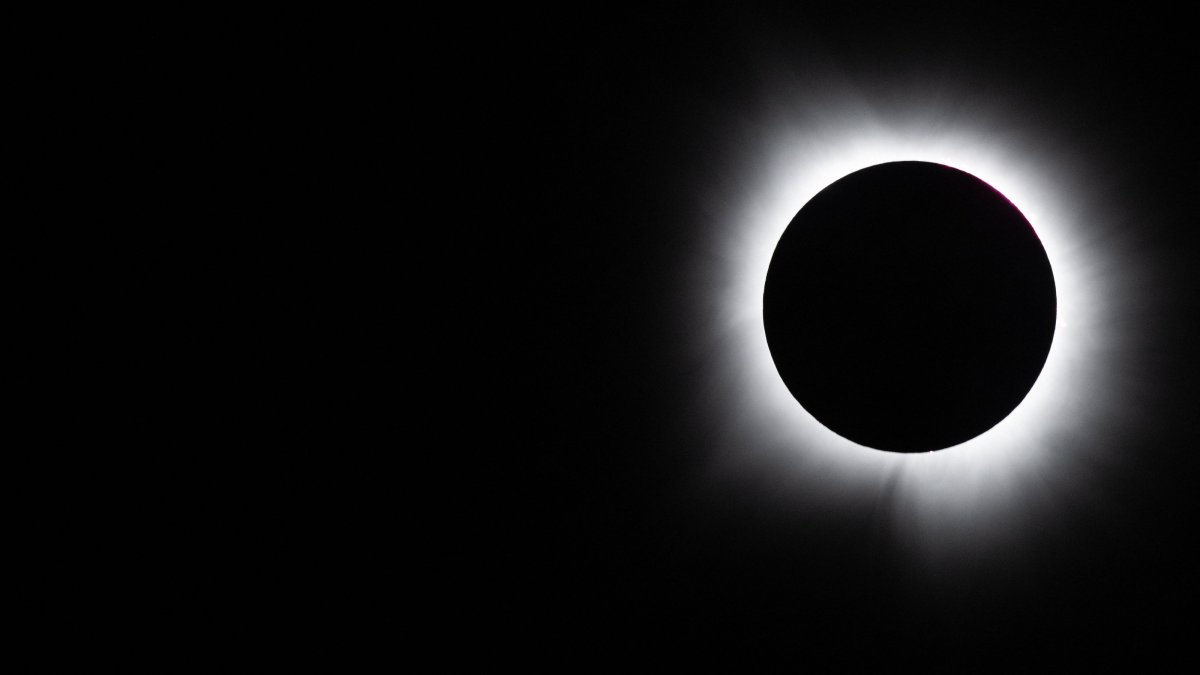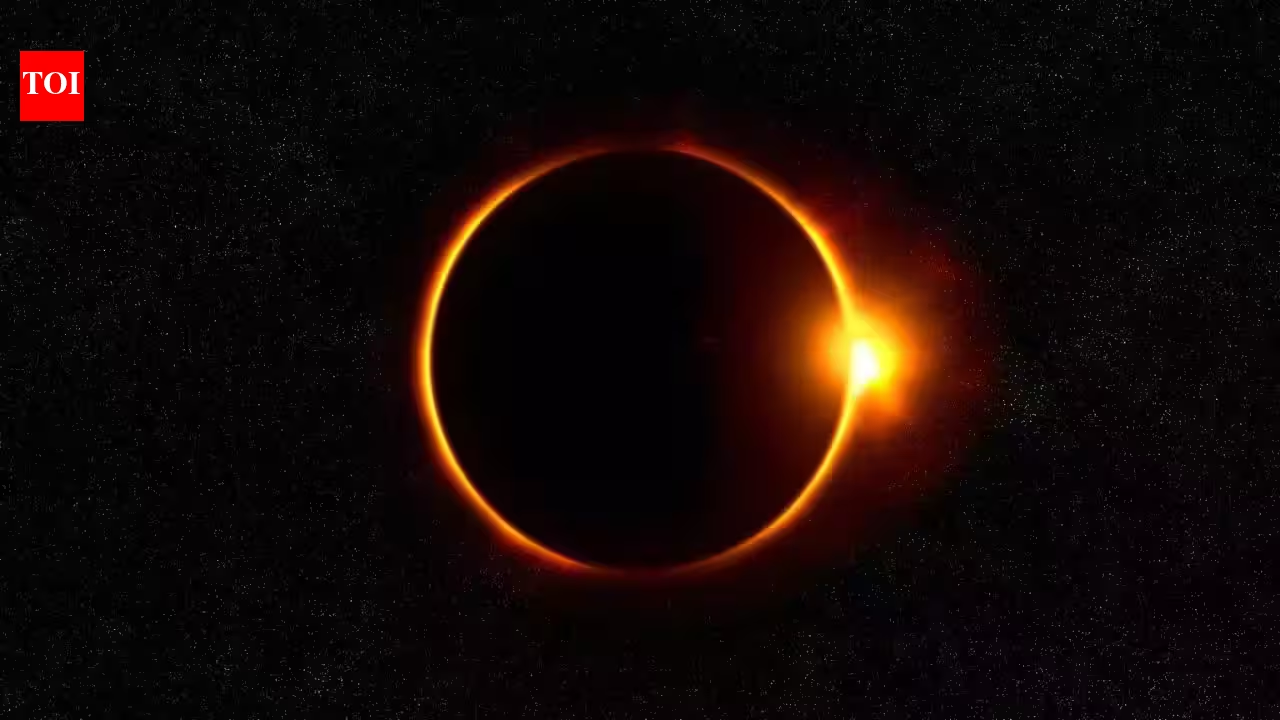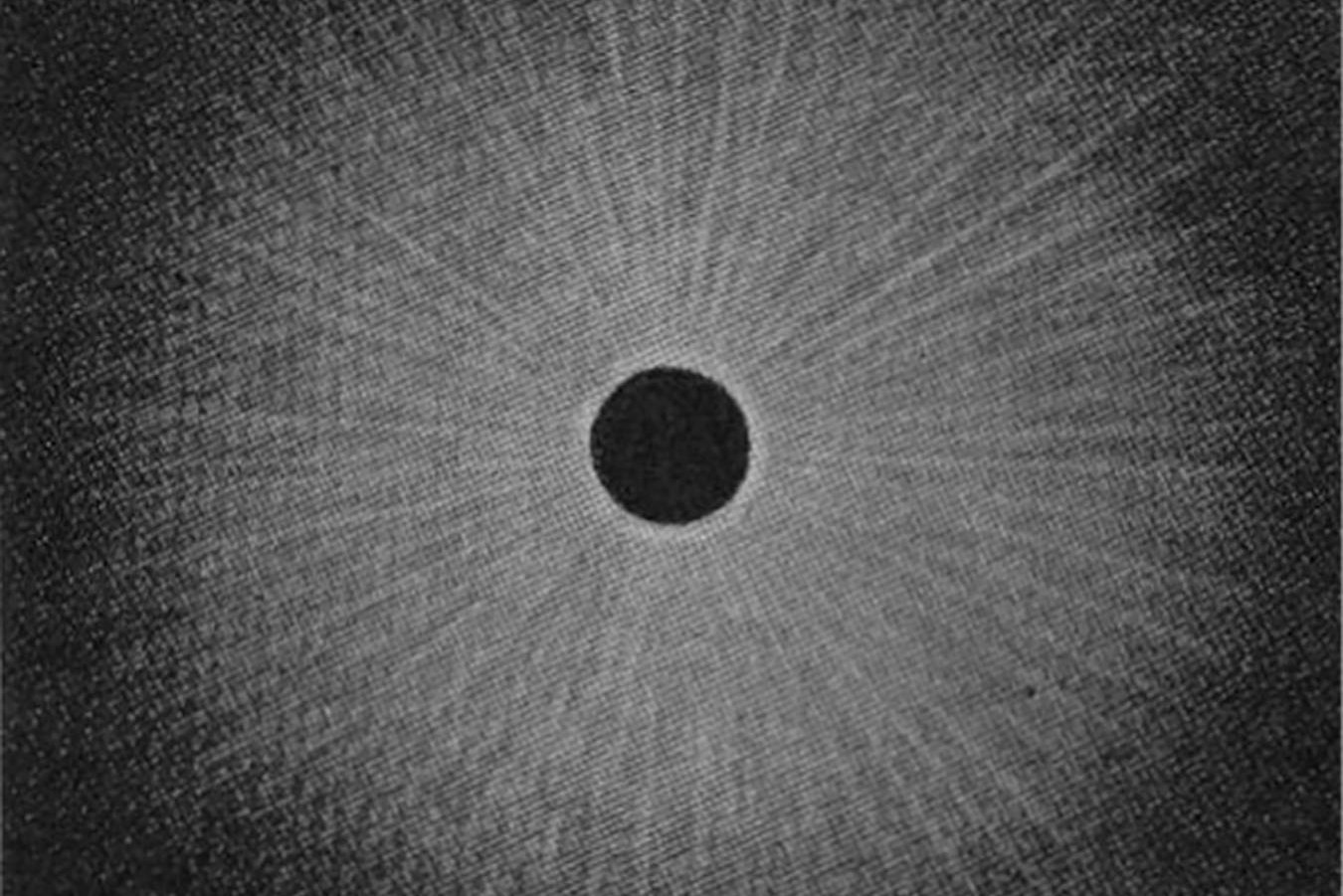
On 12 August the Moon will once again pass in front of the Sun over much of Spain, and for a few minutes midday will turn into twilight. A total solar eclipse will be visible that day, and astronomical associations are already organising preparations for the event. By no means will this be the first time an eclipse has left humanity open-mouthed.
Nor will it be the first time someone has tried to capture it with a paintbrush. For centuries, painters, illuminators and engravers have tried to fix on canvas, fresco or copper plate something that in reality lasts only a few minutes.
When the sky darkened and the world trembled
Before astronomy existed as we understand it today, an eclipse was, quite simply, terrifying. The 'Nebra Sky Disc', a Bronze Age bronze artefact found near Halle in Germany, already shows the Sun, the Moon and the Pleiades together on a single object, although it does not depict an eclipse proper: it is rather the most distant precedent of that obsession with giving a visual form to what happens in the sky.
Herodotus himself left a written record of how a solar eclipse interrupted a battle between the Medes and the Lydians in Asia Minor, an episode both sides interpreted as a sign.