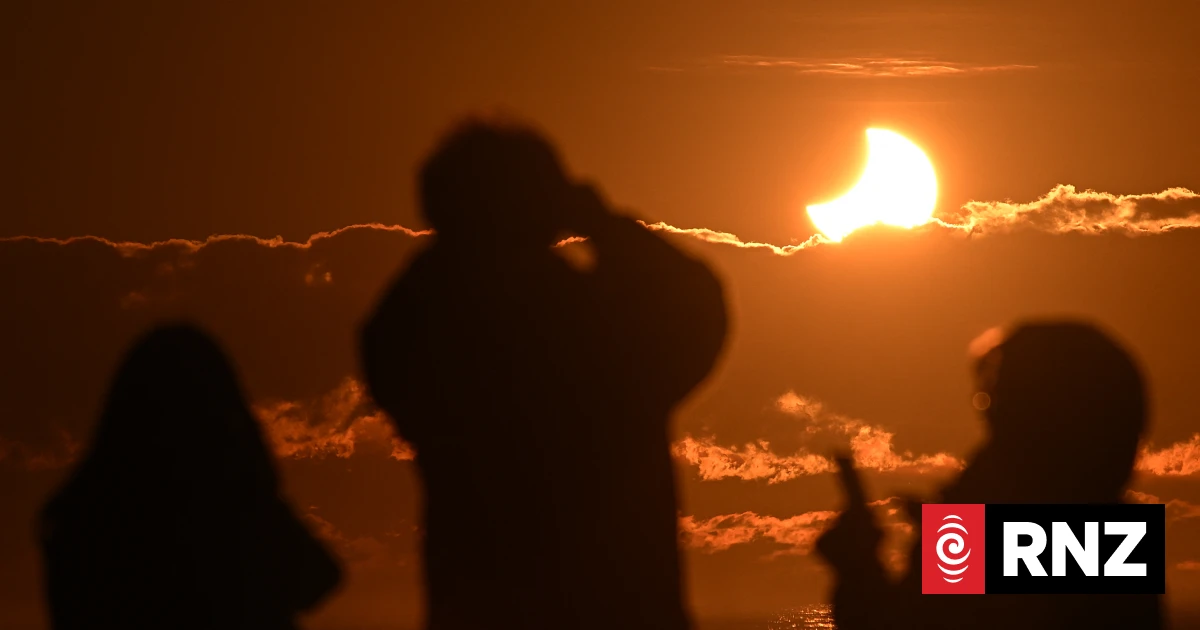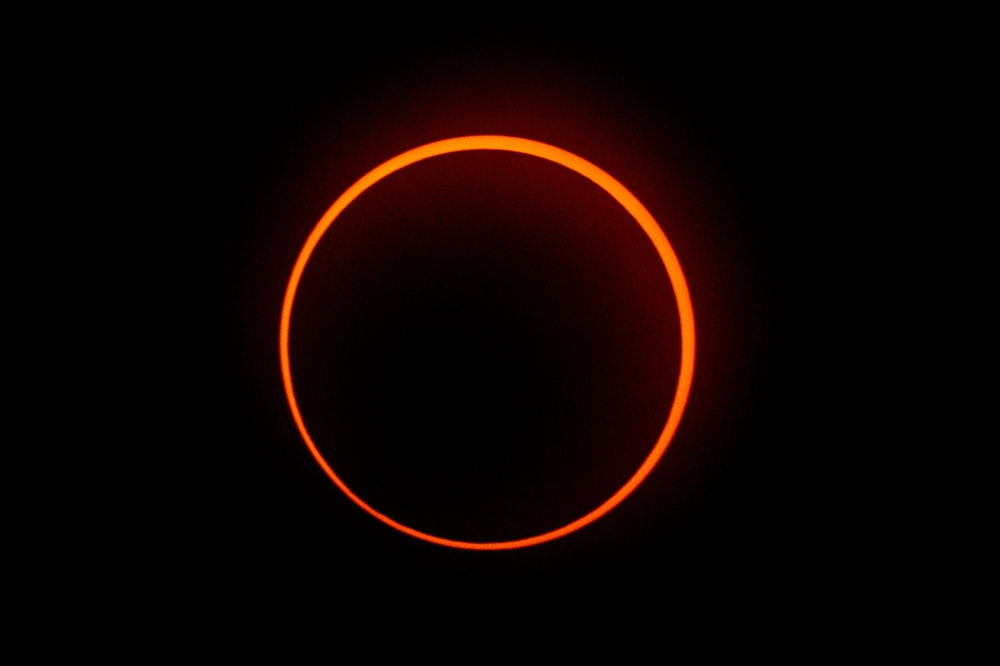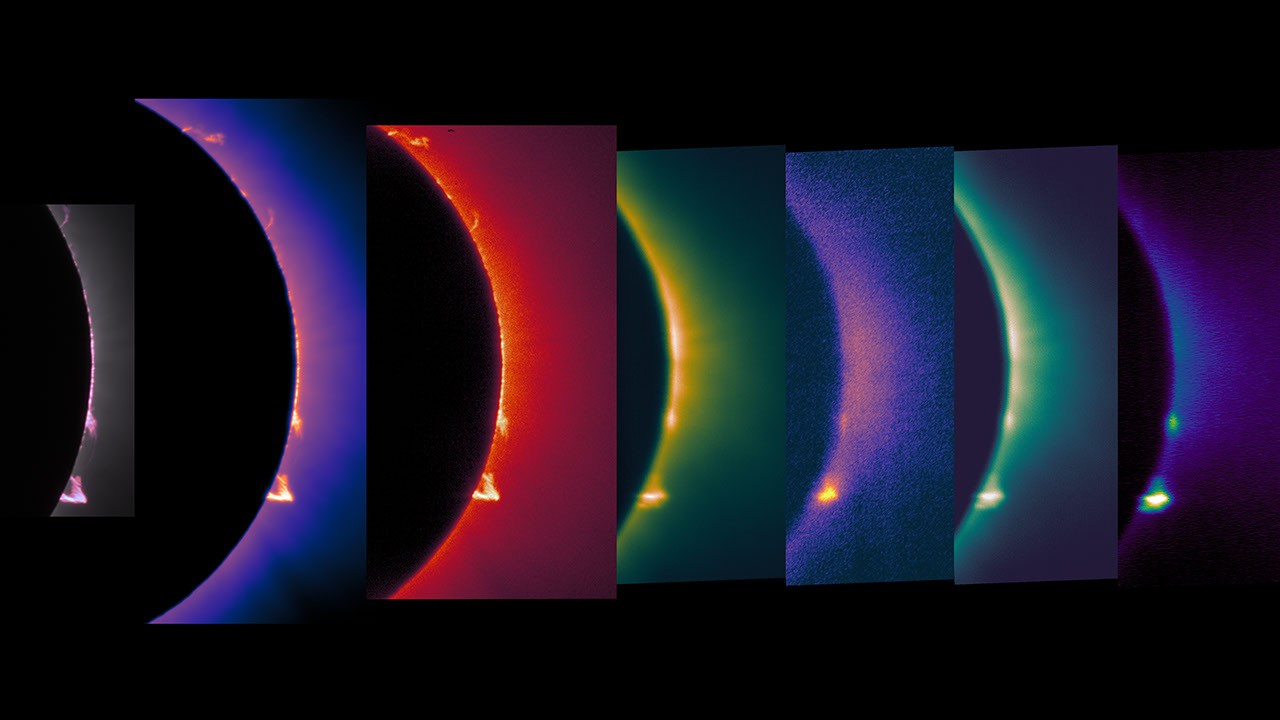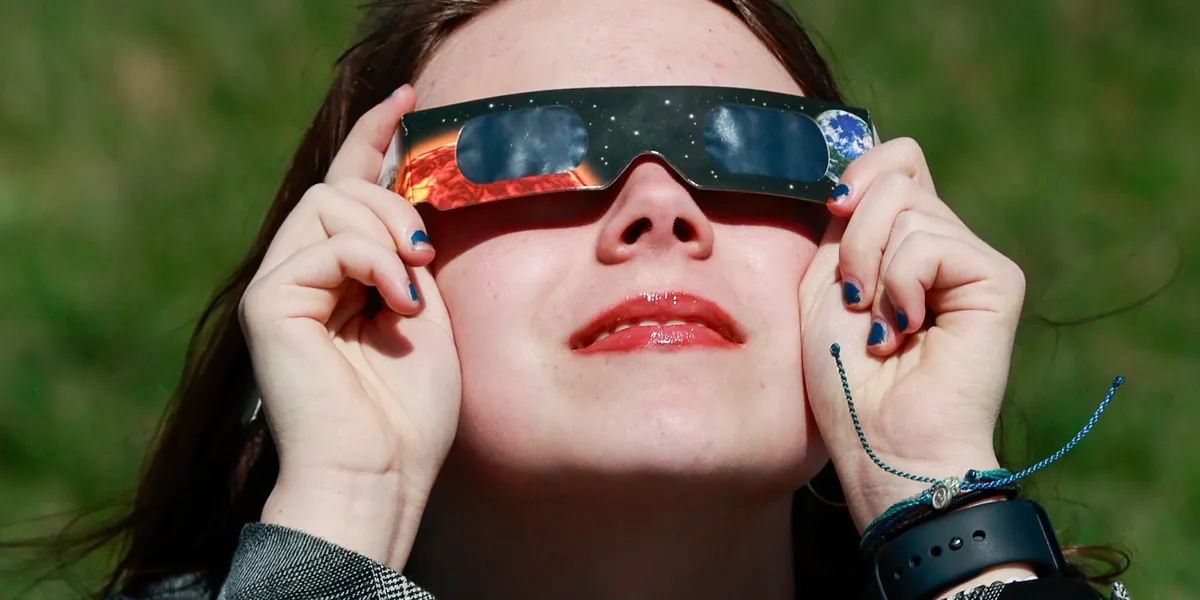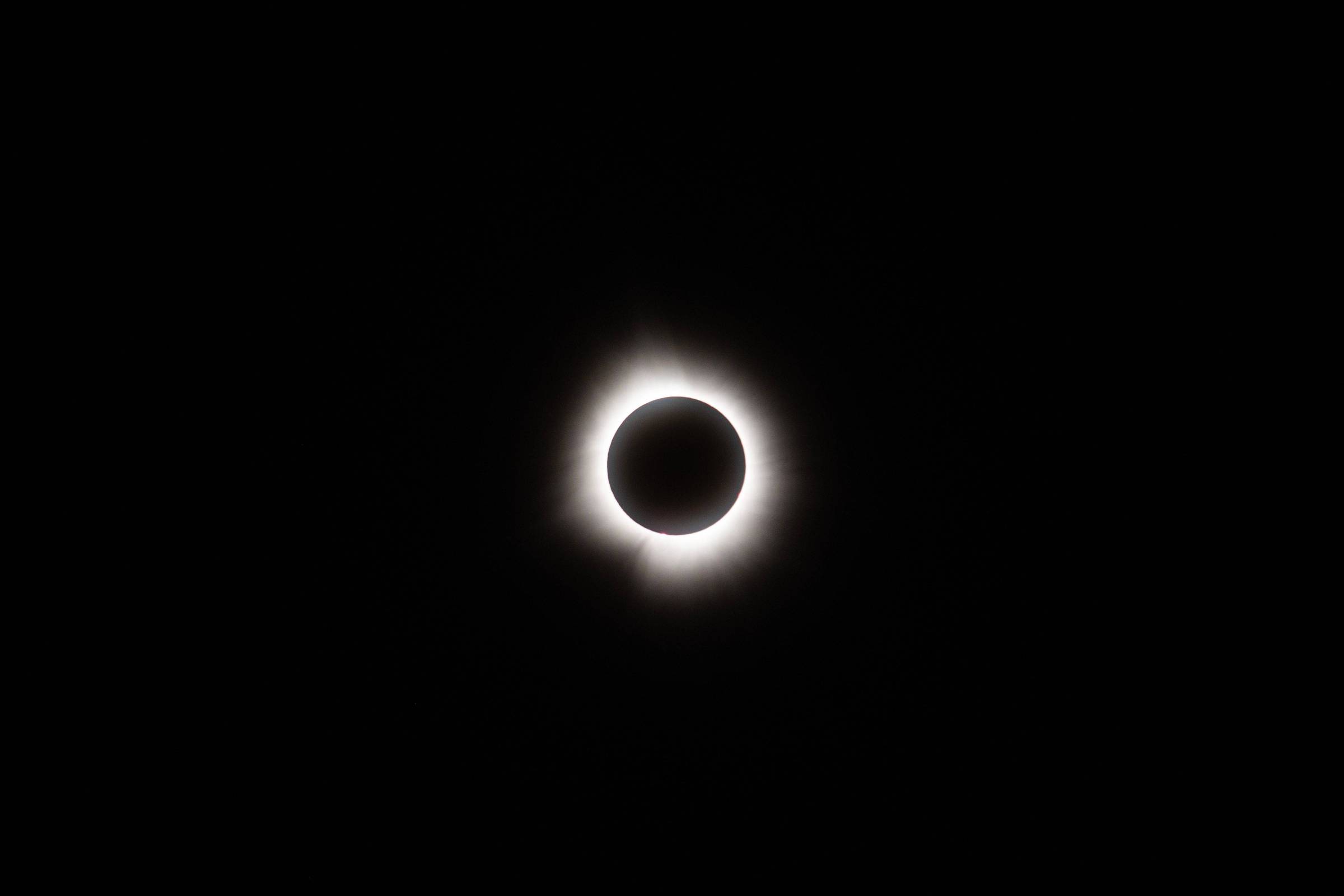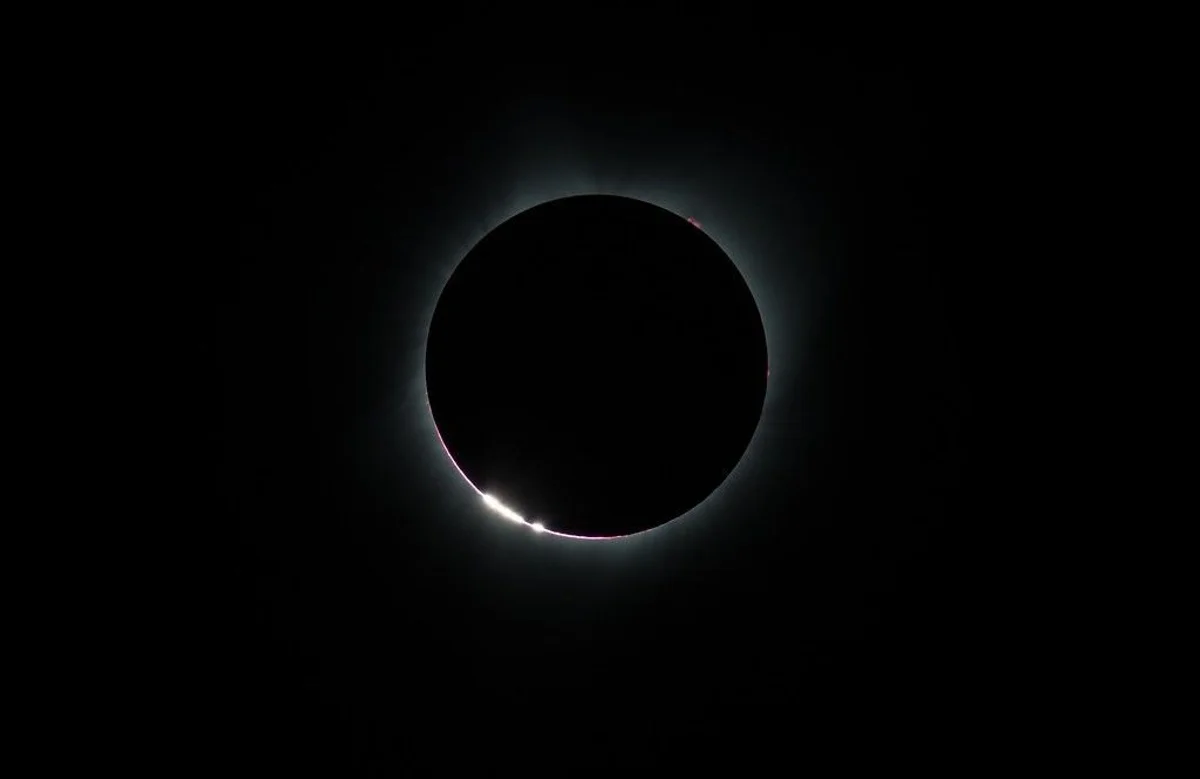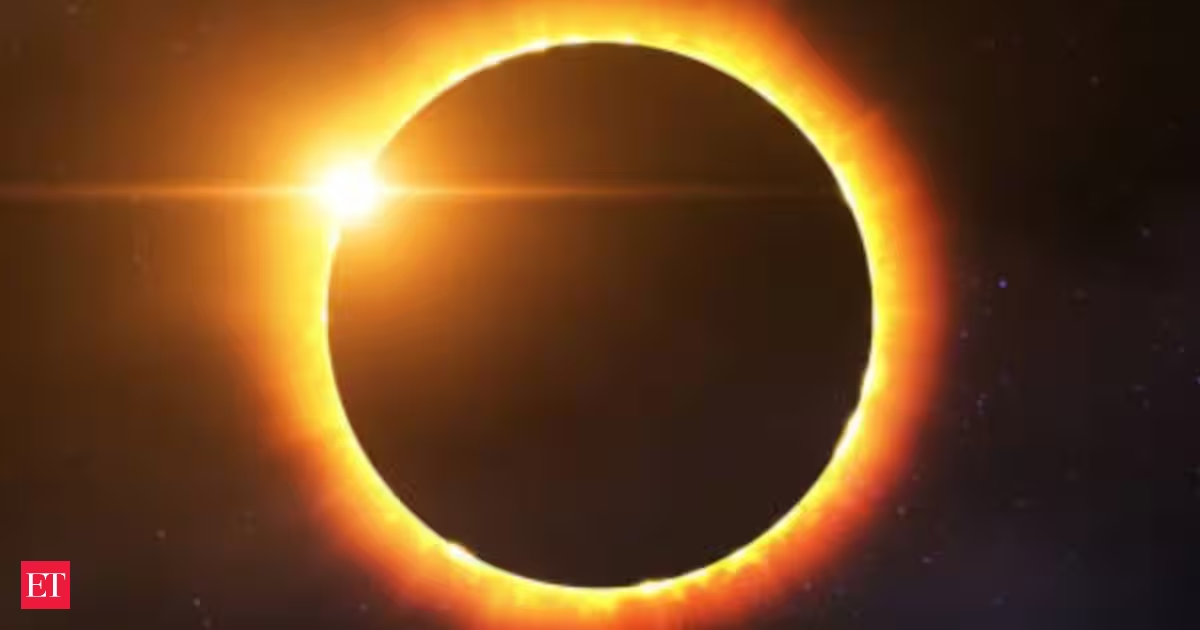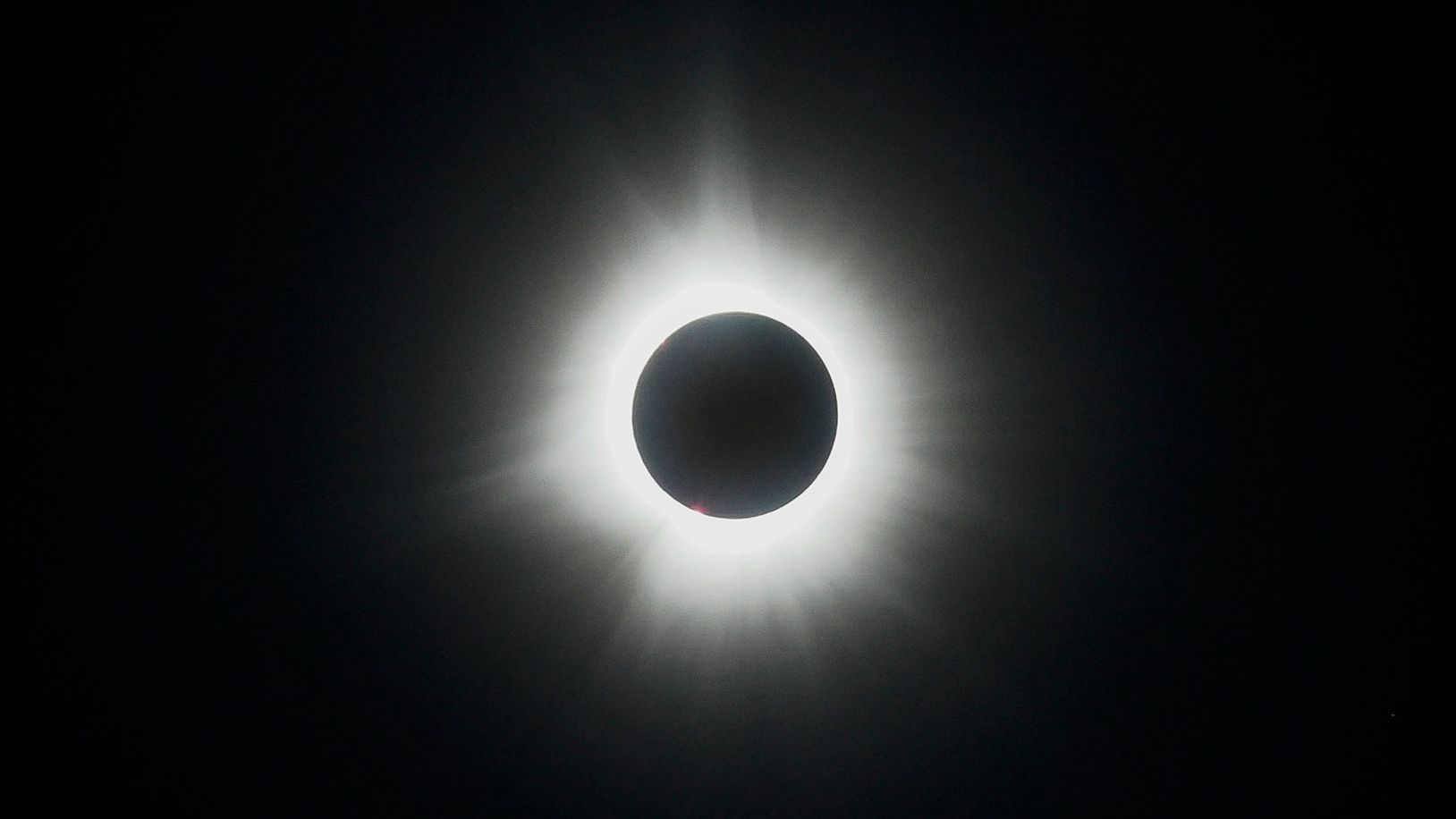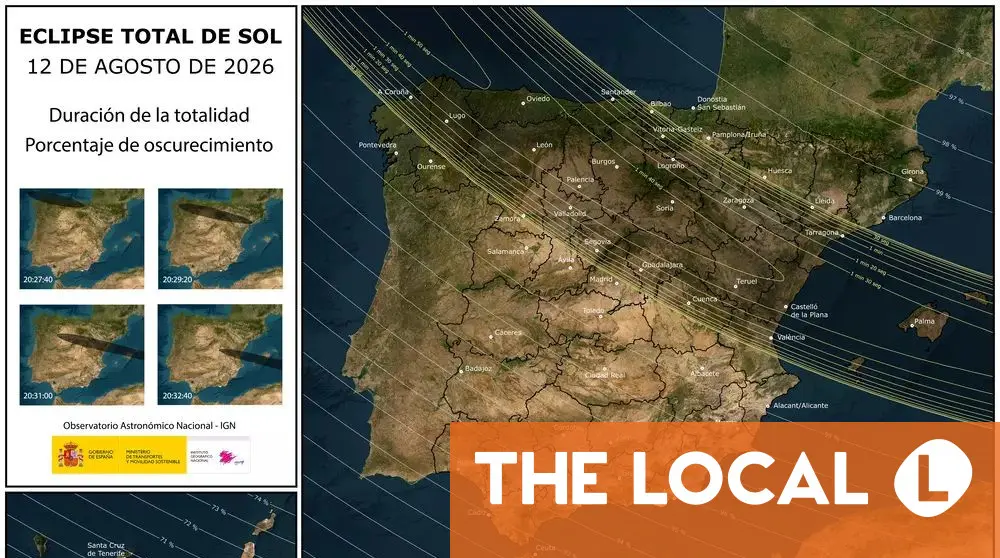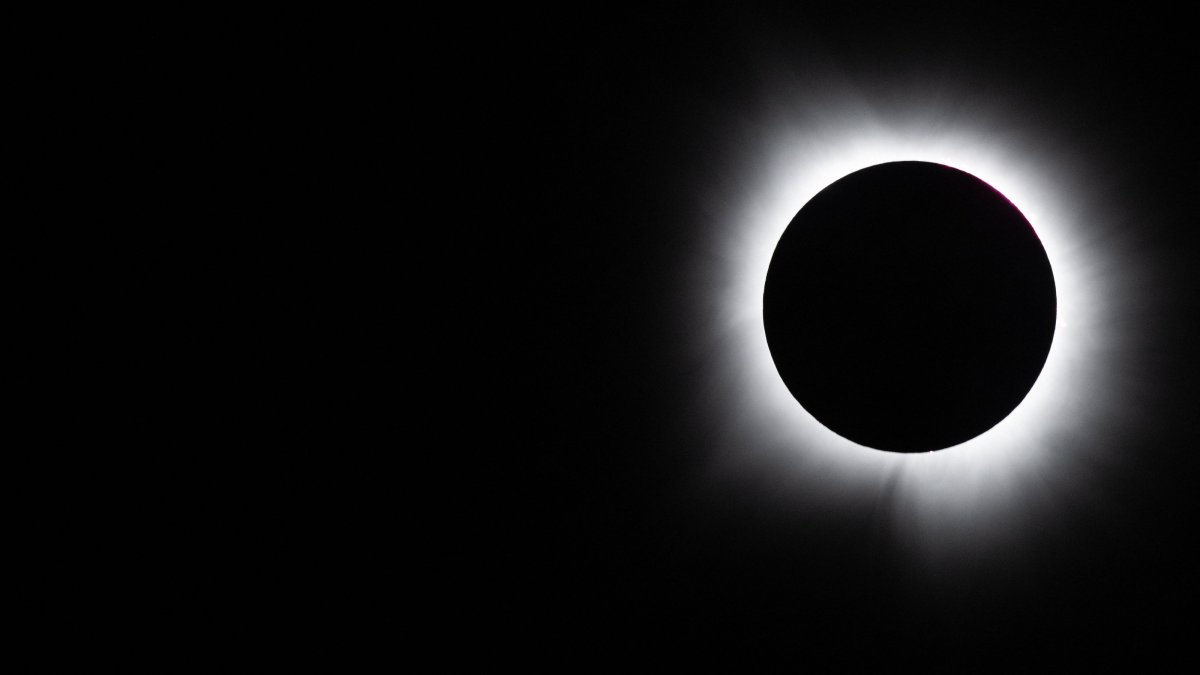
Scientists plan to use a total solar eclipse that will be visible in Spain next week as a rare chance to learn more about the stormy, unpredictable nature of our star.
When the Moon blots out the Sun on Aug. 12, teams will leap into action studying its magnetic field, atmosphere and furious weather that sometimes causes disruptions back here on Earth.
There is a long history of using eclipses to make scientific breakthroughs.
It was while watching an eclipse on May 29, 1919 on the West African island of Principe that British astronomer Arthur Eddington confirmed Albert Einstein's theory of relativity.
He achieved this by observing the effect of a light-bending phenomenon called gravitational lensing on the stars that became visible while the Sun's dazzling light was obscured.