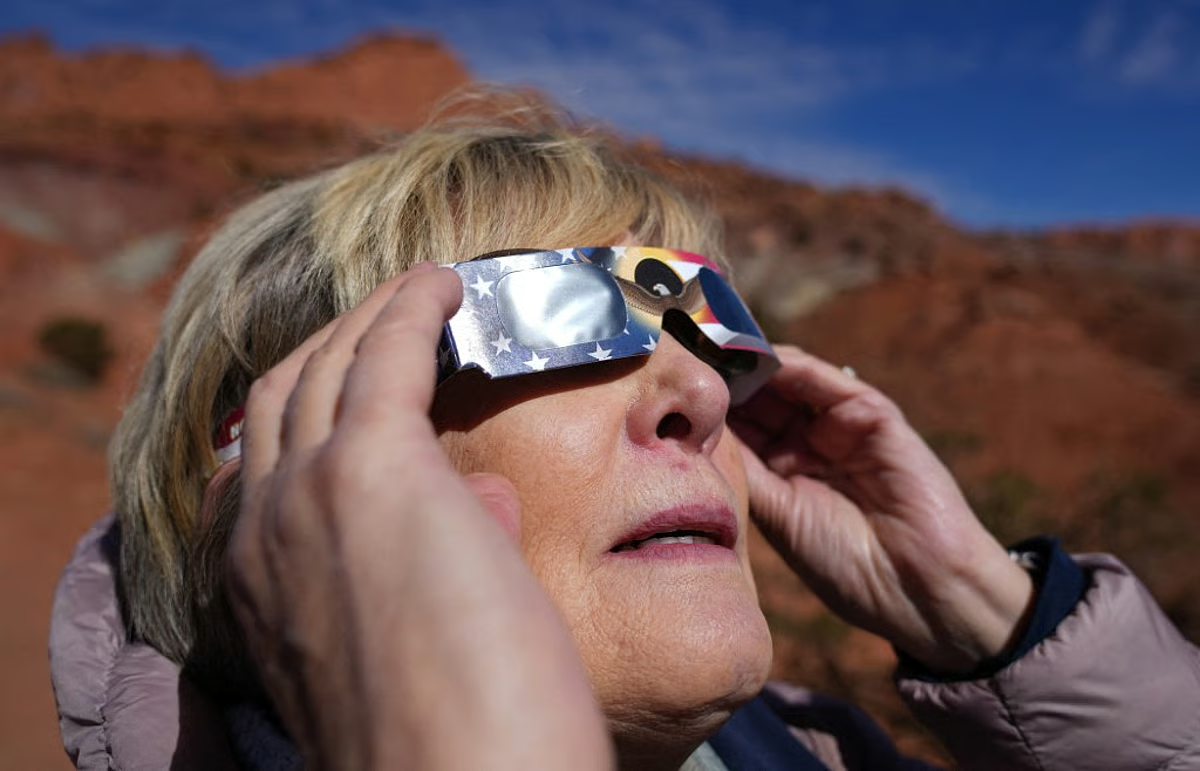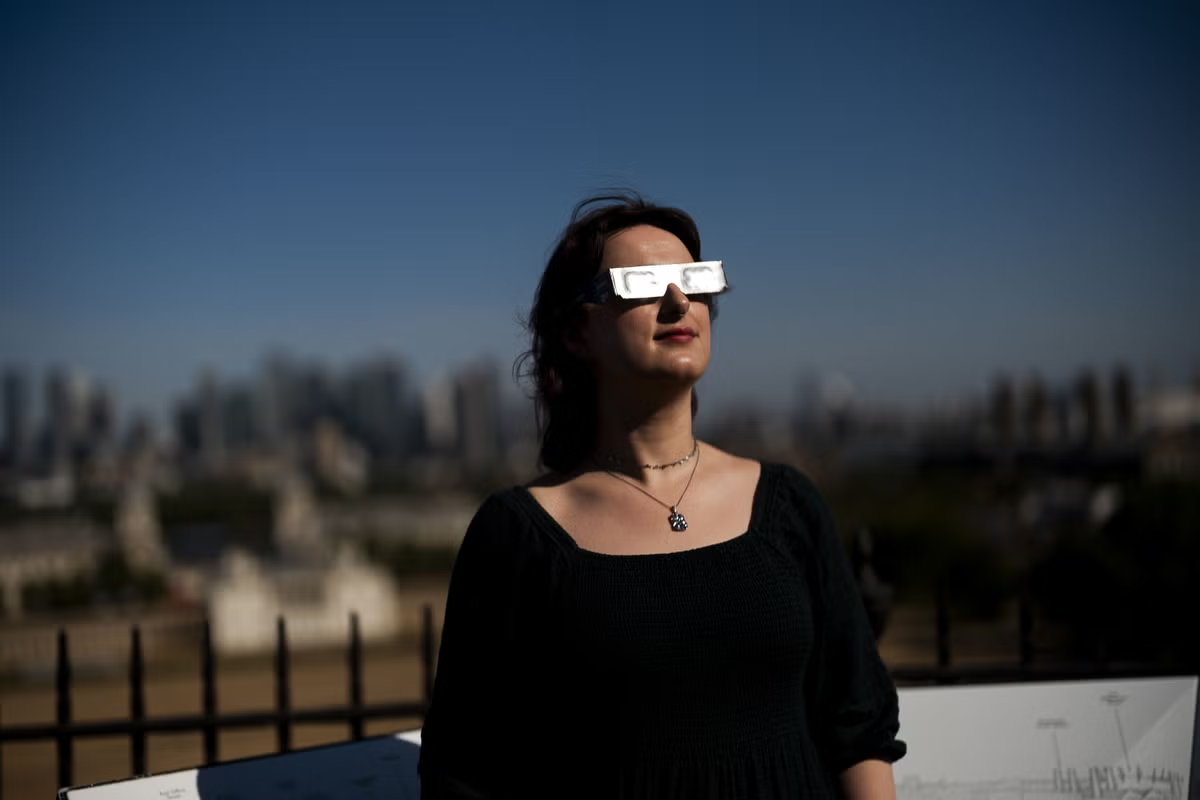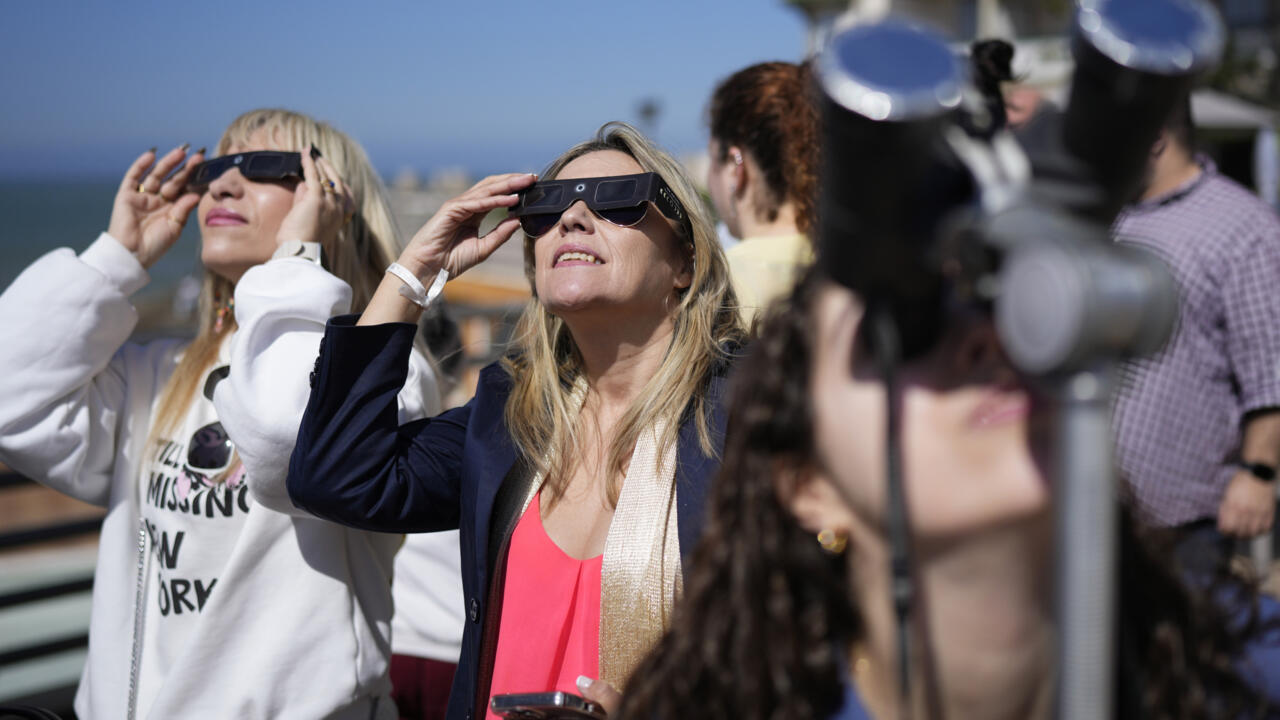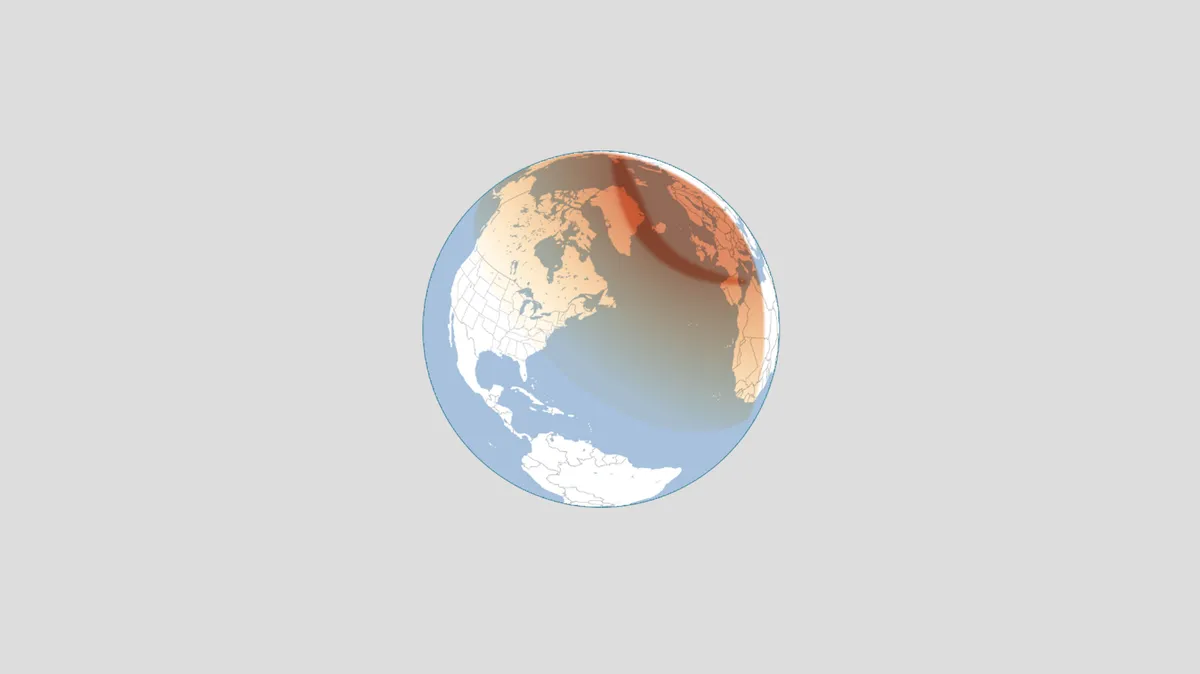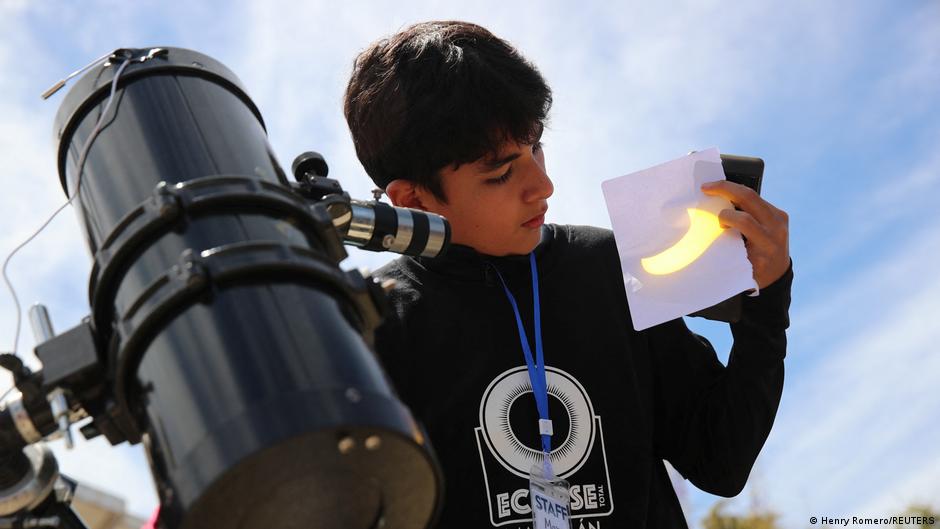
On Wednesday, about 980 million people across parts of the Northern Hemisphere will have the chance to observe this upcoming solar eclipse.
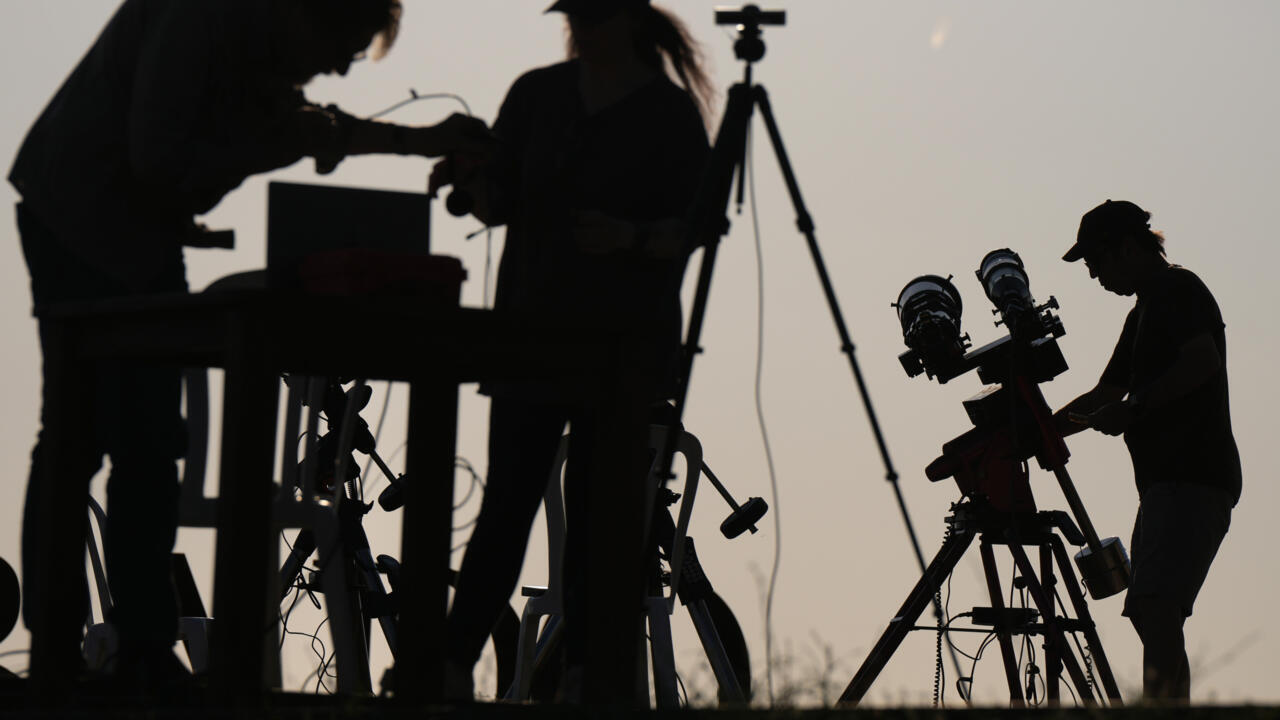
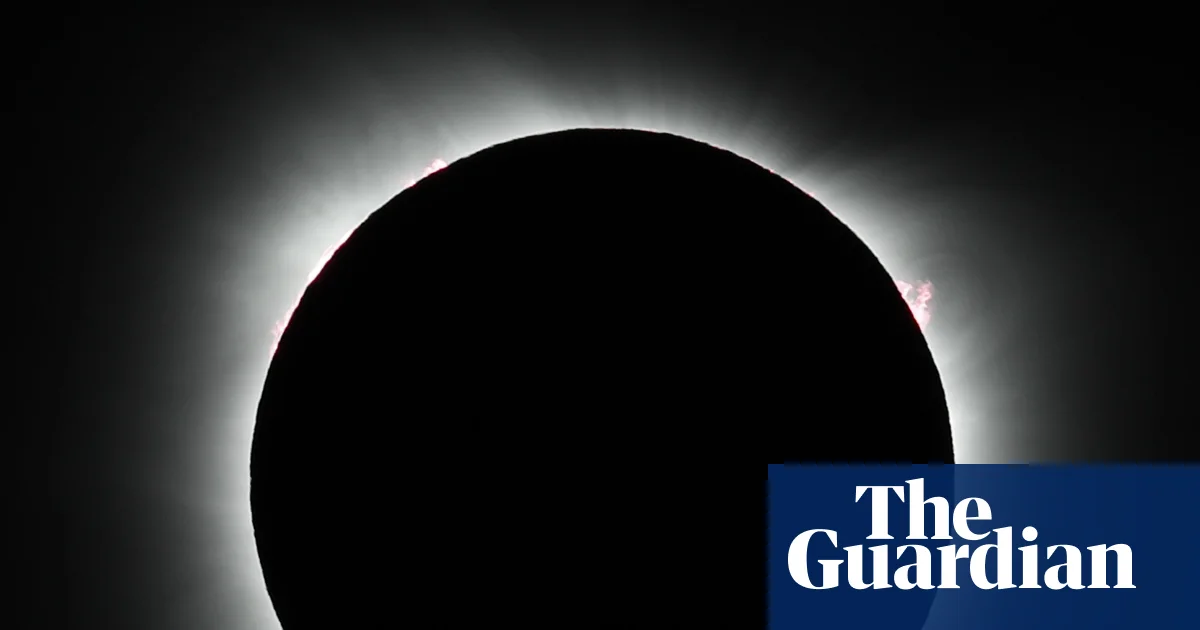
They will be joined by hosts of researchers who will be taking advantage of the fleeting minutes when the sun's corona is visible from Earth to test specialized instruments and capture rare images. With them, they hope to gain a deeper appreciation of the material above the sun's surface.
What's going to happen?
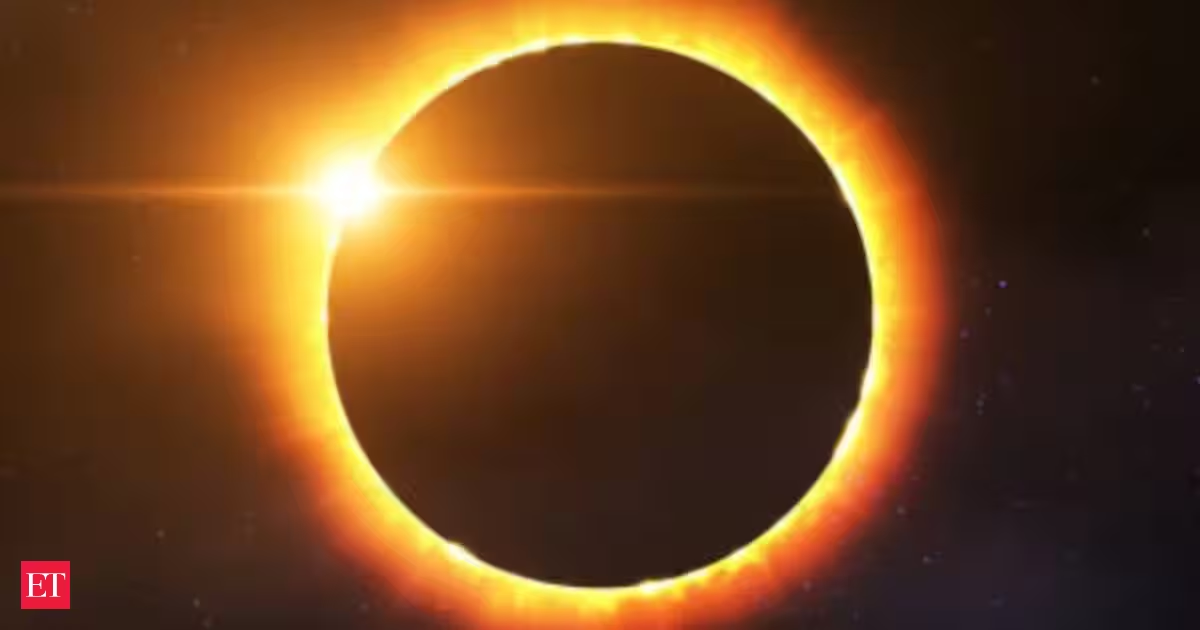
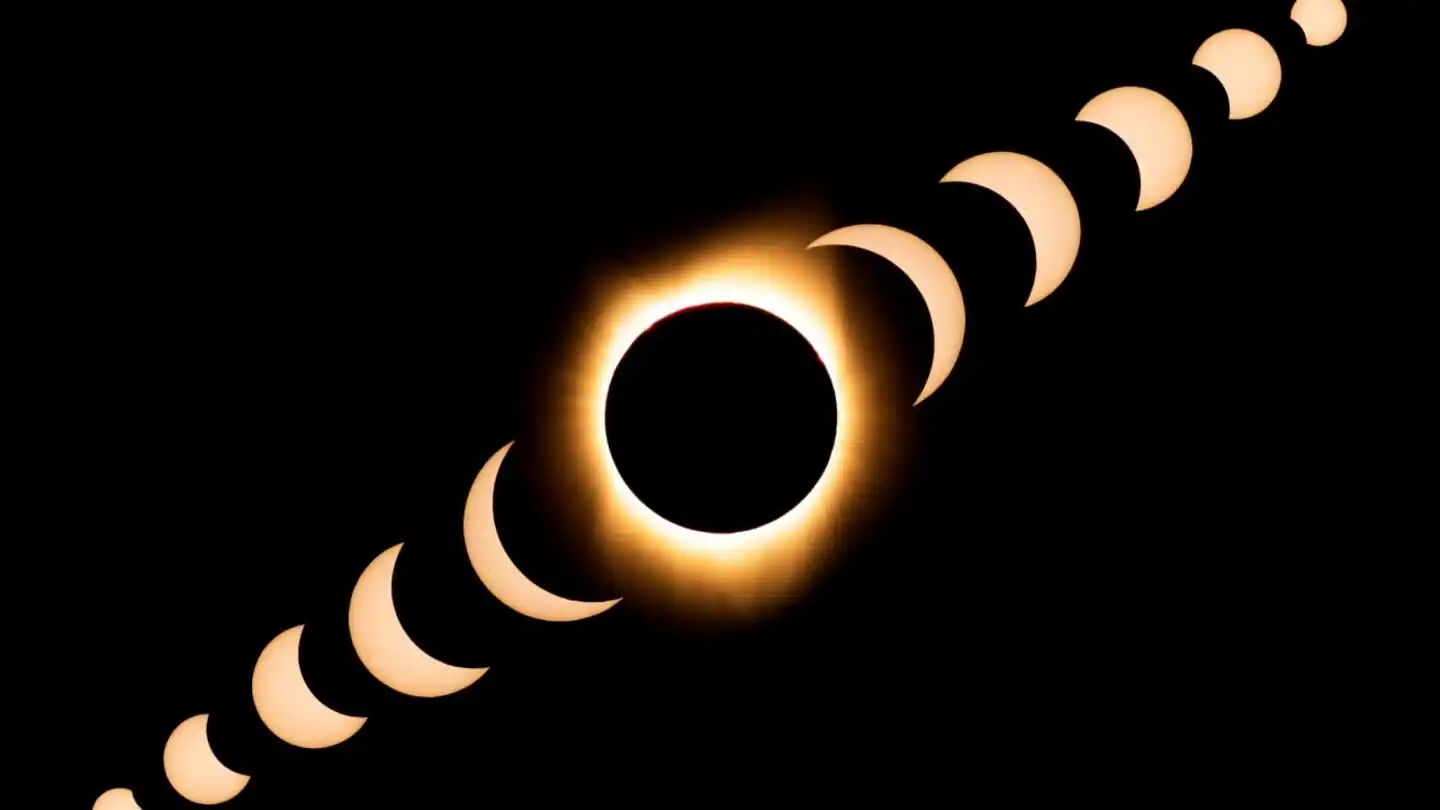
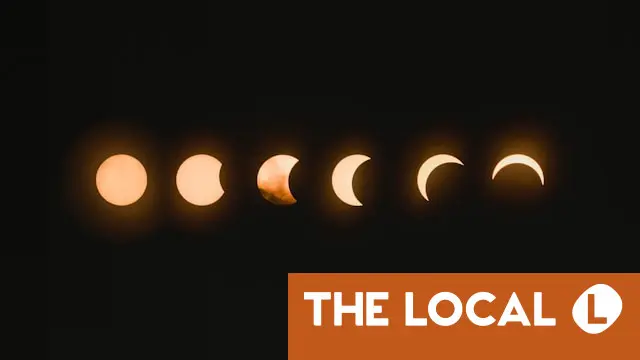
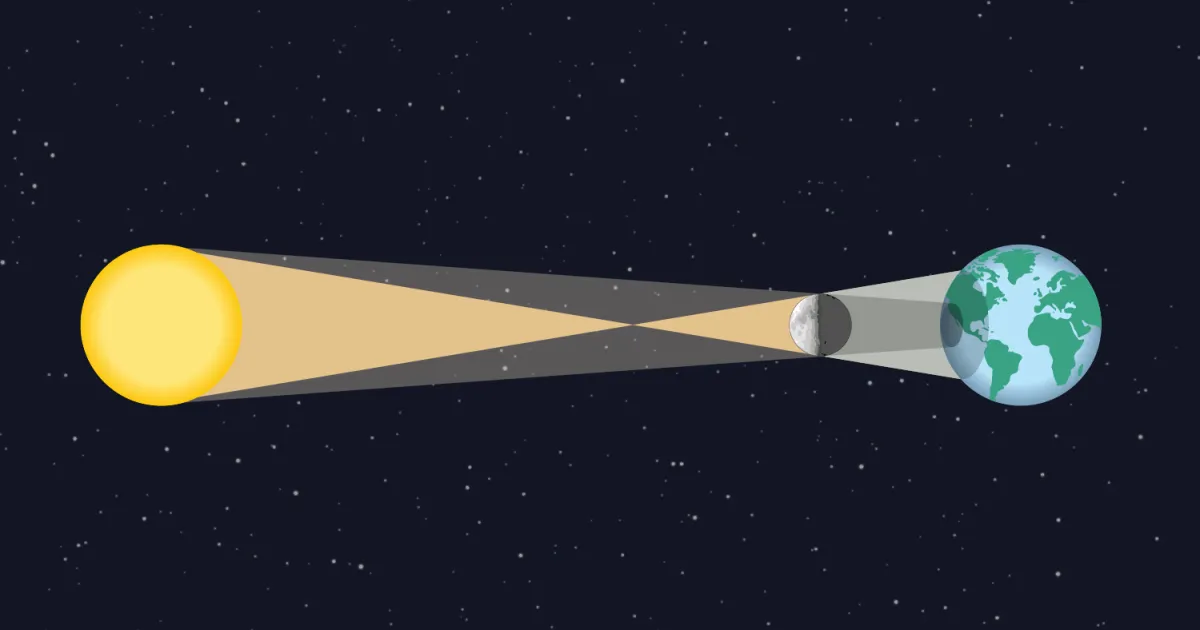
During a solar eclipse, the moon orbits between Earth and the sun during the daytime, casting a shadow which temporarily darkens the sky and appears to blot out the sun. At the height of an eclipse, the moon's disk appears to align with the sun, revealing the sun's corona — its outermost atmosphere that flares outward like a crown (hence the name).
As the moon approaches and the sky darkens, you might also notice the temperature dropping, shadows appearing crescent-shaped, the wind beginning to shift and animals behaving unusually.