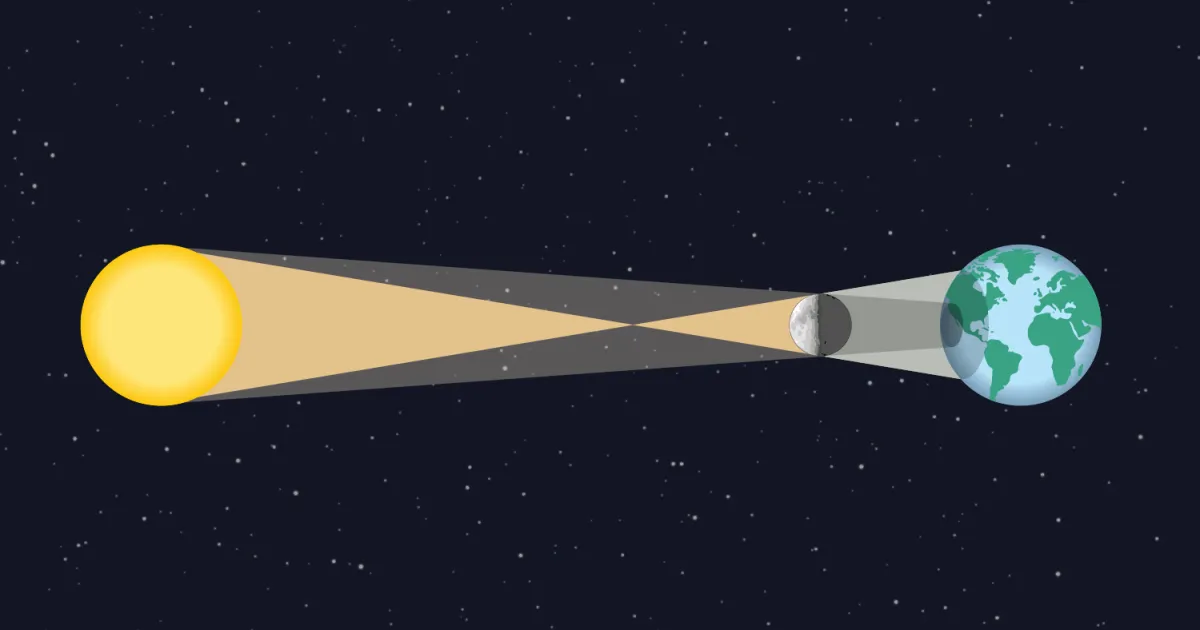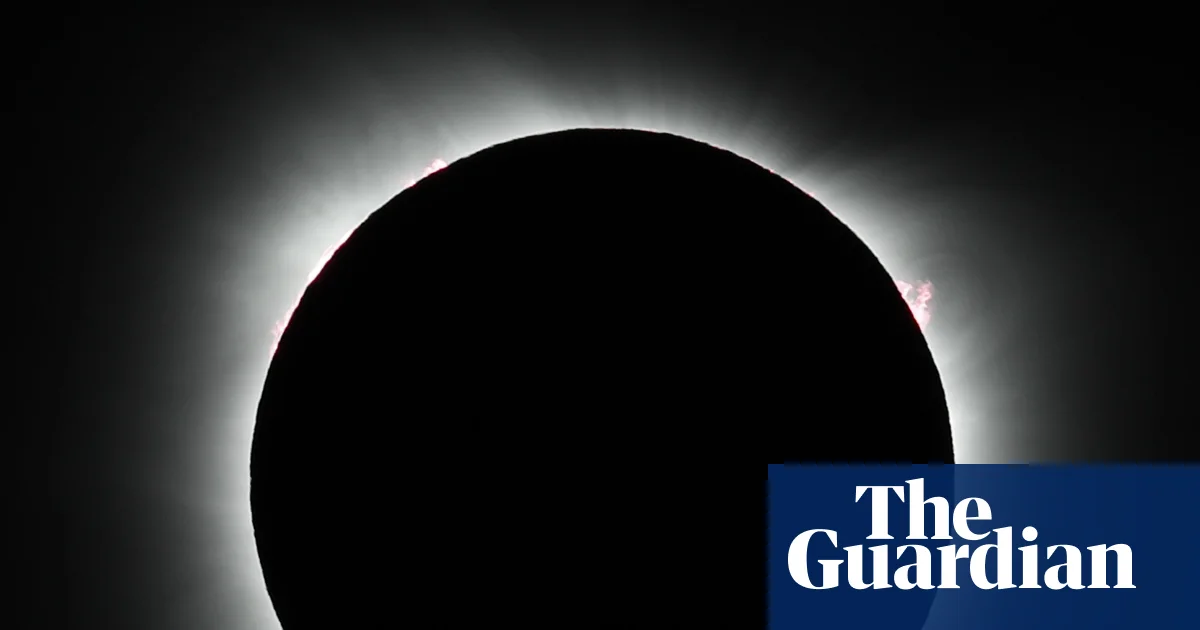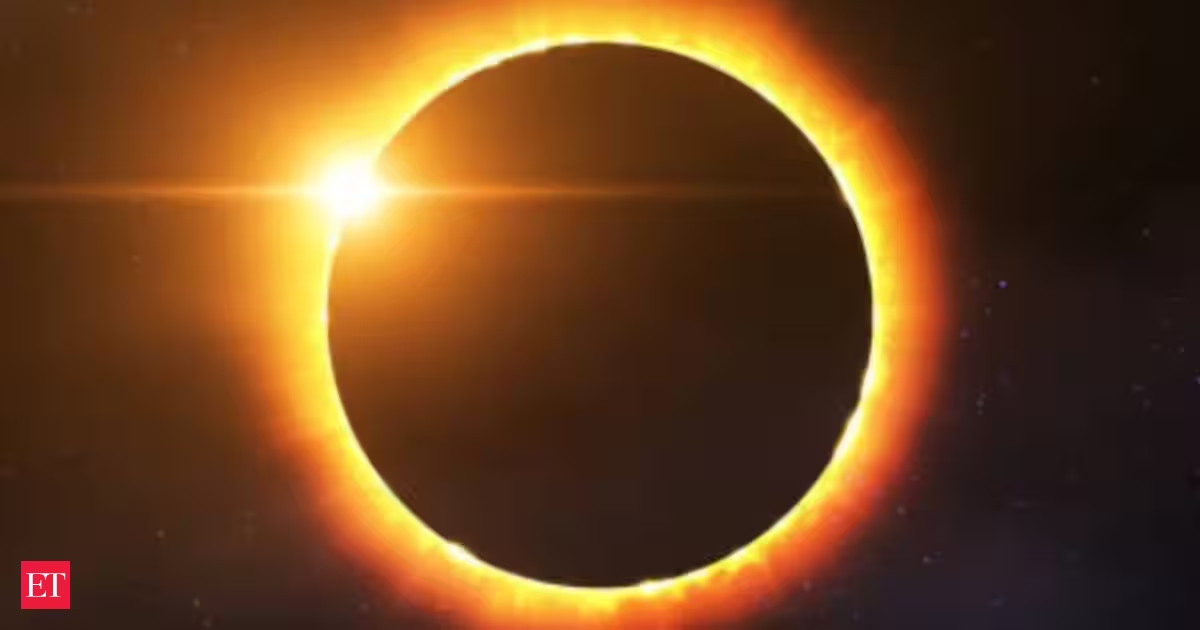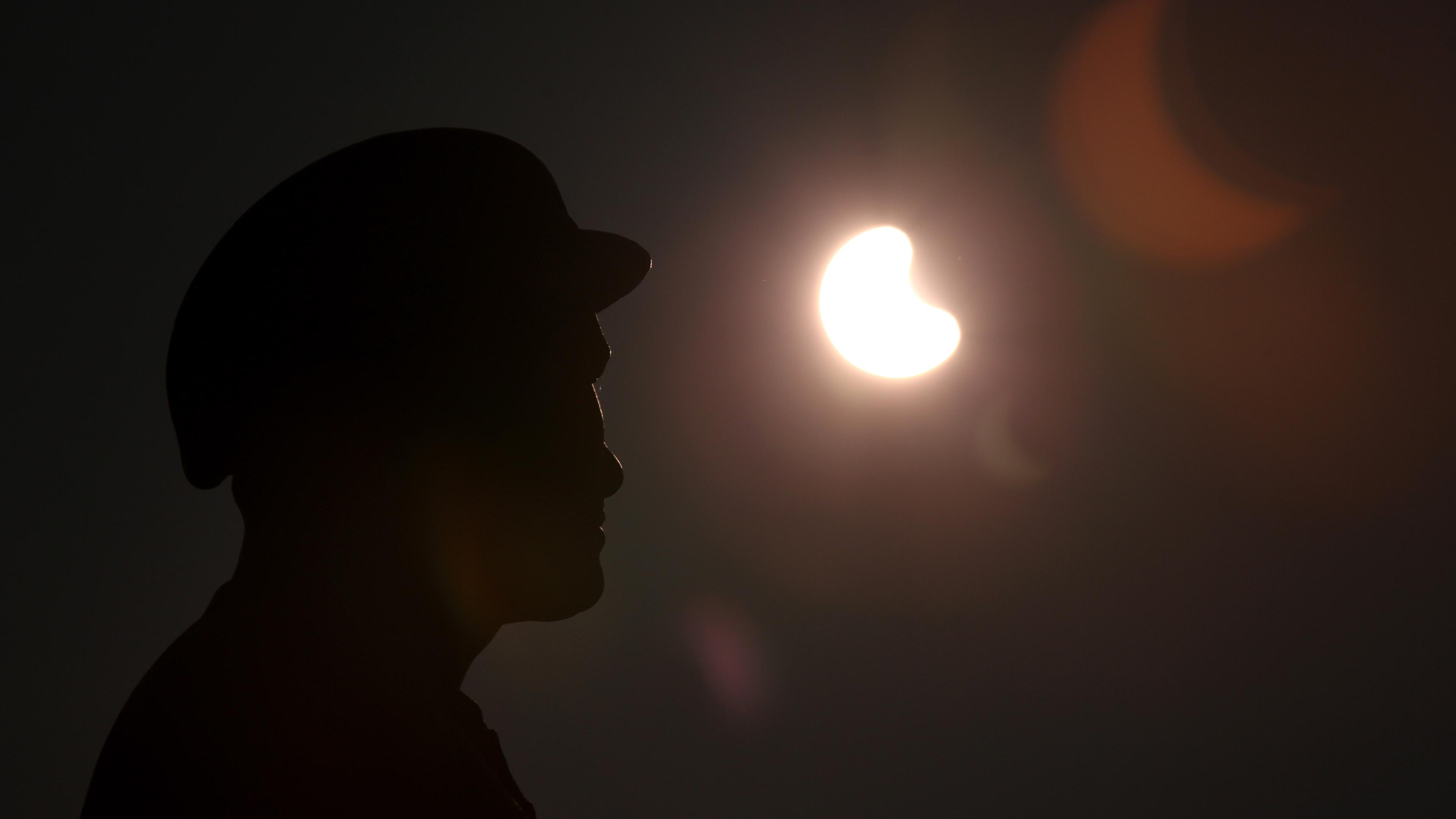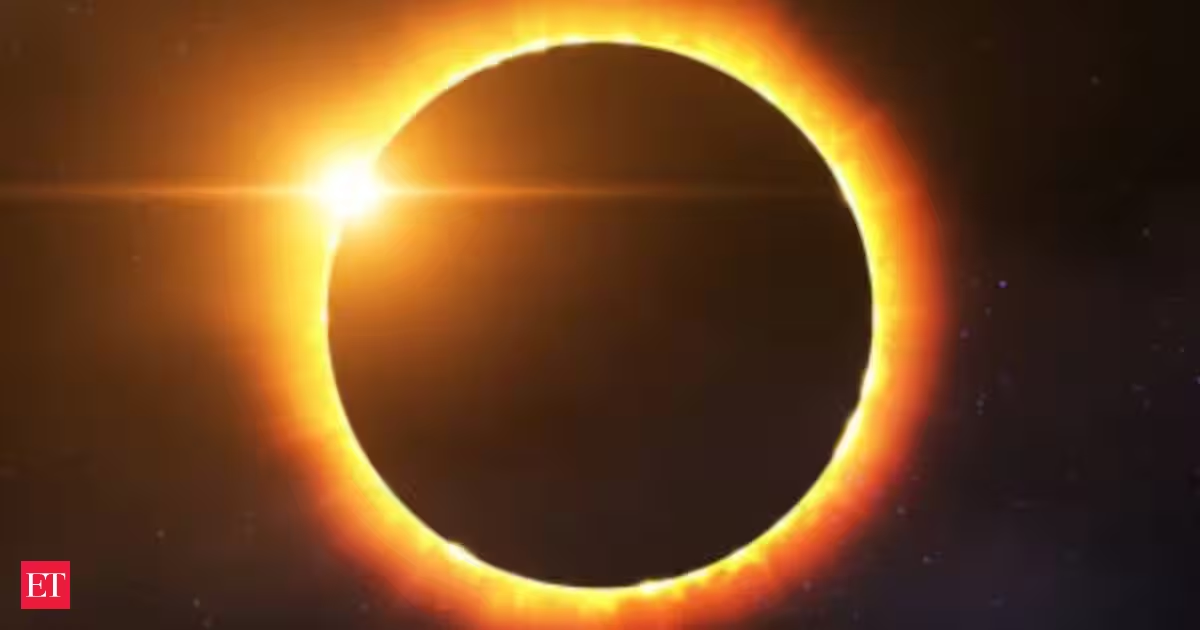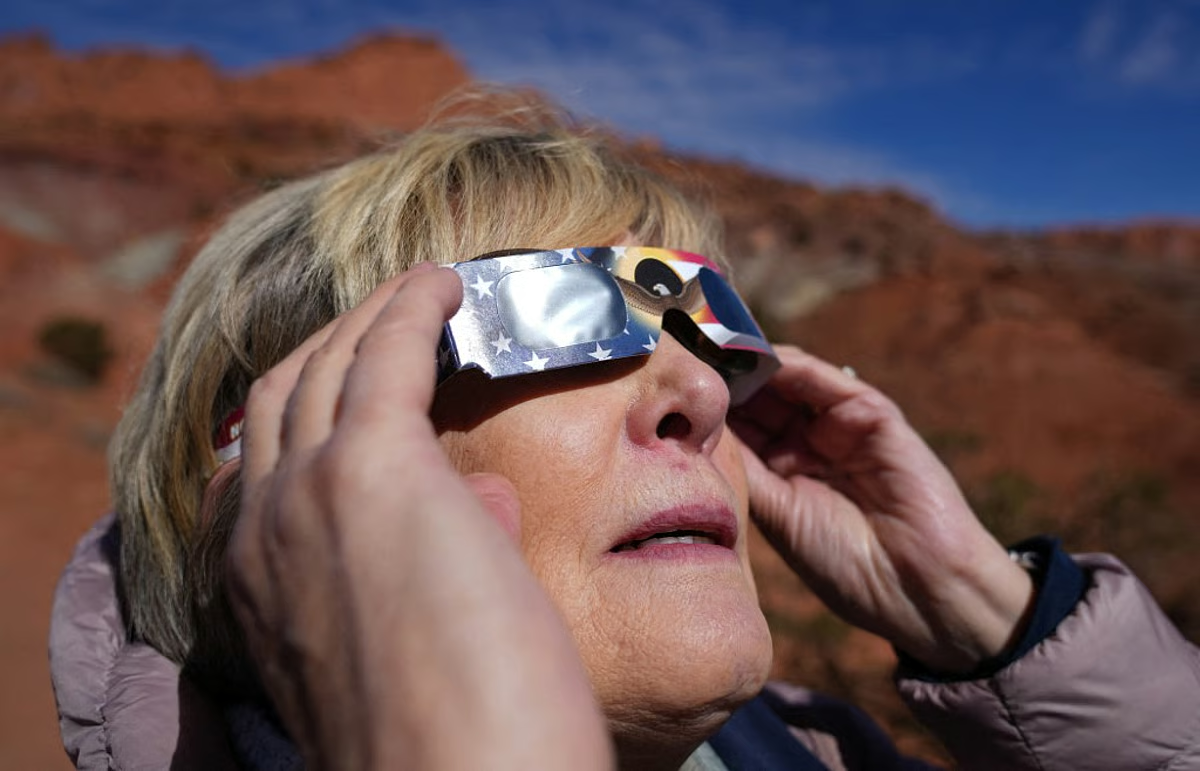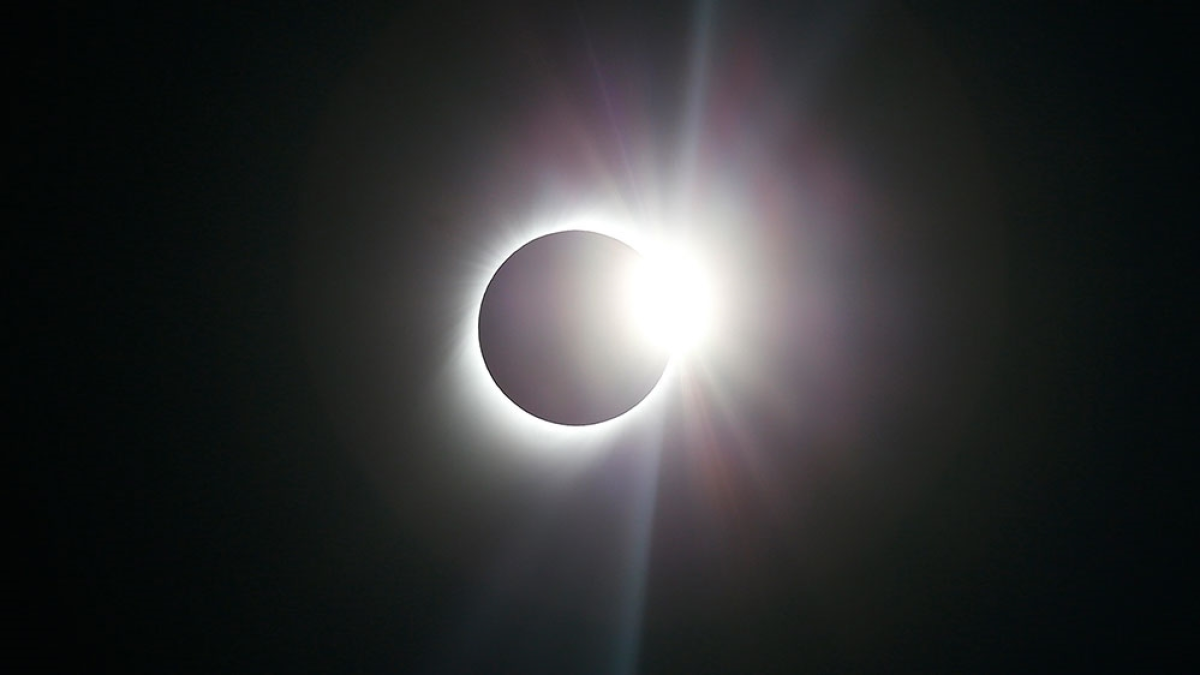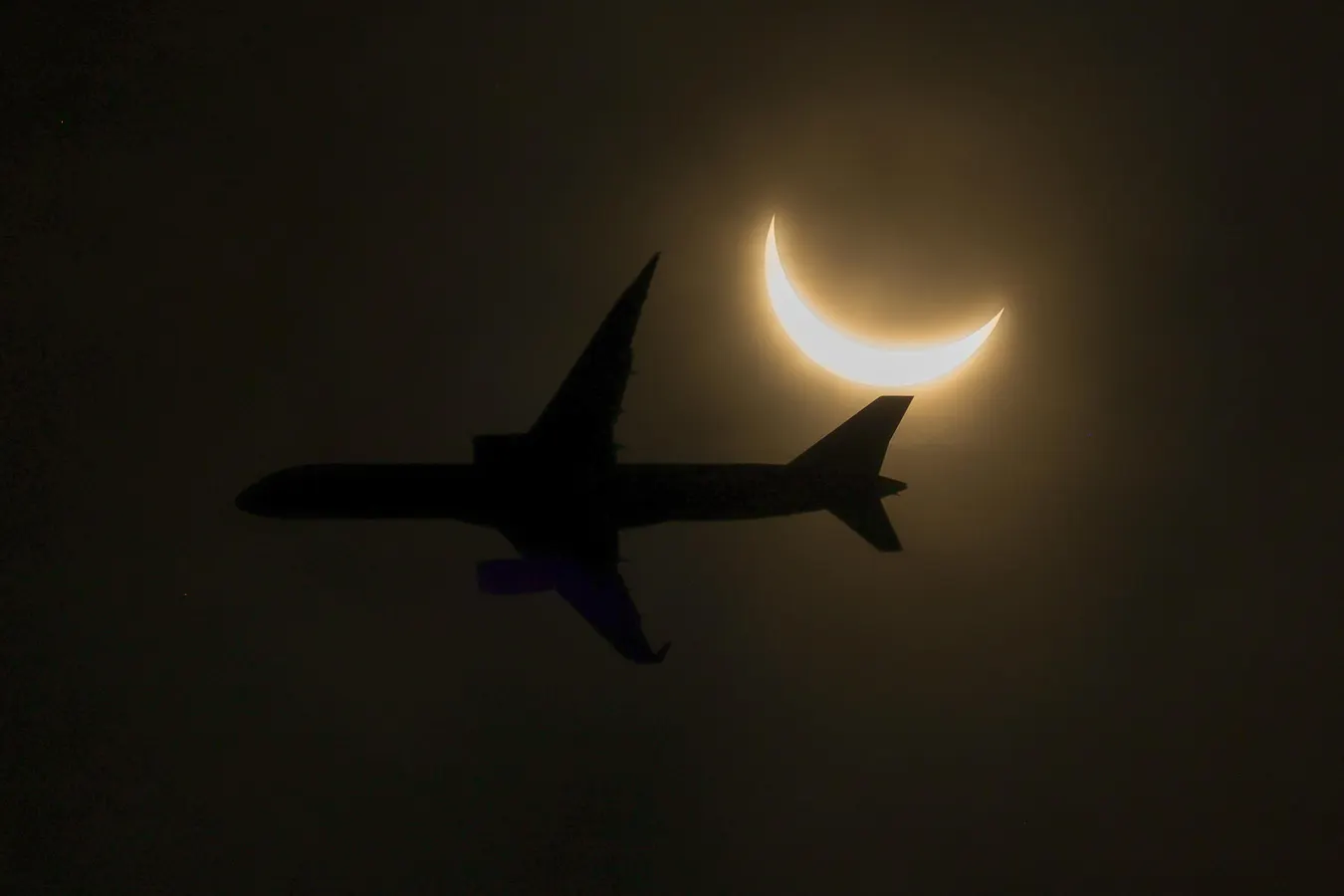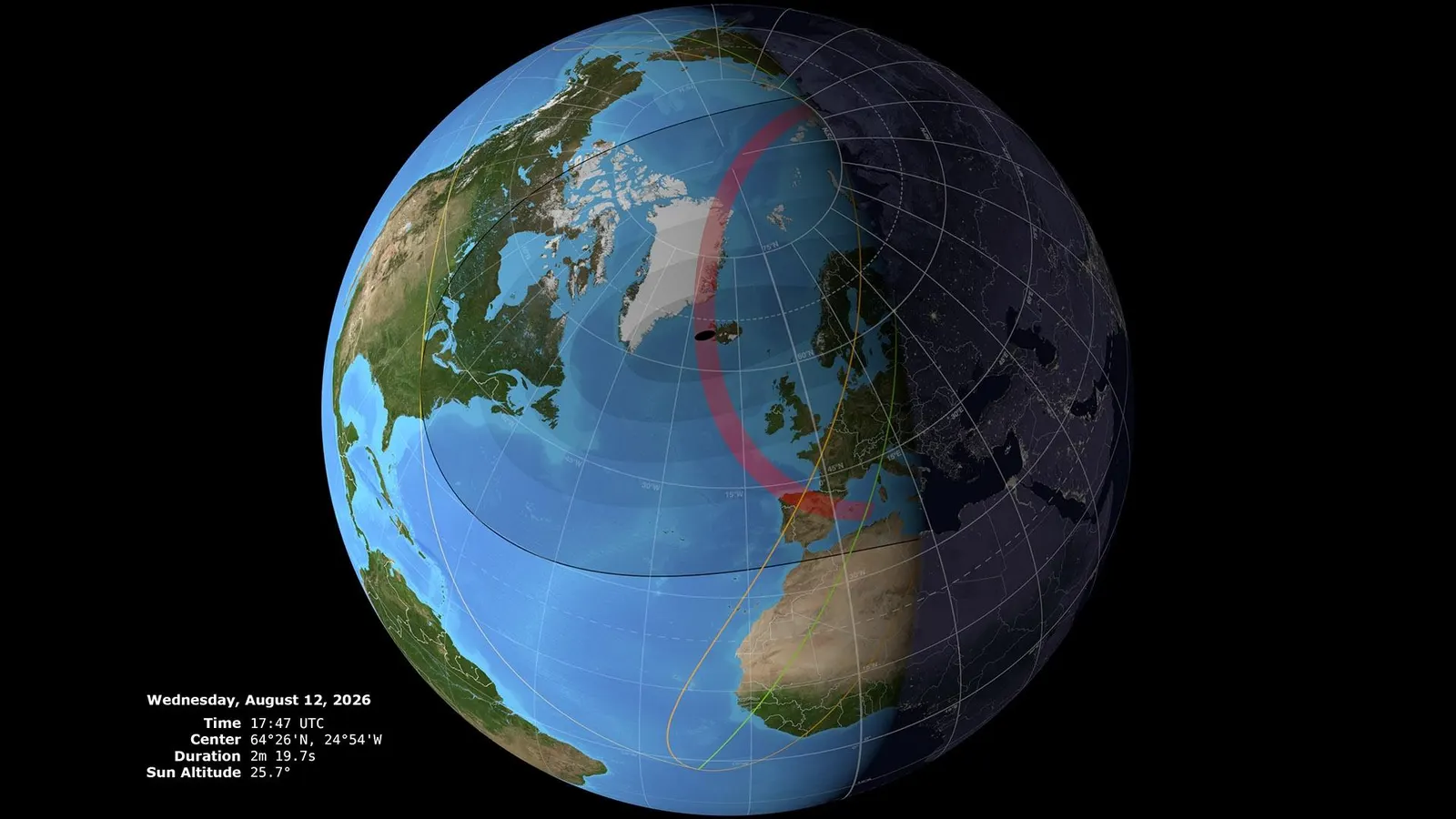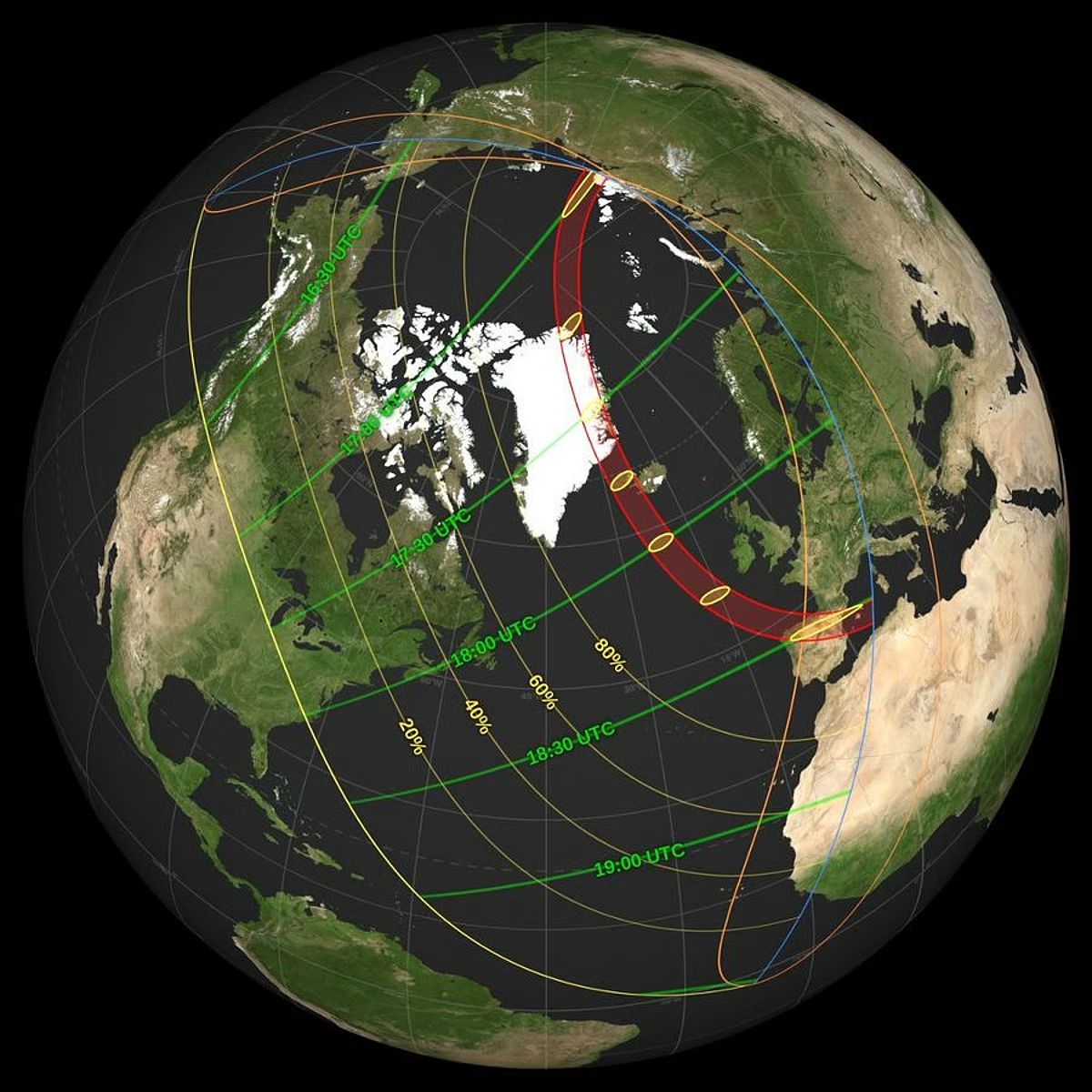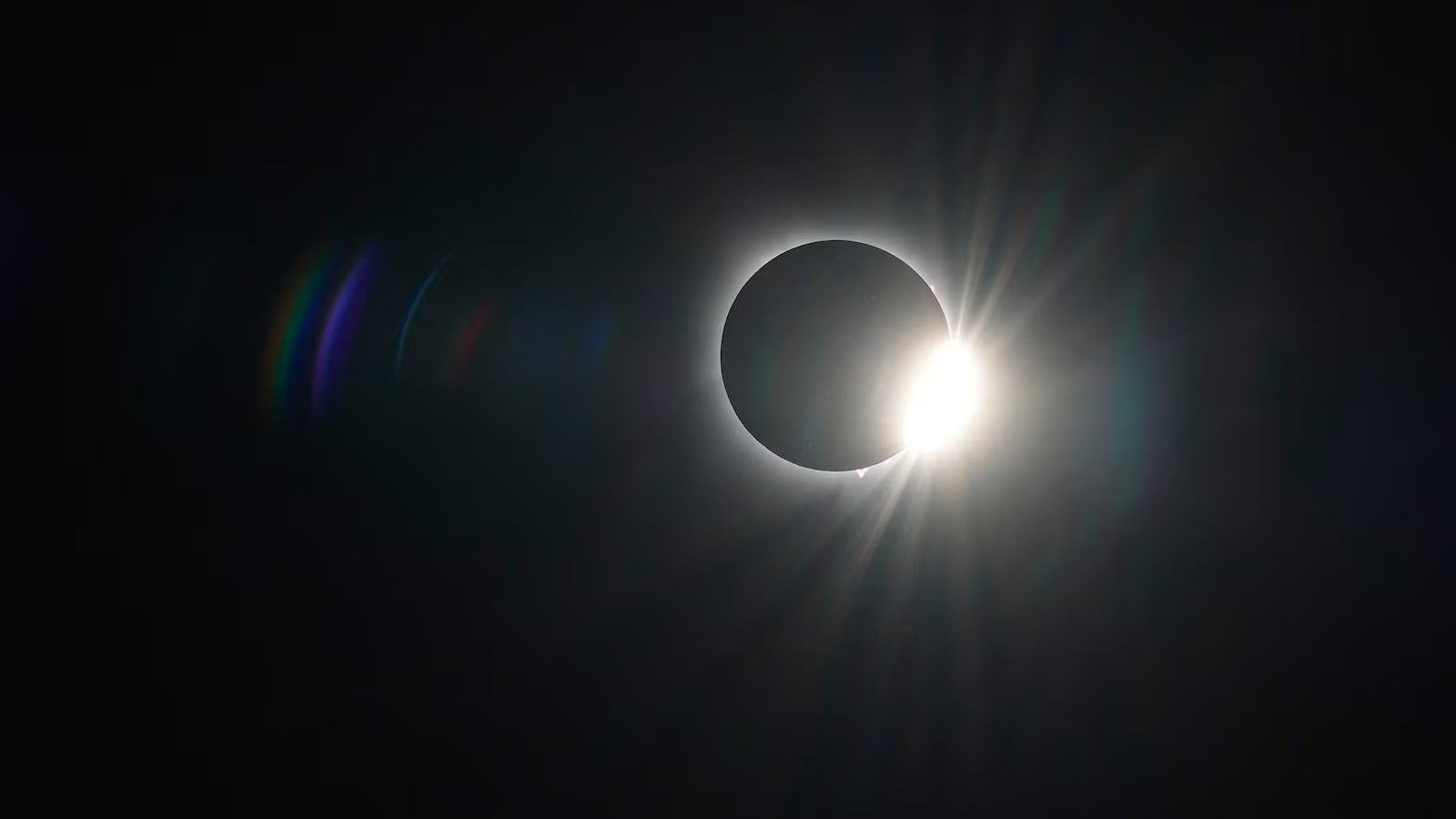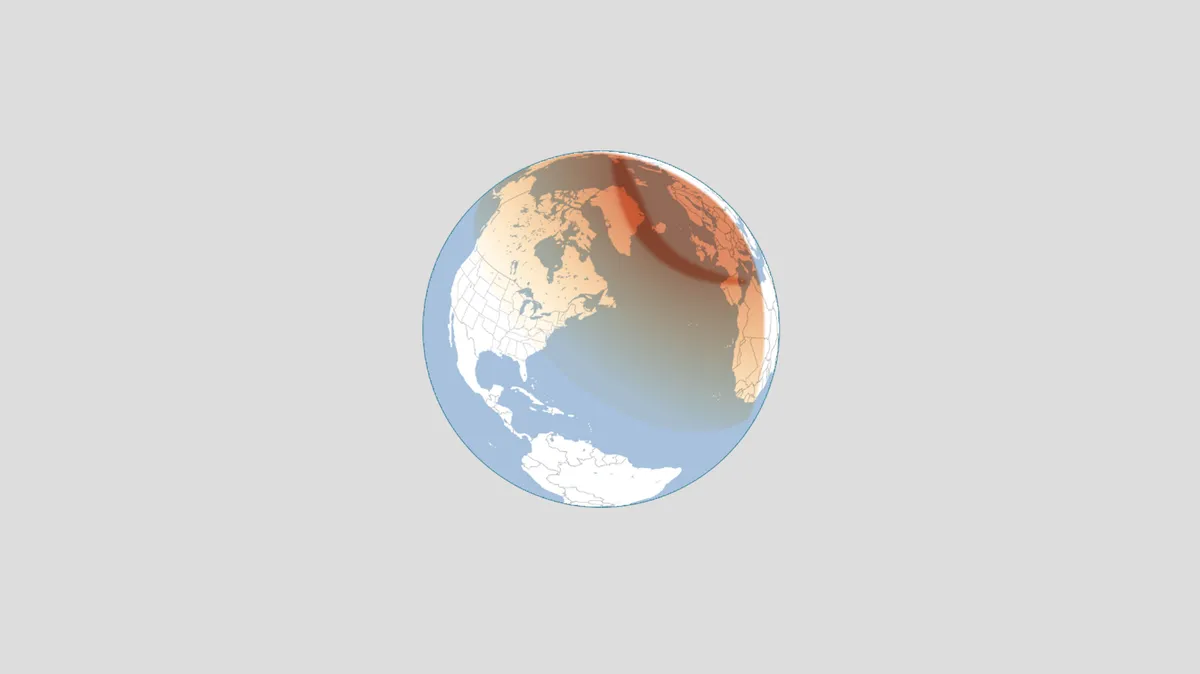
On Wednesday, Aug. 12, the first total solar eclipse visible from mainland Europe in 27 years and the first anywhere in the world in since 2024 will block out the sun for up to two minutes.Parts of the United States from Alaska to North Carolina will be among locations in the Northern Hemisphere where viewers will have a chance to see a portion of the solar eclipse, according to NASA.Roughly 1 billion people globally are expected to fall under either the path of totality or a partial eclipse.The total eclipse will be the first of two eclipses in August; the second comes Aug. 27-28 in "eclipse season." That eclipse will be a partial lunar eclipse.Where will the August 2026 total solar eclipse be visible?Countries within the eclipse’s path of totality include Greenland, Iceland, northern Russia, parts of the Atlantic Ocean, Spain and a small portion of Portugal, according to NASA.If your location or cloudy skies prevent you from seeing the total solar eclipse, you can still watch the celestial spectacle online. NASA will livestream the event beginning at 1:15 p.m. ET on Aug. 12 via NASA's live site.What happens during a total solar eclipse?For viewers along the path of totality, the moon fully blocks the sun. The sky darkens to twilight, exposing the sun's corona and sometimes revealing stars and planets as temperatures briefly cool.The next total solar eclipse will occur Aug. 2, 2027, crossing southern Spain, North Africa and parts of the Middle East. With an estimated totality lasting 6 minutes, 23 seconds, it will be one of the longest total solar eclipses visible from land in decades.Be sure to protect your eyes if viewing a solar eclipseIt's never safe to look at the sun with the naked eye. A solar eclipse can expose your eyes to possibly harmful ultraviolet (UV) rays. Without proper eye protection, you can suffer "eclipse blindness" within seconds of staring at the sun, according to the American Optometric Association.If you buy eclipse glasses, be sure they are made by companies the American Astronomical Society and NASA have certified as safe. The glasses should have the ISO (International Organization for Standardization) icon. The glasses also must have the ISO reference number 12312-2.When is the partial lunar eclipse?On Aug. 27-28, the moon will pass into Earth's shadow, creating a partial lunar eclipse, the first visible from the Americas since September 2024, according to NASA. This year's eclipse will last 5 hours and 38 minutes, TimeandDate says; its darkest stage, known as the umbral phase, will last 3 hours and 18 minutes.Eclipses occur globally about four to seven times each year, NASA says. Because of the alignment of the Sun, Earth and Moon, they can occur in pairs during the eclipse season. Solar eclipses can occur two to five times per year, while lunar eclipses can occur anywhere from zero to three times annually, according to EarthSky.CONTRIBUTING Iris Seaton, USA TODAY NETWORK
Wednesday’s total solar eclipse will darken skies: Where to look
A total solar eclipse will darken the sky in August. Here is where it is visible and how to watch it safely.
488 words~2 min read