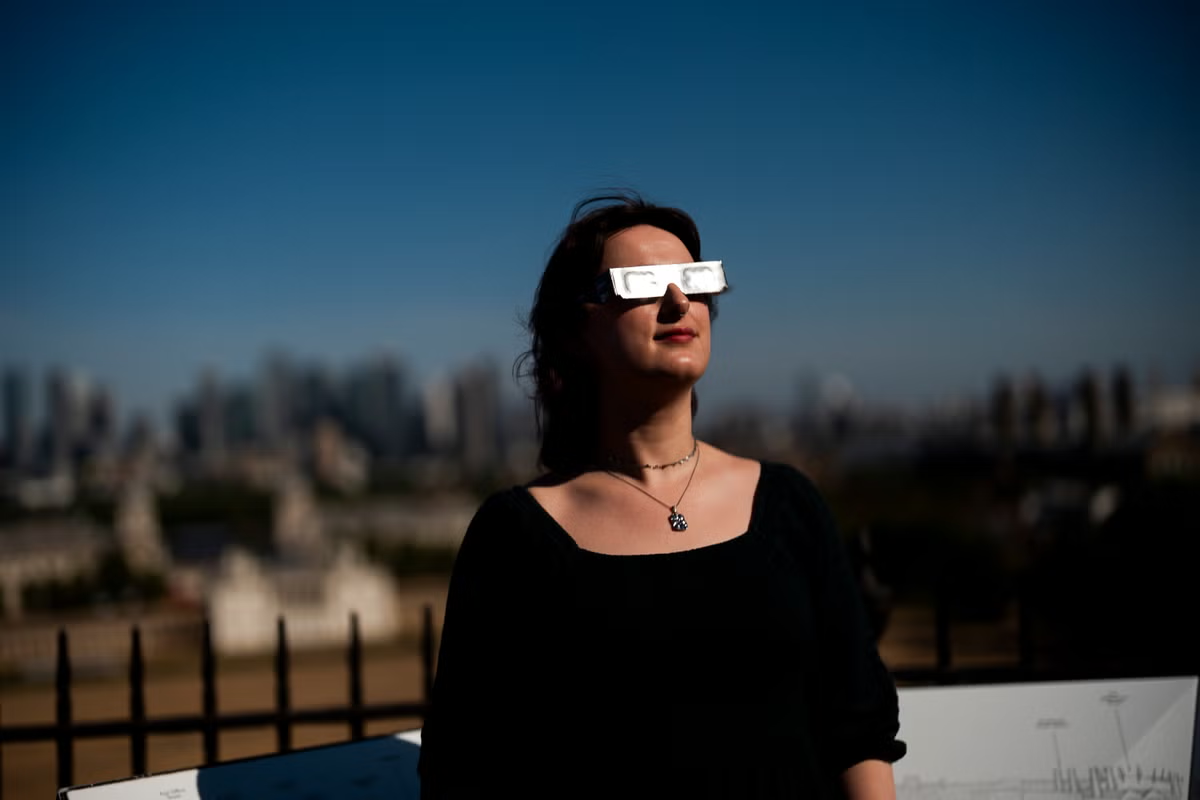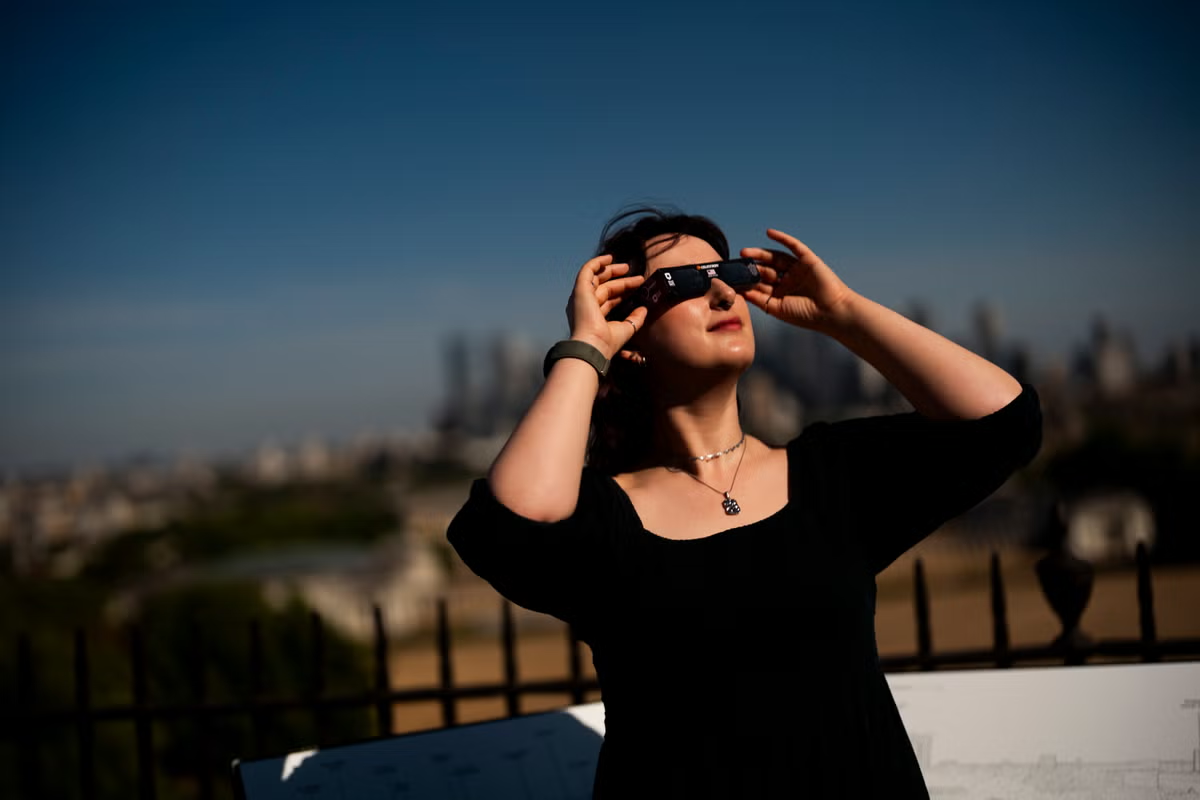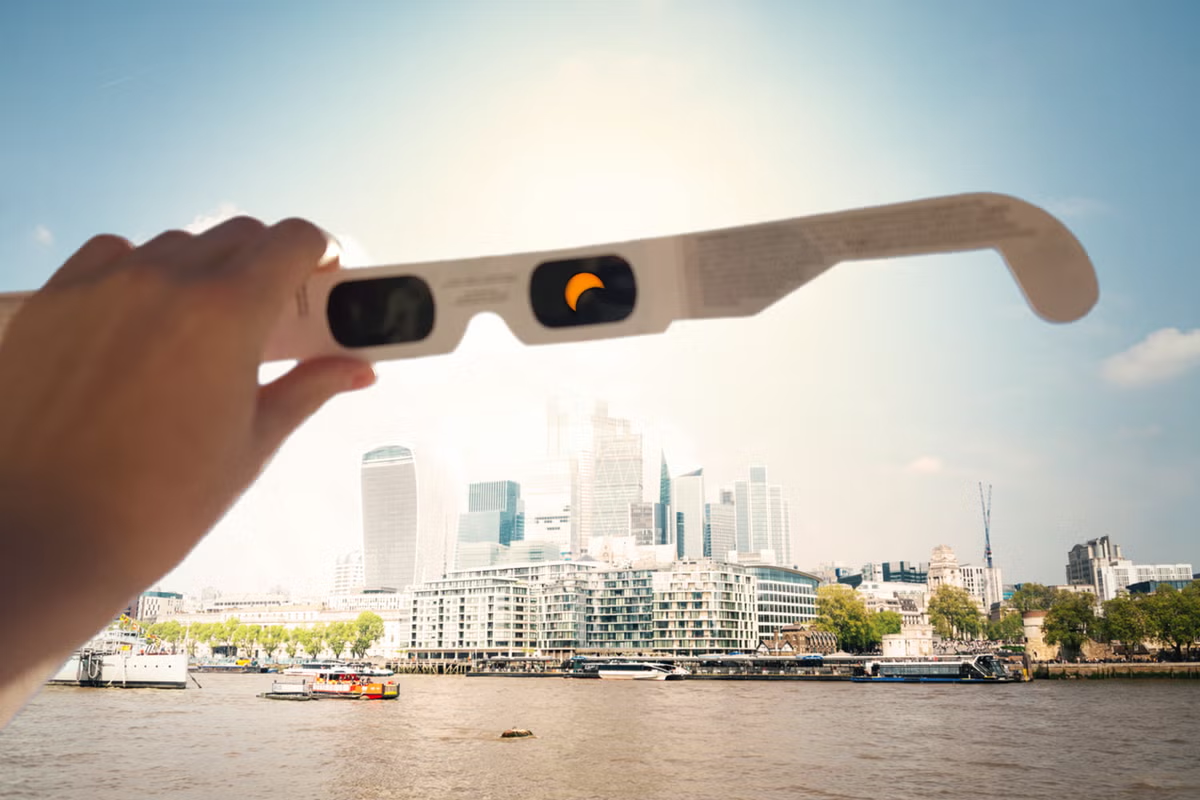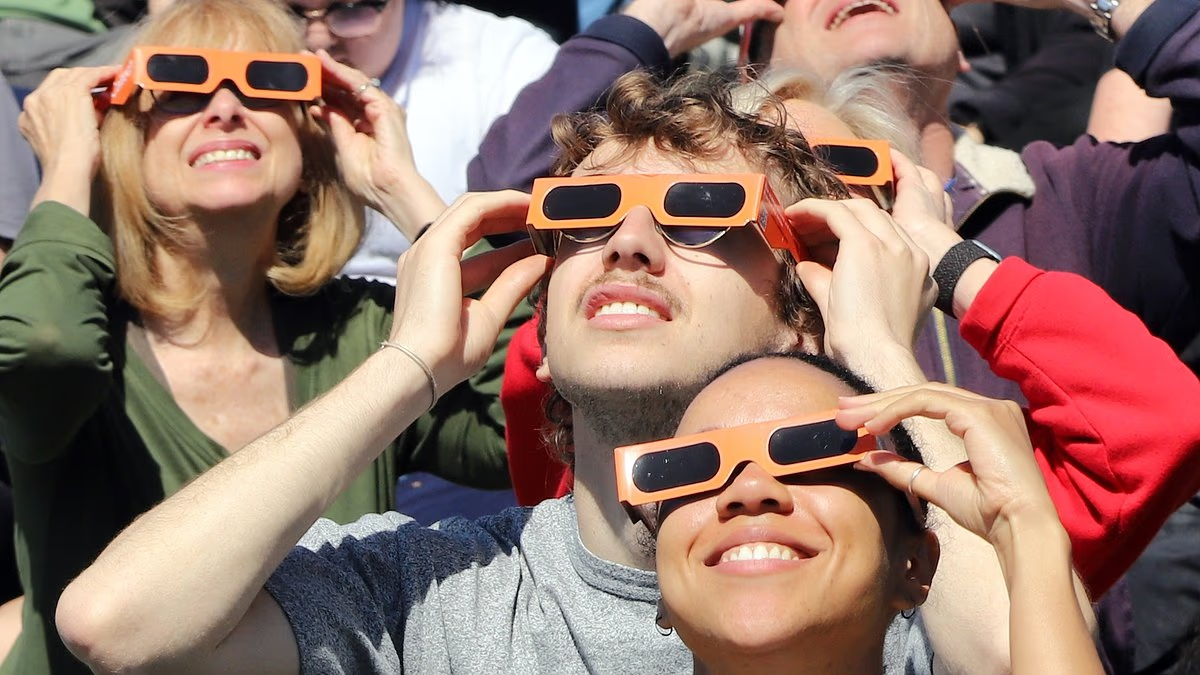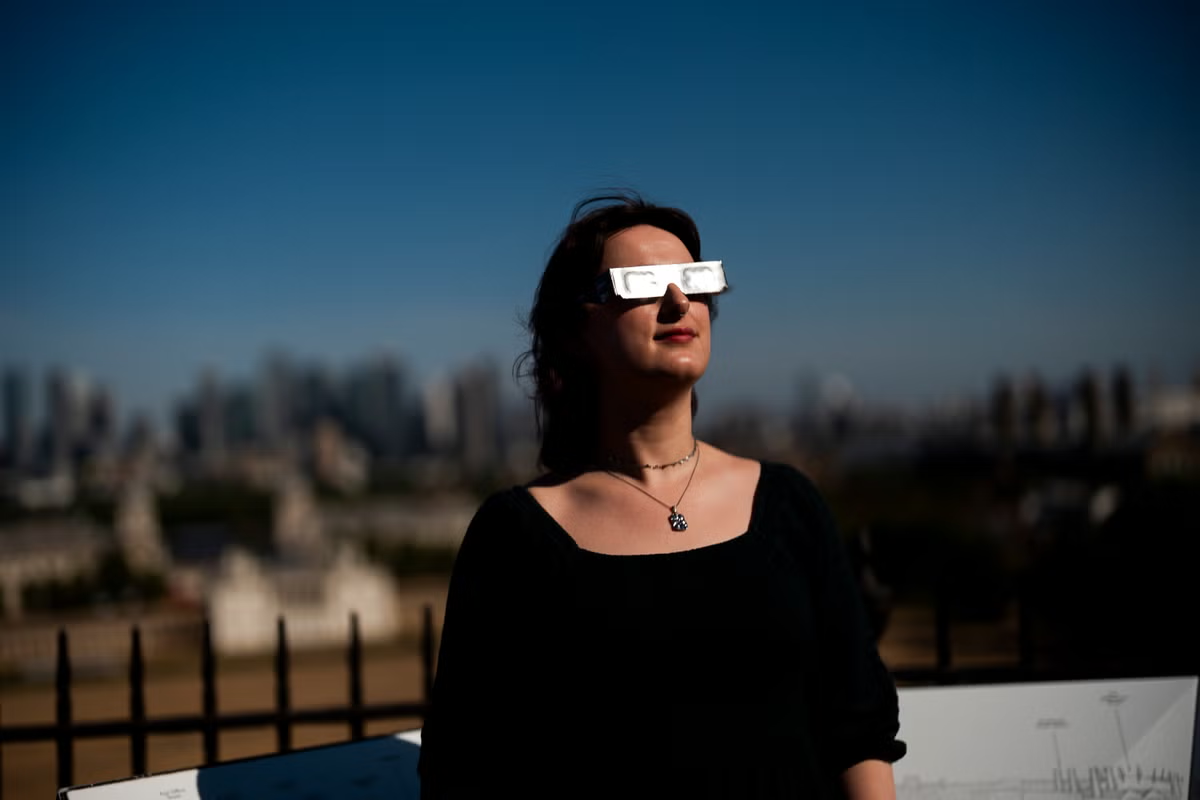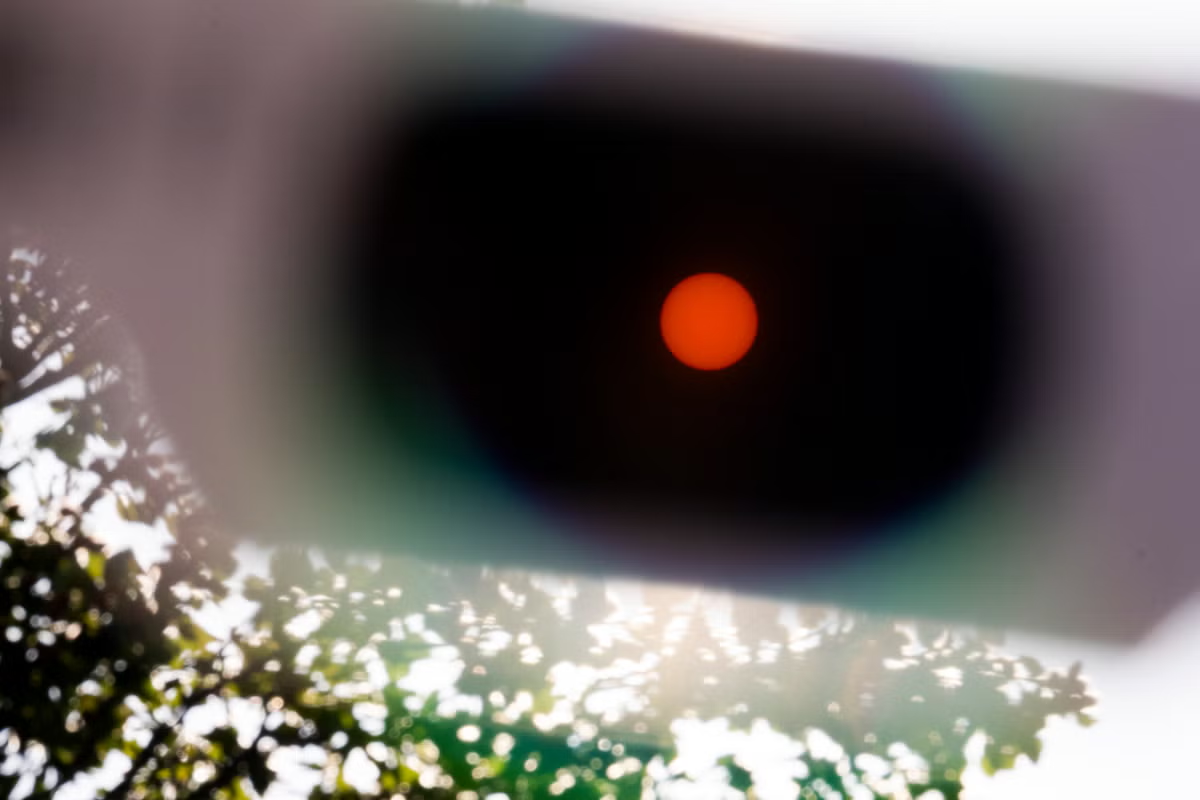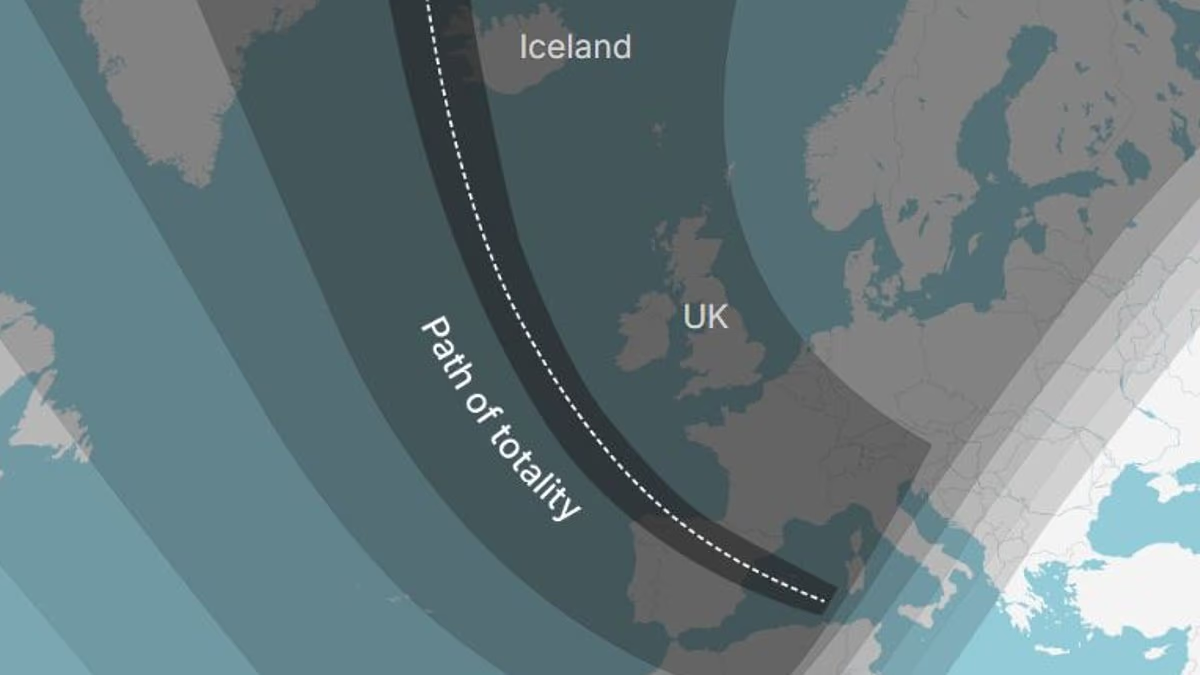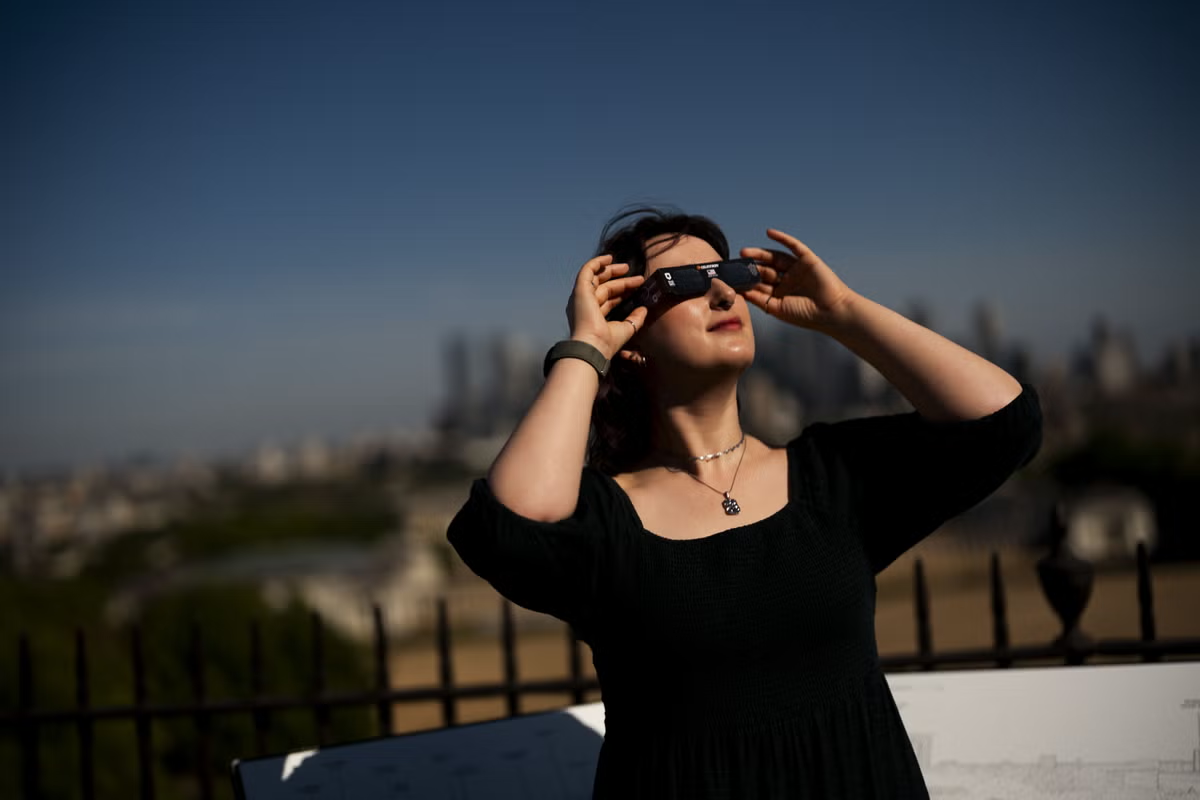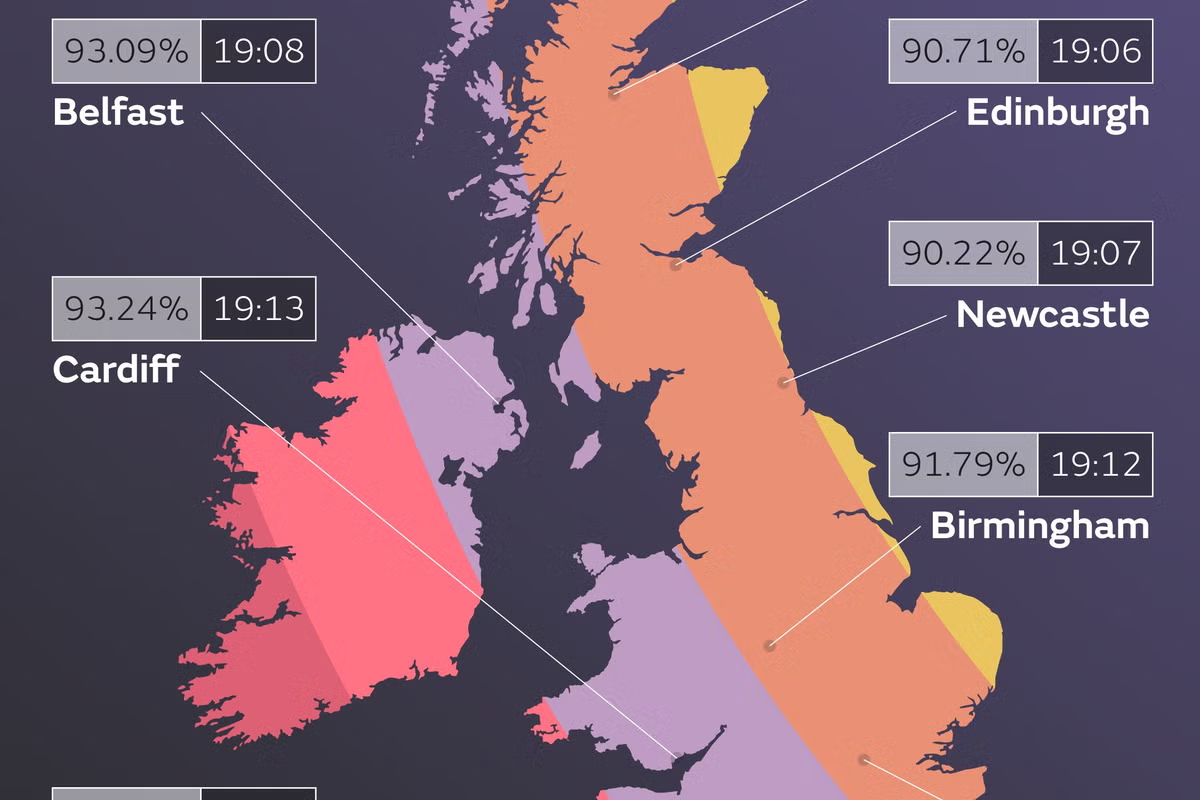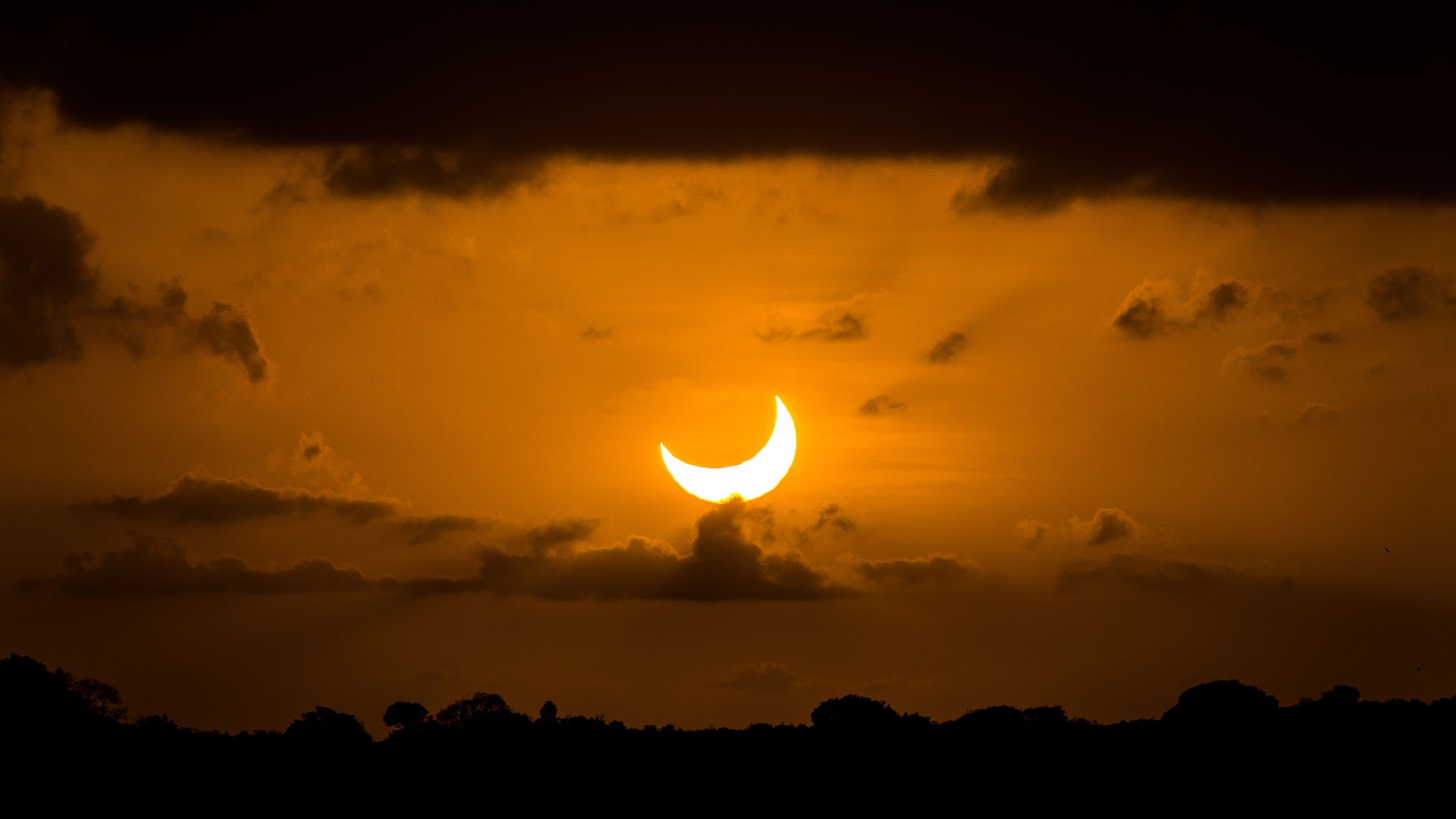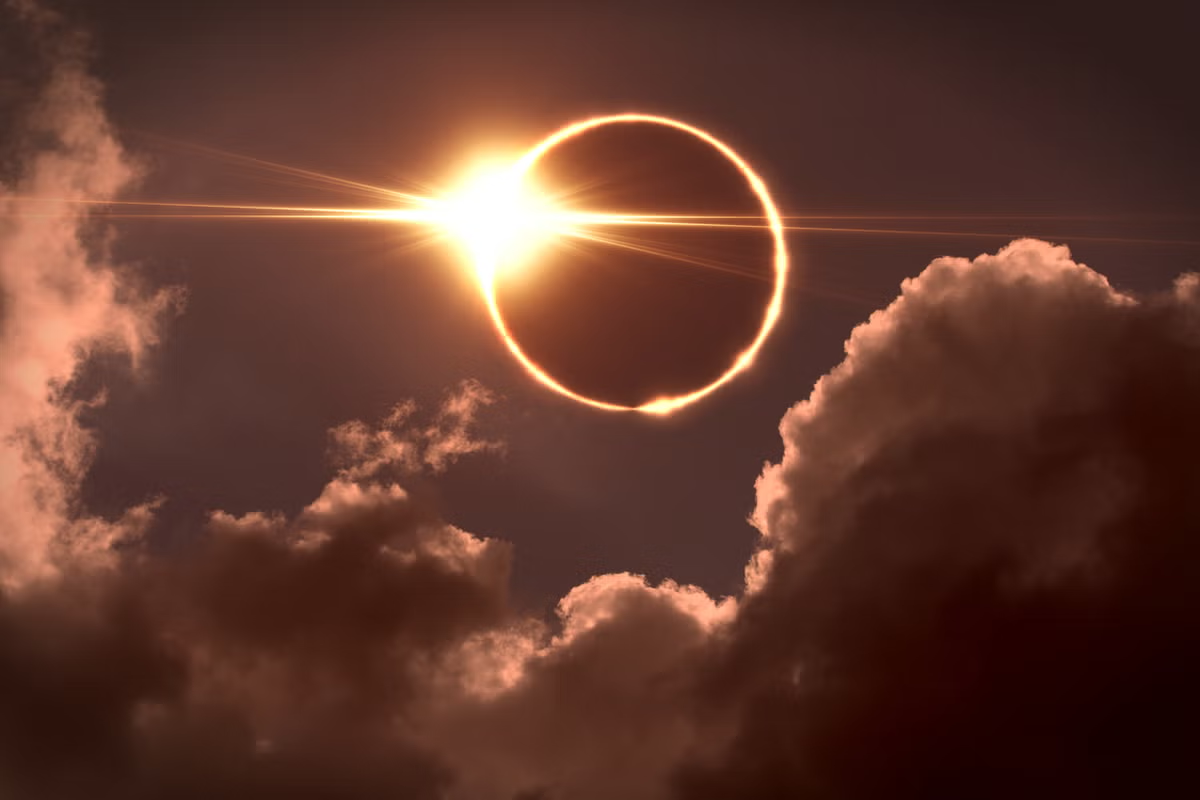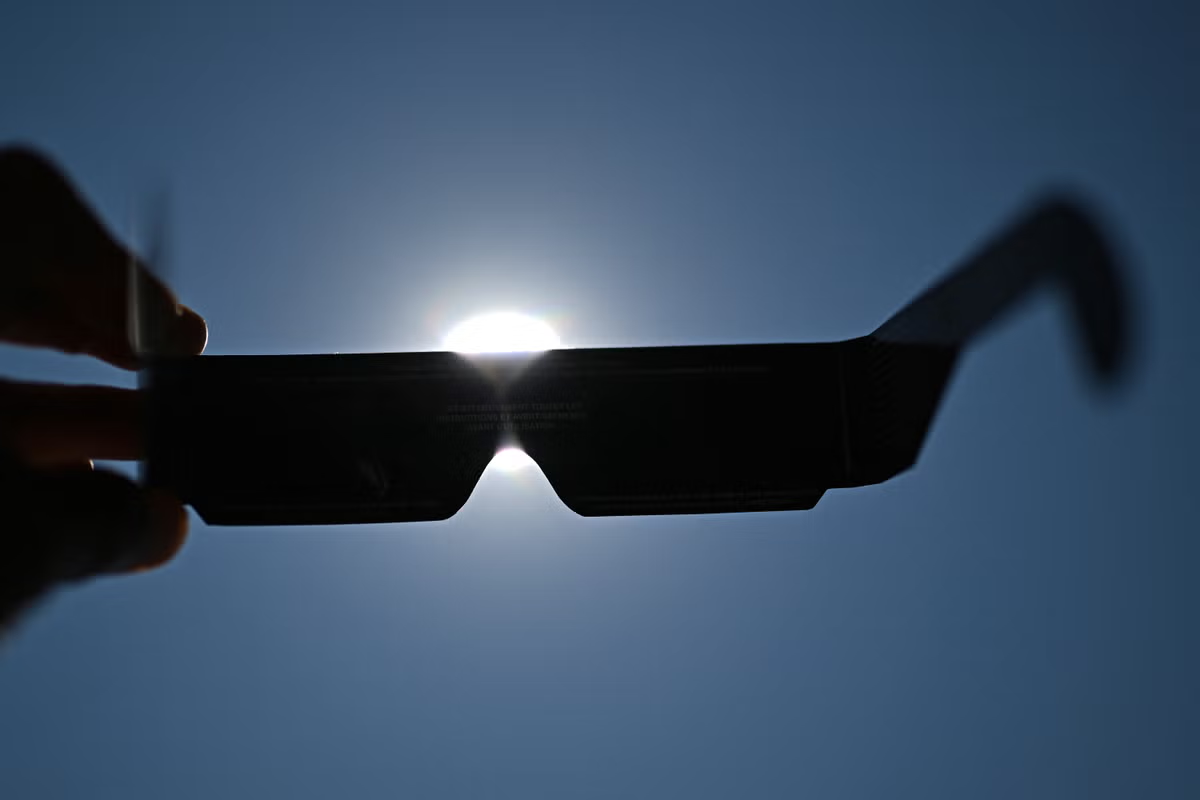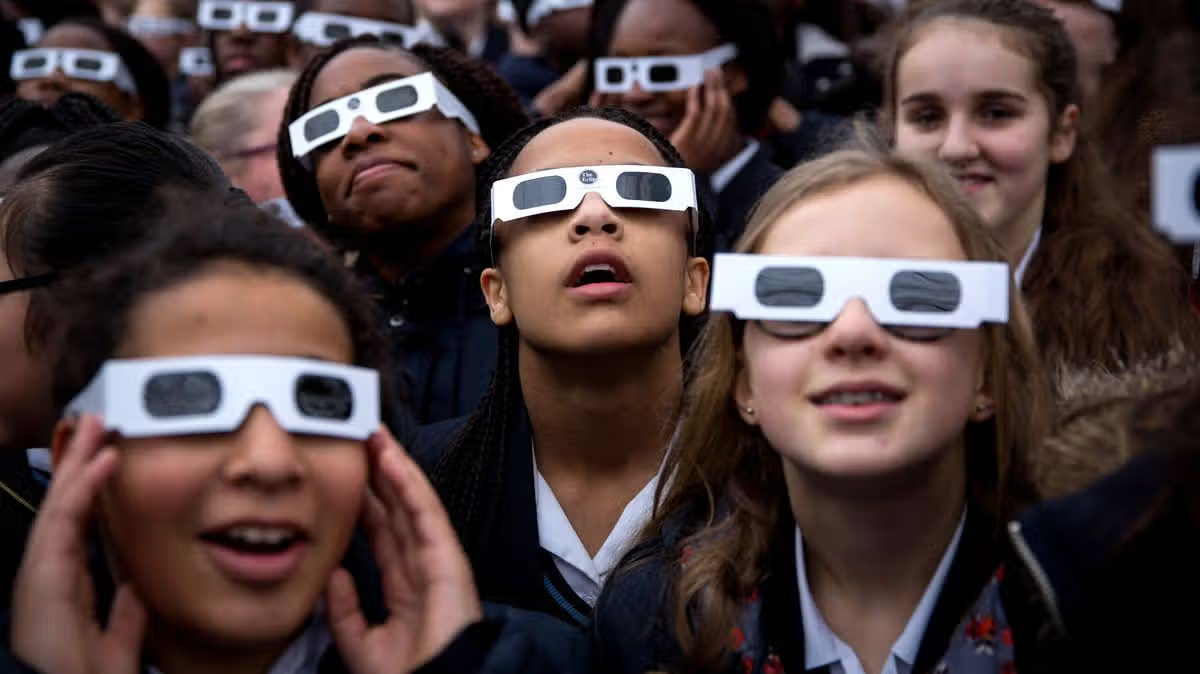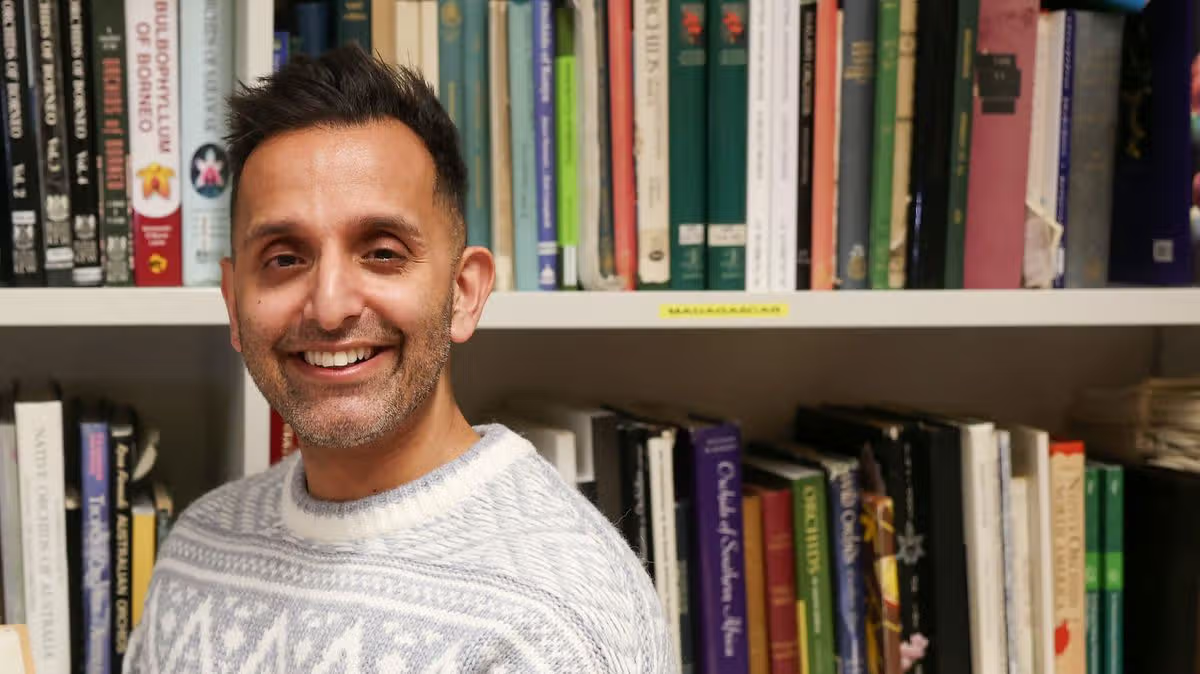
The UK is set to experience its biggest eclipse since 1999 within hours12:14, 12 Aug 2026Updated 12:14, 12 Aug 2026TV doctor Amir Khan has shared his "brilliant" way of viewing the eclipse which is due to happen in the UK in hours. Starting at about 6pm tonight the Moon will begin moving across the face of the Sun, which will mean a partial solar eclipse across the UK.According to Royal Museums Greenwich (RMG), at its peak, up to 95% of the Sun will be hidden in Cornwall while viewers in Pembrokeshire will see 94%. For those in the south-western tip of Ireland, it might even be as much as almost 97.5% coverage.It added when the eclipse will be visible will depend on your location, travelling from the north to the south. It will begin between 6.08pm and 6.18pm and end between 8pm and 8.10pm however the maximum eclipse is expected between 7.05pm and 7.16pm.On August 11, 1999 the UK experienced its last total solar eclipse which was was viewed by millions of people. While today's will not be a total eclipse it is still expected to see crowds enjoying the experience.Now GMB and Lorraine doctor Amir Khan has warned people not to rely on one item to watch the phenomenon. He said: "Normal sunglasses are NOT enough. Use genuine eclipse glasses meeting ISO 12312-2."Never look through binoculars/telescopes without a proper solar filter fitted to the front Be careful trying to photograph it. A pinhole projector is a brilliant, safe way to watch indirectly. Even a colander can project lots of tiny eclipses!"Enjoy it. Marvel at it. Bore everyone with your eclipse photos afterwards. Just please protect those retinas while you’re doing it."In a video he expanded his advice saying: "Please don't just go out and look at the sun because it can permanently damage your eyesight, and you may not even feel it happening until it's too late." He went on to share "five things you need to know" before looking at the eclipse.Normal sunglasses are not enough.He said: "Doesn't matter how dark they are, no matter about their UV protection. It doesn't matter whether you look like a Gucci model whilst you're wearing them. If you want to look directly at the Eclipse, you need proper Eclipse glasses that meet the international safety standard."And if you've had your Eclipse glasses since 1999, then you need to check them first, make sure they're not scratched, torn, punctured, or damaged. If they are, don't use them."Do not improviseHe says makeshift ideas are not the right way forward. He explains: "Don't put on three pairs of sunglasses and think, ah, this is enough."Don't look through a CD or a DVD or smoke glass or a photographic film or crisp packets. I've heard everything. They're not designed to protect your retina from looking directly at the sun."Your phone isn't automatically a safe workaroundThe expert said: "Don't stare at the sun while you're trying to line up that perfect photograph. It's just not worth it. And don't look through a camera, binoculars, or telescope unless that equipment has a proper solar filter fitted to the front of it.Content cannot be displayed without consent"In fact, never put eclipse glasses on and then look through binoculars or a tele, even because that will concentrate the sunlight, and that can damage and the filter and your eyes."The safest way to watch without looking at the sunDr Amir advises one thing is "really great" to do with kids. He says: "I know you sounds a bit Blue Petery. Make a pinhole projector. You can literally use two pieces of card make a tiny hole in one. Stand with your back to the sun and project the image onto the other."Or here's a really good one I like to do with children. Hold up a kitchen colander and watch all those little pleasant suns appear in each shadow. Remember, you're watching a projection. You're not looking directly at the sun through that tiny pinhole."What happens if you do actually stare at the sun?Dr Amir also explains what happens if you do look into the sun. He says: "Well, you can develop something called solar retinopathy. The intense light damages the light-sensitive cells of the retina at the back of the eye."And the scary thing is, you might not even feel it while it's happening. You might just notice it later as a blurred spot in the middle of your vision, or just abnormal vision.Article continues below"And in some cases that is permanent. So we don't want that evil. So remember, go out, enjoy the eclipse. I'll be there watching it, but safely. Make sure you do it safely."
Dr Amir Khan shares 'brilliant' eclipse tip but gives warning
The UK is set to experience its biggest eclipse since 1999 within hours
779 words~4 min read