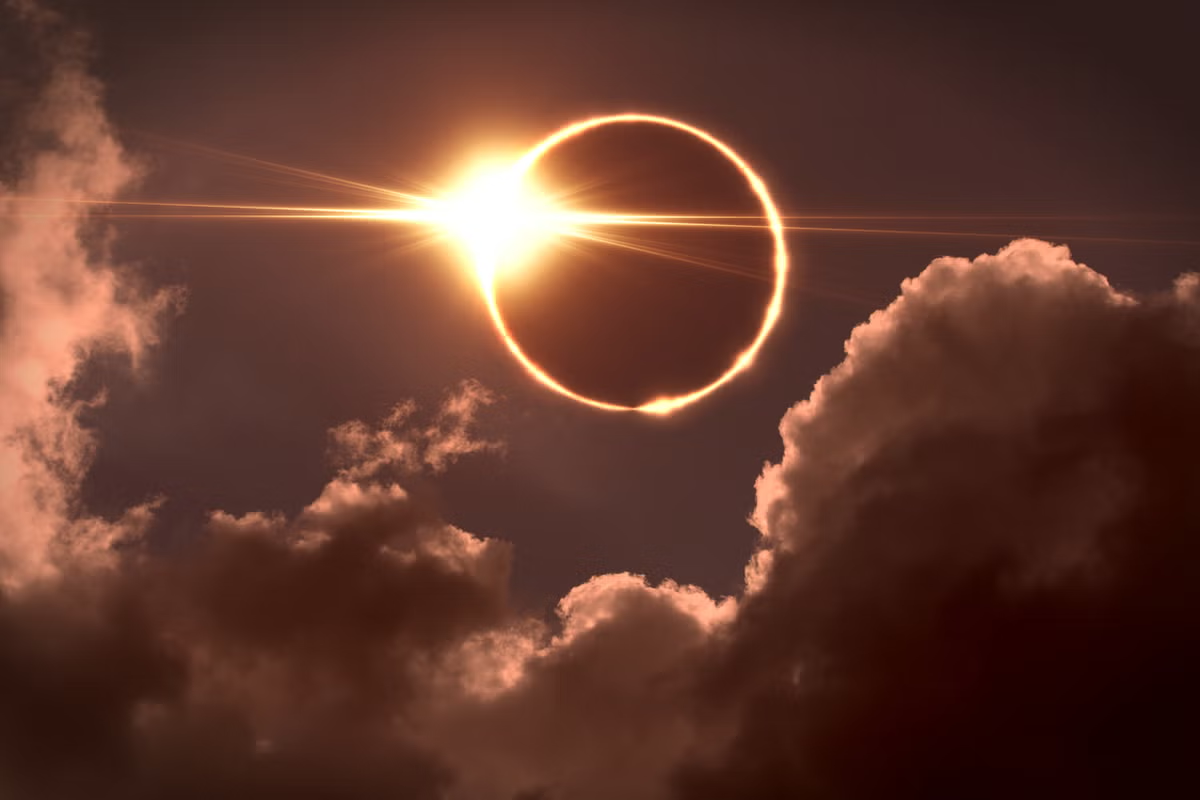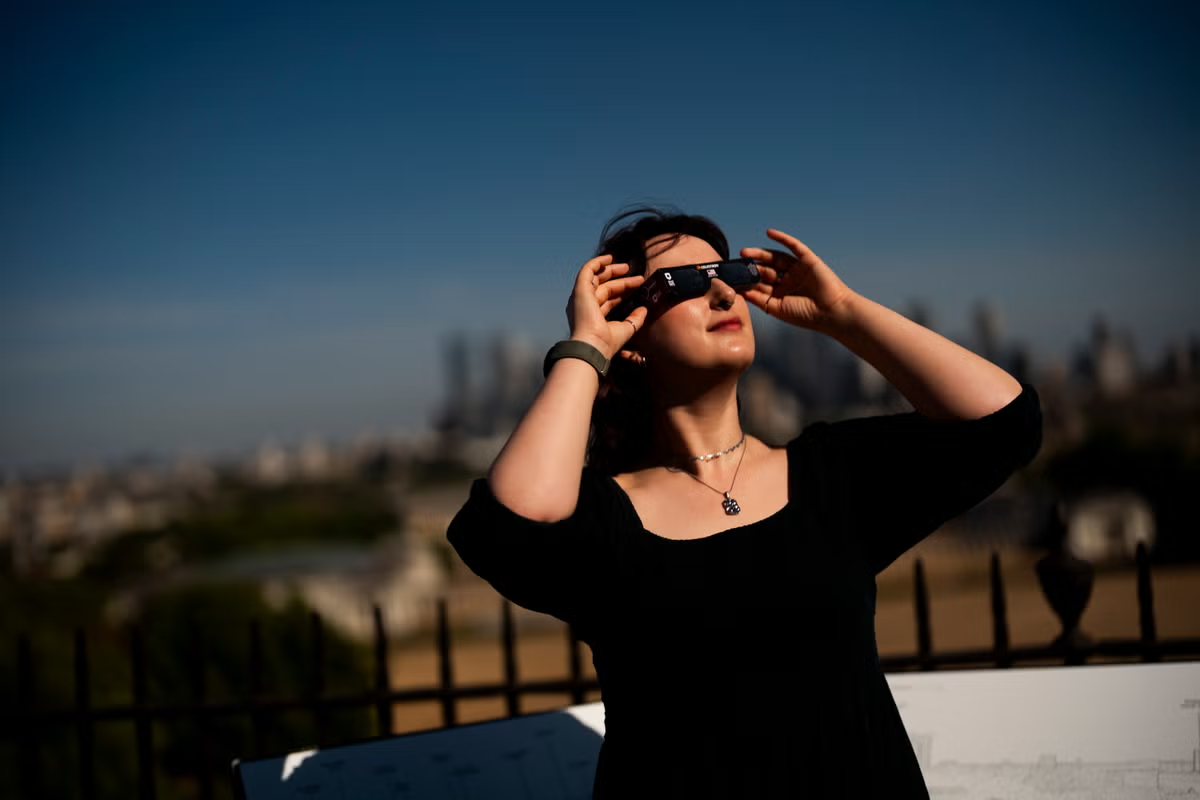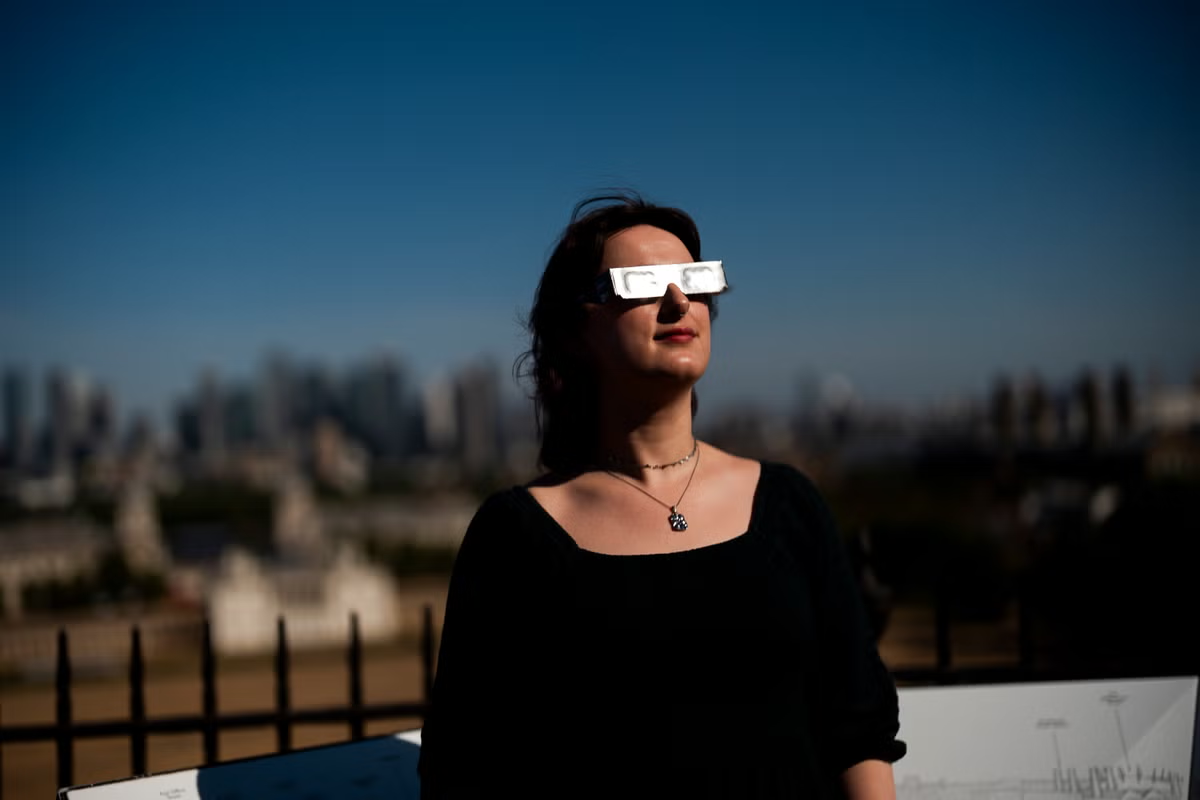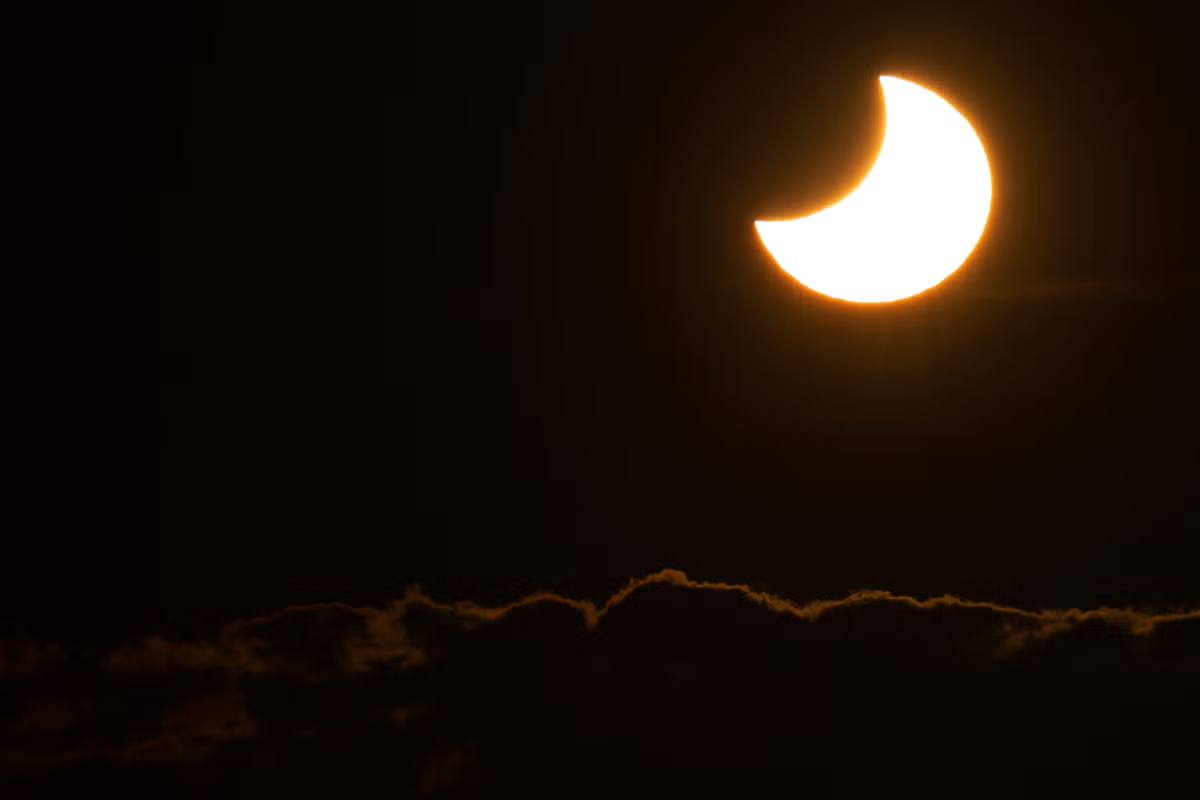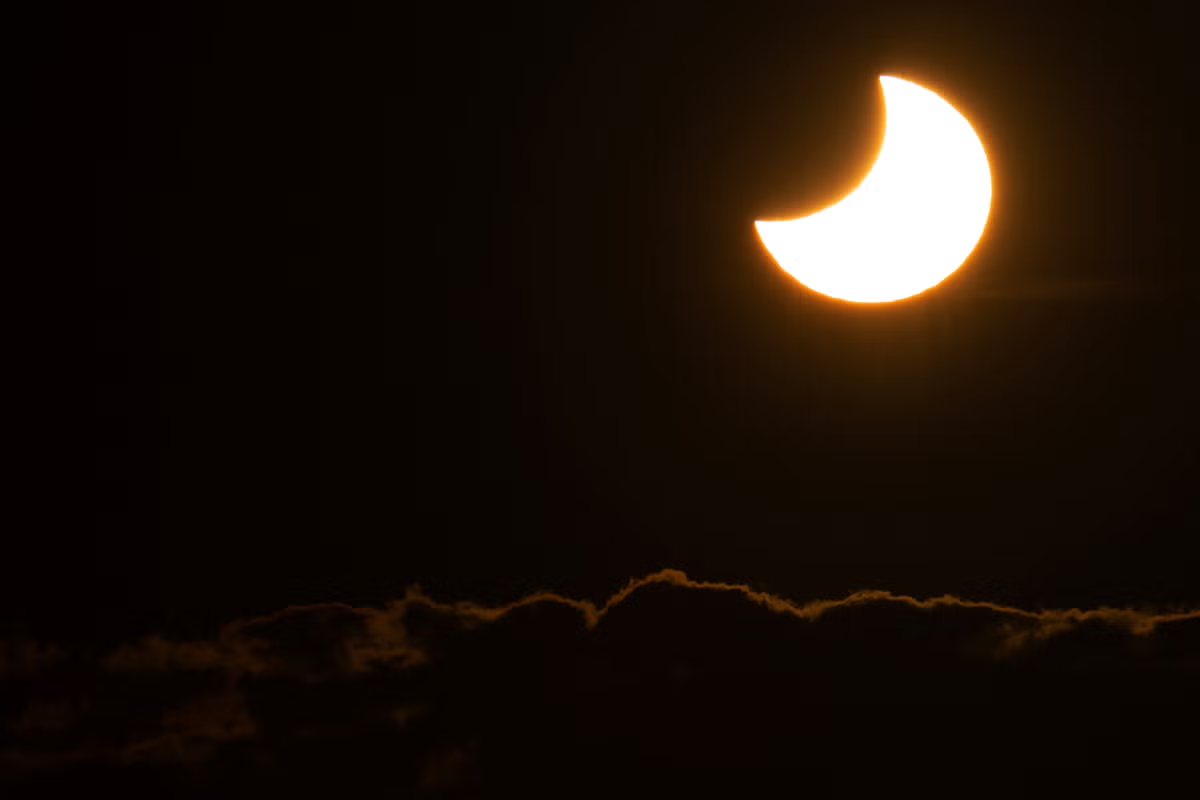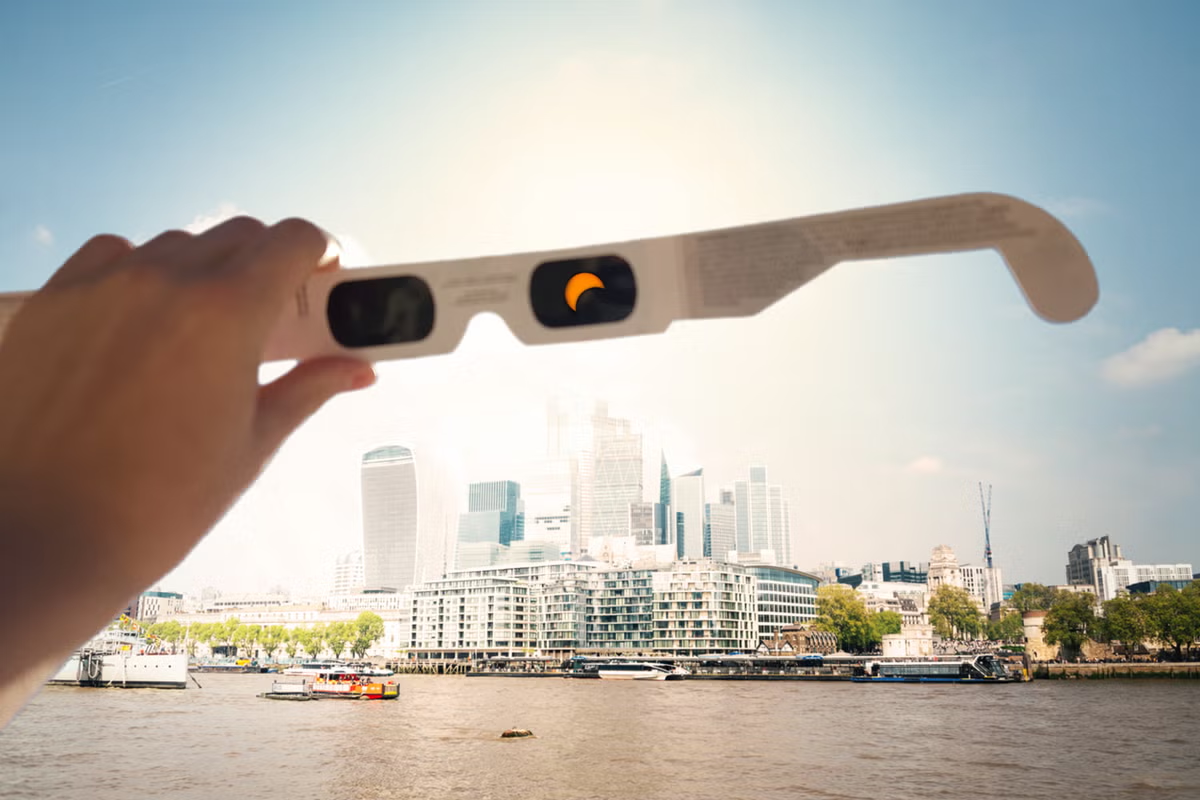
Jump to contentThank you for registeringPlease refresh the page or navigate to another page on the site to be automatically logged inPlease refresh your browser to be logged inAllNewsSportCultureLifestyleA partial solar eclipse will be visible across the UK on 12 August, marking the most complete eclipse seen since 1999. The moon will block most of the sun's light, with about 90 per cent coverage in London and 95 per cent in the South West – the best place in the UK to view the eclipse. The eclipse begins with ‘first contact’ (when the moon begins to cover the sun) just after 6pm, with the peak occuring just after 7pm; the eclipse will end just after 8pm.The UK Health Security Agency (UKHSA) warns that looking directly at the sun during an eclipse can cause permanent eye damage within seconds, and people should use special eclipse glasses, make a pinhole viewer, or use natural pinhole projectors like a colander.The Royal Observatory will be livestreaming the solar eclipse.In fullBritons told to view solar eclipse using colander to protect eyesMore bulletinsThank you for registeringPlease refresh the page or navigate to another page on the site to be automatically logged inPlease refresh your browser to be logged in
How and when to see the UK’s most complete solar eclipse since 1999
Jump to contentThank you for registeringPlease refresh the page or navigate to another page on the site to be automatically logged inPlease refresh your browser to be logged inAllNewsSportCultureLifestyleA partial solar eclipse will be visible across the UK on 12 August, marking the most complete eclipse seen since 1999. The moon will block most of the sun's light, with about 90 per cent coverage in London and 95 per cent in the South West – the best place in the UK to view the eclipse. The eclipse begins with ‘first contact’ (when the moon begins to cover the sun) just after 6pm, with the peak occuring just after 7pm; the eclipse will end just after 8pm.The UK Health Security Agency (UKHSA) warns that looking directly at the sun during an eclipse can cause permanent eye damage within seconds, and people should use special eclipse glasses, make a pinhole viewer, or use natural pinhole projectors like a colander.The Royal Observatory will be livestreaming the solar eclipse.In fullBritons told to view solar eclipse using colander to protect eyesMore bulletinsThank you for registeringPlease refresh the page or navigate to another page on the site to be automatically logged inPlease refresh your browser to be logged in