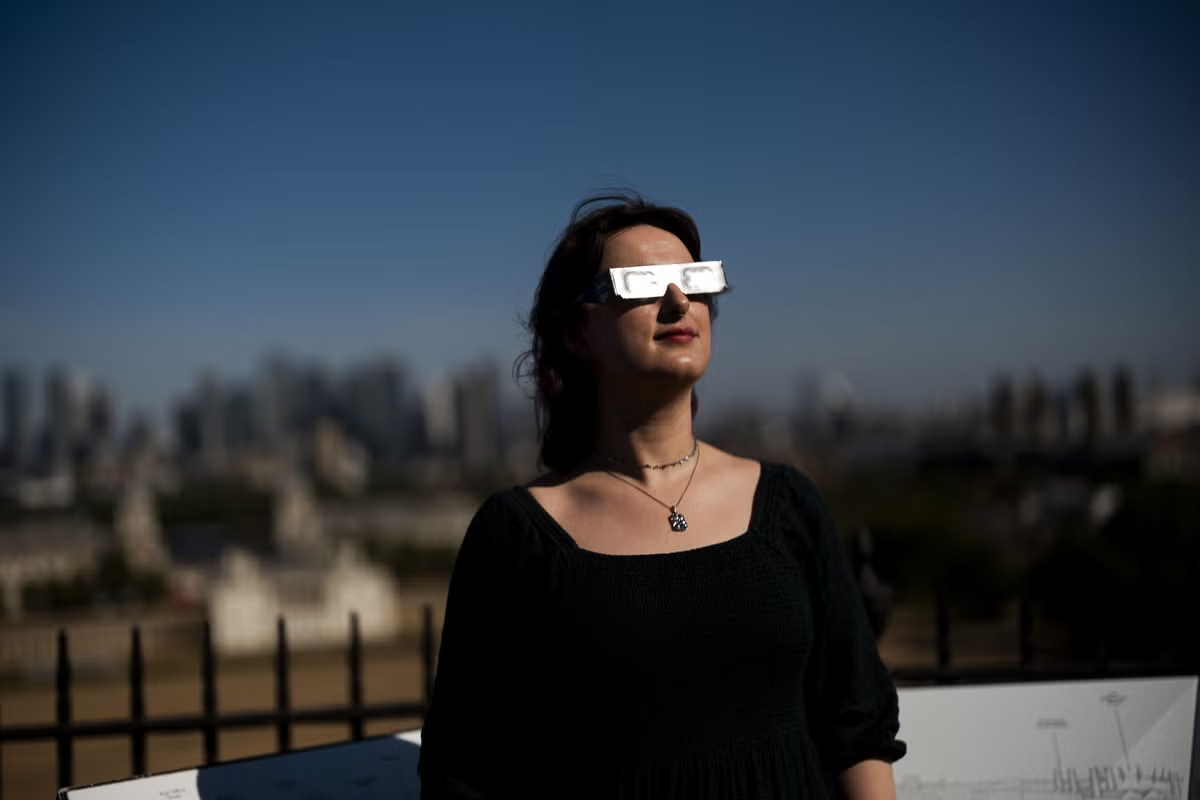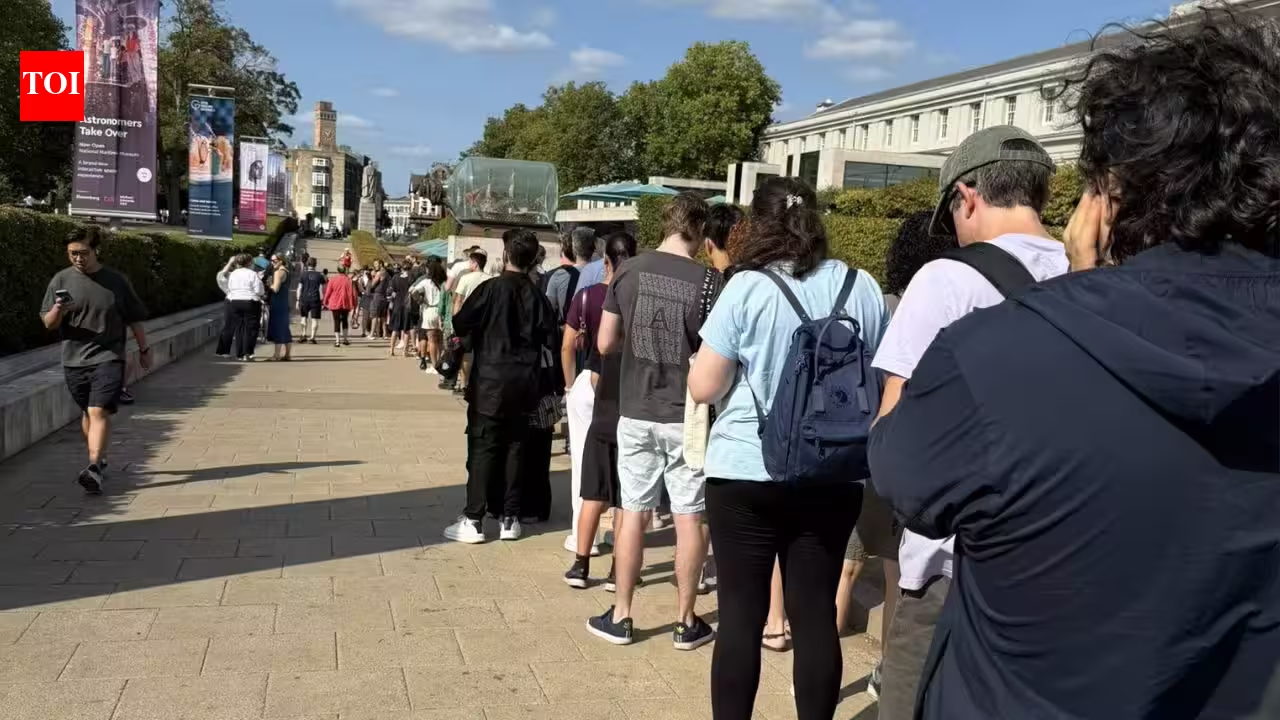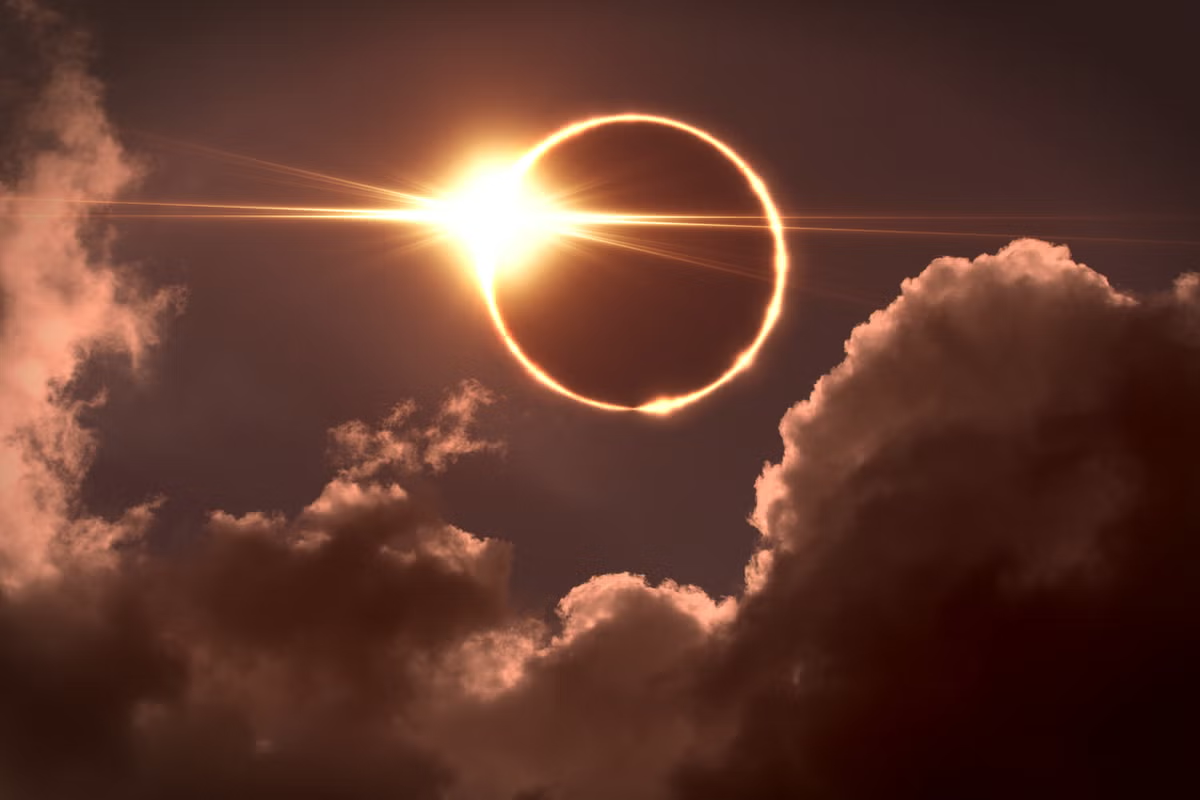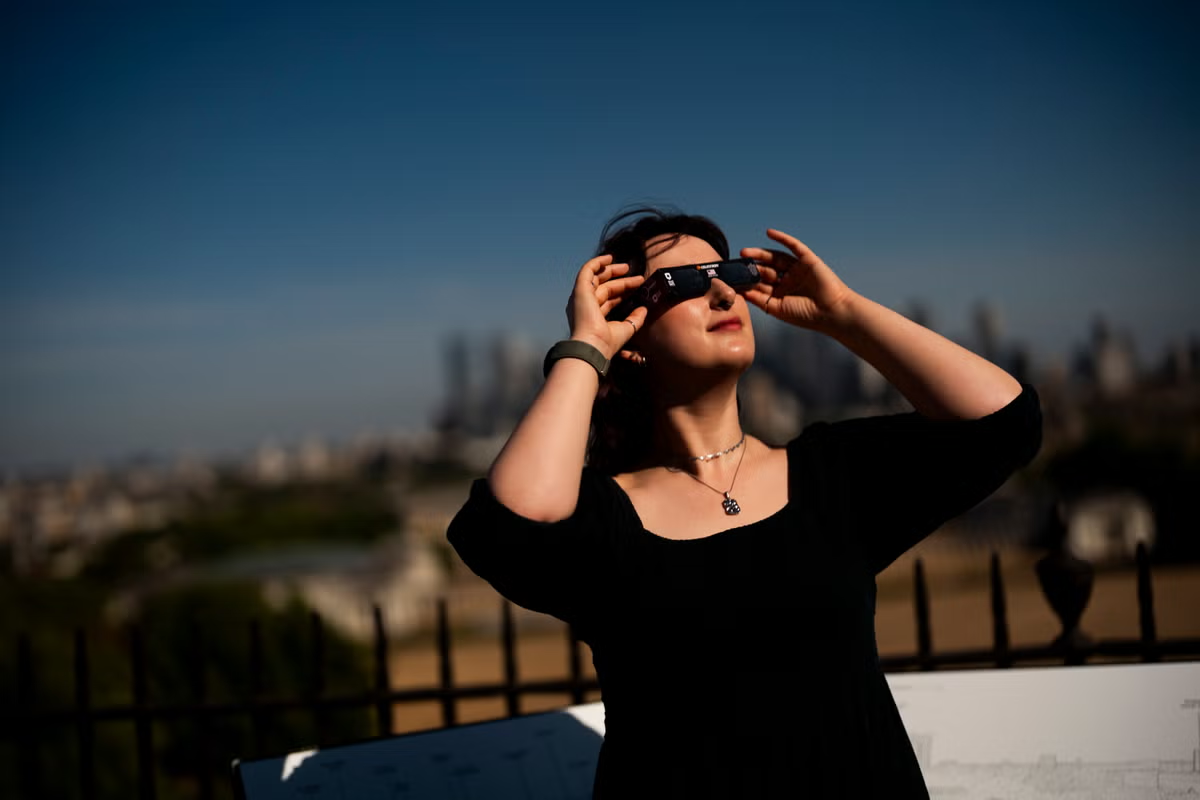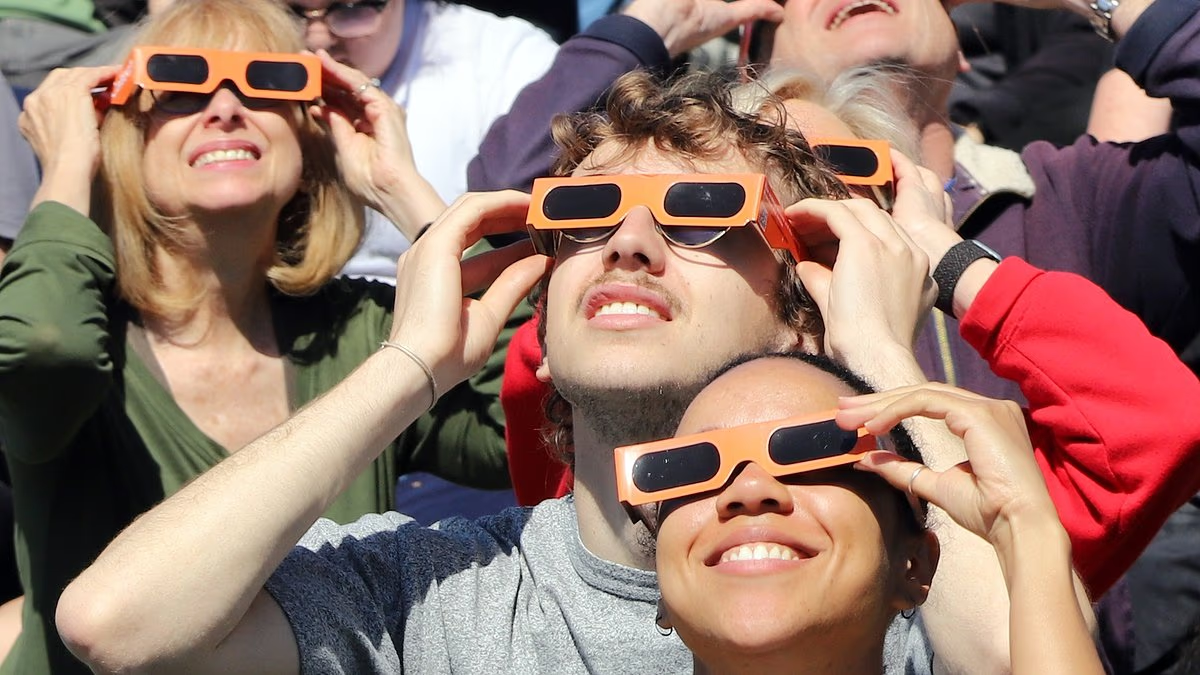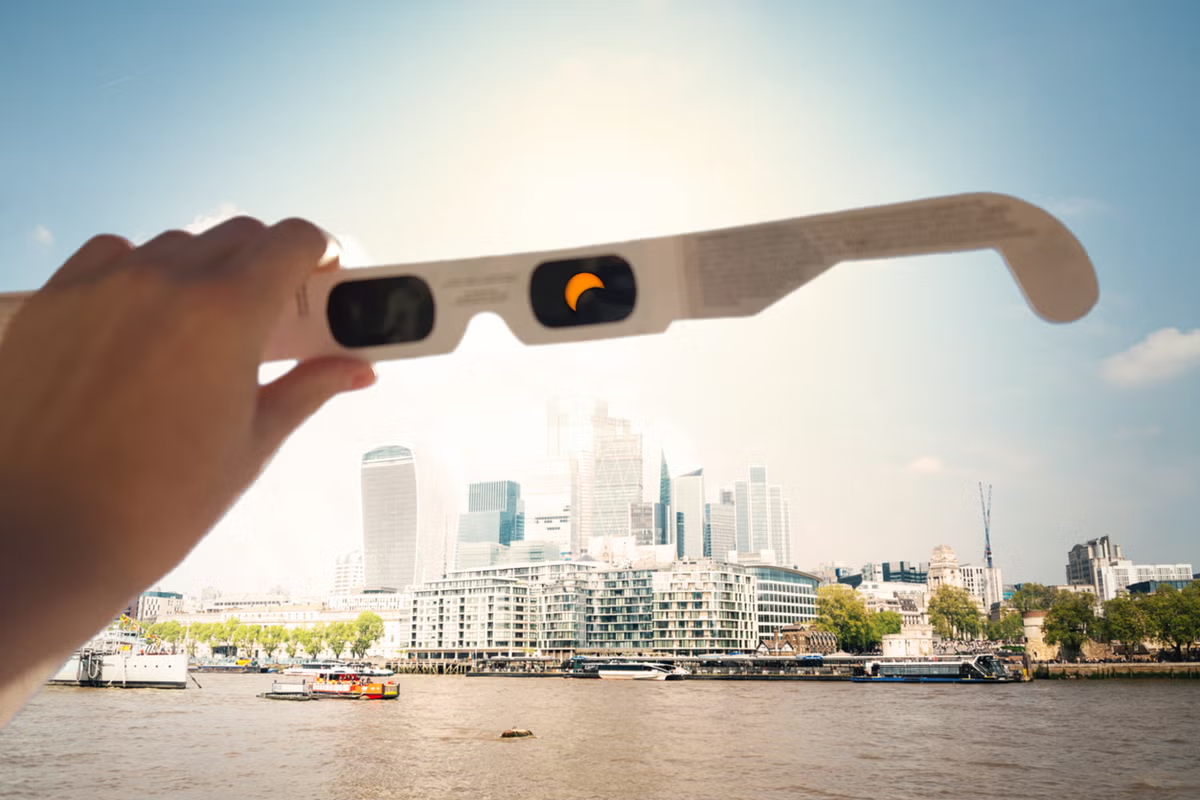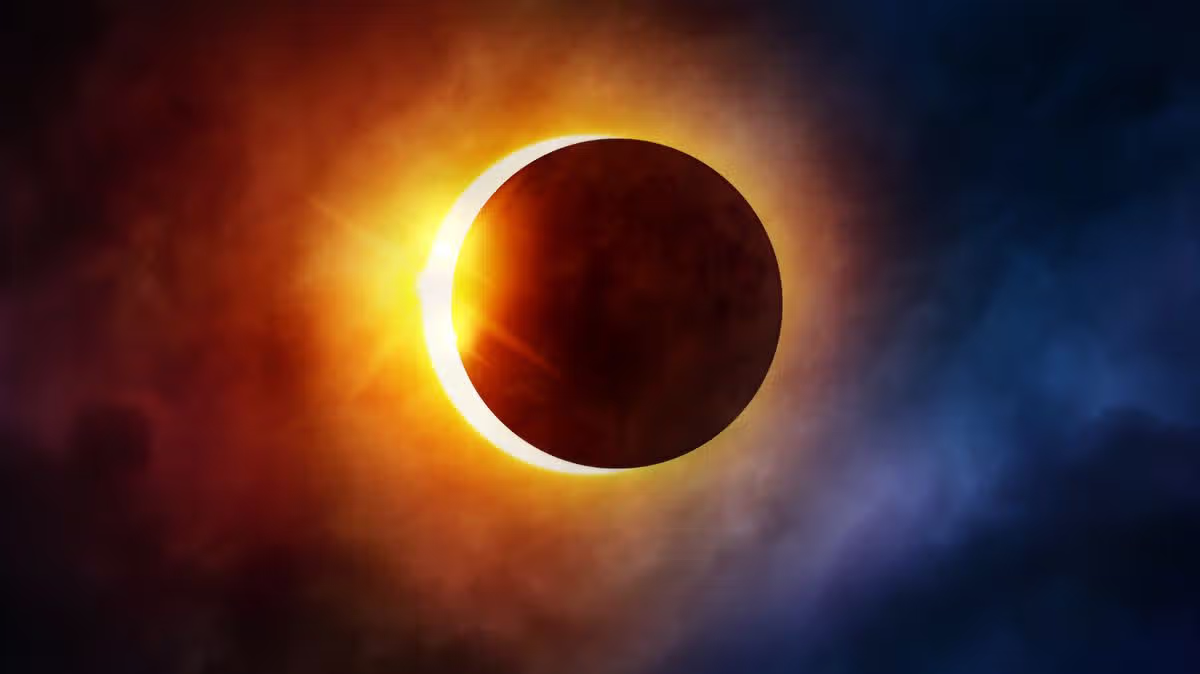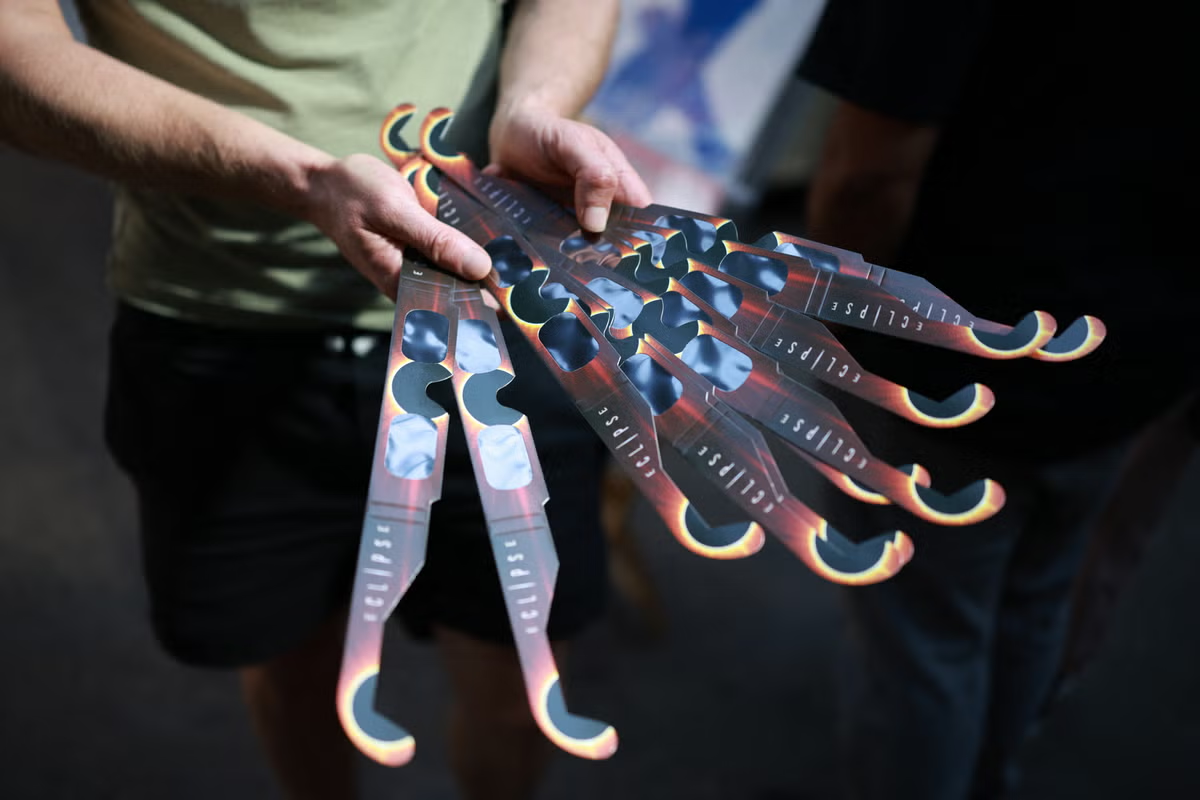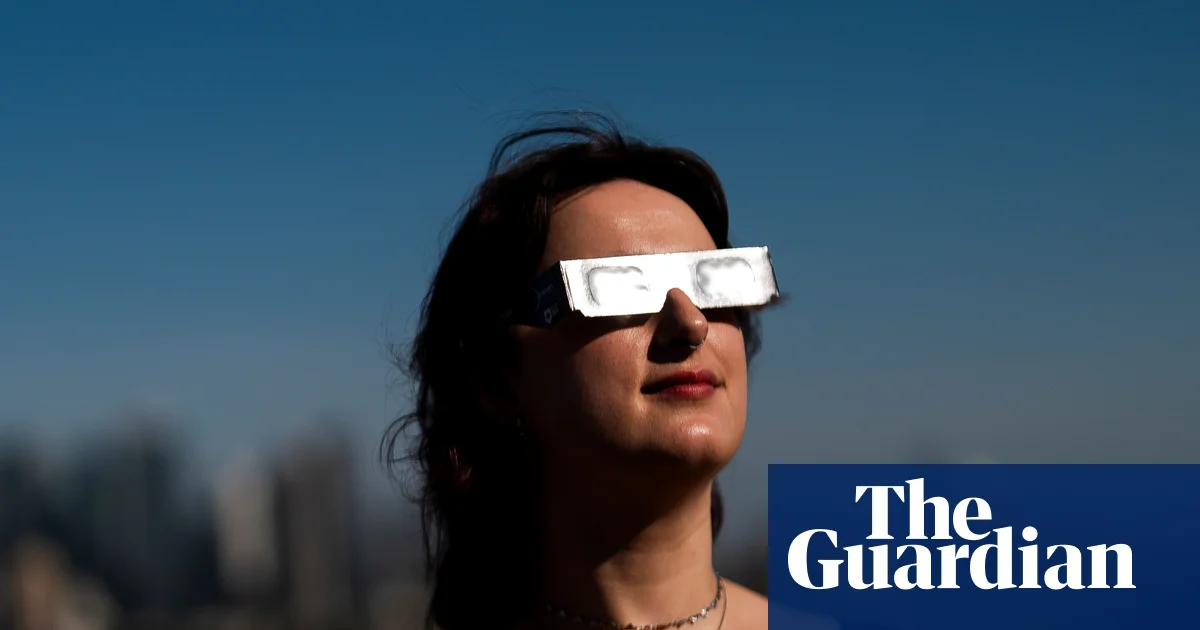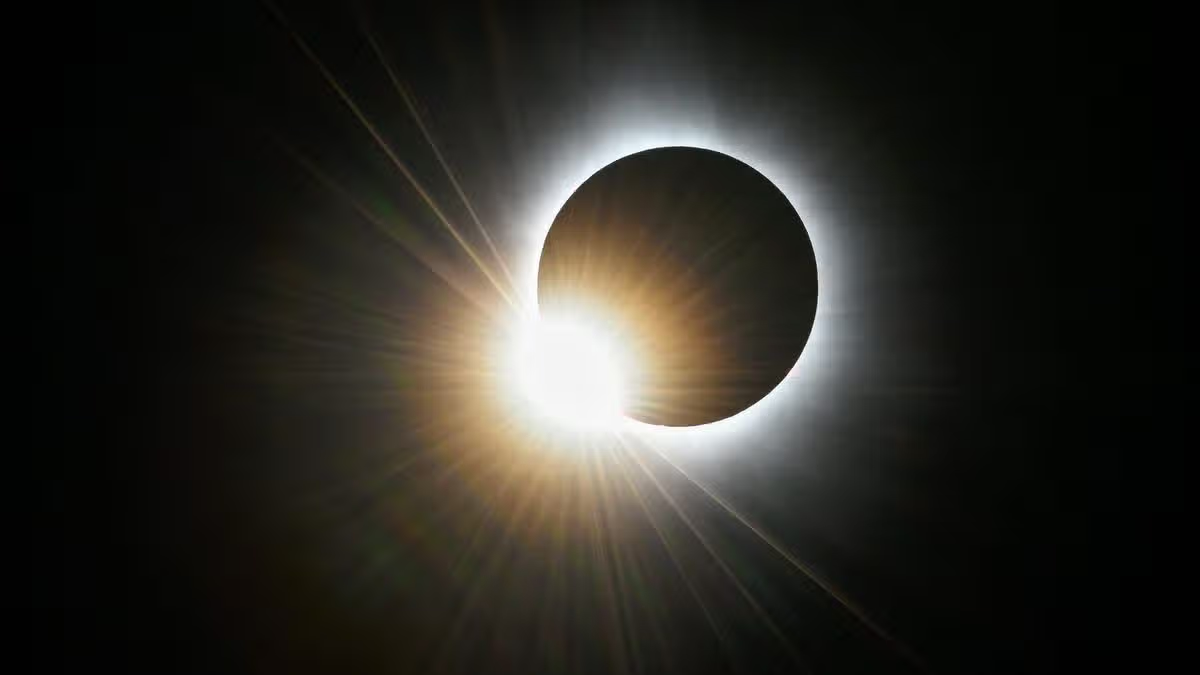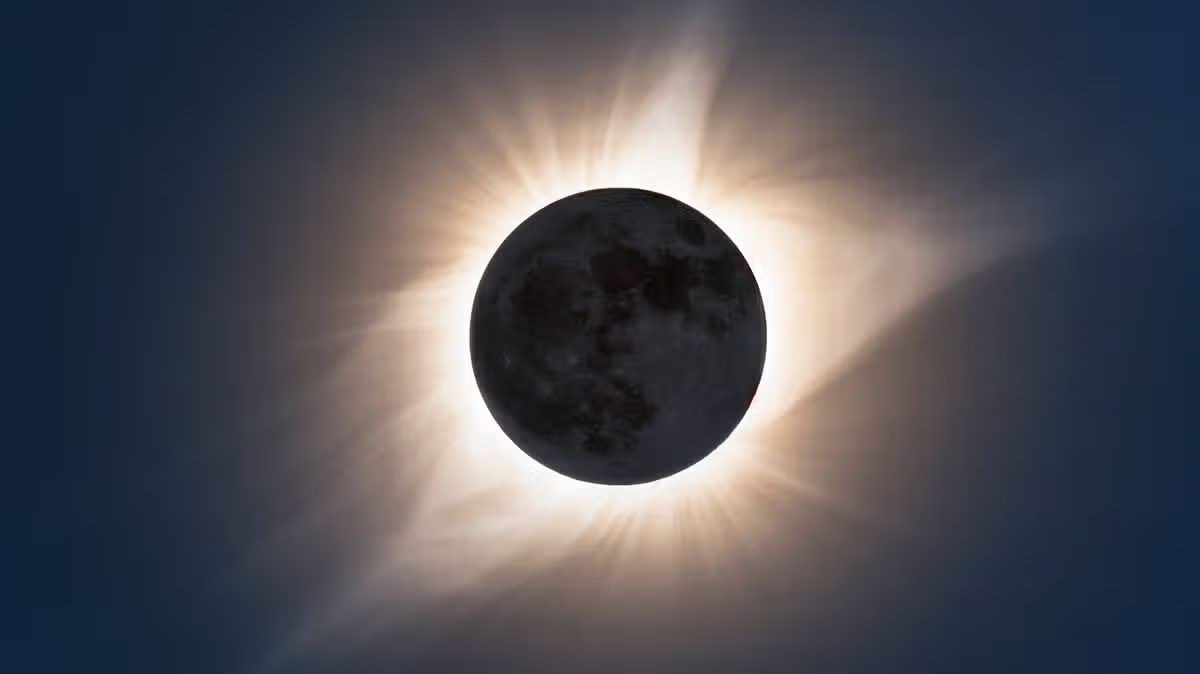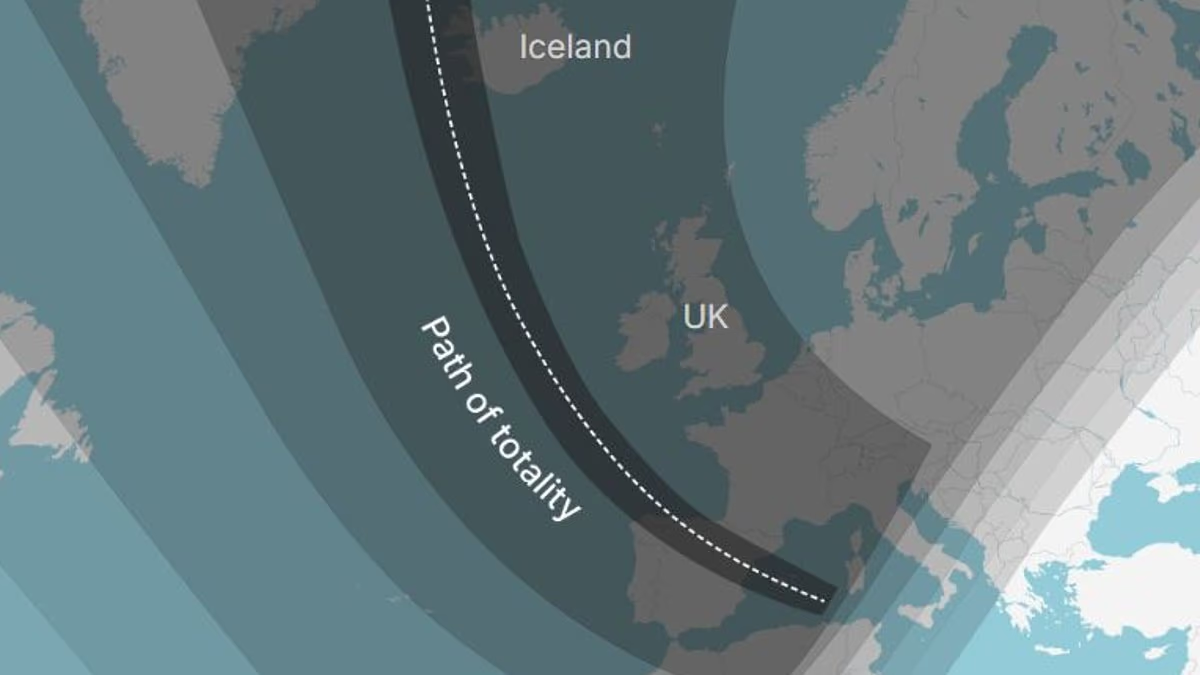
Britons across the country are queuing up by the hundreds in a last-minute bid to get their hands on eclipse glasses ahead of the best solar eclipse in a generation. Tonight, from about 6.15pm, the moon will gradually slide across the face of the sun until it covers up to 96 per cent.The precise moment this begins, and how complete the darkness will be, depends on where you are (see below), but everywhere can expect at least a 90 per cent blackout.This coincides with the peak of the annual Perseids meteor shower, when thousands of space rocks burn up in Earth's atmosphere as our planet passes through a belt of debris from comets.To make this all the more spectacular, clear skies are expected across most of the country. Even in cities, there ought to be comparatively little light pollution in early evening, though inevitably many street lights will come on automatically. Out in the countryside, the skies will be magnificently dark.Scotland will see the effect soonest, with the eclipse reaching its maximum at 7.05pm in Edinburgh and Glasgow. In Cornwall, at Truro, that moment will come 11 minutes later. But it doesn't last long, with the darkness beginning to lift just two minutes after it reaches its most intense. Britons across the country are queuing up by the hundreds in a last-minute bid to get their hands on eclipse glasses. Pictured: Queues outside the National Maritime Museum in Greenwich, one of the few places still stocking eclipse glasses It is not safe to watch the eclipse without specialised glasses, but supplies of these protective lenses are running extremely low. Pictured: People queue around the corner from 06:00 to buy eclipse glasses in WeymouthWhen and where to see the eclipseFirst contact – the moment the moon's shadow will first appear on the sun – will kick off at 18:06 in Glasgow and Edinburgh, 18:13 in Manchester and Liverpool, 18:15 in Birmingham, 18:17 in London, Bristol and Cardiff, and finally at 18:18 in Cornwall.Viewers, taking the appropriate safety precautions, will see a small 'bite' disappear from the sun's right–hand corner before slowly spreading to cover most of the disc.At the point of greatest coverage, observers will see only a tiny inverted crescent of fire hanging in the sky.That will happen just under an hour later, at 19:05 in Glasgow and Edinburgh, 19:10 in Manchester and Liverpool, 19:11 in Birmingham, 19:12 in London, Bristol and Cardiff, and at 19:16 in Cornwall.After that moment, you'll be able to watch as the moon slowly moves out of alignment with the sun until its shadow completely vanishes.Dr Megan Argo, an astrophysicist from the University of Lancashire, told the Daily Mail: 'For those of us in the UK and elsewhere watching the partial solar eclipse, the sky will not go completely dark and the stars will not be visible.'It will still get darker though as the Sun is gradually eclipsed by the Moon, but it will look more like an overcast day as the Sun's light is reduced.' People queue around the block from 6am to buy eclipse glasses after Howleys Toymaster shop collected 10,000 pairs from the Midlands
Everything you need to know about tonight's solar eclipse
Britons across the country are queuing up by the hundreds in a last minute bid to get their hands on eclipse glasses ahead of the best solar eclipse in a generation.
2,771 words~13 min read