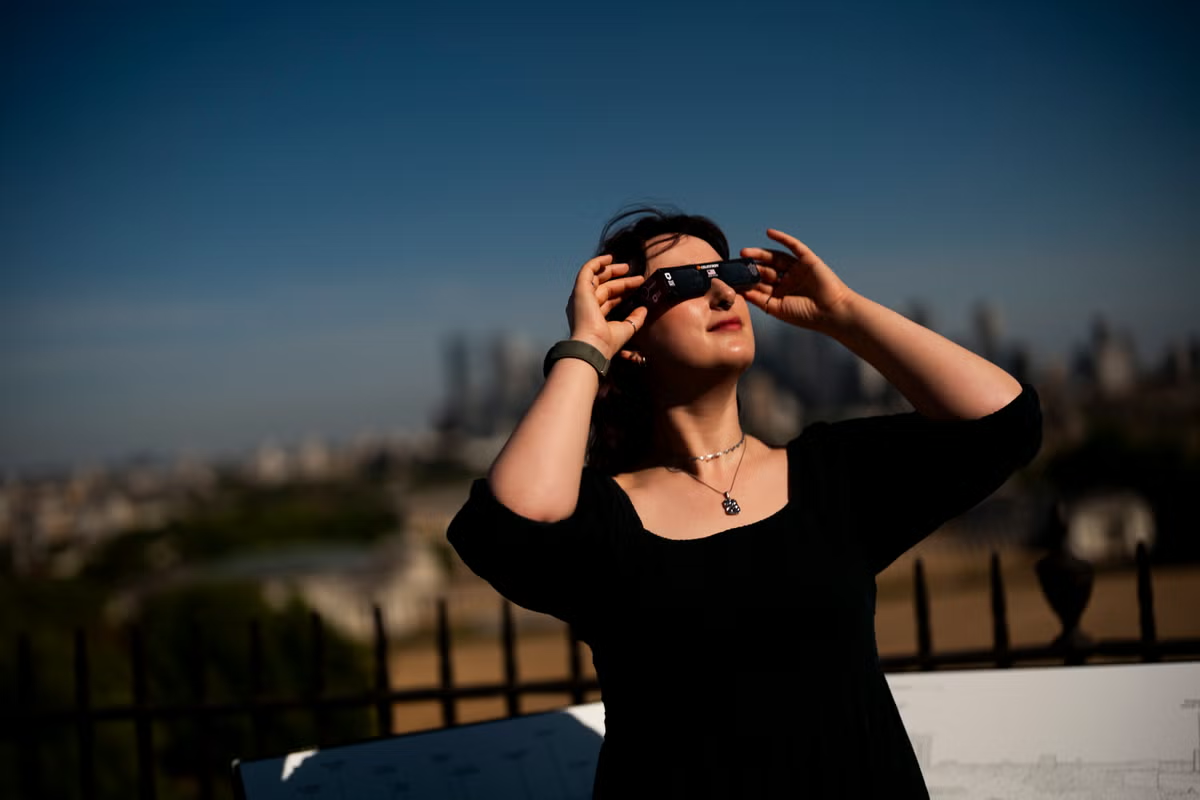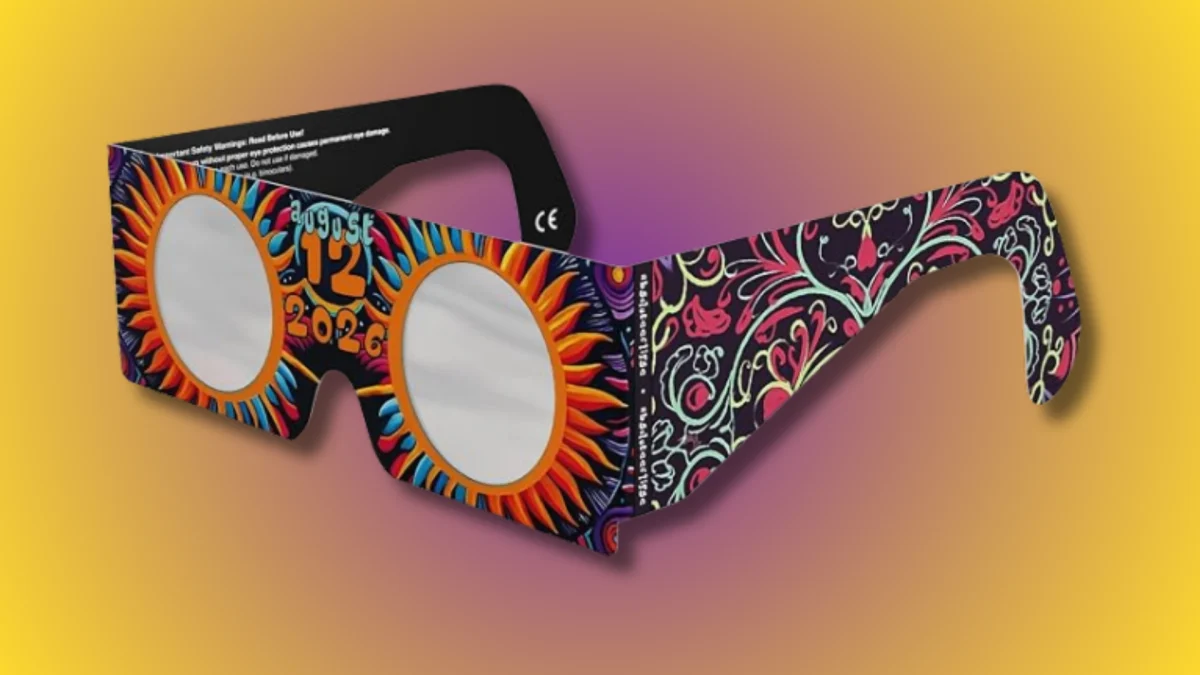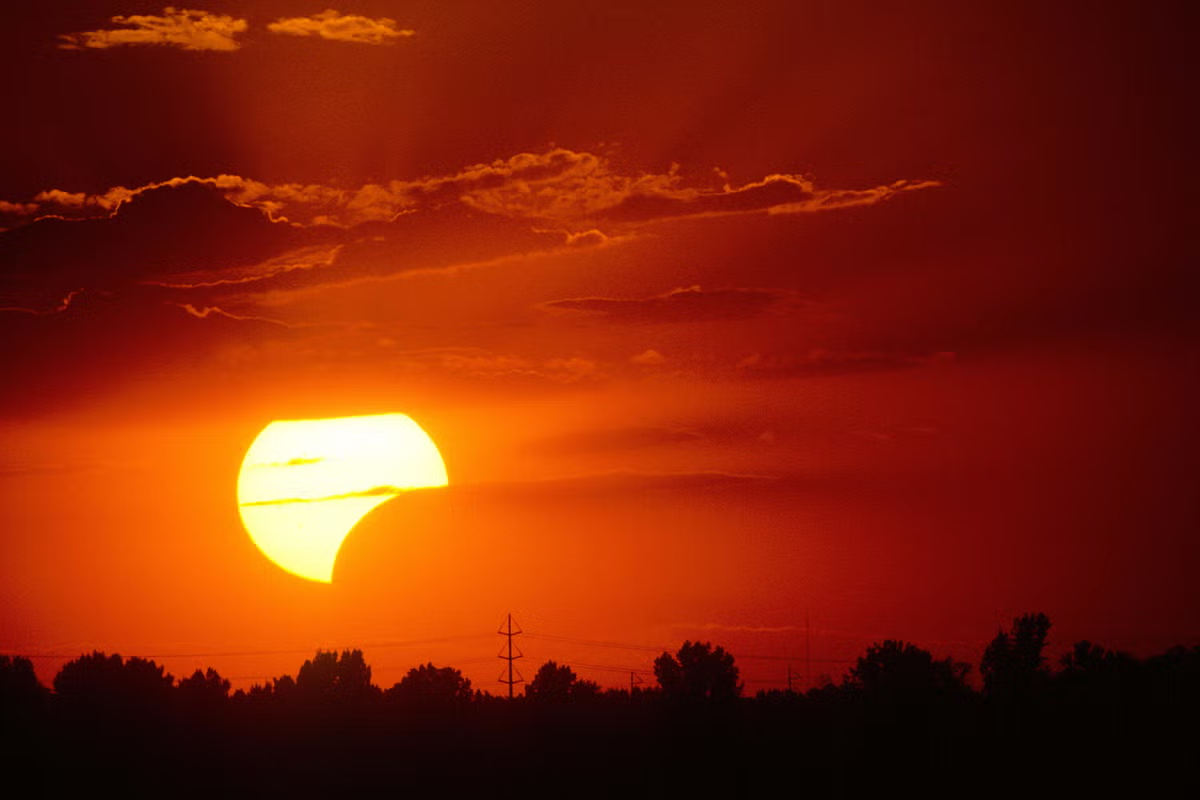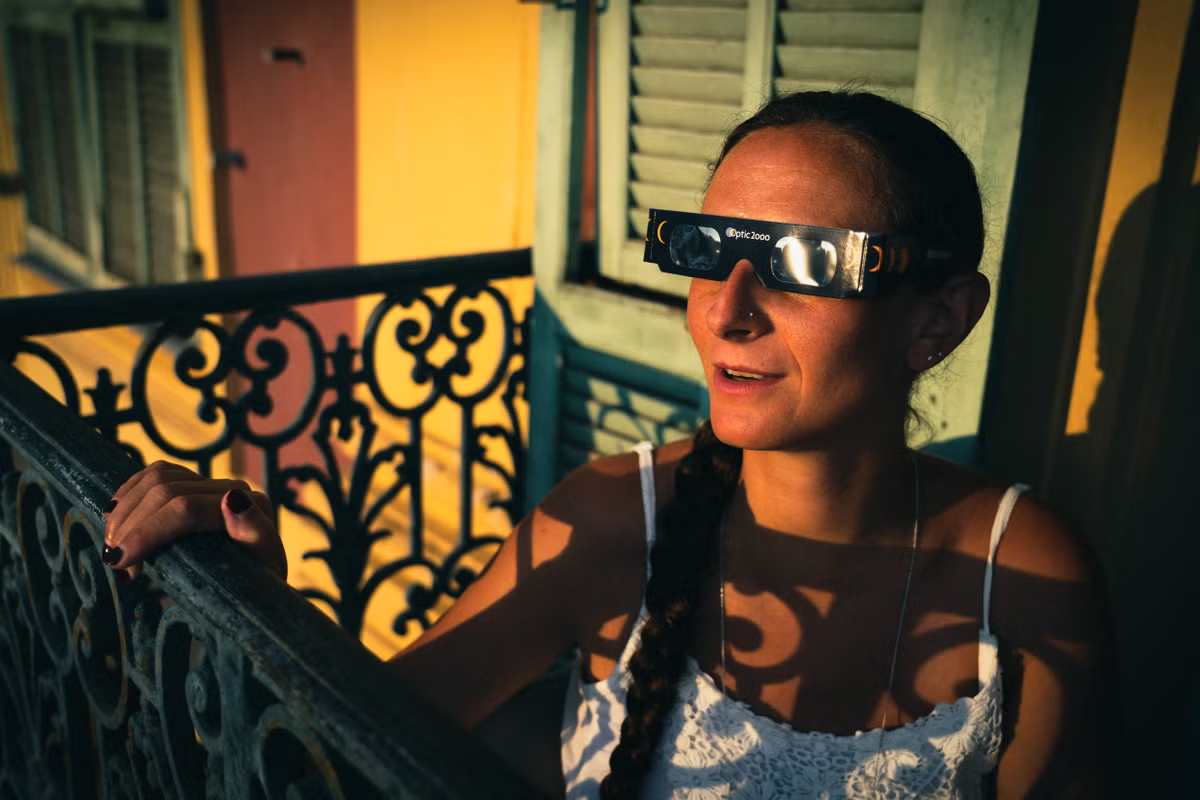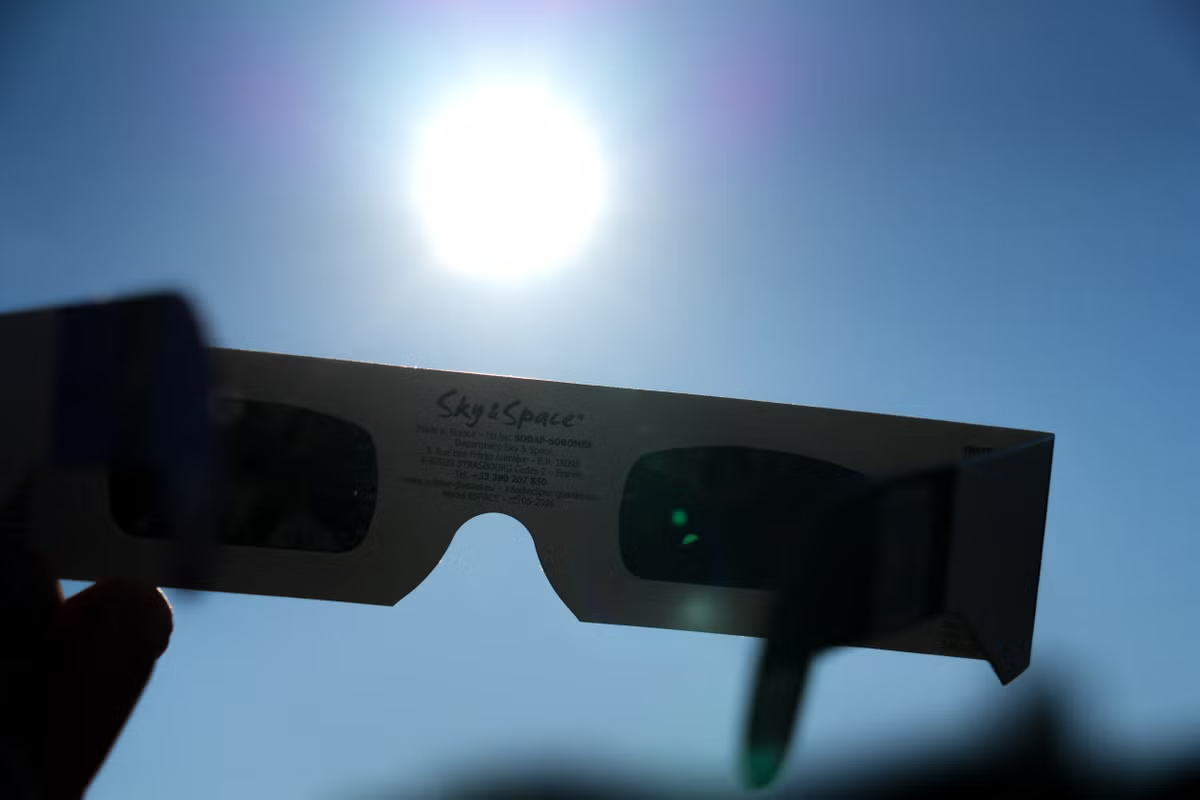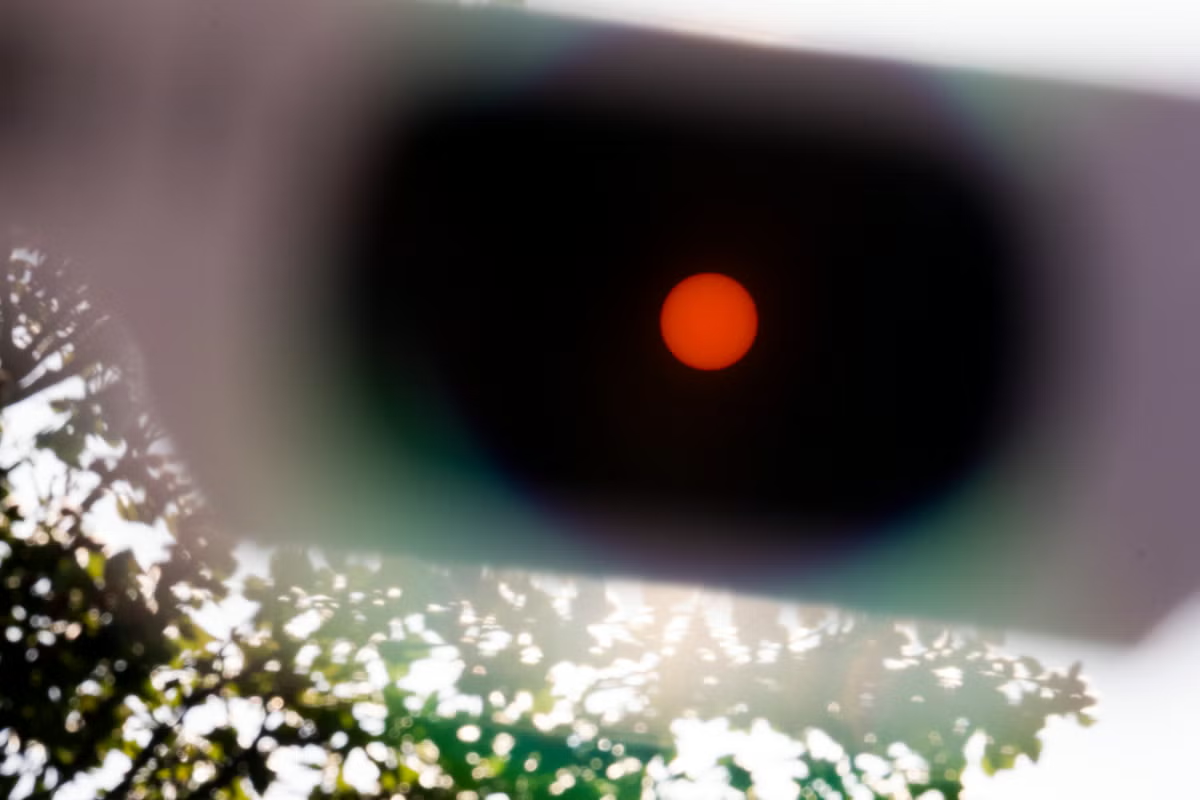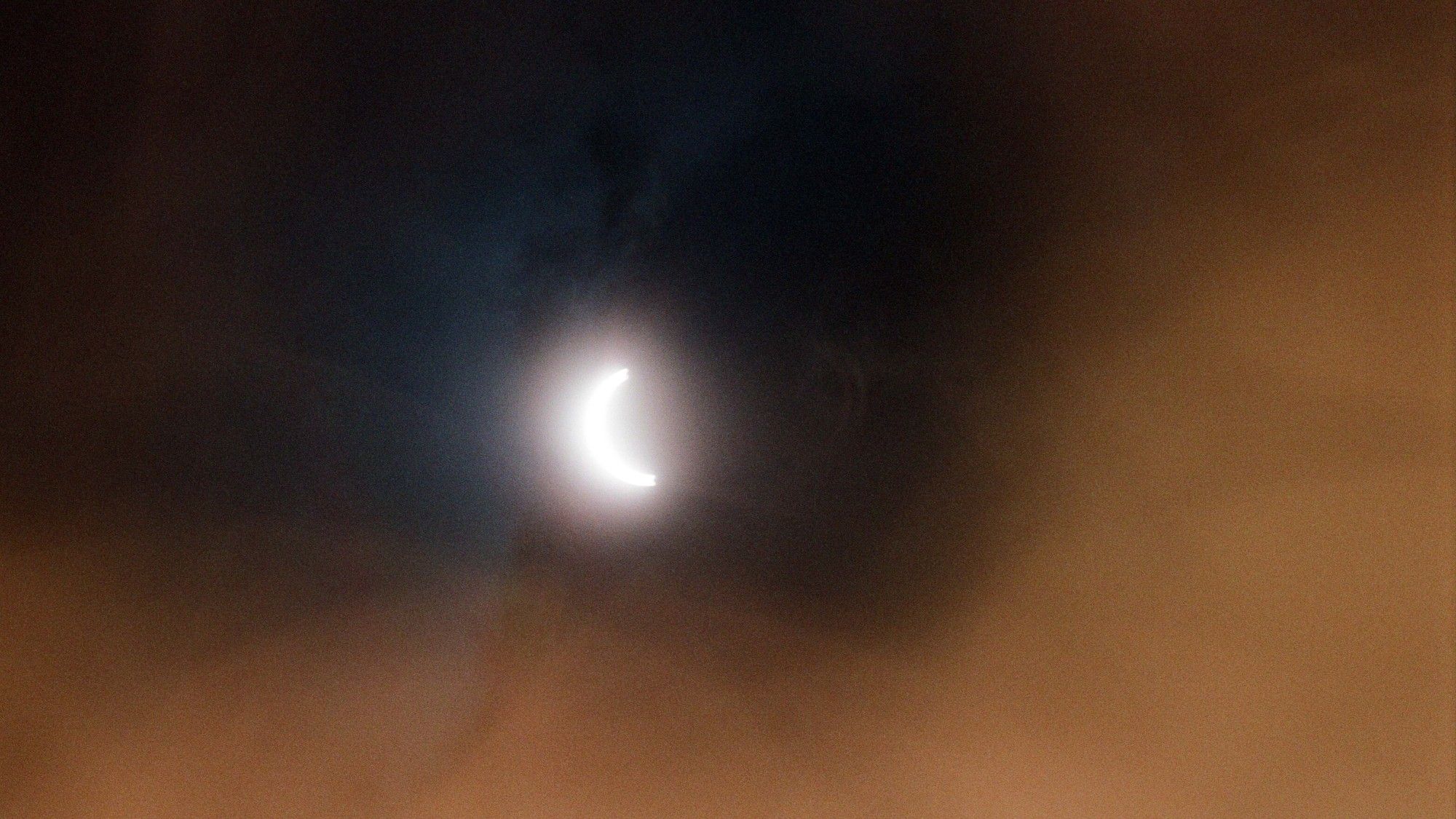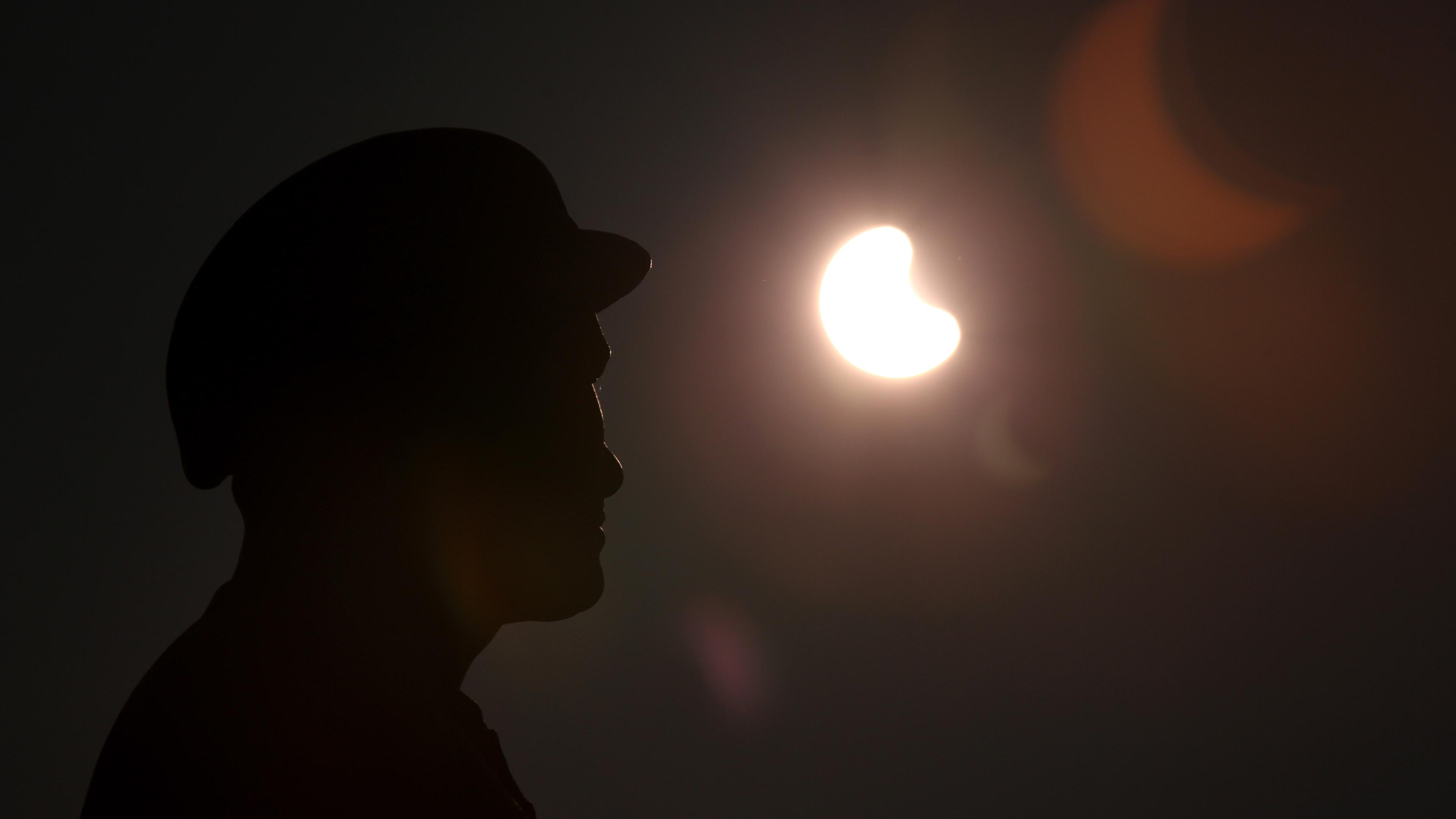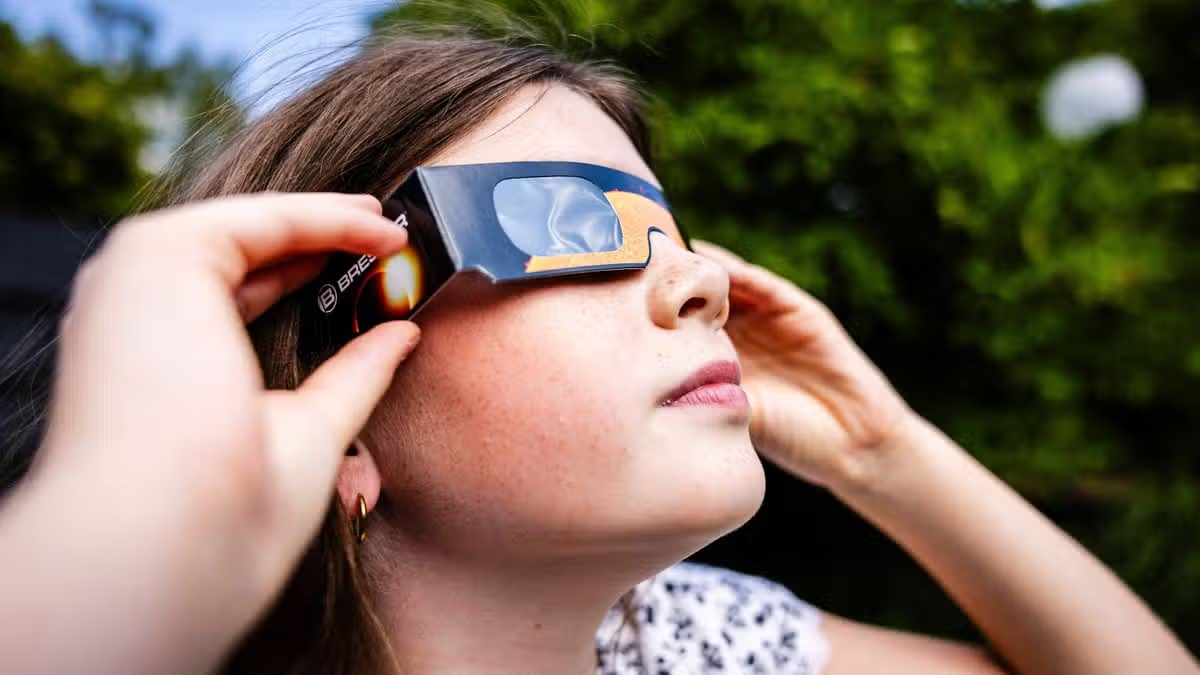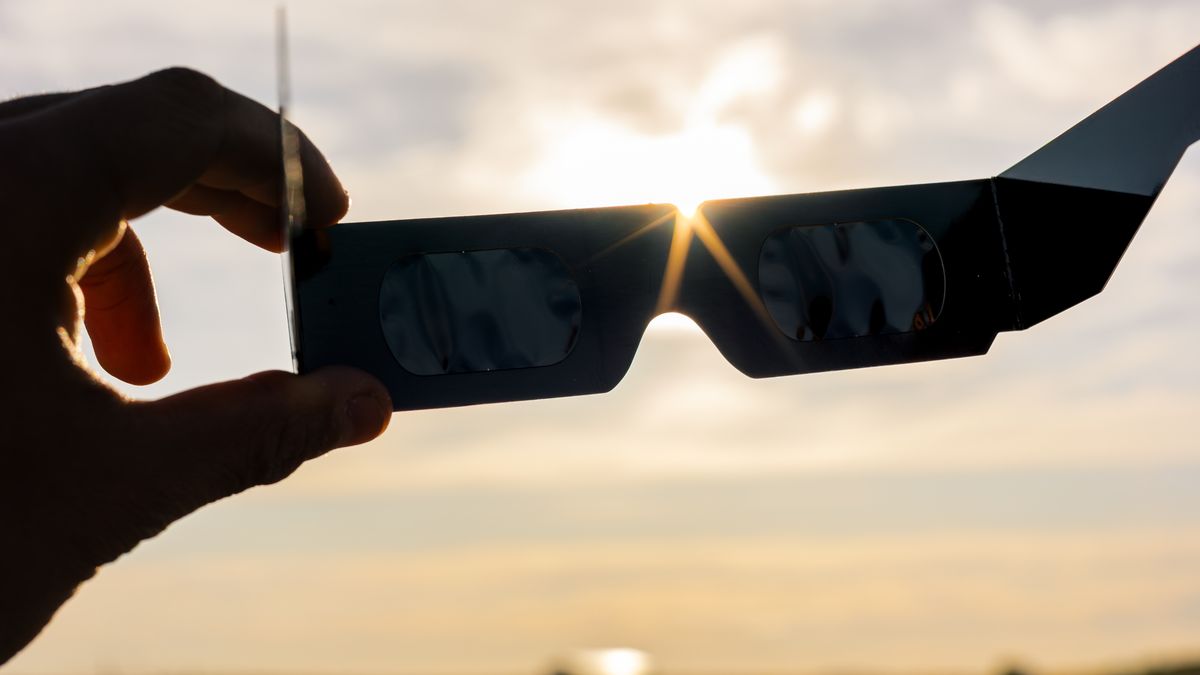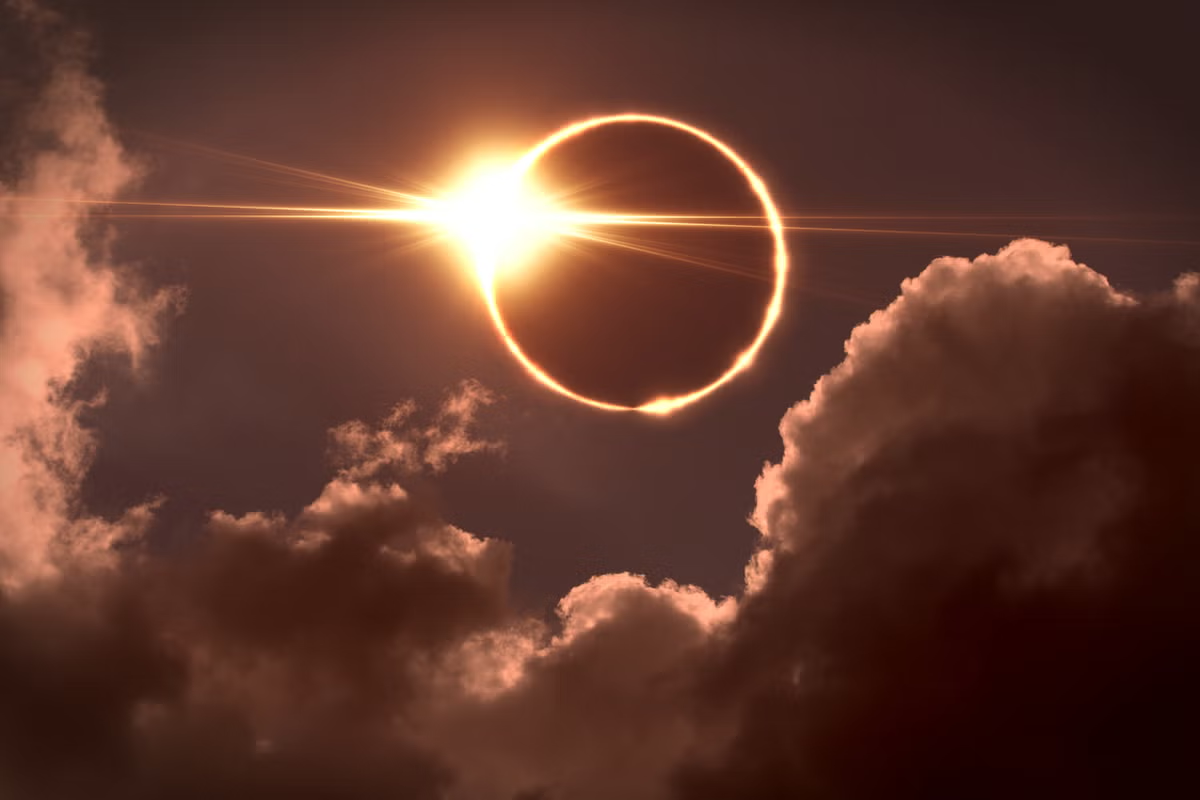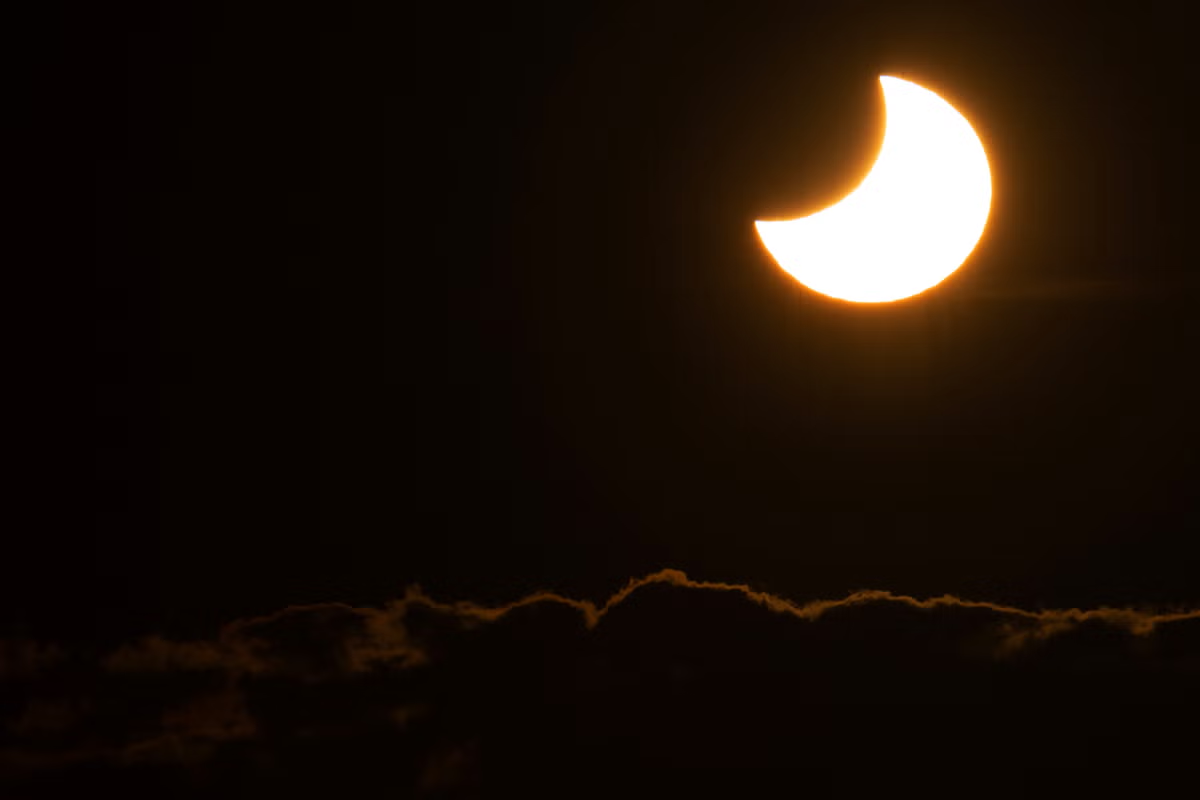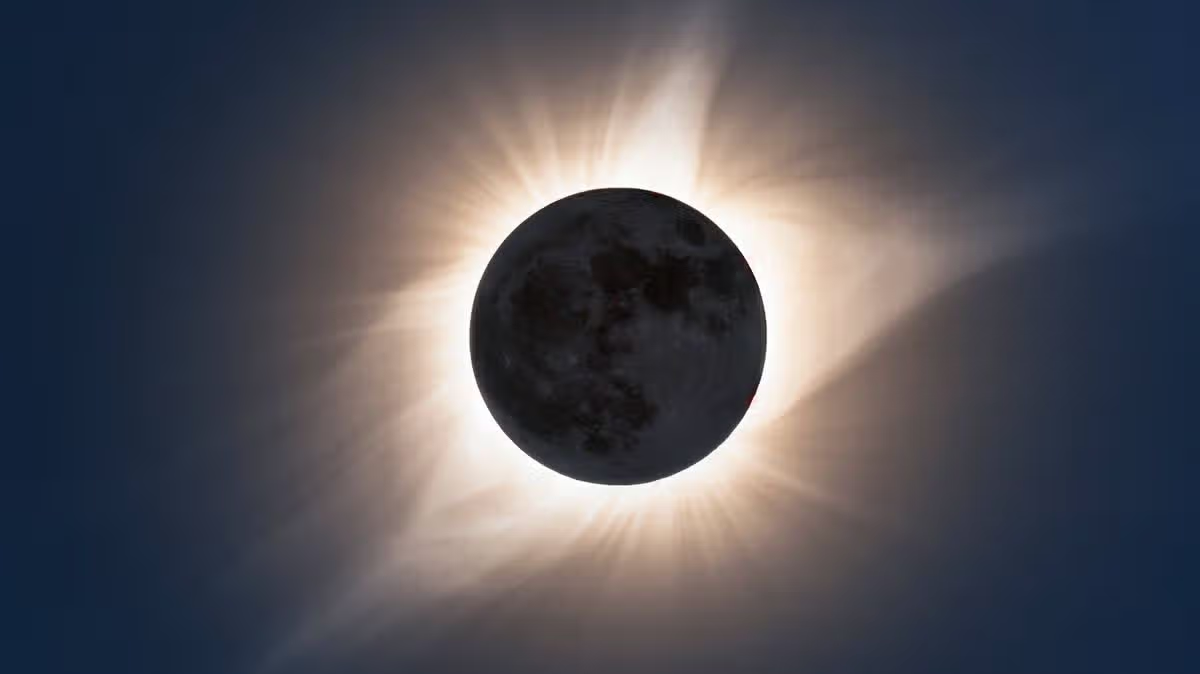
The UK will experience a partial solar eclipse on Wednesday, (12th August) and as specialised glasses start selling out online, here's an easy way to ensure you can still see the spectacle15:54, 10 Aug 2026UK skies are set to put on a remarkable show this week, with a stunning partial solar eclipse scheduled to take place, and you really won't want to miss it.On Wednesday (12th August), the UK will see a deep, partial eclipse that will be the closest to totality we have witnessed since 1999. Parts of Greenland, Iceland and northern Spain will be plunged into complete darkness as they pass through the path of totality, while sky-watchers across the UK will be treated to a deep partial eclipse, with roughly 90% of the sun covered by the moon. And Brits are already gearing up to watch the spectacle, as solar eclipse glasses are already selling out on sites like Amazon.The UK last saw a total eclipse almost 30 years ago, when Cornwall and parts of Devon found themselves in the path of totality. These events are extraordinarily rare, as any given spot on Earth can expect to see a total solar eclipse only once every 360 to 410 years. With the next total eclipse set to be visible from the UK not arriving until 2090, this week's event represents a once-in-a-lifetime chance to witness something truly special.A solar eclipse happens when the moon moves directly between the Earth and the sun, casting a shadow that blocks the sun's light either completely or in part. What's crucial to understand is that even when the sun appears largely hidden, it is still extremely dangerous to look at it directly without the right kind of eye protection.Eclipse glasses are widely considered one of the best ways to view the event safely, as they are built with far more powerful UV protection than standard sunglasses, enabling you to look straight at the sun without risking damage to your eyesight. However, with demand soaring ahead of Wednesday's event, many retailers are already running low on stock.Content cannot be displayed without consentThe good news is that there's a brilliantly simple alternative you can put together at home. A DIY pinhole projector allows you to watch the eclipse indirectly, meaning no specialist equipment is required. You only need three basic items to get started: a cardboard box, a sheet of kitchen foil and a pair of scissors.Educational platform Twinkl Resources shared a step-by-step video guide on TikTok showing exactly how to assemble your own pinhole projector. It's an easy and enjoyable project - and with the summer holidays in full swing, it's a fantastic way to keep the kids engaged and excited about the wonders of the natural world.How to make a pinhole projectorMaking a pinhole projector is easy. You want to begin by opening up your cardboard box and taping a strip of white paper down one side of it. It doesn't matter which side, but the opposite side must be suitable for cutting holes into.Once your paper is secured, you need to cut out two squares from the opposite side of the cardboard box. Cover one square with a sheet of kitchen foil, and secure it with tape. Then, use a pin to make a small hole in the centre of the foil.Make sure the box is completely sealed at the top, so the only gaps are the pin hole and the empty square. Your pinhole projector is now complete and ready to use so that you can enjoy the eclipse safely.How to use a pinhole projectorWhen eclipse day arrives, take your projector outside and stand with your back facing the sun. Angle yourself so the sunlight shines directly onto the kitchen foil end of the box, letting the light pass through the tiny pinhole.Bring the box up to your face and look through the square viewing hole. On the white paper lining the inside of the box, you should see an image of the sun projected - and as the eclipse progresses, you'll be able to watch the moon's shadow move gradually across it.Other ways to safely watch a solar eclipseIf you'd prefer to use eclipse glasses rather than a projector, make sure any pair you purchase or dig out from storage meets the required safety standards. Royal Museums Greenwich advises that glasses must display a safety certification of either 'ISO 12312-2' or 'ISO 12312-2:2015' on the frame or packaging.Be wary of using an old pair you may have kept from a previous eclipse, as if the lenses show any signs of scratching or creasing, they should not be used, as they could be damaged and have reduced protection.Article continues belowAnd if getting outside on the day isn't an option, the Royal Observatory will be broadcasting a free live stream of the eclipse from London on 12 August, so you can take in the whole event from the comfort of your sofa.
How to make pinhole projector to view solar eclipse as special glasses sell out
The UK will experience a partial solar eclipse on Wednesday, (12th August) and as specialised glasses start selling out online, here's an easy way to ensure you can still see the spectacle
821 words~4 min read