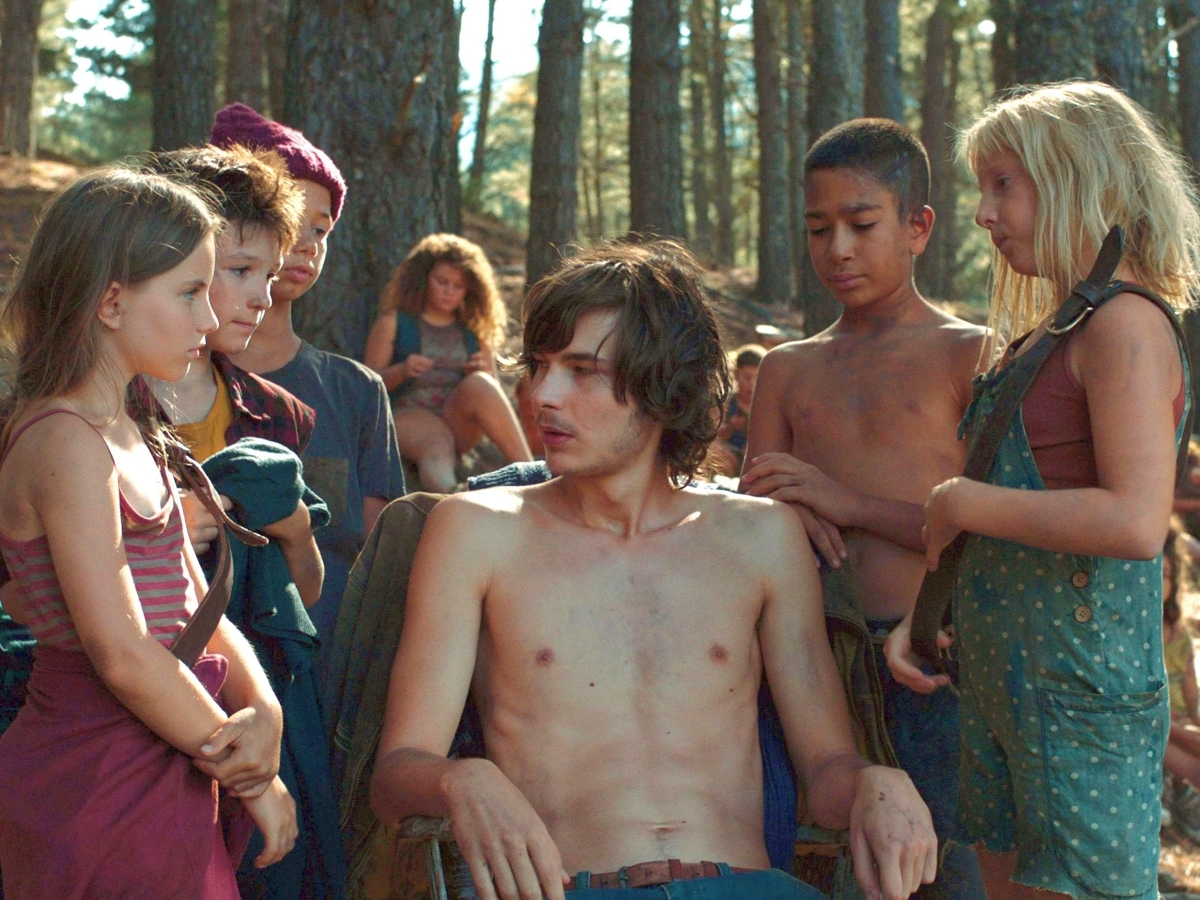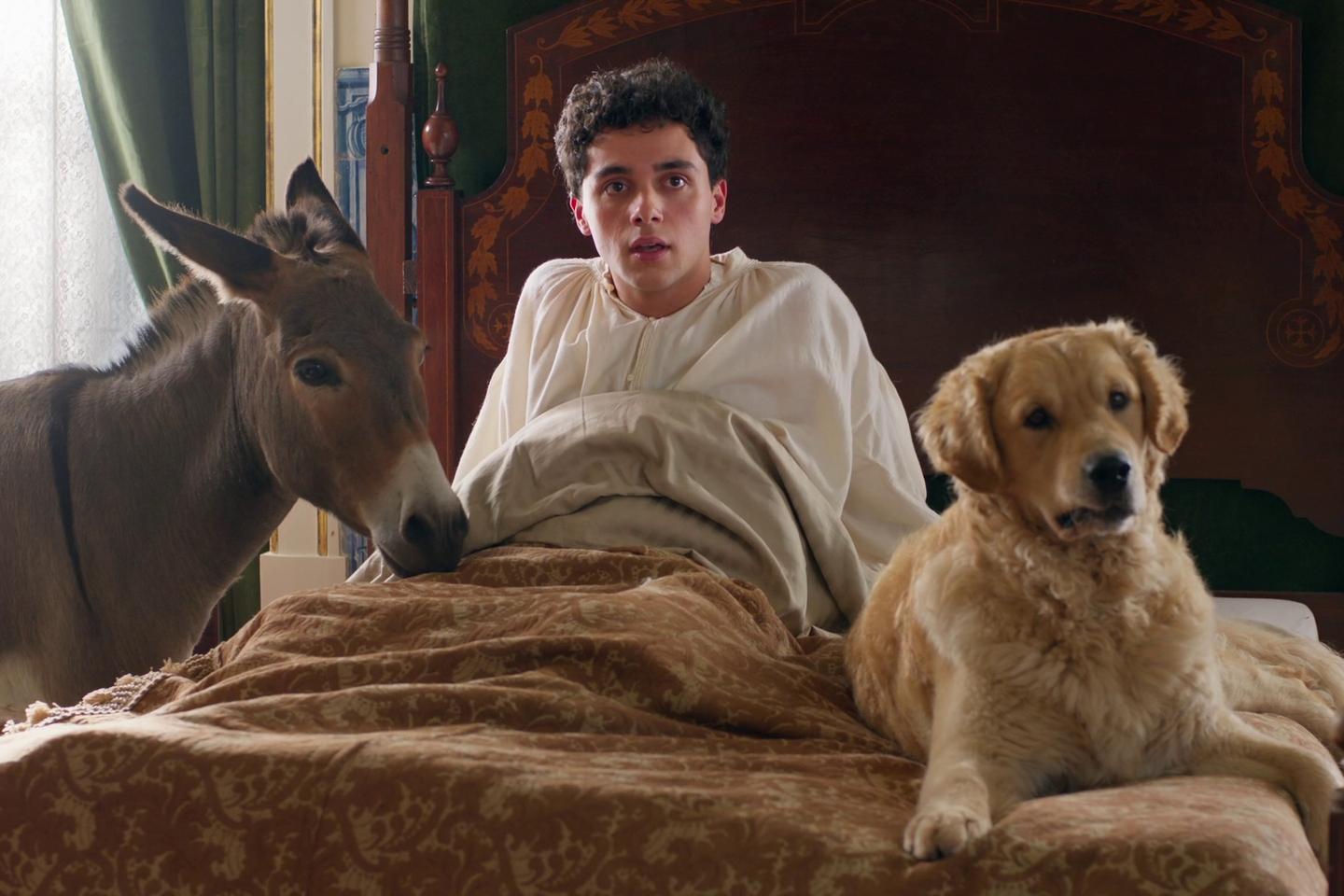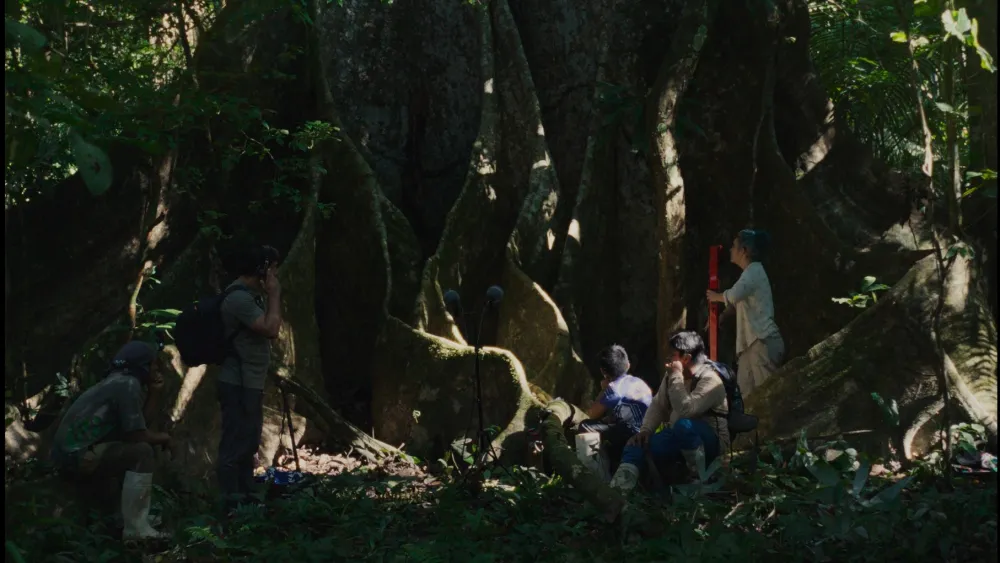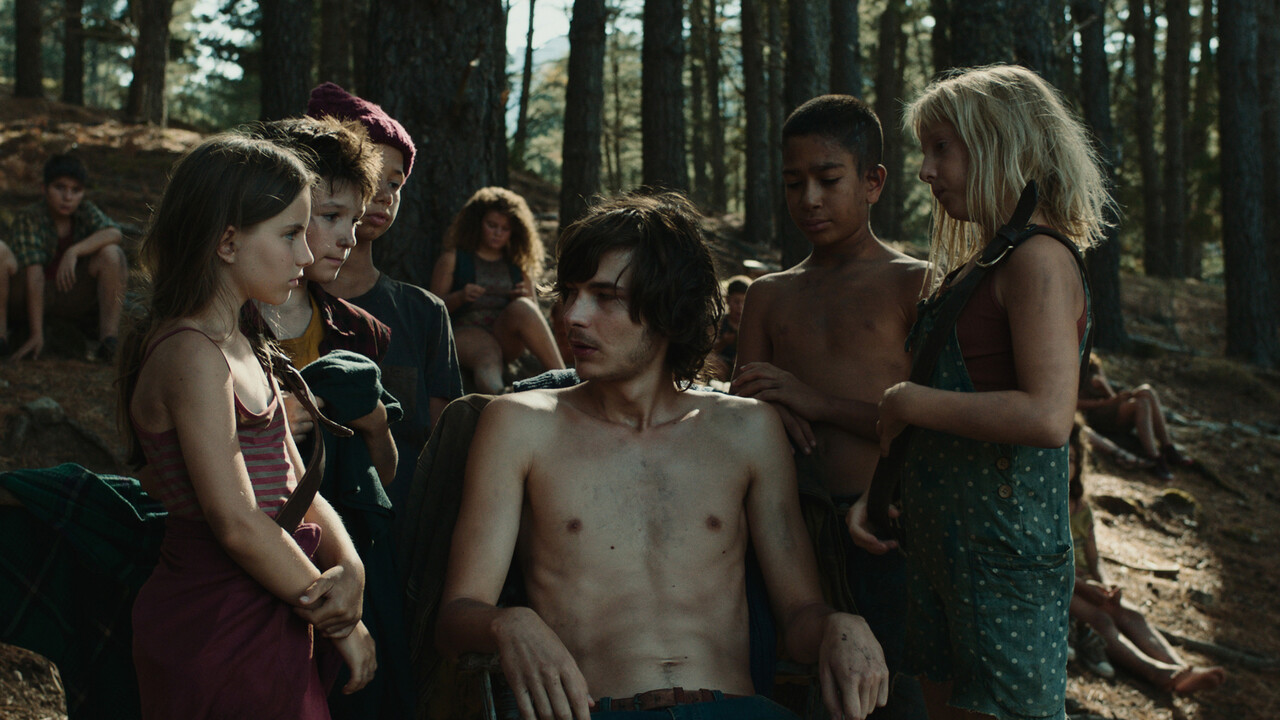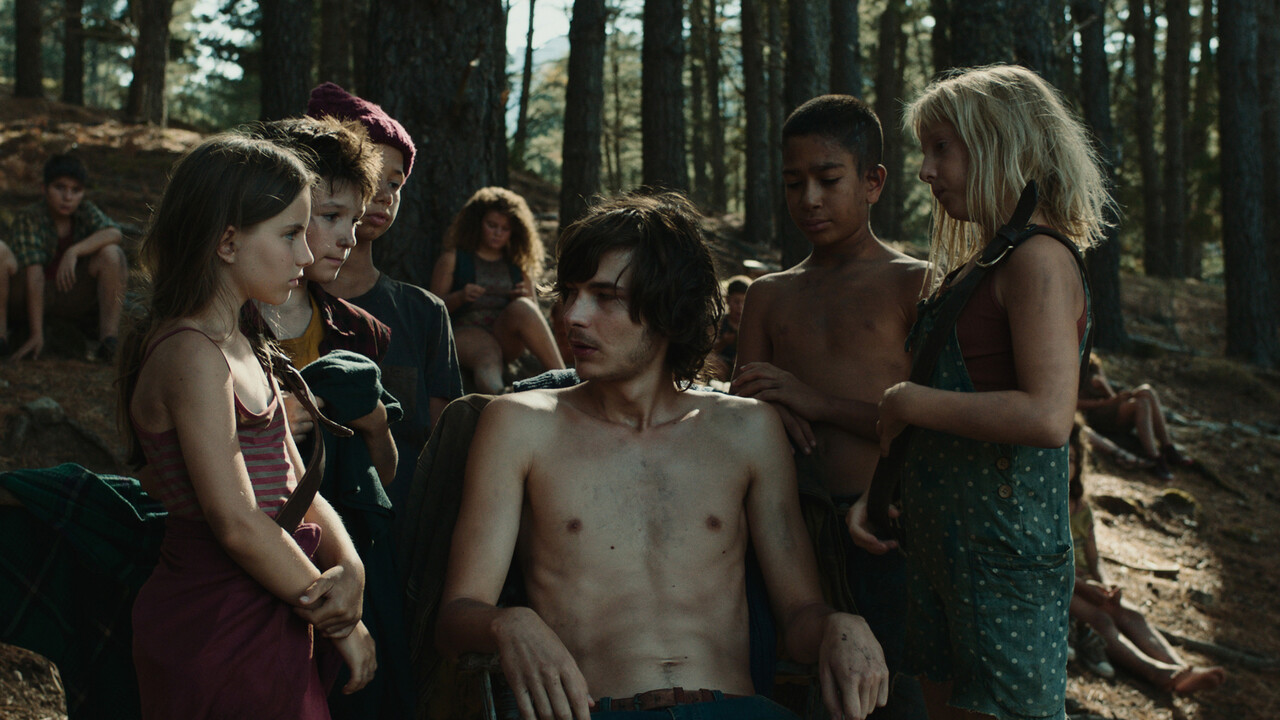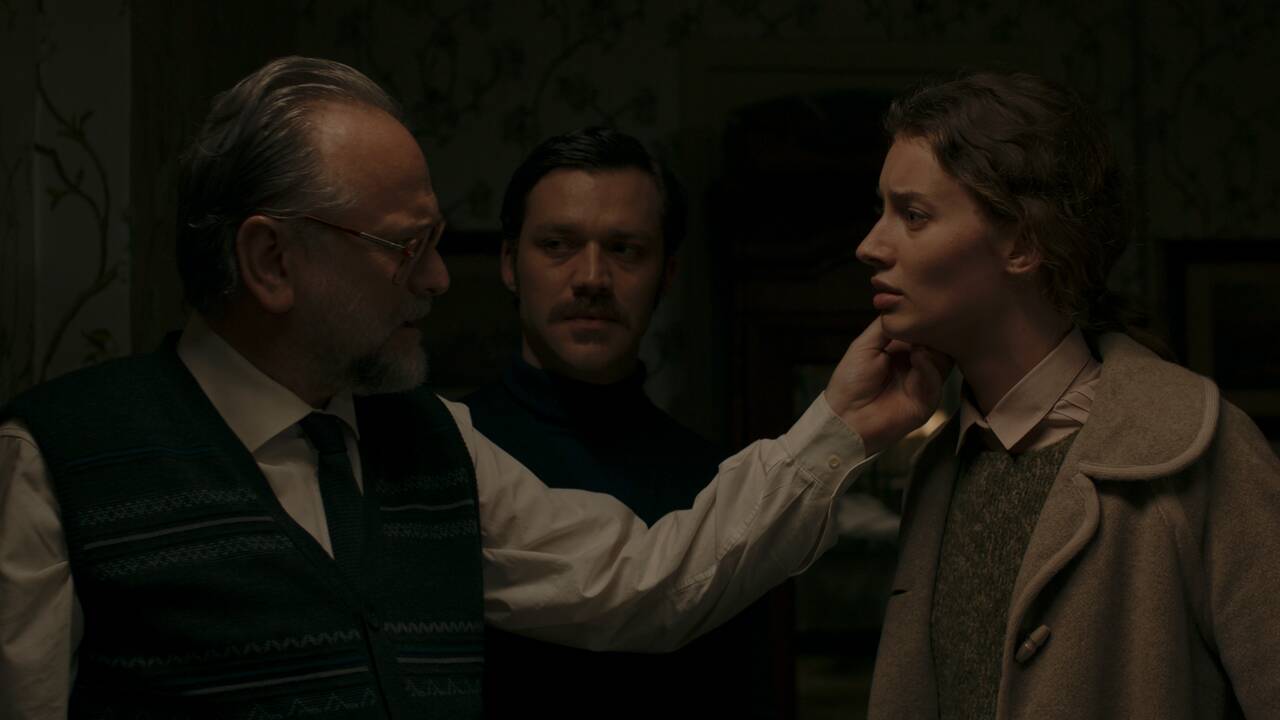
In fairy tales, we never question why the beautiful princess is marrying a horrible prince: Part of the pact readers make with such stories is that we accept these situations at face value. In real life though, when presented with a woman joining herself to a nasty piece of work, we need to know why. Comedies aside, combining these two literary forms creates minefields for a writer because the moment disbelief spreads like mold, the most fantastically built Cinderella castle collapses. “Wandering Trees,” Salvatore Mereu‘s new three-hour film, is unmistakably part of the iconoclastic director’s world, with its almost metaphysical approach to Sardinians’ relationship to the land, but a major tonal clash between the pronounced fairy-tale structure and the realistic elements trips up his customary mastery in handling complex narratives.
Long an outlier in the Italian cinema landscape, Mereu’s films (“Assandira,” “Pretty Butterflies,” etc.) are intimately bound up in the distinct natural rhythms of his island home. Harnessing a signature cinematic eye to a near-mystical reverence for the land and its ancient traditions, he’s a filmmaker whose work stands in resistance to Italianization, like a bold sociologist fighting for a rural way of life fast becoming extinct. While he’s never shied away from narrative experimentation, he’s also never been so hampered by a fundamental misunderstanding of the dramatic contract. His sense of beauty is unsullied, his respect for nature in all its forms unshaken, but when the question “why” insistently encroaches on audience involvement, there’s a problem.