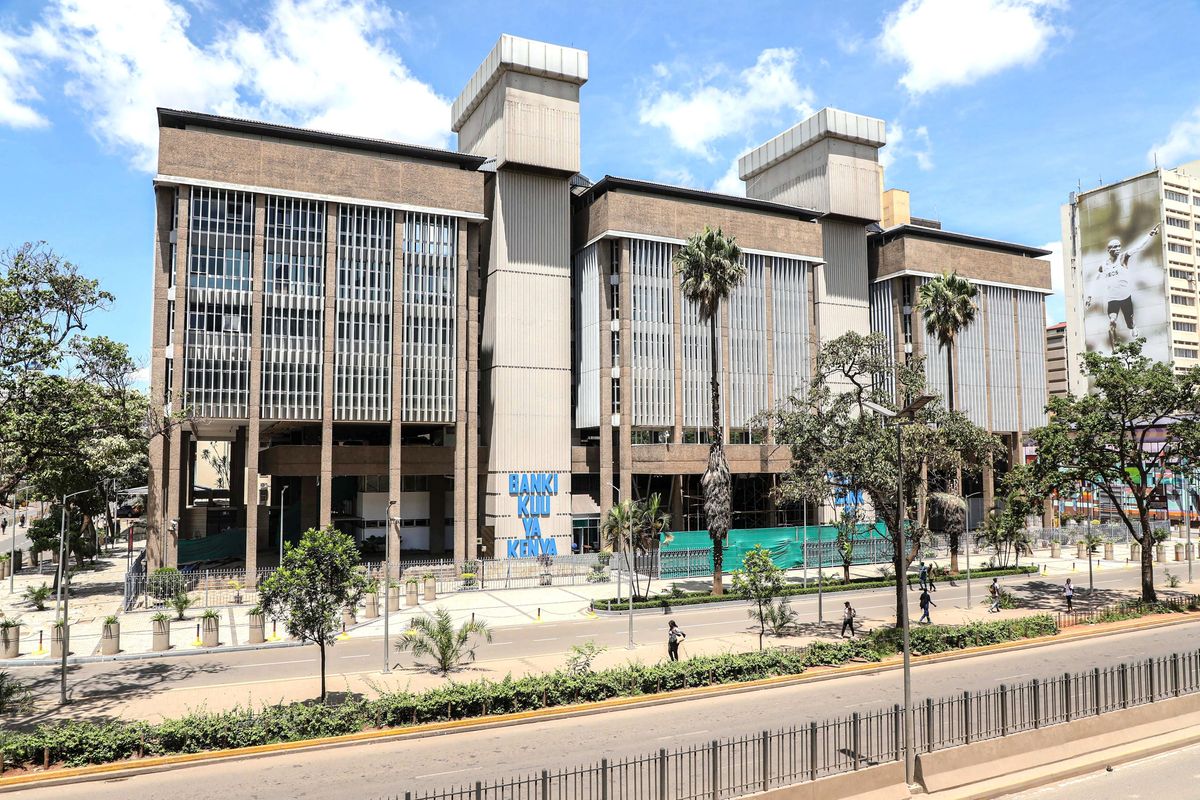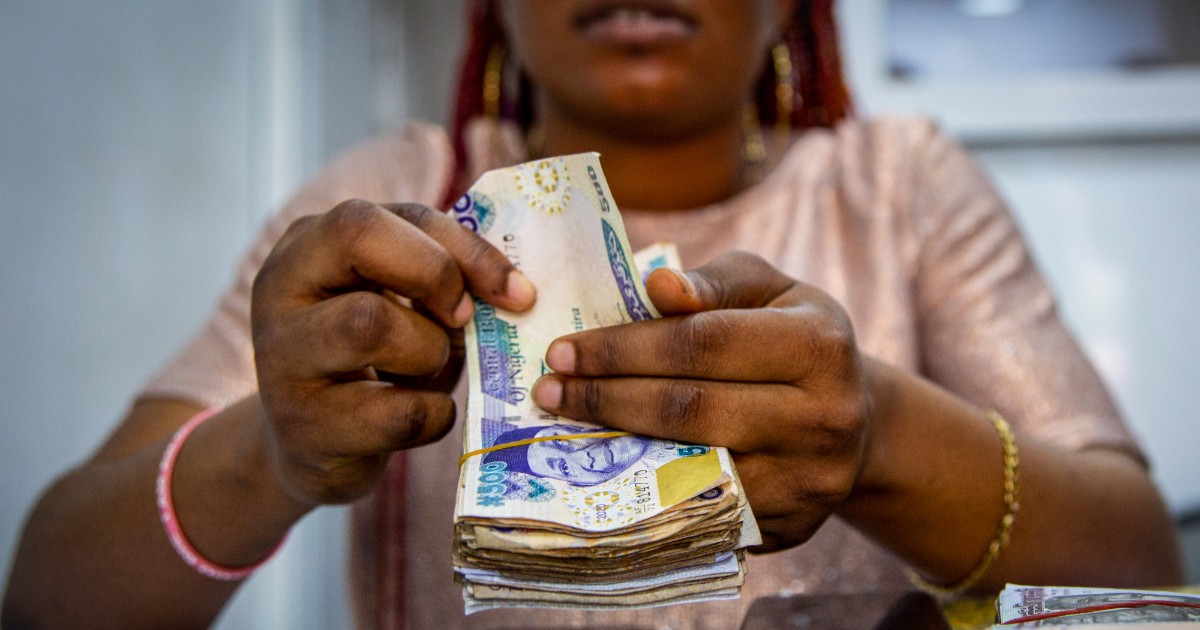
A new Central Bank of Nigeria survey shows that credit became easier to obtain in the second quarter, but borrowing costs moved in different directions for households, small businesses and larger companies.
Nigerian banks approved a greater share of household and business loan applications in the second quarter of 2026, but the cost of borrowing did not improve equally for every customer.
The Central Bank of Nigeria’s latest Credit Conditions Survey found that credit availability increased across secured, unsecured and corporate lending.
Demand also rose for mortgages, consumer loans, personal loans and business credit, while lenders reported lower default rates across the main household and corporate categories.
It also follows the completion of a major recapitalisation exercise that strengthened bank balance sheets but left the industry under pressure to convert larger capital bases into productive lending.