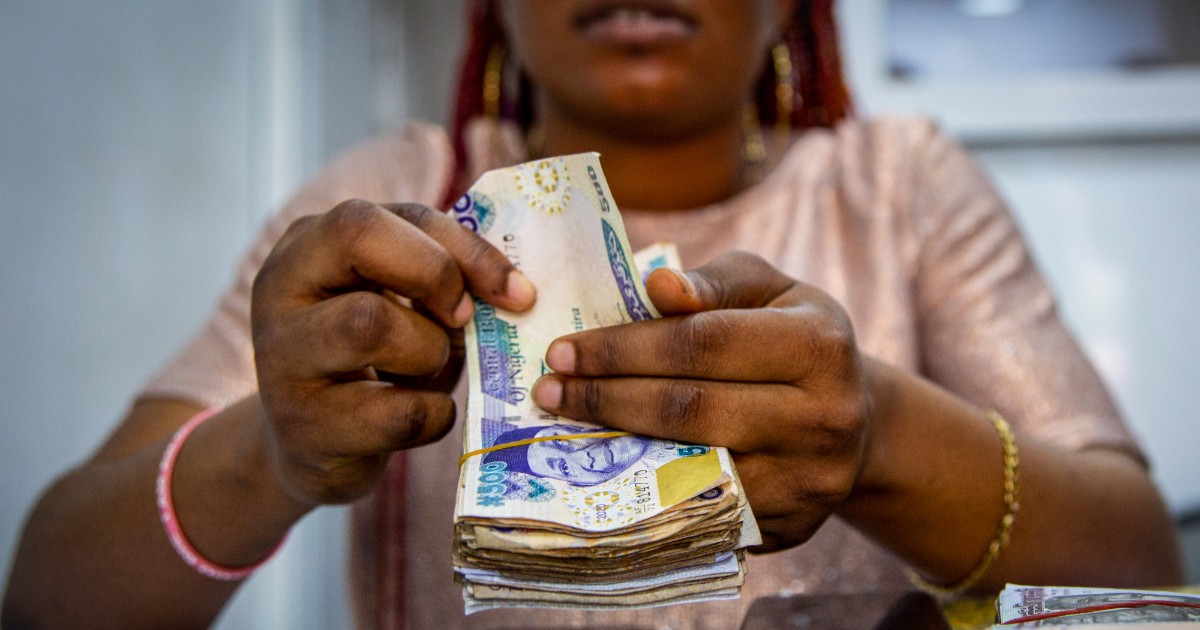
The cost of borrowing in Nigeria remains an important consideration for households and businesses even as banks report improved access to credit, with the Central Bank of Nigeria’s second-quarter 2026 Credit Conditions Survey showing that lending-rate spreads moved differently across various categories of borrowers.
The survey showed that while lenders increased the availability of secured, unsecured and corporate credit in the second quarter, the cost of credit did not move in the same direction for all borrowers. Lending-rate spreads narrowed for some categories but widened for others, highlighting the different borrowing conditions faced by households, small businesses and larger companies.
The findings provide a useful picture of how the cost of bank credit is evolving at a time when demand for some forms of borrowing is also increasing.
What is the cost of borrowing?
The cost of borrowing refers to what a borrower pays to obtain credit from a bank. While the interest rate charged on a loan is the most obvious component, the CBN Credit Conditions Survey looks at lending-rate spreads relative to the Monetary Policy Rate (MPR).